Quartieri
Beykoz: İstanbul'un Yeşil Boğaz Cenneti
Confini del quartiere
Storia
İstanbul'un Asya yakasında, Boğaz'ın kuzey kıyısında yer alan Beykoz, stratejik coğrafi konumunun etkisiyle şekillenmiş zengin bir tarihe sahiptir. Tarihsel olarak, verimli toprakları, ormanları ve Karadeniz'e erişimi sayesinde önemli bir yerleşim yeri olmuştur. Arkeolojik bulgular, bölgede antik çağlardan beri insan yerleşiminin olduğunu göstermektedir ve farklı medeniyetler burada varlık göstermiştir.
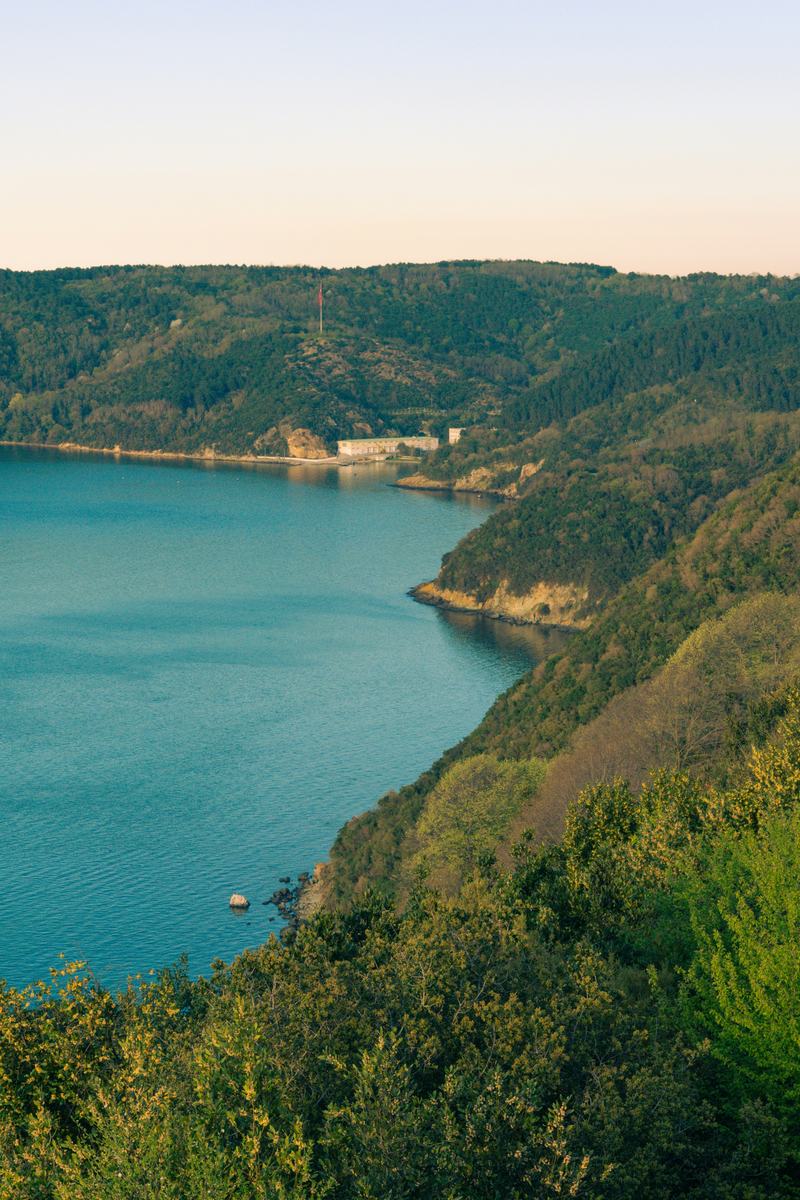
Bizans döneminde , Beykoz öncelikle doğal güzellikleriyle bilinmekteydi ve imparatorlar için popüler bir av alanıydı. Stratejik konumu, aynı zamanda Boğaz üzerinden deniz trafiğini kontrol etmesi açısından da önemlidir. Osmanlı'ların gelişiyle birlikte, Beykoz önemi korunmuş ve sultanlar ve imparatorluk sarayı için tercih edilen bir dinlenme yeri haline gelmiştir. Bu dönemde, özellikle Boğaz kıyısı boyunca birçok büyük köşk, kiosk ve av köşkü inşa edilmiştir.
19. ve 20. yüzyılın başlarında , cam üretimi (Beykoz Cam) ve deri işleri gibi sanayiler, bölgenin ekonomisine katkıda bulunmuştur. İstanbul'un büyük bir bölümü modernleşirken, Beykoz büyük ölçüde yeşil karakterini ve büyüleyici Boğaz köylerini korumuş, bu da onu hareketli şehir merkezine zıt bir atmosfer sunmuştur.
Origine del nome
The name Beykoz is believed to have Turkish and Persian roots. The first part, 'Bey,' is a Turkish title meaning 'lord' or 'chief,' often associated with administrative or military leaders. The second part, 'Koz,' is thought to derive from the Persian word 'gowz,' meaning 'walnut,' or possibly related to the Turkic word for 'village' or 'nut tree.'
Local tradition suggests that the area might have been named after a bey (lord) who was associated with walnut groves or a village known for its walnut trees. Another interpretation links 'Koz' to its abundant forests and green areas, symbolizing a rich, natural environment.
Comunità
Historically, Beykoz has been home to a diverse array of communities, reflecting the broader demographic tapestry of Istanbul. Its natural beauty and proximity to the imperial court during the Ottoman era attracted a mix of residents.
During the Ottoman period, the district saw a significant presence of Ottoman Turks, many of whom were associated with the imperial administration, military, or engaged in farming and forestry. Alongside them, Greek communities also resided in various villages within Beykoz, particularly along the Bosphorus, where they often engaged in fishing and maritime trade. Some sources indicate the presence of smaller Armenian communities as well. These groups coexisted, contributing to the district's social and economic life, often with distinct neighborhoods and religious institutions.
Over time, especially with the population exchanges and demographic shifts of the 20th century, the composition of Beykoz became predominantly Turkish. However, the architectural legacy, particularly old wooden houses and some former places of worship, still hints at its multi-ethnic past.
Architettura
Beykoz's architecture primarily showcases a blend of Ottoman and early Republican styles, characterized by its integration with the natural landscape.
- Yalı (Waterfront Mansions): Perhaps the most iconic architectural feature are the numerous historic yalı, elegant wooden mansions lining the Bosphorus shore. These Ottoman-era summer residences, often exquisitely detailed, represent a significant part of Istanbul's architectural heritage.
- Kiosks and Hunting Lodges: Reflecting its past as an imperial retreat, Beykoz is home to various imperial kiosks and hunting lodges, such as the Mecidiye Pavilion and parts of the Hidiv Kasrı (Khedive's Palace). These structures often feature Ottoman Baroque and Rococo influences.
- Traditional Ottoman Houses: Inland, one can still find examples of traditional wooden Ottoman houses, typically with multiple stories, bay windows (cumba), and characteristic pitched roofs, designed to adapt to the hilly terrain and green surroundings.
- Mosques and Churches: The district also features several historical mosques, often with Ottoman classical or later styles, and a few older churches, primarily Greek Orthodox, indicating the historical presence of various communities.
Arte
Beykoz, while not traditionally a central hub for contemporary art galleries like some other districts, has a rich cultural heritage reflected in its crafts and traditional arts, as well as a growing appreciation for performing arts.
- Beykoz Glass: Historically, Beykoz was renowned for its exquisite glass production. The Beykoz Glass Factory, established in the Ottoman period, produced distinctive glasswork known for its intricate designs and vibrant colors, often incorporating Ottoman motifs. While the factory is no longer operational in its historic form, the legacy of Beykoz glass remains a significant part of Turkish decorative arts.
- Literary Inspiration: The serene beauty and historical charm of Beykoz have long served as an inspiration for Turkish writers and poets, featuring in many literary works that evoke its Bosphorus scenery and lush landscapes.
- Community-based Arts: Today, the district supports local art initiatives and cultural centers that host workshops, exhibitions, and performances, fostering community engagement in various art forms, from traditional Turkish music to modern painting.
Vita attuale
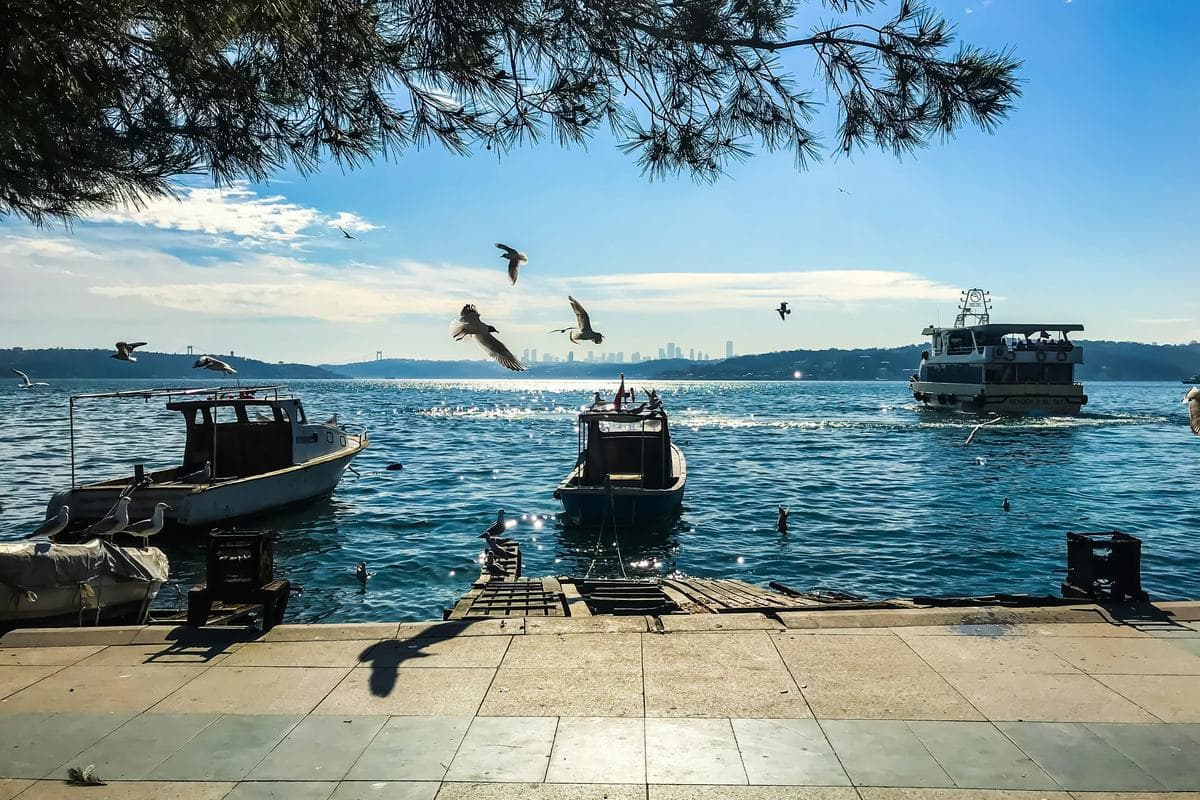
Günümüzde, Beykoz, İstanbul'un daha kentleşmiş merkezlerinden farklı olarak, sakin bir banliyö yaşamı ve tarihi çekicilik arasında eşsiz bir denge sunmaktadır. Geniş yeşil alanları, ormanları ve parkları ile bilinir ve bu alanlar, şehrin akciğerleri görevi görerek, aynı zamanda şehir sakinleri için popüler hafta sonu kaçamağı noktalarıdır.
Beykoz'da yaşam, İstanbul'un merkezine göre genellikle daha rahattir. Bölge, sakin mahalleleri, büyüleyici Boğaz köyleri gibi Anadoluhisarı ve modern apartman komplekslerinden lüks villalara kadar uzanan konut alanlarıyla karakterizedir. Doğayla güçlü bir bağa sahip olan bu bölgede, birçok kişi yürüyüş, bisiklet ve Polonezköy Doğal Park gibi alanlarda veya Boğaz sahil şeridinde piknik gibi açık hava aktivitelerinin tadını çıkarır.
Sakin yaşamına rağmen, Beykoz, okullar, hastaneler, alışveriş merkezleri ve özellikle Boğaz boyunca yer alan, manzaralı ve taze deniz ürünleri sunan artan sayıda kafe ve restoran gibi olanaklara sahiptir. Bazı bölgeler oldukça lüks olmasına rağmen, bölge geleneksel pazarları ve topluluk etkinlikleriyle yerel karakterini korumaktadır.
Domande frequenti
Beykoz en çok neyle bilinir?
Beykoz is best known for its extensive green spaces, including forests and parks, and its picturesque location along the Bosphorus on Istanbul's Asian side. It is also famous for its historic yalı (waterfront mansions), its legacy in glass production, and as a favored imperial retreat during the Ottoman era.
Beykoz'da ziyaret edilebilecek tarihi yerler var mı?
Yes, Beykoz is home to several historic sites. Notable examples include the Anadolu Fortress (Anadolu Hisarı), one of the oldest Ottoman architectural structures in Istanbul, and the Khedive's Palace (Hidiv Kasrı), an impressive Art Nouveau building with beautiful gardens. The various historic mosques and churches scattered throughout the district also offer a glimpse into its past.
Beykoz'da yapılabilecek aktiviteler nelerdir?
Beykoz offers a range of activities, particularly for those who enjoy nature and history. You can:
- Explore the Anadolu Fortress and its surroundings.
- Visit the Khedive's Palace and its expansive grounds.
- Enjoy a leisurely walk or bike ride along the Bosphorus promenade.
- Hike in the district's many forests and parks, such as Polonezköy Nature Park.
- Dine at seafood restaurants along the Bosphorus with scenic views.
Beykoz, İstanbul'un diğer bölgelerinden kolayca ulaşılabilir mi?
Beykoz is accessible from other parts of Istanbul, though travel times can vary depending on your starting point. It is primarily reached by road, with public buses connecting it to major transportation hubs on the Asian side, such as Üsküdar and Kadıköy. Ferry services along the Bosphorus also provide scenic connections to some of its waterfront areas.
Beykoz camının kökeni nedir?
The origin of Beykoz glass dates back to the Ottoman period, specifically the 18th and 19th centuries, when the Beykoz Glass Factory was established in the district. This factory became renowned for producing distinctive and high-quality glass products, often featuring intricate designs and vibrant colors that reflected Ottoman aesthetic sensibilities.
Beykoz'un günümüzdeki atmosferi nasıldır?
Today, Beykoz offers a distinctly tranquil and green atmosphere compared to the bustling city center of Istanbul. It is known for its quiet, residential neighborhoods, extensive forests, and charming Bosphorus villages. The pace of life is generally more relaxed, making it a popular choice for those seeking a peaceful environment close to nature, while still being within Istanbul's metropolitan area.
Scritto da Istanbook Editorial Team
Una storia da Istanbul, di tanto in tanto.
Una storia, un luogo, un sapore, un consiglio.