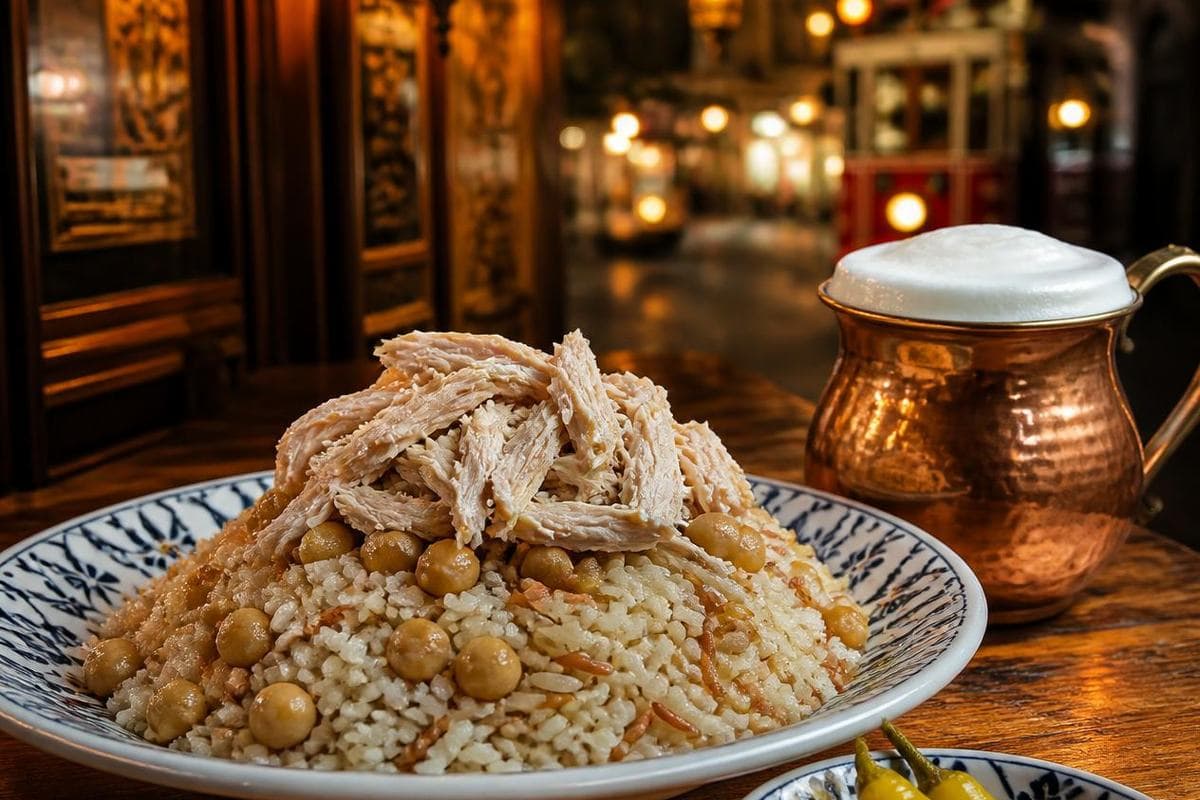
Pilav (Turkish Rice Pilaf)
Pilav: The Cornerstone of Turkish Rice Pilaf
Historical Origin
Pilav, or pilaf, holds a significant and ritualistic place in Turkish cuisine, with its tradition extending across the Middle East, Central Asia, and beyond. The history of rice in Turkish cuisine traces back to centuries of exchange with Persian and Central Asian cultures.
Rice cultivation spread from India to Central and West Asia long before the Abbasid Caliphate, during which pilaf cooking methods expanded. In the Seljuk era in Anatolia, rice was already a significant consumption item, primarily used for pilav, including buttered rice pilaf. During the Ottoman Empire, pilav, with its numerous varieties, held a ceremonial quality and was often the concluding dish of a meal, sometimes referred to as "sözkesen" (interruption).
Historical records, such as Sultan Süleyman the Magnificent's feast register from 1539, show pilafs as a major component of elaborate menus, including plain, noodle, saffron, and green pilafs. The famed 17th-century traveler Evliya Çelebi also mentioned various pilav types. By the 18th century, seafood pilafs had become popular in palace cuisine, and Ottoman women were known to prepare as many as 27 different types of pilav.
Technique
Tereyağlı pirinç pilavı (butter rice pilaf) is the most commonly consumed type of pilav in Turkish cuisine. The hallmark of a well-prepared Turkish pilav is that the individual grains remain distinct and do not stick together.
Achieving this texture requires careful technique, starting with rinsing the rice thoroughly to remove surface starch. The rice is then typically fried in oil, often butter, before being simmered with water or broth. After the cooking process, it is crucial to let the pilav rest off the heat for 15-20 minutes to achieve its optimal fluffy consistency. Common rice varieties used include Baldo and Osmancık. Some recipes suggest adding a few drops of lemon juice or a sugar cube to the cooking water to ensure brighter, whiter, and more separate grains.
Tradition
Beyond the palace, pilav became an essential part of everyday Turkish life, valued for its versatility and satisfying taste. In modern Turkey, pilav remains an indispensable accompaniment to many dishes, especially those simmered in a pot ("sulu yemek"), meat dishes, and kebabs, though it can also be a standalone meal.
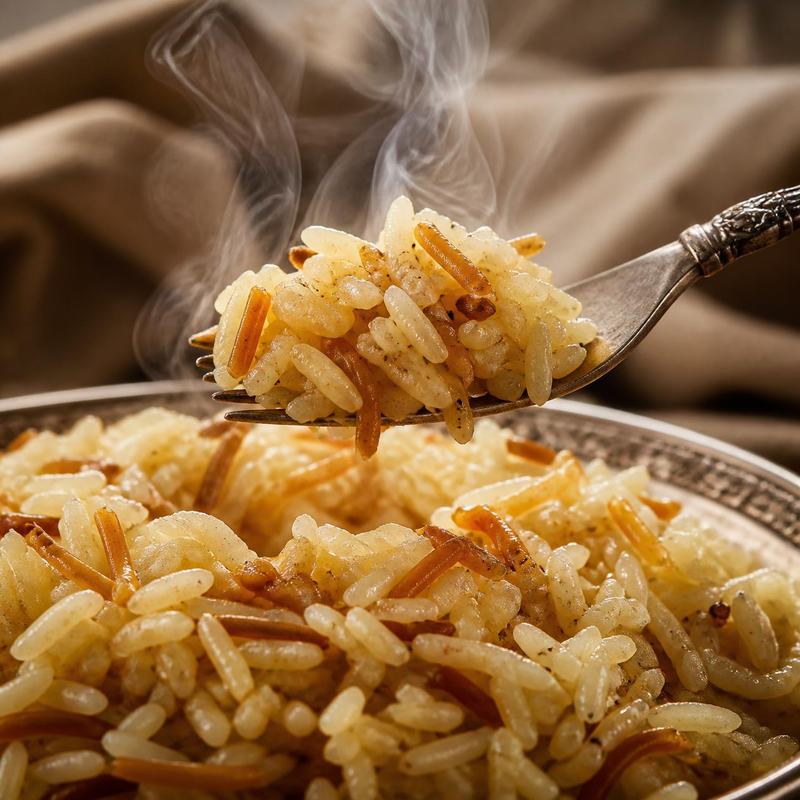
It symbolizes hospitality, generosity, and cultural identity, frequently appearing at weddings, holidays, and other honored gatherings. The ability to prepare an excellent pilav is often seen as a measure of a cook's skill. While often served as a side, it can also be a main dish, sometimes accompanied by ayran, yogurt, or salad. Popular additions can include şehriye (vermicelli), chickpeas, meat, or various vegetables, enhancing its flavor and nutritional value.
Frequently asked questions
What is Pilav in Turkish cuisine?
Pilav, or pilaf, is a staple rice dish that holds a significant and ritualistic place in Turkish cuisine. It is deeply embedded in both daily meals and ceremonial occasions, valued for its versatility and satisfying taste.
What is Tereyağlı Pirinç Pilavı?
Tereyağlı pirinç pilavı, meaning butter rice pilaf, is the most commonly consumed type of pilav in Turkish cuisine. It is characterized by individual rice grains that remain distinct and do not stick together.
How is Turkish Pilav typically prepared?
The preparation of Turkish pilav involves several key steps: Some cooks also add a few drops of lemon juice or a sugar cube to help ensure brighter, whiter, and more separate grains.
- Thoroughly rinsing the rice to remove surface starch.
- Frying the rice, often in butter, before cooking.
- Simmering the rice with water or broth until cooked.
- Allowing the pilav to rest off the heat for 15-20 minutes after cooking to achieve optimal consistency.
What is the historical origin of Pilav in Turkey?
The tradition of pilav has roots extending across the Middle East and Central Asia. Rice cultivation and pilaf cooking methods expanded during the Abbasid Caliphate, eventually reaching Anatolia during the Seljuk era. In the Ottoman Empire, pilav gained ceremonial status, often concluding meals, and was widely diversified, with historical records indicating numerous varieties served at imperial feasts.
What cultural significance does Pilav hold in modern Turkey?
In modern Turkey, pilav is more than just a dish; it symbolizes hospitality, generosity, and cultural identity. It is an indispensable accompaniment to many main courses and frequently features at significant family and communal events like weddings, holidays, and other honored gatherings. The ability to prepare an excellent pilav is often considered a measure of a cook's skill.
Can Pilav be a main dish?
While pilav often serves as an accompaniment to dishes like "sulu yemek" (simmered dishes), meat, and kebabs, it can certainly be a standalone meal. It's sometimes served as a main dish with sides like ayran, yogurt, or salad. Additions such as şehriye (vermicelli), chickpeas, meat, or vegetables can enhance its flavor and nutritional value when served as a primary meal.
Written by Istanbook Editorial Team · Last updated September 1, 2026
Sources (3)
- turkish-cuisine.org — turkish-cuisine.org
- wikipedia.org — wikipedia.org
- ktb.gov.tr — ktb.gov.tr
A story from Istanbul, occasionally.
One story, one place, one taste, one recommendation.