Balat, Istanbul
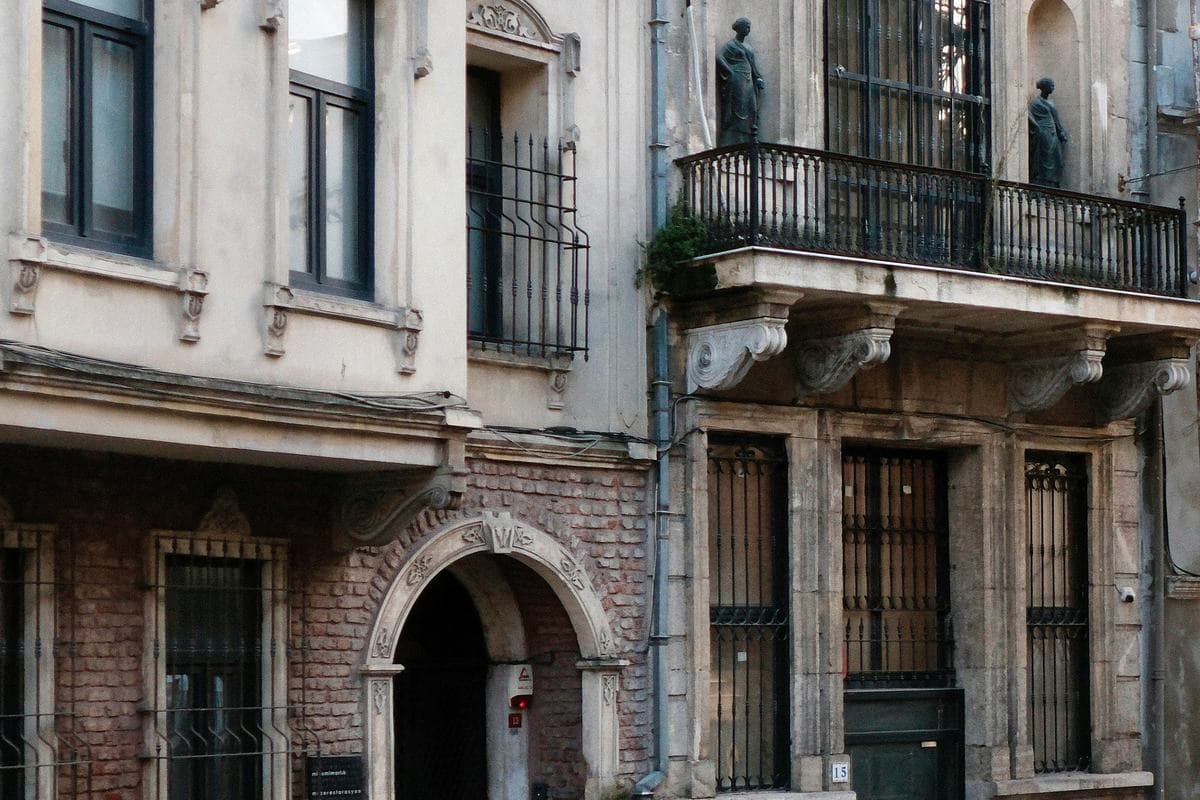
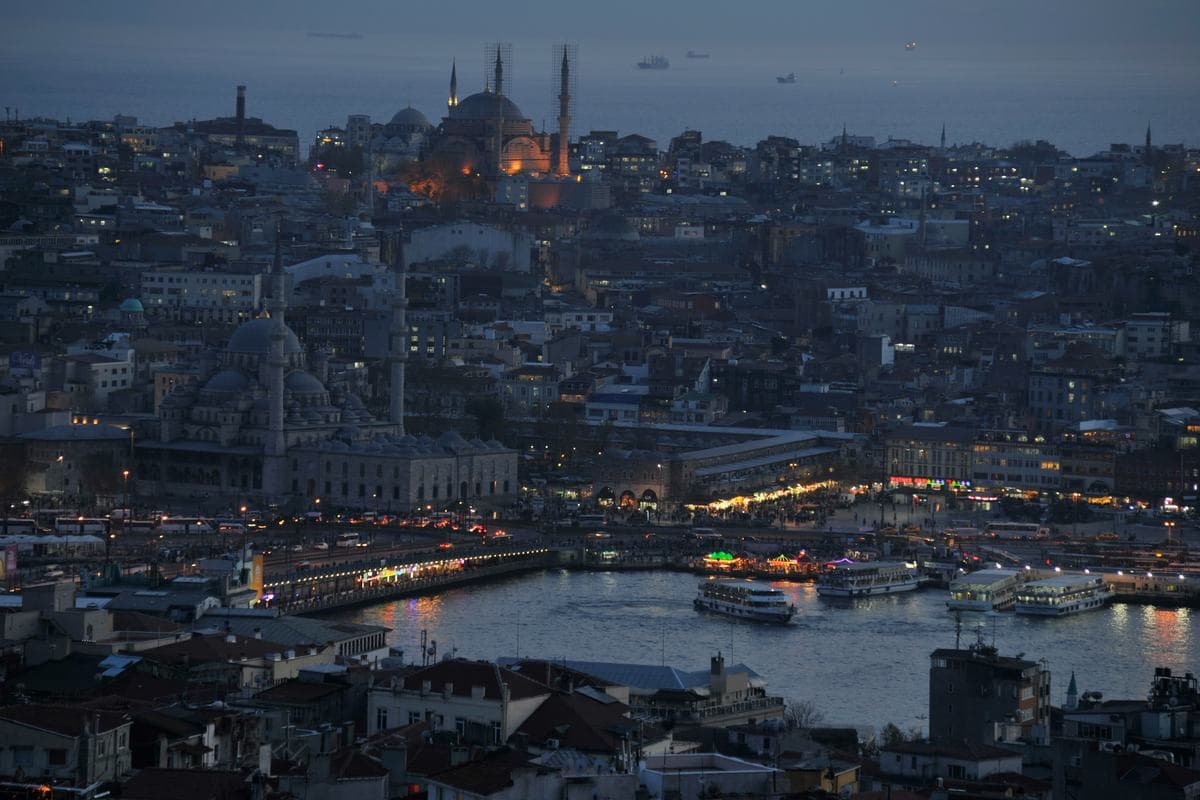
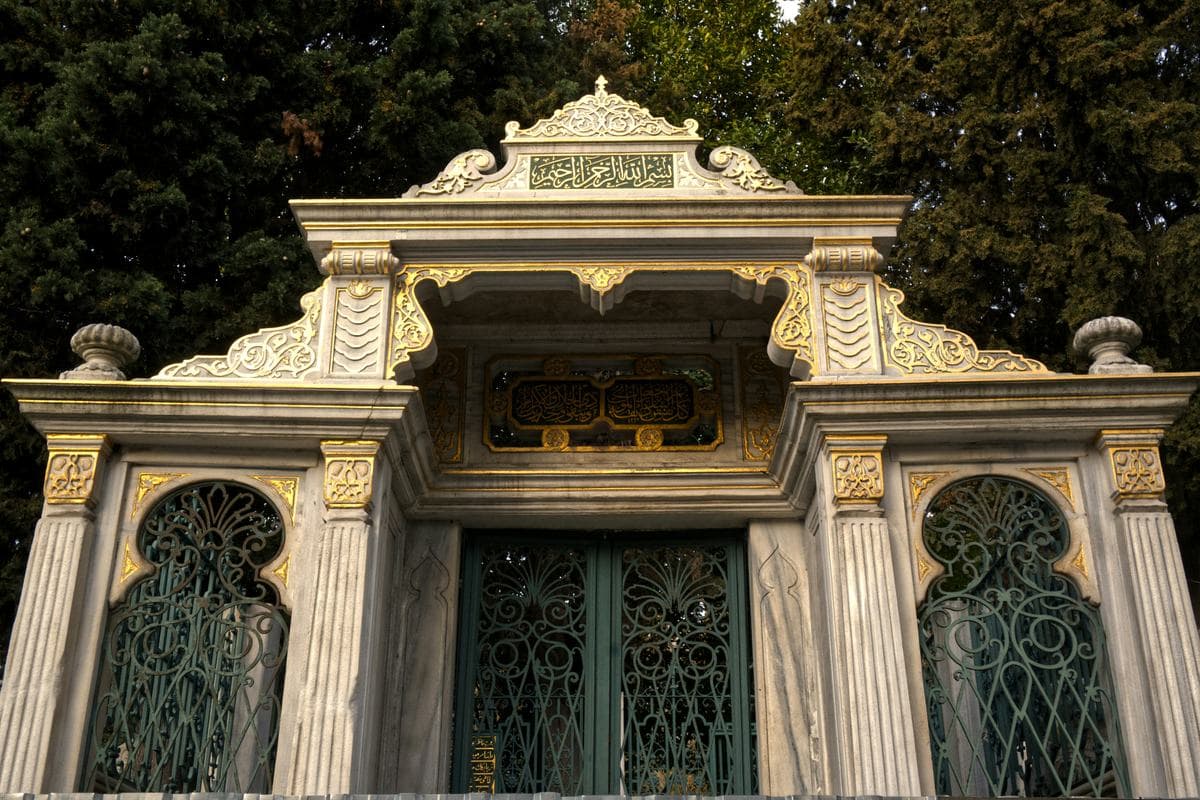
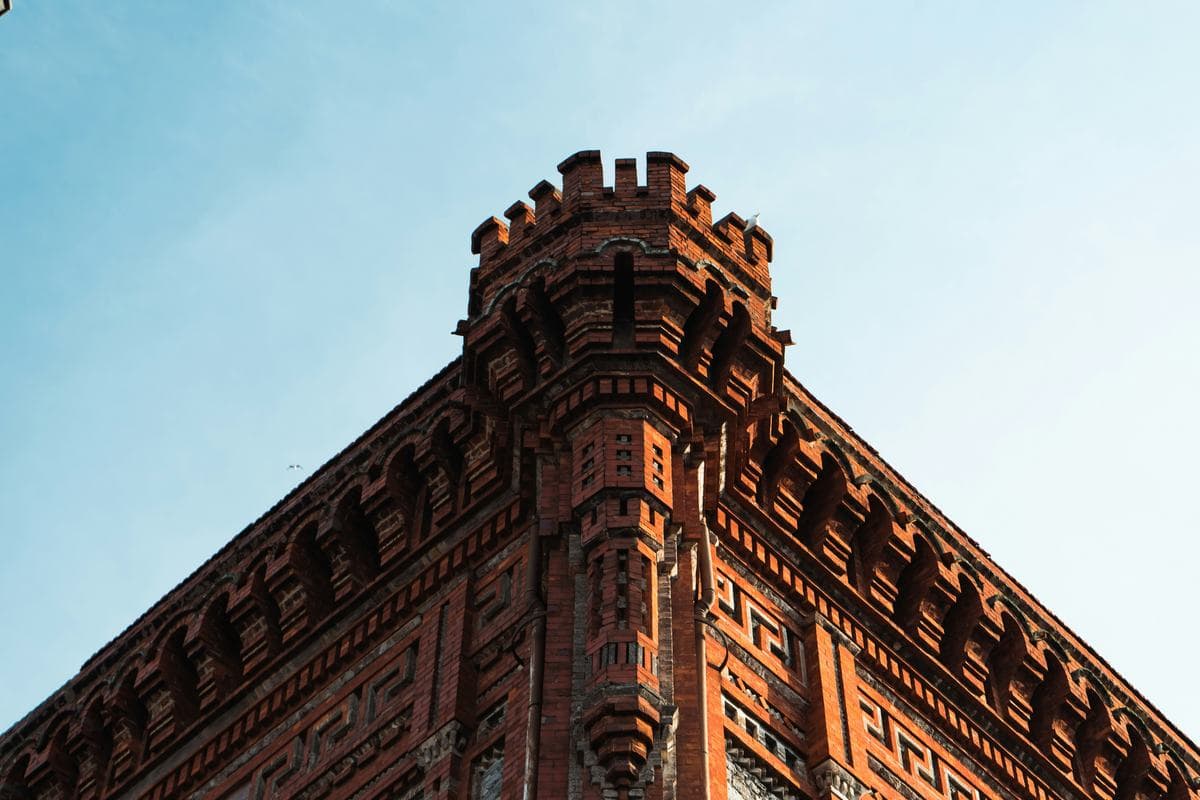
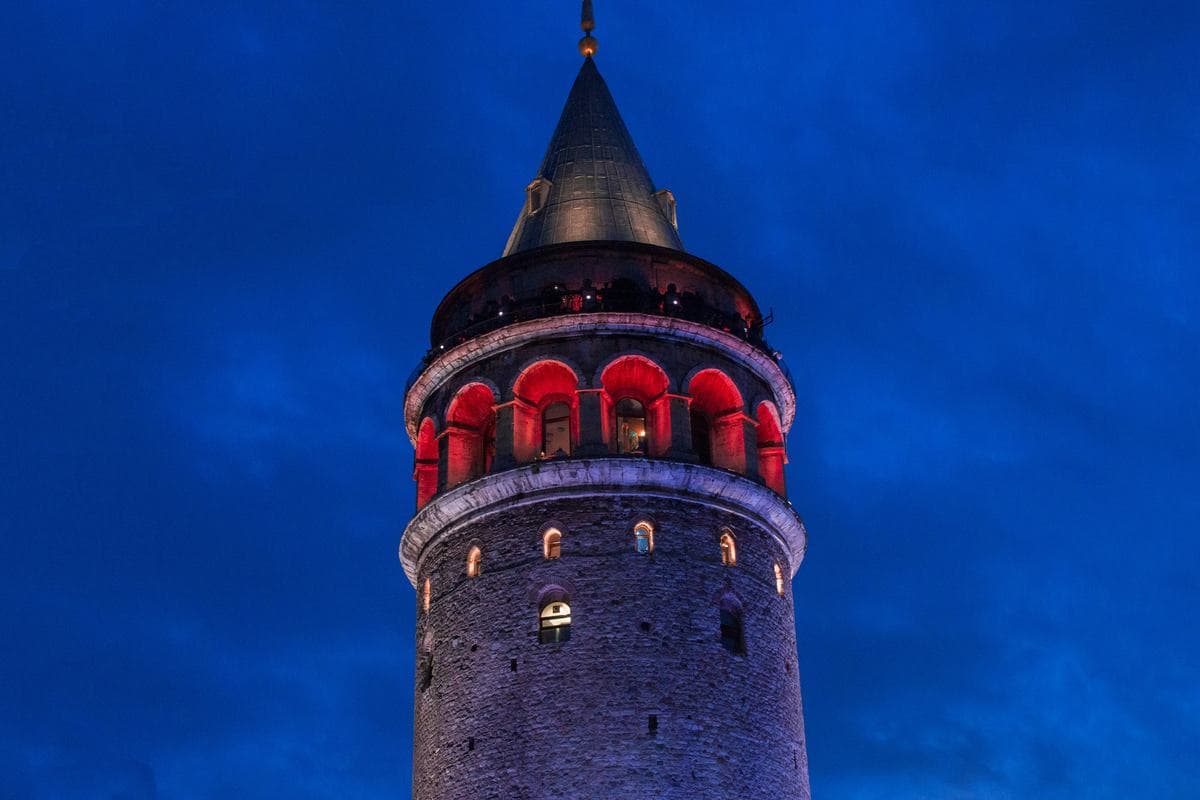
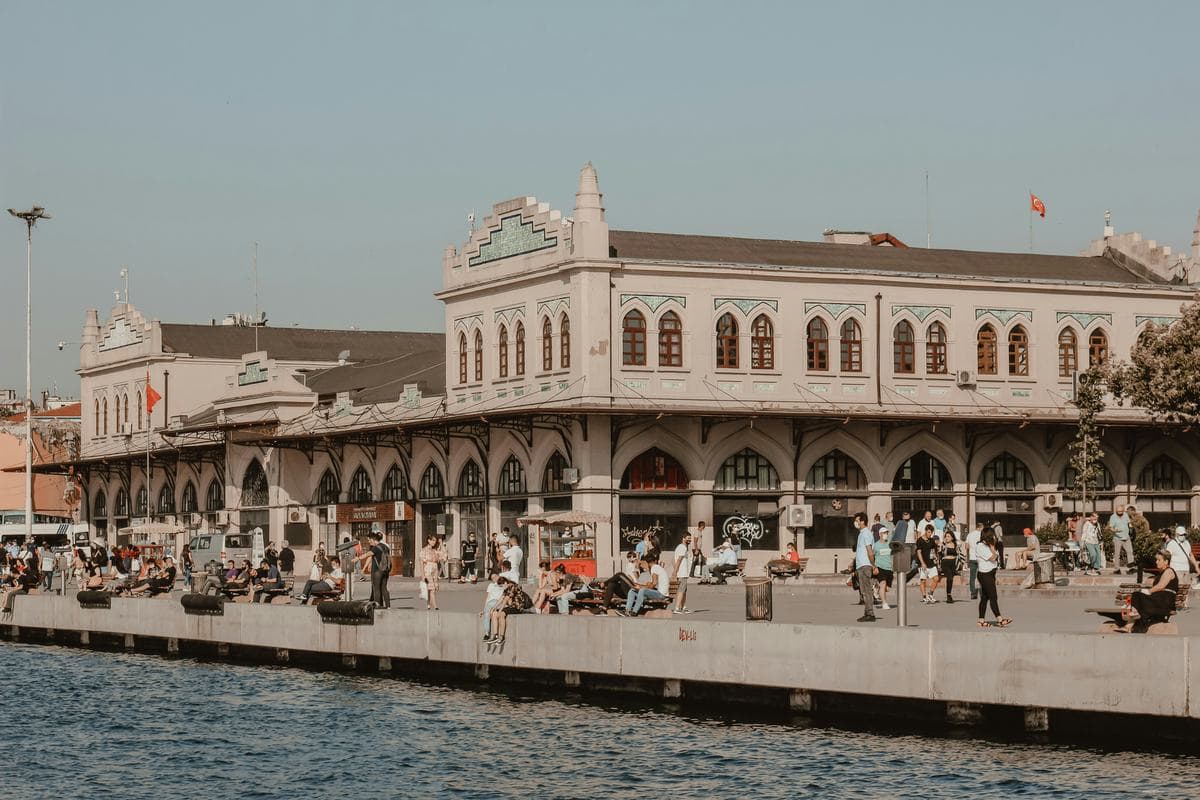
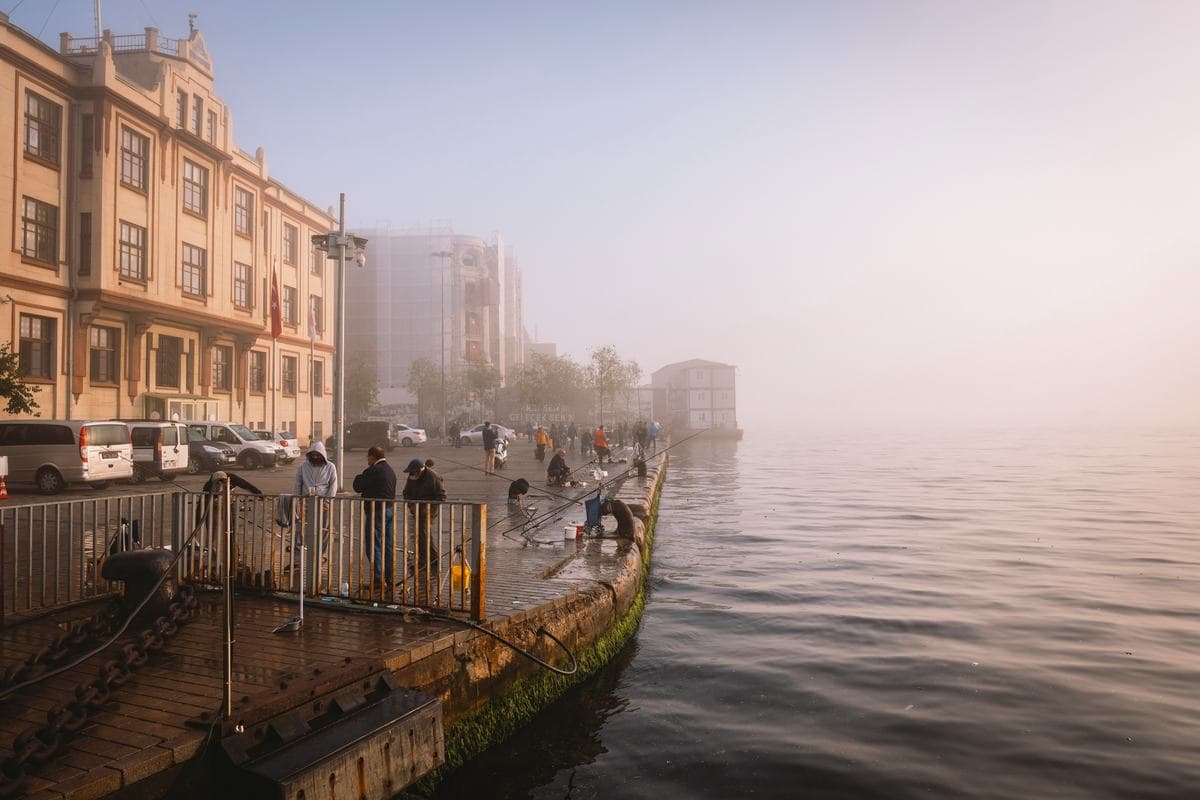
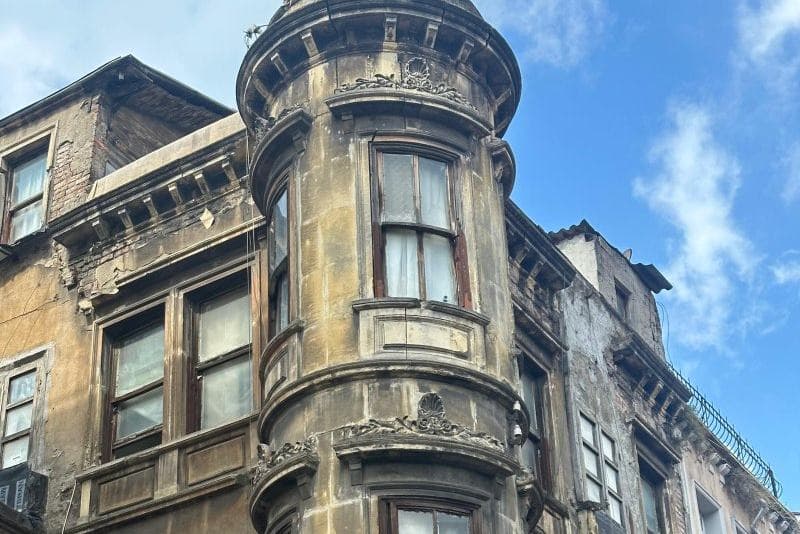
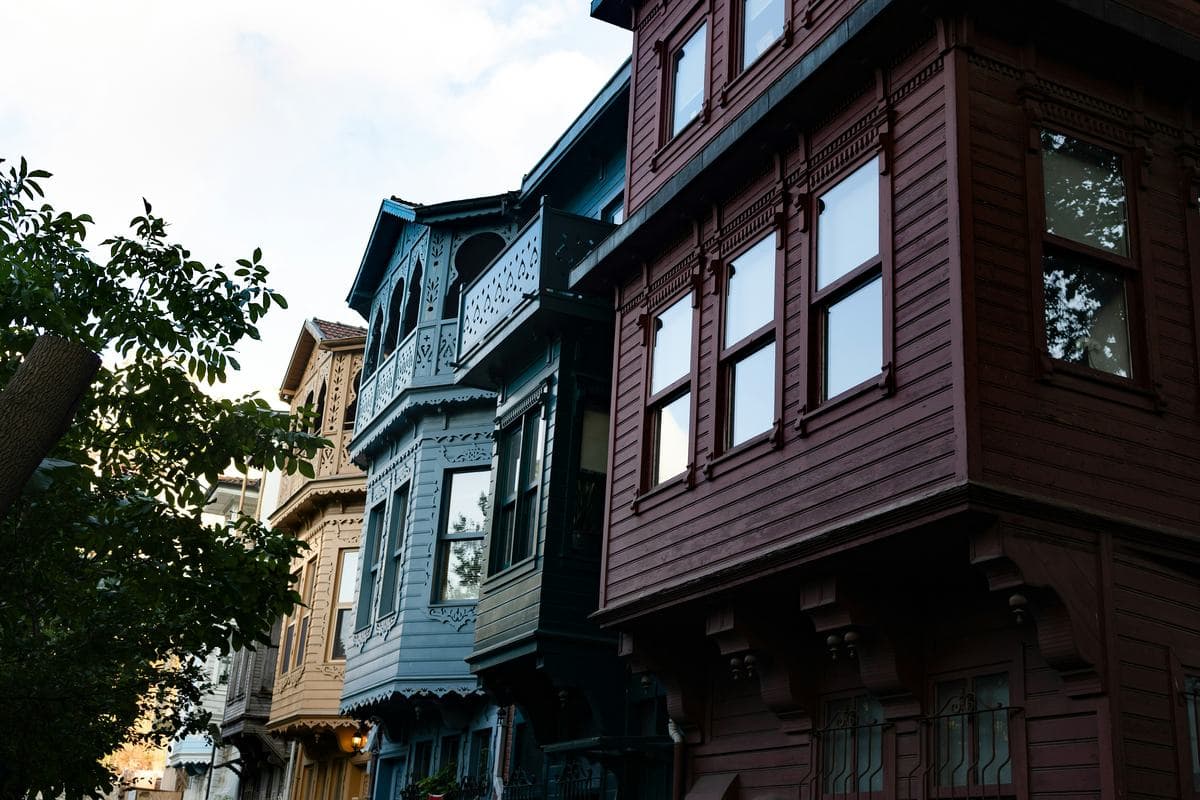
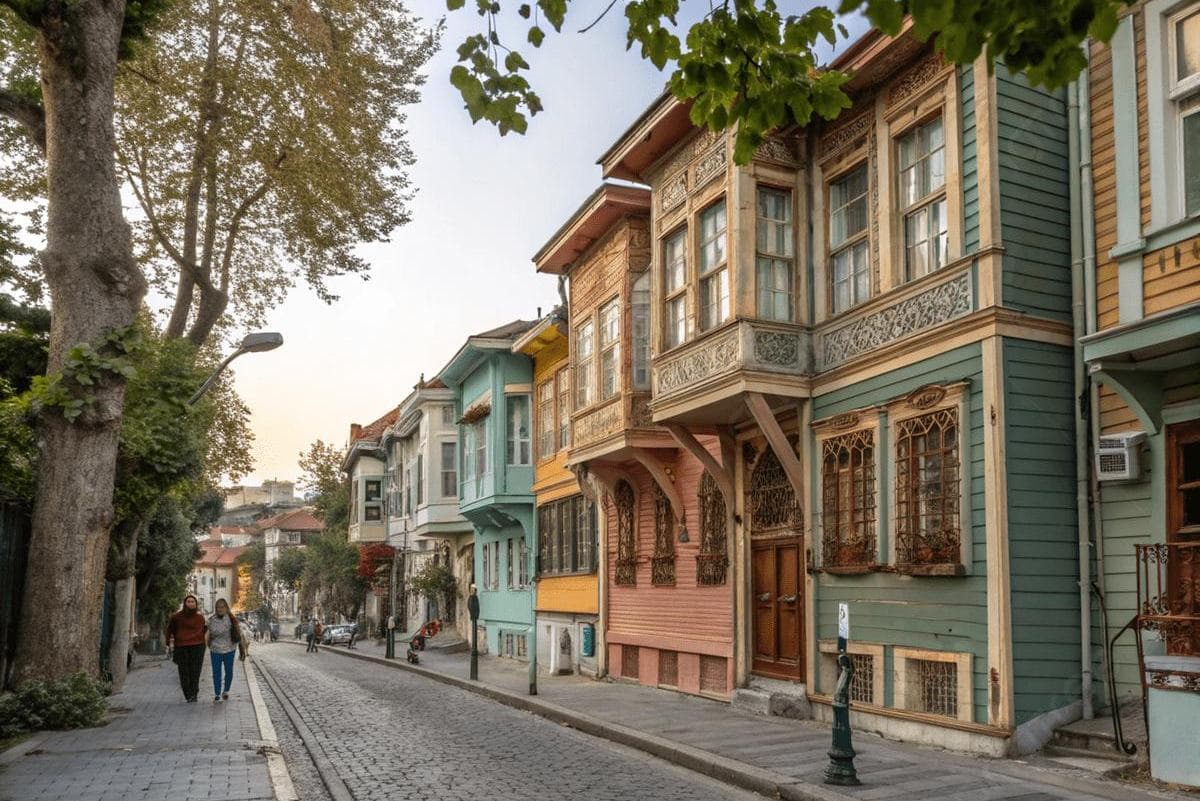
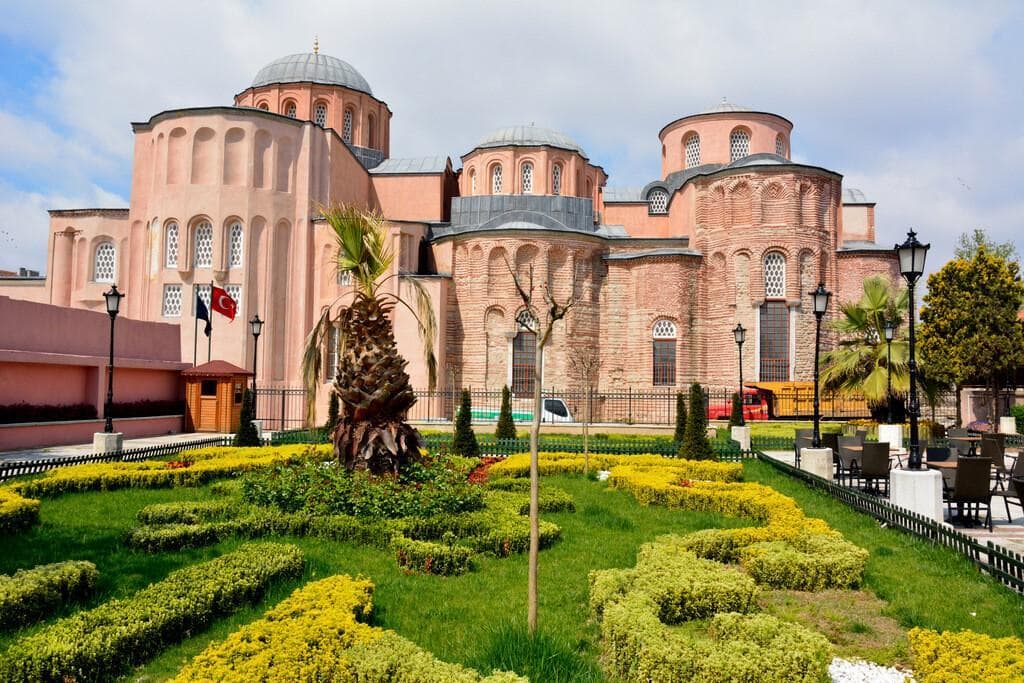
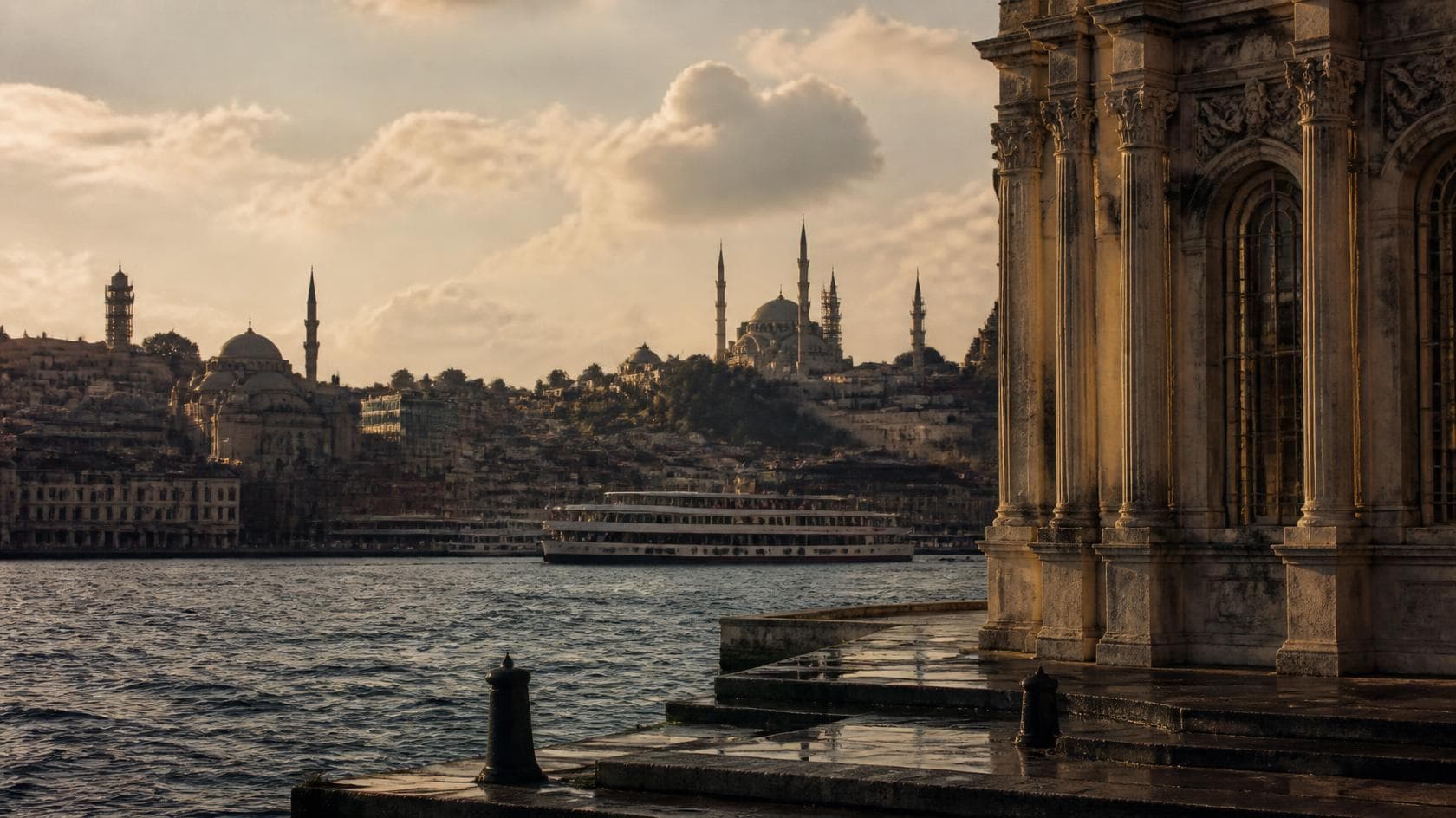
Balat is a historic neighborhood on the southern shore of the Golden Horn, within Istanbul's Historic Peninsula. Its location between the Golden Horn waterfront and the inland slopes of the historic city has shaped its development for centuries.The area formed part of the wider urban landscape of Constantinople during the Byzantine period. Its position near the Golden Horn, the city walls and the imperial Blachernae area contributed to its importance within the historic city. The name Balat is commonly associated with the Greek palation, meaning "palace," and is generally linked to the area's proximity to the Blachernae palace complex. However, the precise history of the name should be treated with some caution, as historical place-name explanations are not always conclusive.Following the Ottoman conquest of Constantinople in 1453, Balat developed as one of the city's important residential and commercial quarters. Jewish communities became particularly prominent in the area, while Greek Orthodox, Armenian and Muslim residents also formed part of its changing social landscape. The neighborhood's religious diversity remains visible in its surviving synagogues, churches and mosques.Balat became especially associated with Istanbul's Jewish community from the Ottoman period onward. Historical research shows that the neighborhood was an important center of Jewish institutional and communal life, with synagogues, schools, charitable institutions and other community organizations. From the 20th century onward, however, many Jewish residents gradually moved to other parts of Istanbul or emigrated, profoundly changing the social character of the neighborhood.The physical and social character of Balat changed significantly during the 20th century. Industrialization around the Golden Horn, migration, changing economic conditions and the decline of traditional commercial activities contributed to the transformation of the neighborhood.By the late 20th century, many of Balat's historic buildings had deteriorated. Conservation efforts subsequently became an important part of the area's history. The Fener-Balat Rehabilitation Programme, supported by the European Union and developed with UNESCO involvement, began implementation in 2003. The programme restored 121 registered buildings and included improvements to the historic Balat market, a social center and other elements of the neighborhood's urban fabric.The rehabilitation programme was not simply conceived as a tourism project. UNESCO's documentation emphasizes the intention to preserve historic buildings while improving living conditions for existing residents. At the same time, later research has highlighted the tensions between heritage conservation, tourism, property investment and the social transformation of the neighborhood.Today, Balat combines historic residential architecture, religious heritage, local businesses, cafés, creative spaces and tourism. Its recent popularity has made the neighborhood one of Istanbul's most recognizable historic urban areas, while its older residential and community life continues alongside this transformation.