Neighborhoods
Kadıköy: From Ancient Chalcedon to Modern Cultural Hub
Neighborhood Boundary
History
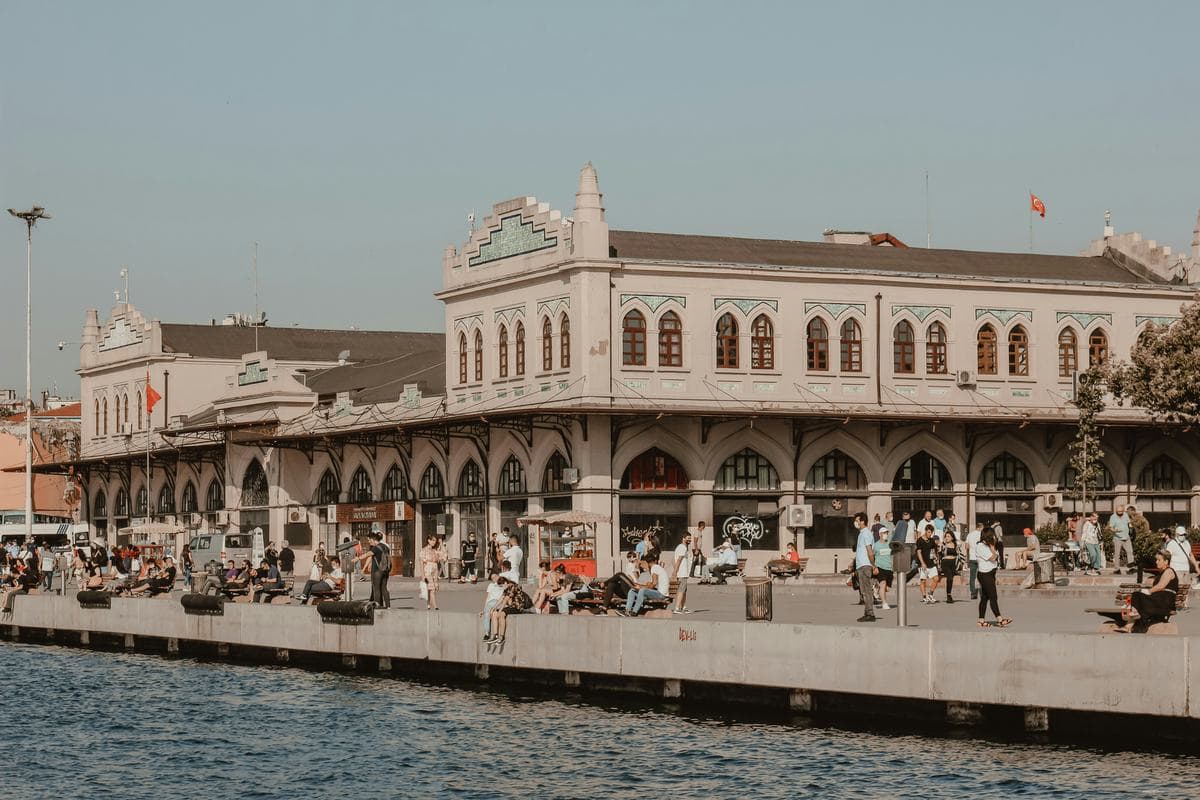
The history of Kadıköy stretches back to antiquity, predating Istanbul itself. Known in ancient times as Chalcedon, it was a prominent settlement established by Greek colonists from Megara around 685 BCE, even before Byzantium (the future Constantinople) was founded across the strait. Often referred to by some ancient writers as the "City of the Blind" for its founders' supposed oversight in choosing the less strategic Asian shore over the superior natural harbor of the Golden Horn, Chalcedon nevertheless developed into a significant port and trading center. Its strategic position on the Anatolian side of the Bosphorus Strait meant it witnessed numerous historical events, including the Council of Chalcedon in 451 CE, a pivotal ecumenical council that shaped early Christian doctrine.
During the Byzantine and later the Ottoman eras, Kadıköy remained a thriving settlement, though its administrative and cultural prominence often lay across the Bosphorus in the imperial capital. It evolved from a collection of villages into a more unified district, known for its fertile lands and waterfront access. The district's multicultural fabric began to solidify during the Ottoman period, attracting diverse communities including Greeks, Armenians, and Jews, who contributed to its unique character. Its proximity to the capital, coupled with its distinct identity, allowed it to flourish as both a residential area and a gateway to Anatolia.
Name Origin
The name Kadıköy is of Turkish origin, meaning "Judge's Village" or "Village of the Judge." This name emerged during the Ottoman period, likely because the area was granted to a kadı (a judge or magistrate) of Istanbul. This designation underscores the area's significance in the Ottoman administrative structure, transitioning from its ancient Greek name to a new identity reflecting its role within the burgeoning empire.
Architecture
Kadıköy's architecture offers a fascinating journey through different historical periods, reflecting its continuous evolution. While traces of its ancient past are largely buried, the district showcases a rich tapestry of Ottoman and Republican-era buildings. Notable architectural styles include:
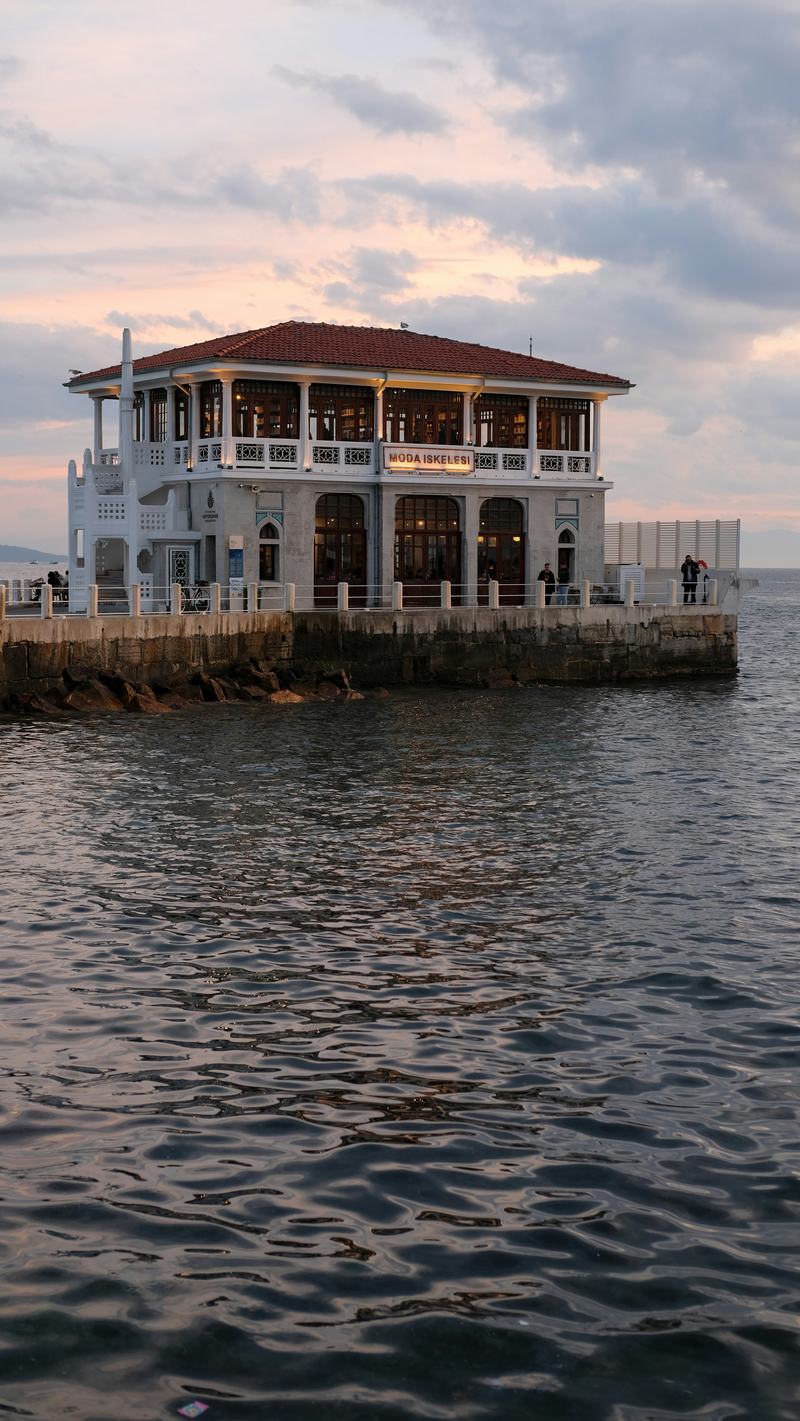
- Ottoman Wooden Houses: Particularly in older residential areas like Moda, one can still find beautifully preserved traditional wooden houses, known as yalı (waterside mansions) or konak (large manor houses), often with intricate detailing and bay windows.
- Art Nouveau and Eclectic Styles: The late 19th and early 20th centuries brought European architectural influences, resulting in elegant apartment buildings and public structures adorned with Art Nouveau motifs and eclectic designs, especially prominent along main avenues.
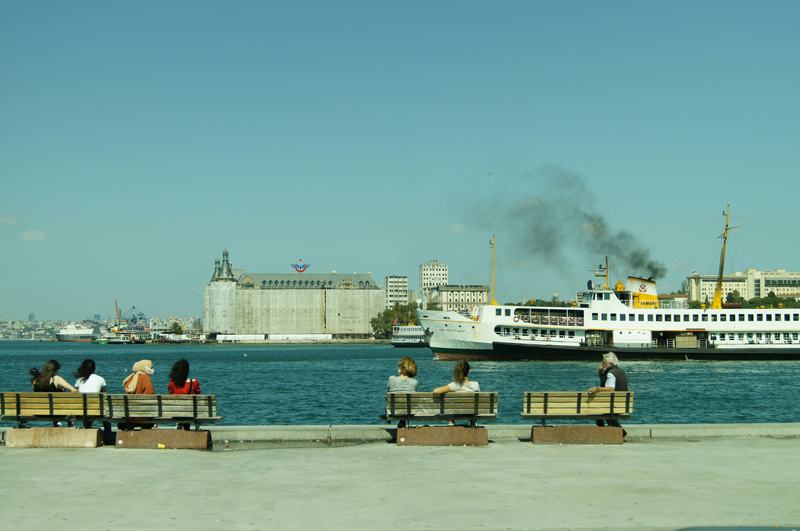
- Haydarpaşa Terminal: While currently undergoing restoration, the majestic Haydarpaşa Terminal, completed in 1909, stands as a grand symbol of German architectural influence in the late Ottoman Empire. Its neo-classical and Baroque elements make it a striking landmark on the waterfront, serving as a historic gateway to Anatolia for decades.
- Modern Apartment Blocks: Reflecting Istanbul's rapid urbanization, many areas of Kadıköy feature contemporary apartment buildings, creating a dynamic blend of old and new that defines its urban landscape today.
Art
Kadıköy has cultivated a reputation as a vibrant center for art and creative culture in Istanbul, often seen as a counterpoint to the more historically commercial European side. Its artistic scene is dynamic and diverse, catering to various tastes. The district is home to:

- Independent Galleries: Numerous small galleries showcase contemporary Turkish artists, often focusing on experimental works and emerging talents.
- Street Art: The backstreets, particularly around Moda and Yeldeğirmeni, are alive with colorful murals and graffiti, transforming urban spaces into open-air canvases and fostering a lively street art culture.
- Live Music Venues: Kadıköy boasts a thriving music scene, with a plethora of bars and clubs offering everything from rock and jazz to traditional Turkish folk and electronic music, making it a hotspot for nightlife and local bands.
- Theaters and Performance Spaces: Beyond mainstream venues, independent theater groups and cultural centers provide platforms for avant-garde performances, film screenings, and workshops, contributing to a rich intellectual and creative ferment.
This thriving artistic community contributes significantly to Kadıköy's distinct, bohemian atmosphere, attracting young artists, musicians, and creatives.
Current Life
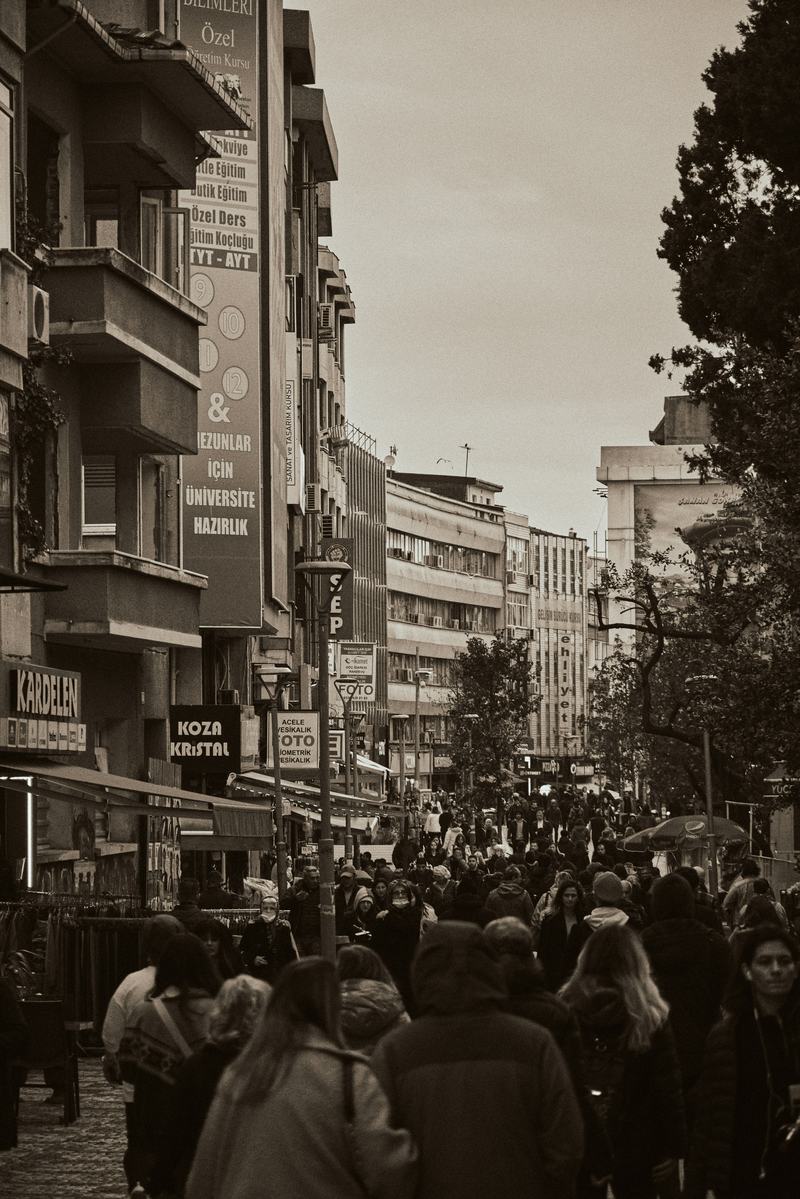
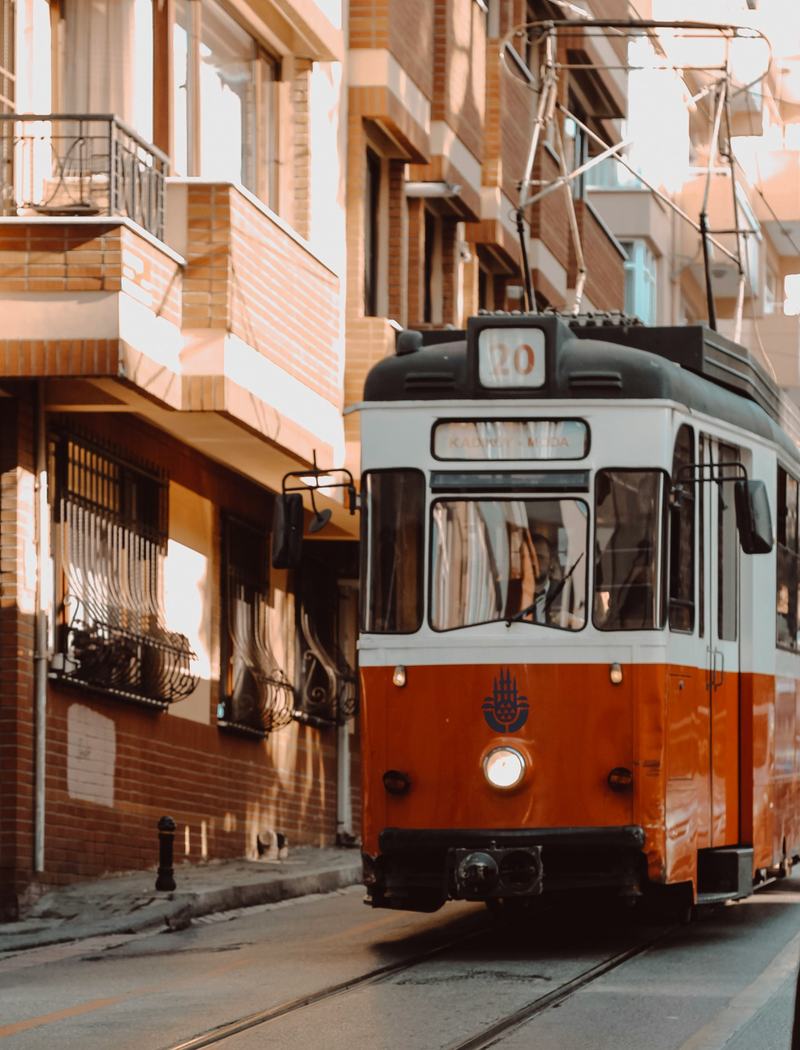
Life in Kadıköy today is characterized by a blend of bustling urban energy, relaxed seaside charm, and a vibrant cultural scene, offering a distinctive experience from the historic European side of Istanbul. It functions as a major transportation hub, with its ferries connecting residents to various points on the Bosphorus, making the commute itself a scenic part of daily life. The district is renowned for its lively Kadıköy Market, a labyrinthine area teeming with fresh produce, fishmongers, spice stalls, and specialty food shops, serving as a culinary heart for both residents and visitors.
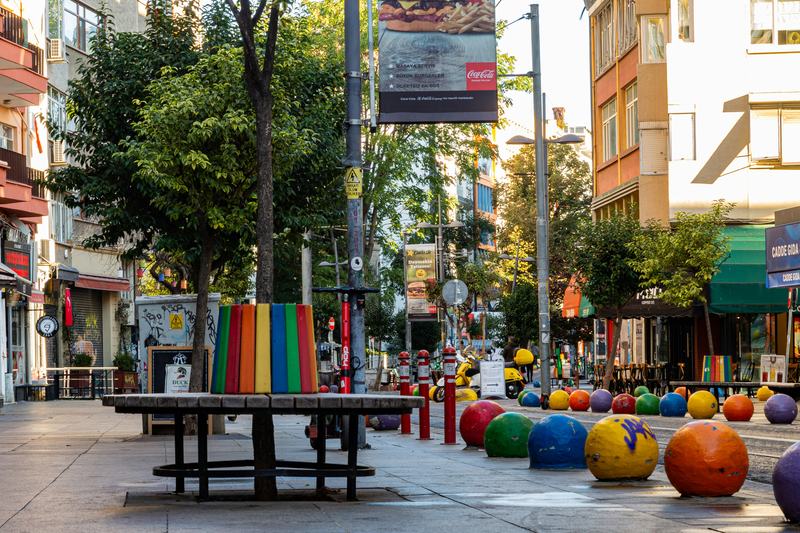
Beyond the market, Kadıköy is a haven for food lovers, boasting an array of restaurants, cafes, and patisseries that range from traditional Turkish cuisine to international flavors. The neighborhood of Moda, with its tree-lined streets, elegant cafes, and seaside promenade, offers a more tranquil, upscale residential feel, popular for leisurely strolls and sunsets over the Marmara Sea. The district’s streets are often animated by street performers, artisans, and students from its various educational institutions, contributing to its youthful and progressive atmosphere. Kadıköy's independent spirit and diverse offerings make it a dynamic and increasingly sought-after place to live and explore in Istanbul.
Frequently asked questions
What is the historical significance of Kadıköy?
Kadıköy, originally known as Chalcedon, has a rich history that predates Istanbul. It was founded by Greek colonists around 685 BCE and was the site of the pivotal Council of Chalcedon in 451 CE, which significantly influenced early Christian doctrine. Throughout the Byzantine and Ottoman periods, it remained a vital settlement, evolving into a multicultural district and a gateway to Anatolia.
What does the name Kadıköy mean?
The name Kadıköy is Turkish and translates to "Judge's Village." This name was given during the Ottoman era, likely because the area was designated to a kadı (a judge or magistrate) of Istanbul.
What kind of architecture can be seen in Kadıköy?
Kadıköy showcases a mix of architectural styles. You can find traditional Ottoman wooden houses (yalı and konak), elegant buildings influenced by Art Nouveau and eclectic styles from the late 19th and early 20th centuries, and modern apartment blocks. The grand Haydarpaşa Terminal, completed in 1909, is a prominent landmark reflecting German architectural influence.
Is Kadıköy known for its art and culture?
Yes, Kadıköy is a thriving center for art and creative culture. It hosts numerous independent galleries, vibrant street art, a dynamic scene of live music venues, and various theaters and performance spaces. This contributes to its distinct, bohemian atmosphere, attracting many artists and creatives.
What is everyday life like in Kadıköy?
Everyday life in Kadıköy is dynamic, blending urban energy with relaxed charm. It's a major transportation hub, with ferries connecting residents across the Bosphorus. The district is famous for its bustling Kadıköy Market, a wide array of culinary options, and the picturesque neighborhood of Moda. Its streets are often lively with street performers and a youthful atmosphere.