Neighborhoods
Karaköy: Istanbul's Historic Port and Cultural District
History
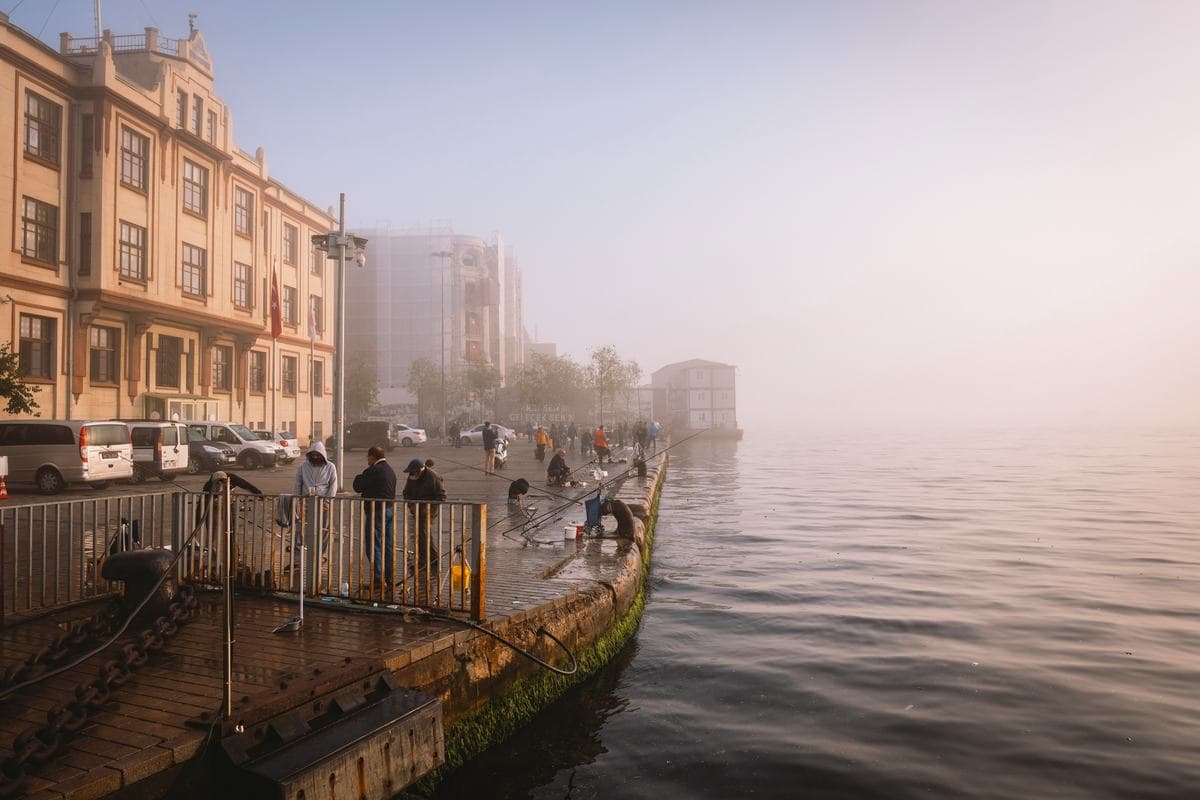
Karaköy's story is deeply intertwined with Istanbul's maritime heritage, serving for centuries as a vital port and commercial gateway. Its strategic location at the confluence of the Bosphorus and the Golden Horn made it a bustling hub for trade and finance.
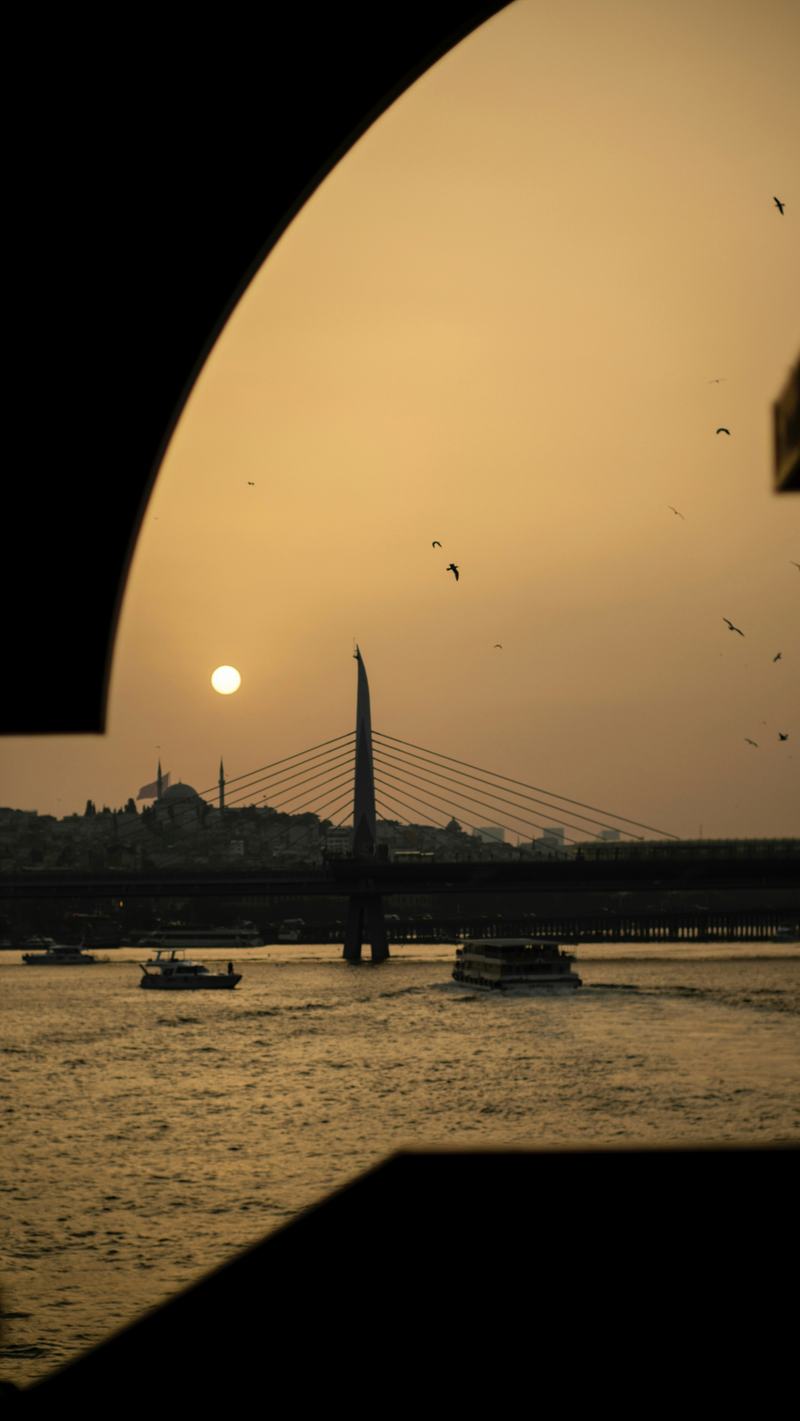
Under the Ottoman Empire, Karaköy developed into Istanbul's primary financial district, attracting merchants, bankers, and traders from across the globe. This era saw the rise of a truly multicultural community, with significant populations of Greeks, Armenians, Jews, and Levantines establishing homes and businesses here. Each community contributed to the district's vibrant economic and social fabric, building their own churches, synagogues, and institutions that stand to this day.
The late 19th and early 20th centuries marked a period of intense modernization and European influence, transforming Karaköy into a center for international trade and banking. Following the establishment of the Turkish Republic, Karaköy maintained its commercial importance, though its character slowly began to evolve. In recent decades, particularly since the early 21st century, the neighborhood has experienced a significant revitalization, blending its historic commercial roots with a burgeoning contemporary arts and culture scene.
Name Origin
The name Karaköy is widely believed to derive from the Turkish phrase 'Kara Köy', meaning 'Black Village'. However, sources differ on the precise reason for this appellation. One common theory suggests it refers to the historical presence of the Karai, a Turkic-speaking Jewish community, who reportedly settled in the area. Another interpretation posits that 'kara' (black) might refer to the dark, bustling nature of a port district, or perhaps even a less literal meaning, such as 'main' or 'central'.
Architecture
Karaköy's architecture is a testament to its layered history, showcasing a fascinating blend of styles that reflect its past as an international port and financial center. The area is particularly notable for its fin-de-siècle buildings, many of which were constructed in the late 19th and early 20th centuries by European architects, often in Art Nouveau or Neoclassical styles. These grand structures once housed banks, insurance companies, and foreign consulates, characterized by their ornate facades, high ceilings, and elaborate ironwork.
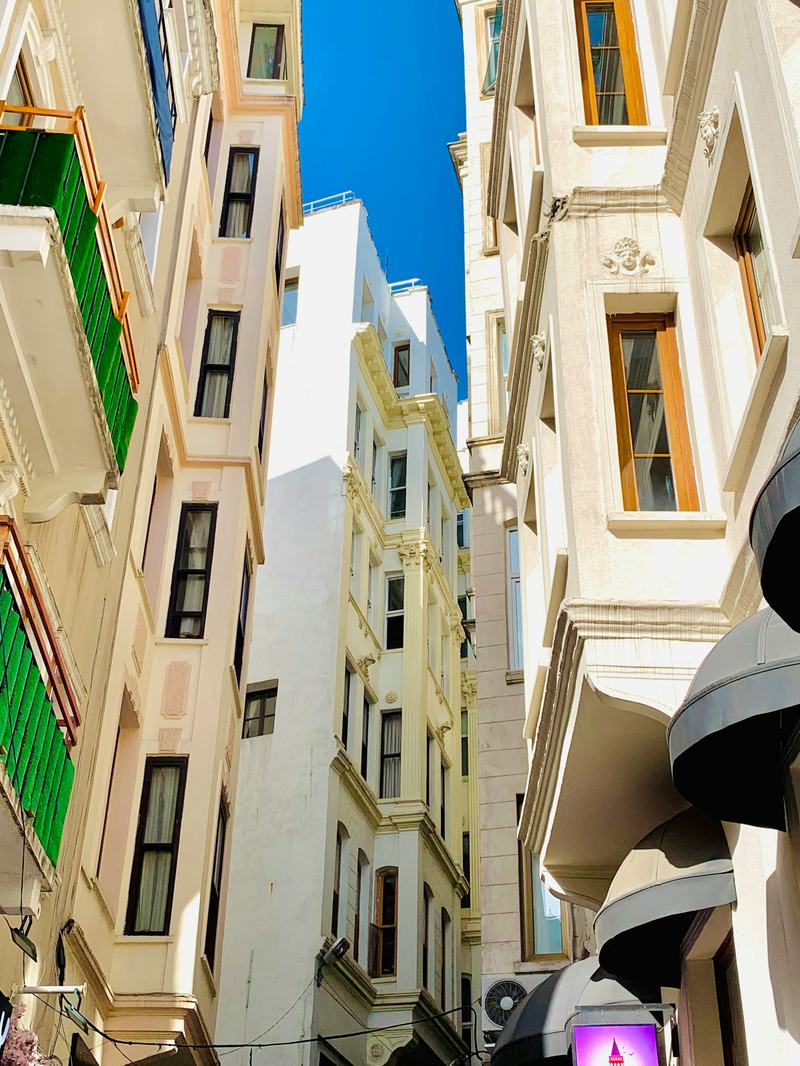
- Historical Commercial Buildings: Many multi-story buildings along the main thoroughfares, originally built for trade and finance, now host art galleries, design stores, and cafés.
- Religious Structures: The district's multicultural past is evident in the numerous places of worship, including Greek Orthodox churches, Armenian churches, and synagogues, often tucked away on side streets.
- Port Structures: Remnants of its port identity, such as historic warehouses and customs buildings, have been repurposed, often maintaining their original industrial character while serving new functions.
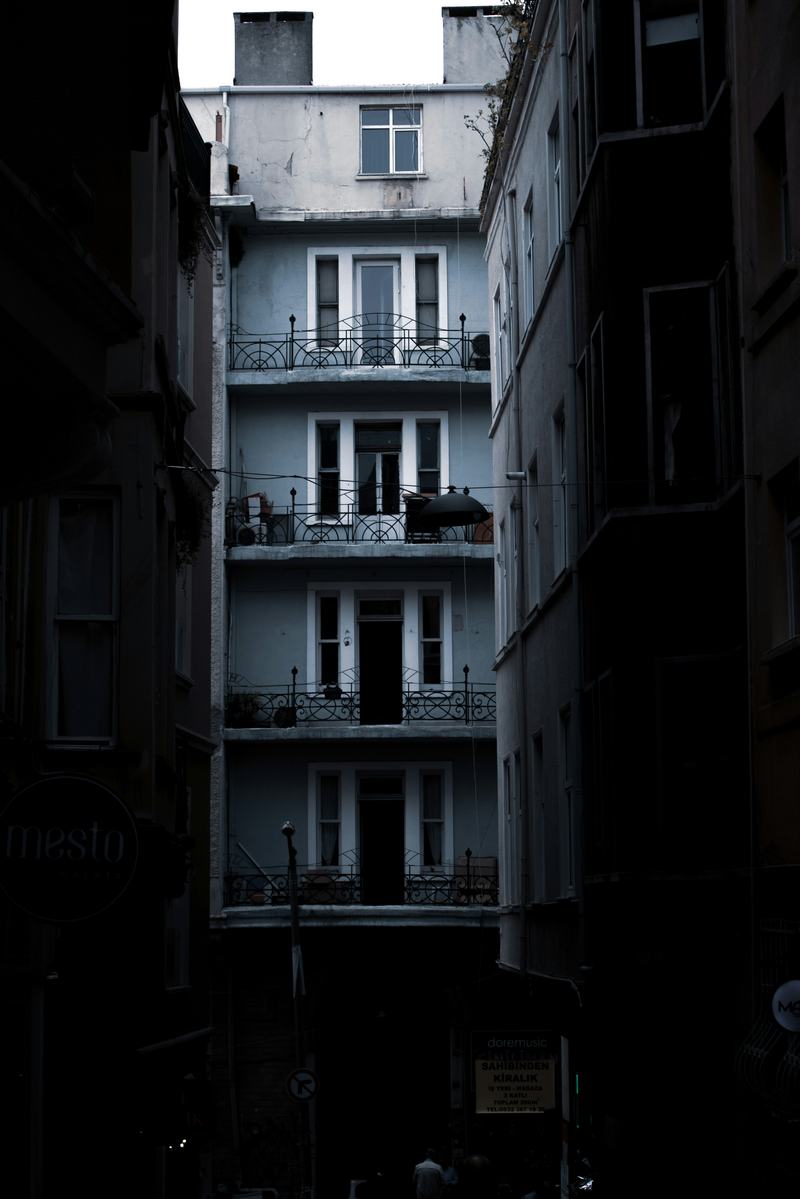
The recent revitalization has also introduced modern architectural elements, with contemporary renovations and new constructions integrating with the historic fabric, creating a dynamic visual landscape.
Art
In recent years, Karaköy has emerged as a significant hub for contemporary art and creative culture in Istanbul. This transformation has seen former industrial spaces and historic commercial buildings reimagined as galleries, design studios, and performance venues.
The neighborhood now hosts numerous independent art spaces and exhibition halls, drawing artists and art enthusiasts alike. Street art also contributes to Karaköy's creative atmosphere, with murals and installations frequently appearing on its walls and alleys. The district's unique blend of old and new provides an inspiring backdrop for artistic expression.
- Contemporary Art Galleries: A growing number of galleries showcase works by both established and emerging Turkish and international artists.
- Design Studios: Many local designers have chosen Karaköy for their studios and showrooms, contributing to its reputation as a center for contemporary design.
- Boutique Shops: Alongside art, the area is home to shops offering artisanal products, fashion, and unique design objects.
This creative surge has injected new energy into Karaköy, positioning it as a dynamic cultural destination within Istanbul.
Current Life
Today, Karaköy is a vibrant intersection of Istanbul's past and present, where historic commercial activity coexists with a burgeoning modern cultural scene. The district remains a bustling thoroughfare, with ferries connecting it to the Asian side and other parts of the Golden Horn, including areas like Fener: Istanbul's Historic Greek Quarter. Dockworkers and fishermen still operate alongside tourists and young locals exploring its trendy cafes and art spaces.
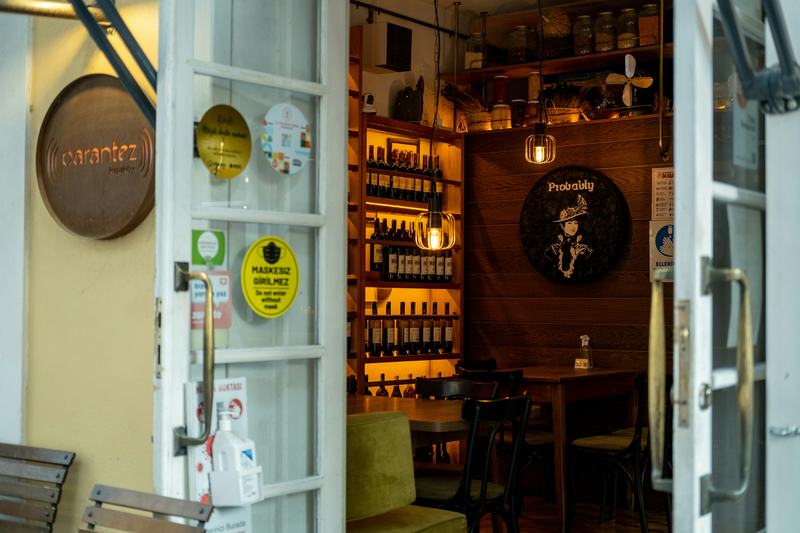
During the day, the streets are alive with the sounds of commerce, as people navigate the narrow lanes filled with hardware stores, electrical supply shops, and traditional eateries. By evening, a different energy takes over, with many of the cafes, restaurants, and bars becoming lively gathering spots. This dual character makes Karaköy a unique experience: it is both a working port district and a fashionable urban destination.
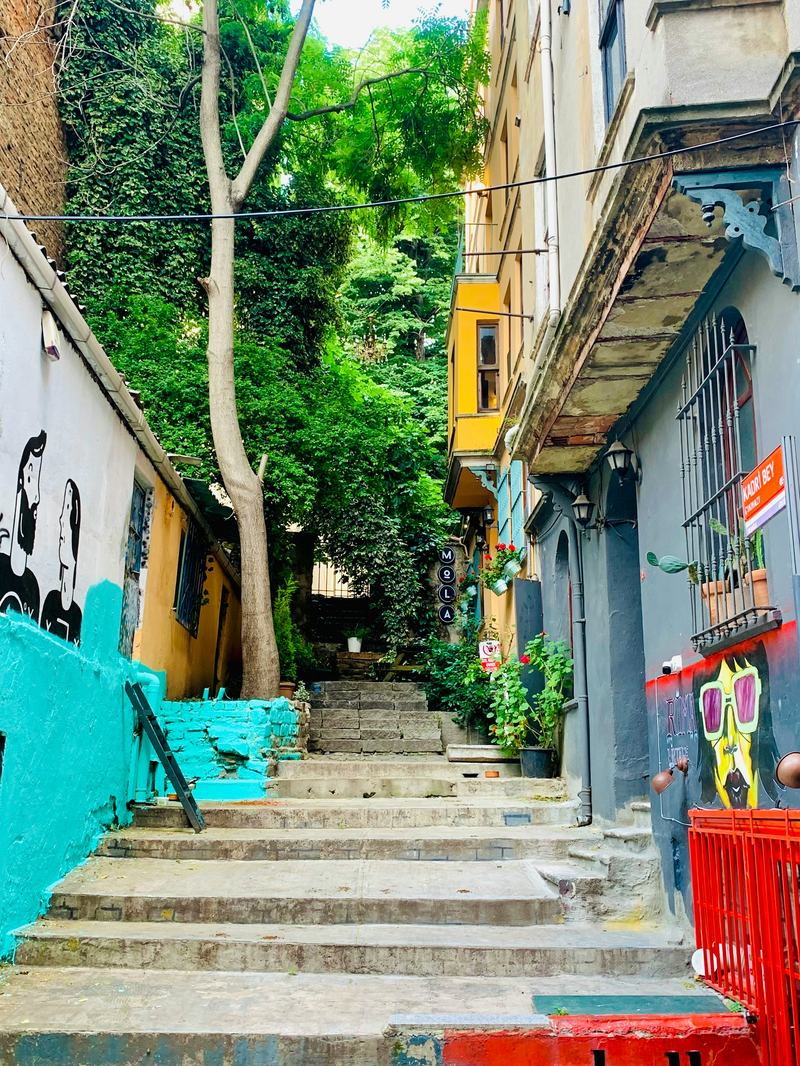
Life in Karaköy reflects Istanbul's constant evolution, offering a glimpse into how a historic area can reinvent itself while retaining its authentic spirit. It attracts a diverse crowd, from long-time residents and shopkeepers to students, artists, and international visitors drawn to its dynamic atmosphere.
Frequently asked questions
What is the historical significance of Karaköy?
Karaköy has been Istanbul's main port and financial district for centuries, playing a crucial role in international trade and commerce. Its history is marked by a multicultural past, where communities of Greeks, Armenians, Jews, and Levantines contributed to its economic and social vibrancy, leaving behind a rich architectural and cultural legacy.
What kind of architecture can be found in Karaköy?
Karaköy features a diverse architectural landscape, predominantly characterized by fin-de-siècle buildings from the late 19th and early 20th centuries. These structures often display Art Nouveau or Neoclassical styles, reflecting its past as an international financial center. The area also includes historic port buildings, repurposed warehouses, and numerous religious structures from its multicultural past, alongside modern architectural interventions.
Is Karaköy a good neighborhood for art and culture?
Yes, Karaköy has transformed into a prominent hub for contemporary art and culture in Istanbul. It is home to many art galleries, design studios, and unique boutiques. Former industrial and commercial spaces have been converted into exhibition venues and creative hubs, making it a dynamic area for artists, designers, and cultural enthusiasts.
What is daily life like in Karaköy today?
Daily life in Karaköy is a blend of its historic commercial roots and its modern cultural identity. It remains an active port and trade district during the day, with traditional shops and bustling activity. In the evenings, it transforms into a lively social hub with popular cafes, restaurants, and bars. This combination creates a unique atmosphere where old and new Istanbul coexist dynamically.
Written by Istanbook Editorial Team