
Neighborhoods
Arnavutköy: A Bosphorus Neighborhood's Greek Legacy
History
Nestled along the European shore of the Bosphorus, Arnavutköy has long been a place where the grandeur of Istanbul meets the tranquil rhythm of a fishing village. Its strategic location, commanding expansive views of the strait, made it an important settlement through various eras. During the Byzantine period, it was known for its fertile lands and as a gateway to the Black Sea. Under Ottoman rule, Arnavutköy flourished, becoming a significant residential area, particularly favored by non-Muslim communities.
The neighborhood's maritime character is deeply ingrained in its history, with fishing and seafaring forming the backbone of its economy for centuries. The Bosphorus itself has been the lifeblood, influencing not only the livelihoods but also the distinct architectural style and social fabric of the area. Arnavutköy's story is one of resilience and transformation, adapting from a quiet waterside retreat to a vibrant contemporary hub, all while retaining its unique historical essence.
Name Origin
The name Arnavutköy literally translates from Turkish as “Albanian Village.” Sources suggest this name emerged during the Ottoman era, possibly referring to a community of Albanians who settled in the area at some point. While the exact circumstances of its naming are subject to historical inquiry, the name reflects a common practice in Ottoman Istanbul of neighborhoods being named after the ethnic groups that predominantly settled there.
Communities
Arnavutköy's past is rich with multicultural layers, with the Greek Orthodox community playing a particularly prominent role in shaping its identity. For centuries, Greeks formed a significant portion of Arnavutköy's population, contributing to its vibrant cultural and economic life. Their presence is still visible in the neighborhood's urban fabric, though less overt today, through surviving religious structures and the enduring spirit of its historic architecture.
Beyond the Greek community, Arnavutköy was a place where various ethnic and religious groups coexisted, reflecting the broader cosmopolitan nature of historic Istanbul. This blend of cultures contributed to a unique social environment, where traditions, languages, and customs intertwined along the Bosphorus, leaving an indelible mark on the neighborhood's character.
Architecture
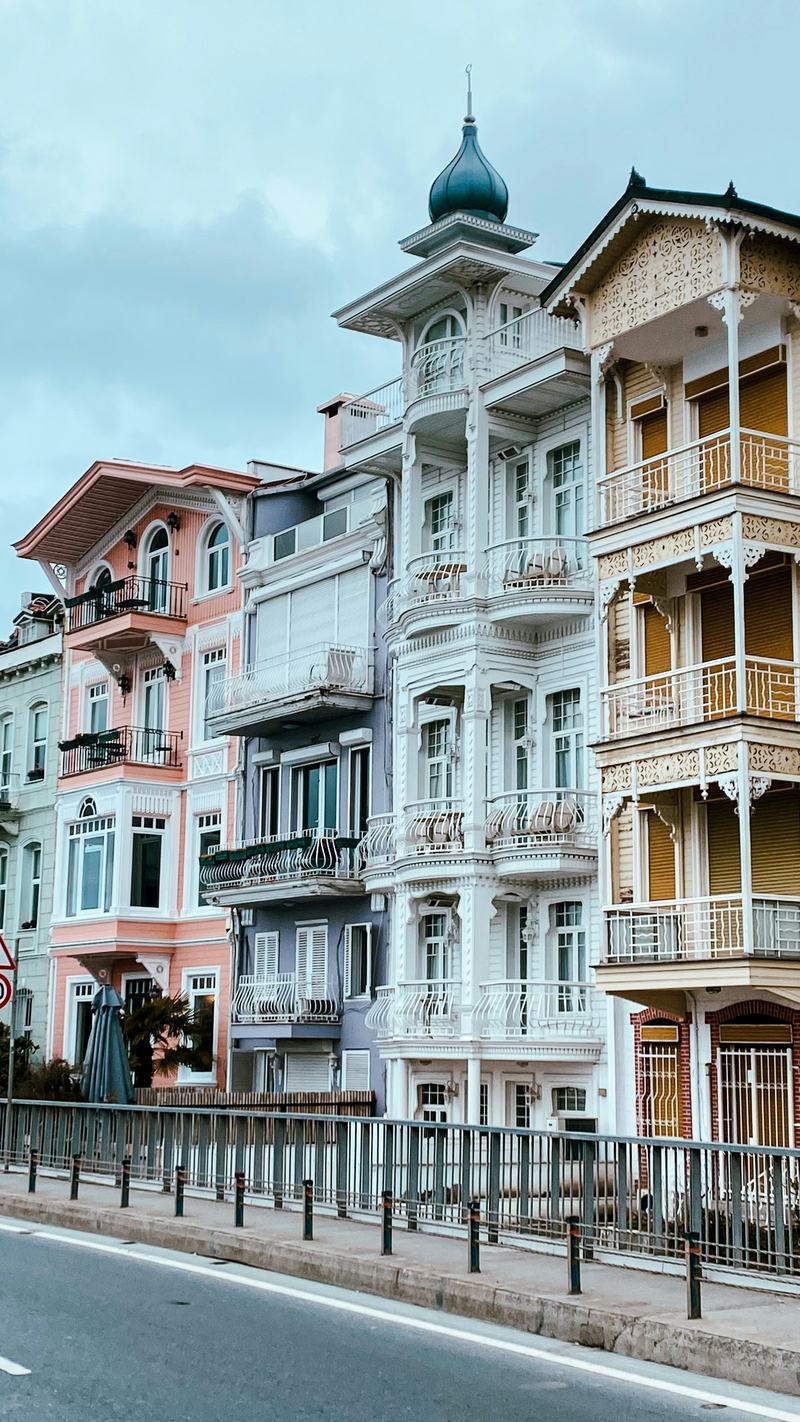
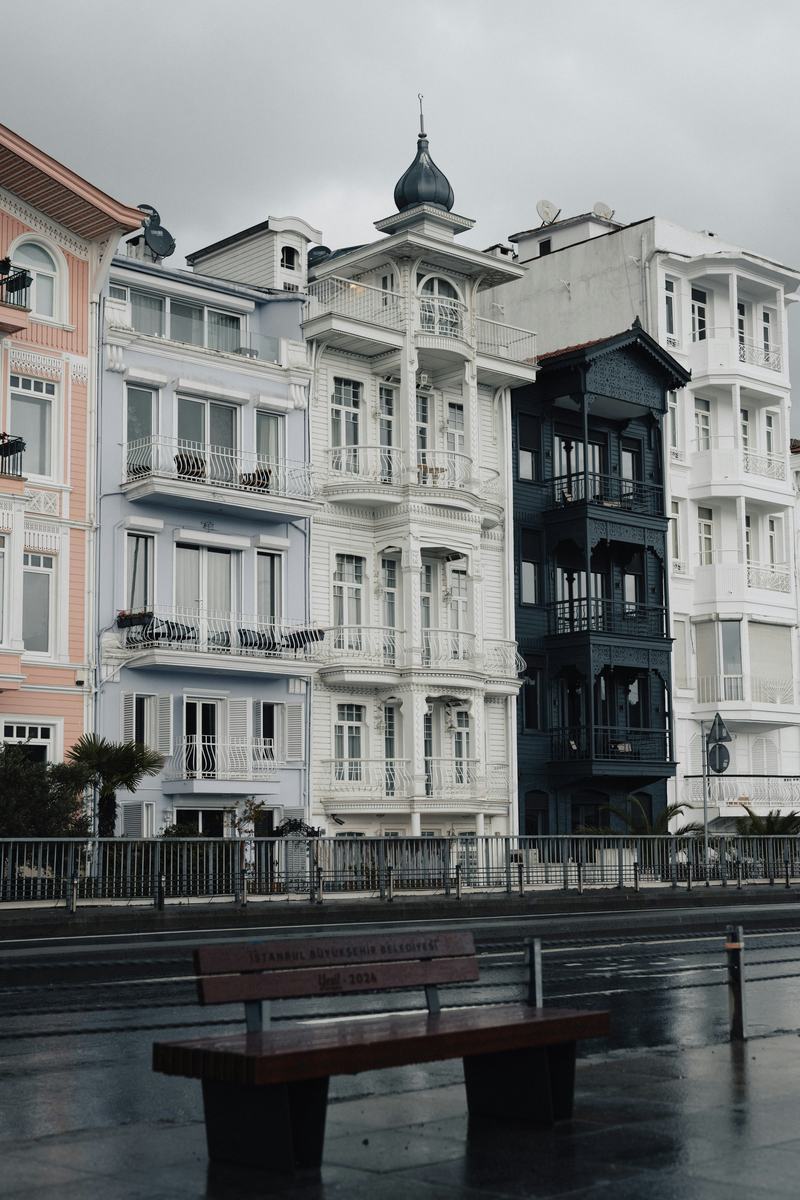
Arnavutköy is celebrated for its distinctive architectural heritage, particularly its array of historic wooden houses known as yalı and traditional Istanbul residences. These structures, often painted in vibrant hues, line the steep, winding streets, creating a picturesque and timeless atmosphere. Many of the yalı, some dating back to the 18th and 19th centuries, are exquisite examples of Ottoman-era domestic architecture, showcasing intricate woodwork, bay windows, and direct access to the Bosphorus.
- Bosphorus Yalı: Grand wooden mansions directly on the waterfront, symbolizing luxury and status in Ottoman times.
- Traditional Istanbul Houses: Multi-storied wooden homes with characteristic oriel windows (cumba) that project over the street, allowing residents views of the Bosphorus and surrounding activity.
- Ecclesiastical Buildings: Though fewer remain, the architecture of historic churches once served as prominent landmarks for the Greek community, contributing to the neighborhood's unique skyline.
The preservation of these unique wooden structures is a key aspect of Arnavutköy's charm, reflecting a bygone era while continuing to define its visual identity today.
Art
While not traditionally known as a center for contemporary art galleries, Arnavutköy's unique aesthetic and atmospheric charm have long made it a subject and source of inspiration for artists, photographers, and writers. The interplay of its historic wooden houses, the shimmering Bosphorus, and the dramatic light of Istanbul creates a living canvas. Its serene beauty and nostalgic ambiance contribute to a rich visual culture that residents and visitors alike appreciate.
The artistic expression in Arnavutköy often manifests in the careful restoration of its historic buildings, where craftsmanship is valued, and the neighborhood's unique character is preserved as a work of art in itself. Local cafes and boutiques sometimes feature works by local artisans, drawing inspiration from the Bosphorus and the district's rich past.
Current Life
Today, Arnavutköy maintains a delicate balance between its storied past and a lively contemporary present. It has become one of Istanbul's most sought-after neighborhoods, drawing in both locals and visitors with its charming streets, upscale dining, and vibrant nightlife. Despite its increasing popularity, it has managed to retain much of its historic character, with many of its iconic wooden houses meticulously preserved.
- Bosphorus Waterfront: A popular promenade for strolls, offering stunning views of the Asian side of Istanbul and passing ships.
- Dining and Cafes: A hub for trendy restaurants, fish eateries, and cozy cafes, many offering al fresco dining with Bosphorus vistas.
- Residential Charm: It remains a desirable residential area, with a strong sense of community that blends long-time residents with new arrivals drawn to its unique atmosphere.
Life in Arnavutköy continues to revolve around the Bosphorus, with its rhythms still dictating the pace and offering a picturesque backdrop to daily activities.
Frequently asked questions
What does the name 'Arnavutköy' mean?
The name Arnavutköy directly translates from Turkish as “Albanian Village.” This name is believed to have originated during the Ottoman era, referring to an Albanian community that settled in the area.
What kind of architecture is Arnavutköy known for?
Arnavutköy is famous for its distinctive Ottoman-era wooden houses. These include grand yalı mansions situated directly on the Bosphorus waterfront and charming, multi-storied traditional Istanbul homes with bay windows that line its steep streets. Many of these structures are painted in vibrant colors.
What historical communities are associated with Arnavutköy?
Historically, the Greek Orthodox community played a significant role in shaping Arnavutköy's cultural and economic life for centuries. The neighborhood also saw various other ethnic and religious groups coexisting, contributing to its rich multicultural heritage.
Is Arnavutköy a good place to visit for tourists today?
Yes, Arnavutköy is a very popular neighborhood for visitors today. It offers a charming blend of historic architecture, scenic Bosphorus views, and a lively contemporary scene with many acclaimed restaurants, cafes, and a pleasant waterfront promenade.
What is a <em>yalı</em>?
A yalı is a type of Ottoman-era wooden mansion typically built directly on the shores of the Bosphorus. These grand residences were historically owned by wealthy families and often feature intricate designs, bay windows, and private boat access, symbolizing a luxurious lifestyle.
How has the Bosphorus influenced Arnavutköy?
The Bosphorus has profoundly influenced Arnavutköy's identity, history, and daily life. It dictated its maritime character, supported fishing livelihoods, and inspired the unique waterfront architecture of its yalı. Today, it continues to provide a scenic backdrop for residential life, dining, and leisurely strolls, remaining central to the neighborhood's charm.