Neighborhoods
Çengelköy: Istanbul's Historic Bosphorus Village
Neighborhood Boundary
History
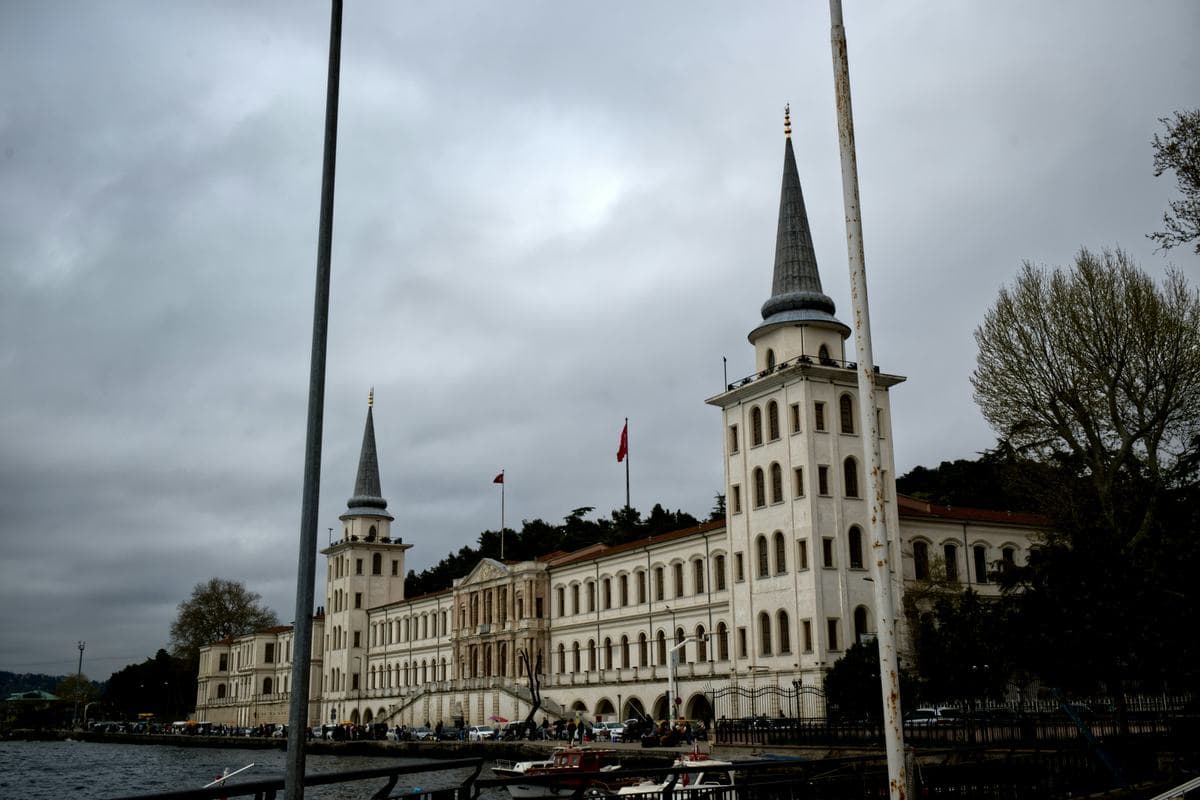
Nestled on Istanbul's Asian shore, Çengelköy carries the timeless charm of a Bosphorus village, a character it has largely preserved despite the city's relentless expansion. Its history is deeply intertwined with the Bosphorus itself, serving as a quiet retreat from the imperial bustle of the city's European side for centuries.
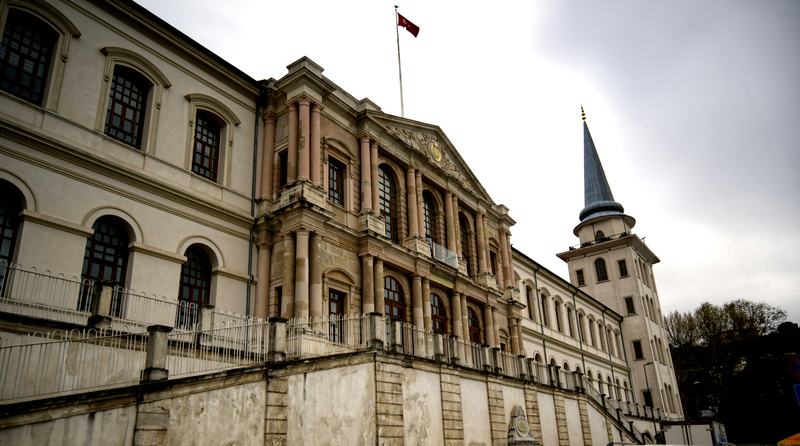
Historically, Çengelköy was known for its fertile gardens and orchards, particularly famous for a distinctive variety of small, crunchy cucumbers, the 'Çengelköy hıyarı,' which became a staple in Ottoman cuisine. Its strategic location on the strait meant it witnessed the ebb and flow of maritime life, from fishing boats to imperial caiques.
During the Ottoman era, the village became a favored location for summer residences, with grand wooden mansions, known as yalı, dotting its waterfront. These structures served as seasonal homes for wealthy pashas and dignitaries, testament to the area's serene beauty and cooler breezes. Over time, it evolved into a residential hub, retaining much of its historical fabric and a palpable connection to its past as a tranquil Bosphorus haven.
Name Origin
The name Çengelköy, meaning 'Anchor Village' or 'Hook Village' in Turkish, is widely believed to have originated from a significant anchor found here. Local tradition holds that a large ship's anchor (çengel) was discovered in the area, leading to the village being named after it. While the exact historical incident remains somewhat elusive, this story has long been associated with the identity of the neighborhood, highlighting its deep connection to maritime life on the Bosphorus.
Communities
Çengelköy's demographic tapestry historically reflected the diverse composition typical of many Bosphorus villages. For centuries, it was a home to a significant Greek Orthodox community, whose presence contributed to the village's cultural and architectural landscape. Alongside them, various Ottoman communities, including Turks, resided here, creating a harmonious blend of traditions and everyday life. The shared reliance on the Bosphorus for livelihood, whether through fishing or trade, fostered a sense of shared identity.
While the ethnic makeup has shifted over time, the echoes of this diverse heritage can still be perceived in the remaining historical structures and the enduring character of the neighborhood. This spirit of coexistence, where different cultures lived side-by-side, is a hallmark that Çengelköy shares with other historic Bosphorus settlements like Kuzguncuk, Istanbul: A Village of Coexistence.
Architecture
The architecture of Çengelköy is a vivid narrative of its past, characterized by elegant Ottoman-era wooden houses and stately waterfront mansions, known as yalı. These structures, often adorned with intricate woodwork and bay windows, offer glimpses into the opulent lifestyle of bygone eras and are central to the village's picturesque charm.
- Many of the surviving yalı showcase sophisticated craftsmanship, typically built from wood with distinct Ottoman residential styles.
- Away from the immediate waterfront, narrow, winding streets reveal charming older houses, often with small gardens, reflecting a more modest yet equally evocative architectural heritage.
- Historic religious buildings, though fewer in number today, punctuate the landscape, serving as reminders of the village's multi-ethnic past.
The gentle slopes leading up from the Bosphorus are still dotted with traditional homes, some beautifully preserved, contributing to Çengelköy’s unique visual identity as a historic Bosphorus settlement.
Art
Çengelköy's art and creative culture are less about formal institutions and more about the intrinsic aesthetic appeal of the place itself, which has historically inspired artists and writers. The village's tranquil ambiance, its iconic Bosphorus views, and the charm of its historic architecture have long served as a muse.
- The picturesque waterfront and traditional streetscapes have been captured in countless paintings and photographs, reflecting the timeless beauty of Bosphorus life.
- The artistry is also evident in the craftsmanship of the historic yalı and wooden houses, where intricate detailing and traditional building techniques represent a form of cultural heritage and architectural art.
- While not a hub for contemporary galleries, Çengelköy fosters a quieter, more reflective creative spirit, perhaps best expressed in the preserved beauty of its environment and the daily rhythms of its residents who live amidst such a historical backdrop.
Current Life
Today, Çengelköy strikes a delicate balance between its historic village identity and the demands of modern urban life. It maintains a distinct sense of community, a quality increasingly rare in Istanbul.
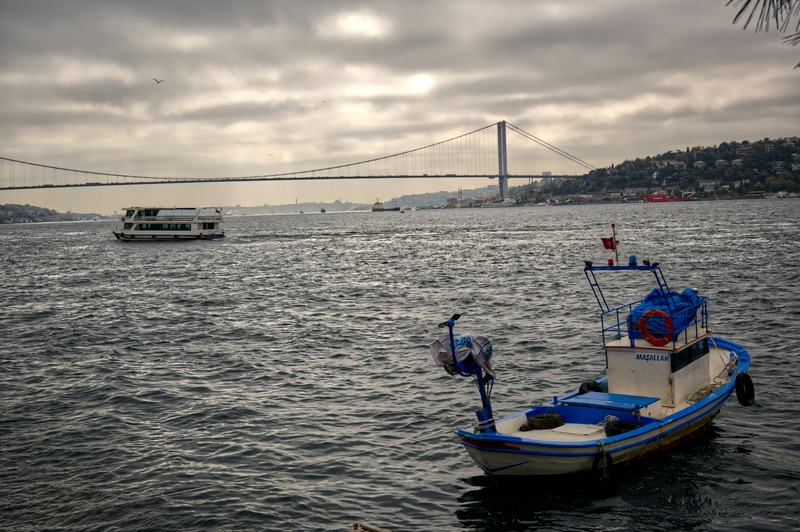
Life here often revolves around the Bosphorus. The waterfront promenade is a focal point, where locals gather at the numerous tea gardens and fish restaurants, enjoying the scenic views. You can find residents sipping tea, fishing from the shore, or simply watching the ferryboats glide by. The village center still hosts a local market, providing fresh produce and reinforcing a sense of traditional commerce.
While it has become a desirable residential area, attracting those seeking a quieter, more rooted existence, Çengelköy has largely resisted over-commercialization. It offers a slower pace of life, a place where historic houses still stand alongside modern apartments, and where the rich heritage of a Bosphorus village continues to define its everyday character.

Frequently asked questions
What is Çengelköy most famous for?
Çengelköy is historically renowned for its unique variety of small, crunchy cucumbers, known as 'Çengelköy hıyarı.' Beyond this culinary distinction, it is celebrated for its remarkably well-preserved historic Bosphorus village character, featuring elegant wooden waterfront mansions (yalı) and a tranquil atmosphere.
How can I get to Çengelköy?
Çengelköy is accessible via various modes of transport. You can reach it by public bus services from major hubs on Istanbul's Asian side, or by ferry, which offers a scenic route across the Bosphorus. Driving or taking a taxi are also options, though traffic conditions can vary.
Are there any historic sites to visit in Çengelköy?
While Çengelköy doesn't have grand imperial monuments, its historical significance lies in its residential architecture. Visitors can admire the numerous Ottoman-era wooden houses and yalı lining the Bosphorus, many of which are beautifully preserved. The overall ambiance of the village itself, with its narrow streets and traditional tea gardens, offers a journey into Istanbul's past.
What kind of food can I find in Çengelköy?
Çengelköy offers a range of dining experiences, with a strong emphasis on Bosphorus-related cuisine. You can find charming fish restaurants serving fresh seafood, as well as traditional Turkish cafes and tea gardens where locals enjoy breakfast or afternoon tea. Of course, look out for dishes featuring the famous Çengelköy cucumbers when in season.
Is Çengelköy a good place to live for expatriates?
Çengelköy is often considered desirable for those seeking a more traditional and serene Istanbul experience, away from the bustling city center. It offers a strong community feel, beautiful Bosphorus views, and a slower pace of life, making it an attractive option for both locals and those looking for a quieter residential area.
Does Çengelköy have a promenade or walking path along the Bosphorus?
Yes, Çengelköy features a lovely waterfront promenade along the Bosphorus. This area is a central part of local life, perfect for leisurely strolls, enjoying the scenic views of the Bosphorus, and visiting the various tea gardens and restaurants that line the shore.