Neighborhoods
Galata: Istanbul's Historic Genoese Quarter
History
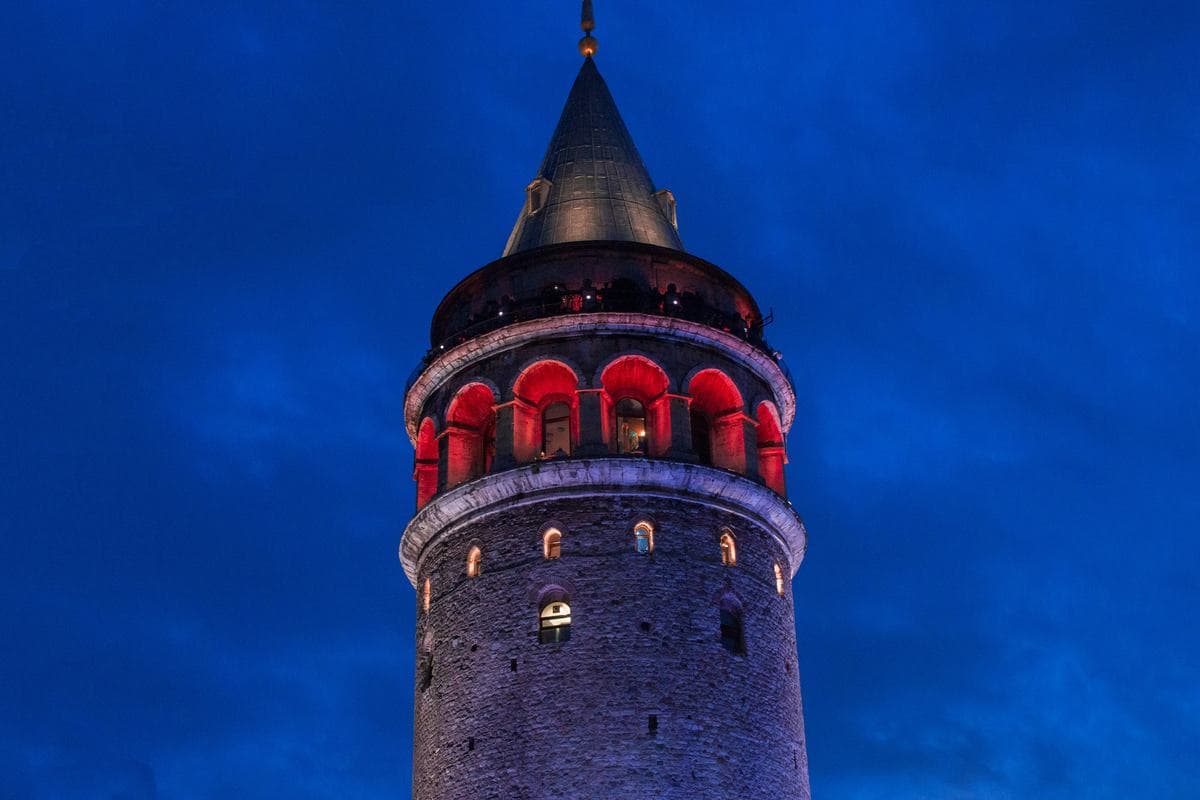
Situated strategically across the Golden Horn from Constantinople, Galata has for centuries served as a vital bridge between East and West. Its recorded history as a significant settlement dates back to the Byzantine era, but it truly blossomed as a semi-autonomous trading colony established by the Genoese in the 13th century. Known then as Pera, the Genoese fortified the district with defensive walls and constructed prominent landmarks, most notably the Galata Tower, to protect their commercial interests and extensive trade networks.
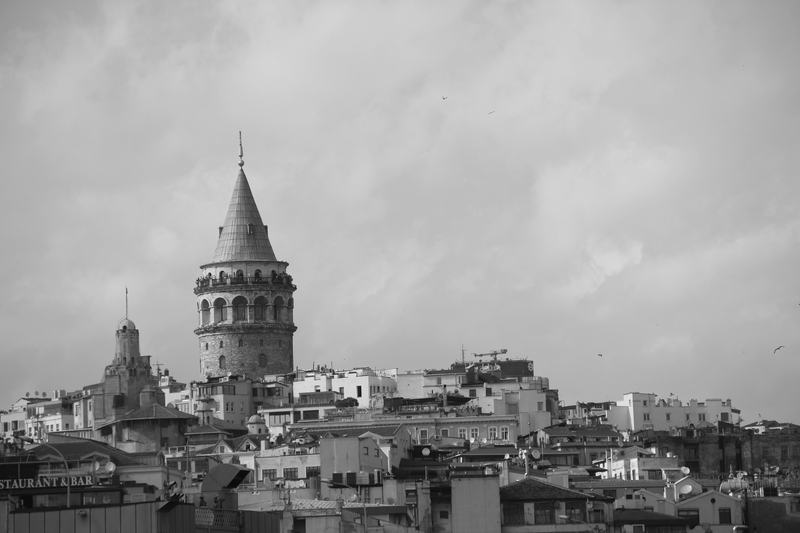
Following the Ottoman conquest of Constantinople in 1453, Galata largely retained its unique status. Its cosmopolitan character deepened as merchants, diplomats, and various communities from across Europe and the Ottoman Empire settled here. The neighborhood became a crucial hub for international trade, finance, and diplomatic relations, a legacy visible in its architectural fabric and cultural diversity that persists to this day.
Name Origin
The origin of the name 'Galata' is a subject of historical debate, with several theories proposed. One popular interpretation suggests it derives from the Greek word 'gala', meaning 'milk', possibly referring to a historical dairy market or the pale color of its early buildings. Another theory links it to the ancient Celtic tribes, the Galatians, who passed through Anatolia. A third hypothesis suggests a Genoese origin, from the word 'calata', referring to a 'sloping road' or a 'landing stage' for ships, given the area's topography and its function as a port.
Communities
From its earliest days as a Genoese trading post, Galata has been defined by its extraordinary cultural and religious diversity. Initially home to Genoese, Venetian, and other Latin communities, the district swiftly attracted a mosaic of peoples. Over the centuries, it became a significant residential area for Greek Orthodox, Armenian, and Jewish populations, who established their own churches, synagogues, and social institutions. Alongside these, a substantial number of European expatriates, including French, British, and Italian merchants and diplomats, contributed to its unique cosmopolitan atmosphere. This blend of traditions, languages, and faiths created a vibrant cultural synthesis, leaving an indelible mark on Galata's character, traditions, and urban landscape.
Architecture
Galata's architecture is a compelling chronicle of its layered history, presenting a fascinating blend of styles. The most iconic structure is undoubtedly the Galata Tower, a medieval stone tower originally built by the Genoese, which stands as a sentinel over the district. Remnants of the old Genoese walls and their distinctive urban planning, characterized by narrow, winding streets, can still be discerned.
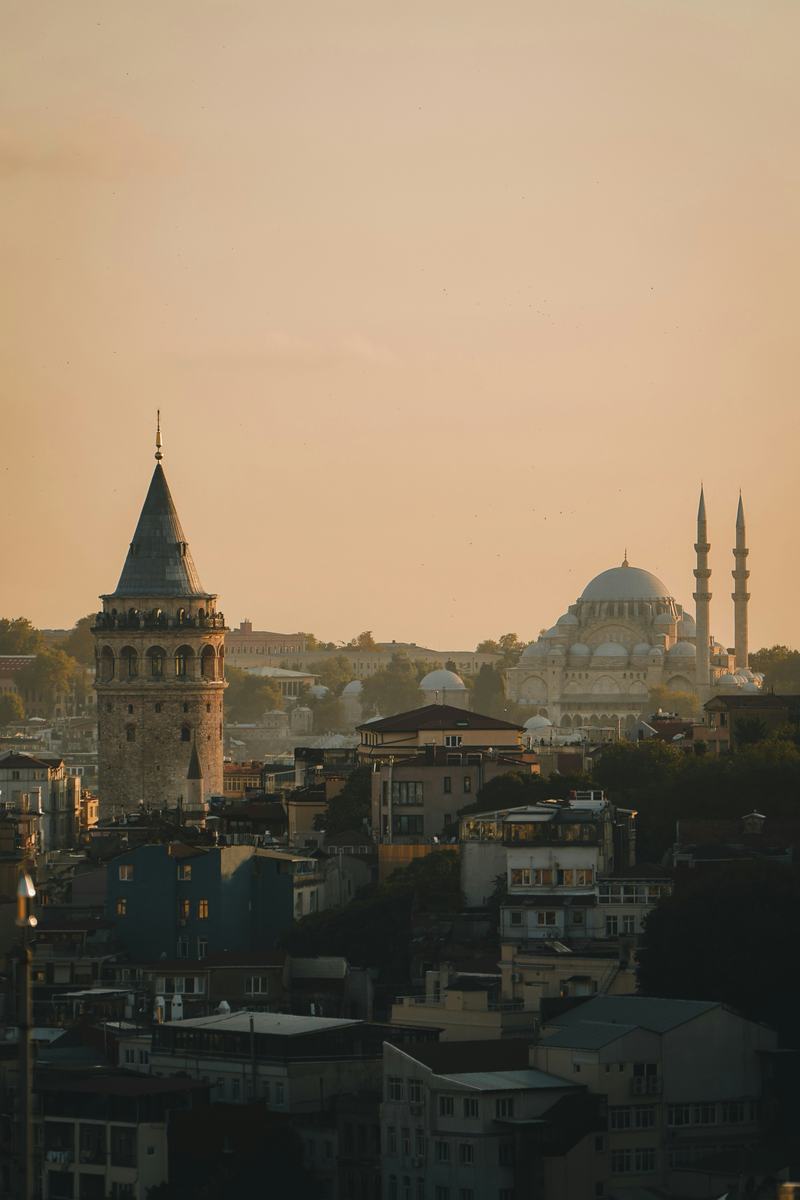
- Galata Tower: A prominent medieval stone tower, offering panoramic views of the city.
- Genoese Street Plan: The winding, often steep, cobblestone streets reflect its medieval origins.
- 19th-Century European Buildings: Grand apartment blocks, arcades, and former embassy buildings showcase late Ottoman and early Republican era European influences.
- Churches and Synagogues: Structures belonging to its diverse communities, including Catholic, Greek Orthodox, Armenian, and Jewish houses of worship.
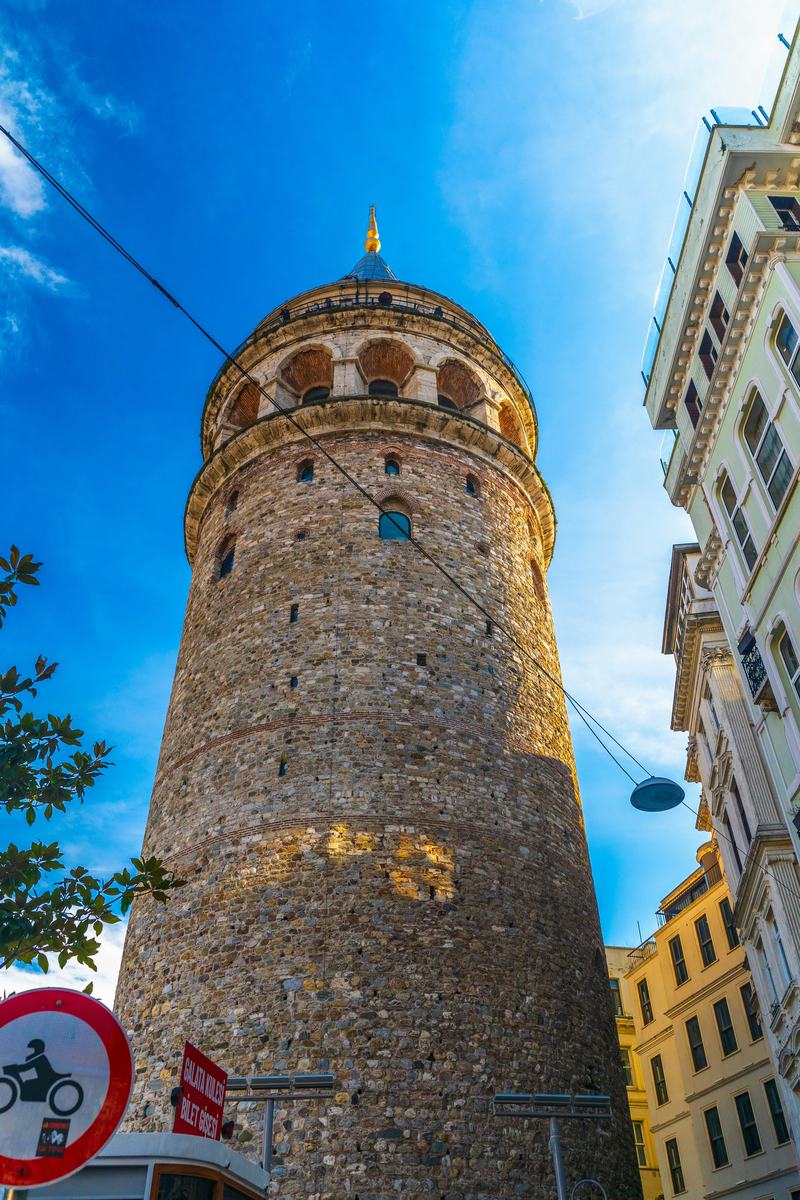
These diverse architectural elements converge to create a district unlike any other in Istanbul, where medieval fortifications stand alongside neoclassical facades and traditional Ottoman structures.
Art
Galata has long cultivated a vibrant creative spirit. In the late Ottoman era, particularly the 19th and early 20th centuries, it was a thriving center for the performing arts, hosting numerous European-style theaters, music halls, and cultural societies. This tradition of cultural dynamism continues into the present day.
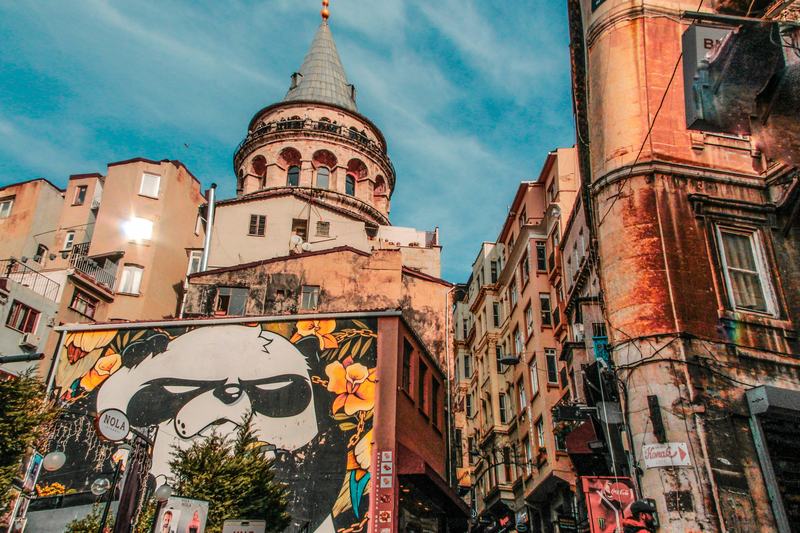
Today, Galata is recognized as a significant hub for contemporary art and culture. Its historic buildings now house an array of independent art galleries, design studios, and music venues. The district buzzes with creative energy, attracting artists, musicians, and designers. It’s common to find pop-up exhibitions, live music performances in intimate settings, and cultural events that blend modern expressions with the neighborhood's historic charm.
Current Life
Life in Galata today is a lively tapestry woven from its rich past and dynamic present. The district maintains its energetic, cosmopolitan character, with its narrow, undulating streets bustling with activity from morning to night. It has evolved into a popular urban quarter, appealing to a diverse mix of residents, including artists, young professionals, and international visitors.
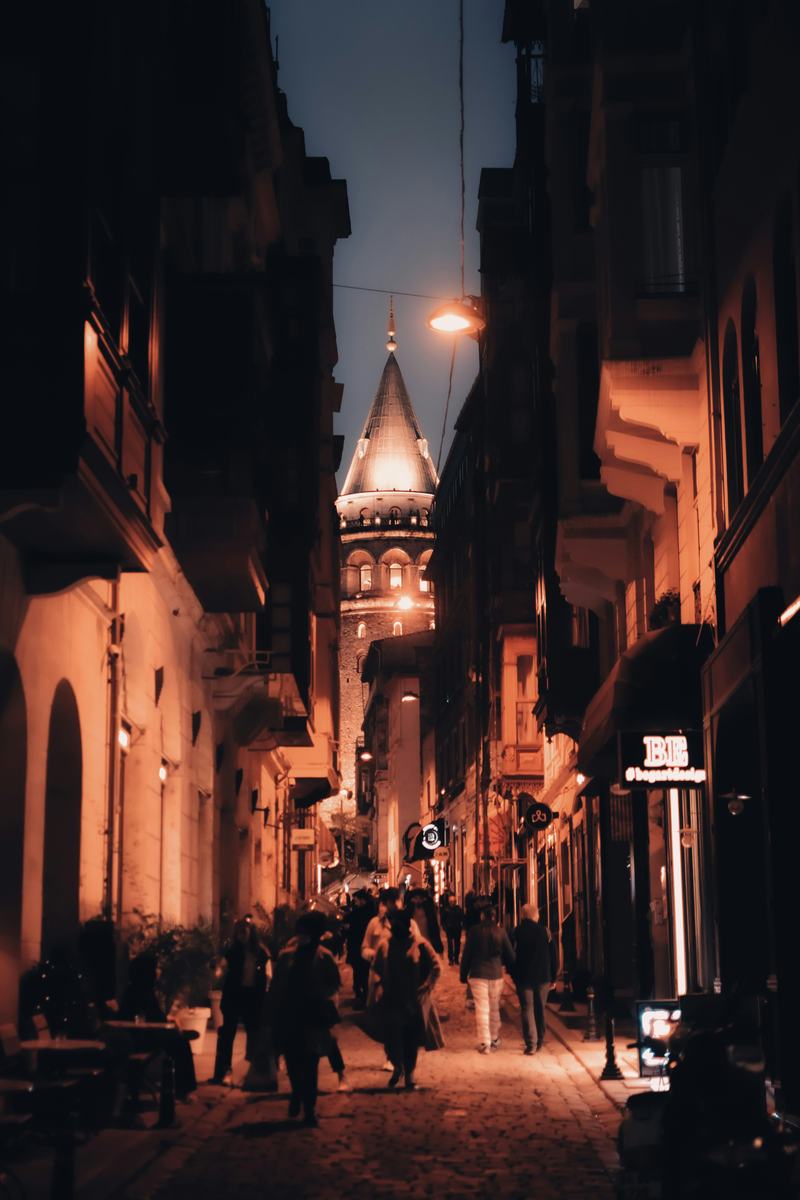
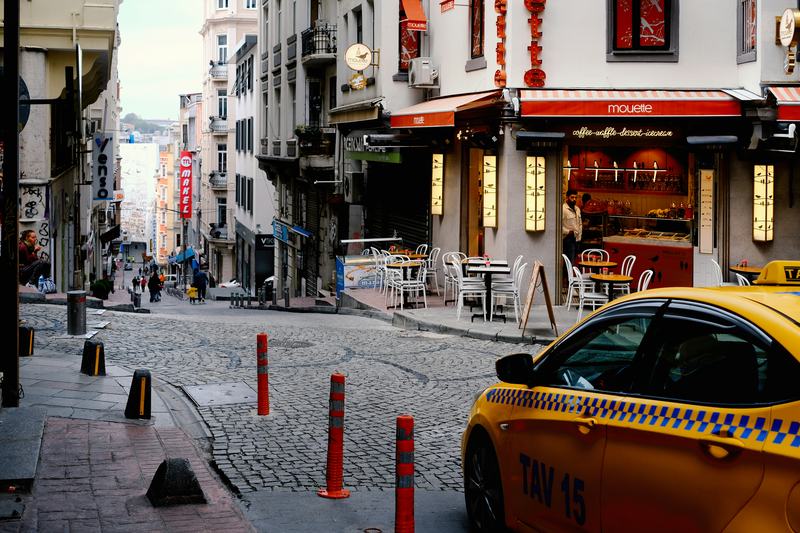
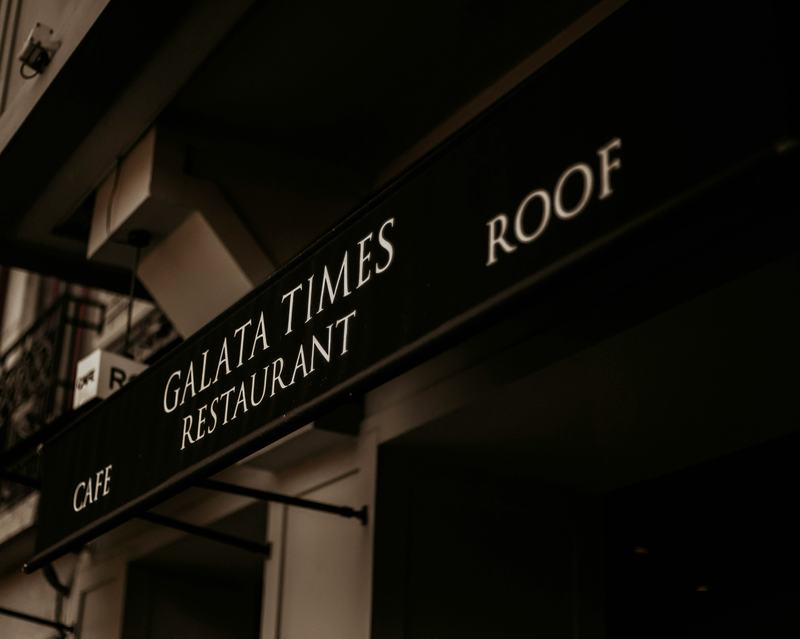
The streets are lined with an eclectic mix of independent boutiques, antique shops, charming cafes, and innovative restaurants that offer both traditional Turkish flavors and international cuisine. As a residential and commercial hub, Galata offers a distinct experience, where historical landmarks like the Galata Tower anchor a vibrant contemporary scene. Its close proximity to Karaköy, the historic port, further enhances its accessibility and status as a focal point for Istanbul's urban life.
Frequently asked questions
What is the historical significance of the Galata Tower?
The Galata Tower is a prominent medieval landmark originally constructed by the Genoese in the 14th century. It served as a watchtower and part of the Genoese defensive fortifications for their trading colony of Pera. Today, it remains one of Istanbul's most recognizable symbols, offering panoramic views and a tangible connection to the district's autonomous past.
How did Galata become such a diverse neighborhood?
Galata's diversity stems from its long history as a trading port and a semi-autonomous colony. From its Genoese origins, it attracted merchants, diplomats, and communities from various European nations and across the Ottoman Empire. Over centuries, it became home to significant Greek Orthodox, Armenian, Jewish, and other European populations, all contributing to its rich cultural mosaic.
What kind of architecture can one expect to see in Galata?
Galata showcases a fascinating blend of architectural styles. Visitors can expect to see Genoese medieval structures like the Galata Tower and winding street plans, alongside 19th-century European-style apartment buildings and arcades. The district also features structures from its diverse communities, including churches and synagogues, creating a unique urban landscape.
Is Galata still a center for trade and commerce today?
While Galata is no longer the primary international trading port it once was, it retains a strong commercial pulse. Today, it is known for its independent boutiques, design shops, cafes, and restaurants. It continues to be a bustling commercial area, albeit with a more modern focus on retail, hospitality, and creative industries, rather than large-scale international shipping.
What role does art and culture play in contemporary Galata?
Art and culture play a significant role in contemporary Galata. Historically a hub for performing arts, the district now hosts numerous independent art galleries, design studios, and music venues. It's a vibrant center for Istanbul's creative scene, attracting artists and offering various cultural events and exhibitions that blend its historic charm with modern artistic expressions.
Are there any specific local traditions or annual events unique to Galata?
The provided information does not detail specific local traditions or annual events unique to Galata. However, given its rich cultural history, many events would likely be associated with its diverse communities or contemporary art scene.