
Neighborhoods
Beyoğlu: Istanbul's Cosmopolitan Heart
Neighborhood Boundary
History
Known historically as Pera, the district of Beyoğlu stands as a living testament to Istanbul’s enduring cosmopolitan spirit. Its narrative begins in the Byzantine era, when it served as a settlement across the Golden Horn from the imperial city, often viewed as a strategic outpost. With the arrival of the Genoese in the 13th century, who established a thriving merchant colony, Pera began its transformation into a distinct European quarter. This legacy is still visible in areas like Galata: Istanbul's Historic Genoese Quarter, which lies adjacent to modern Beyoğlu.
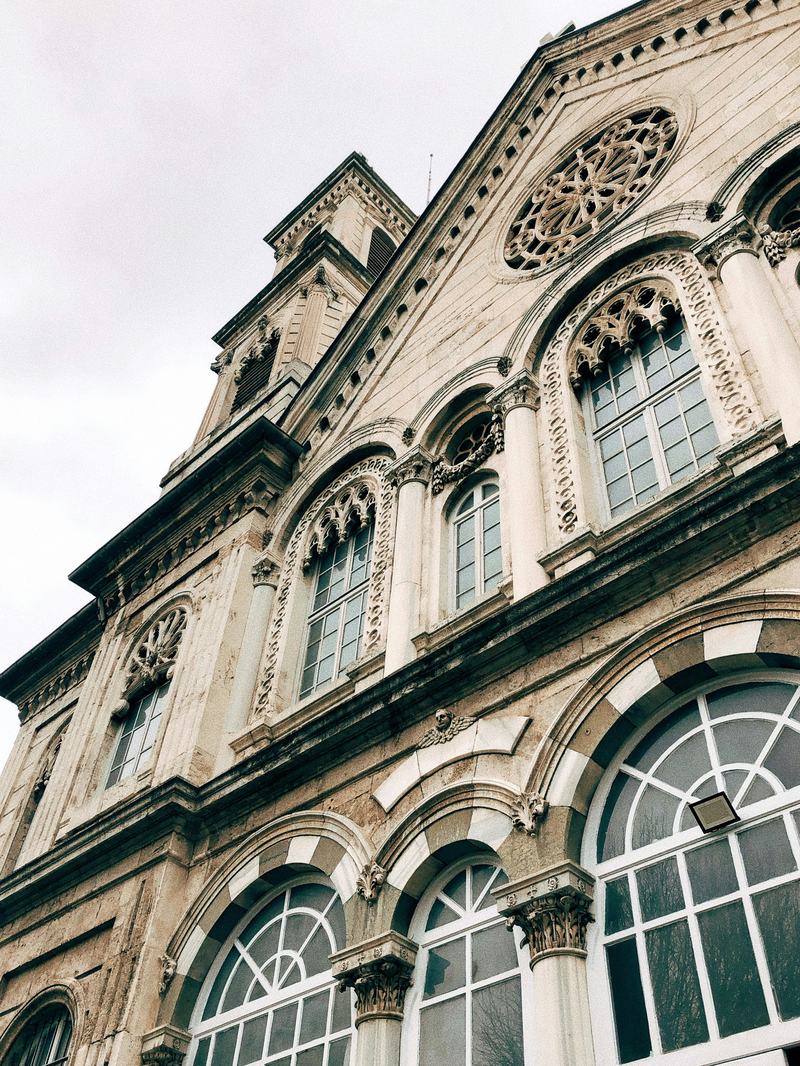
During the Ottoman Empire, Pera flourished as the primary residence for foreign merchants, diplomats, and non-Muslim communities. It was a place where European architectural styles mingled with Ottoman influences, where languages from across the continent echoed through bustling streets. Following the establishment of the Turkish Republic, Pera was officially renamed Beyoğlu, a change reflecting a broader shift in national identity, yet the district largely retained its international flair and commercial dynamism throughout the 20th century. Despite periods of significant demographic change, Beyoğlu has consistently reinvented itself, maintaining its role as a cultural and commercial nexus, a bridge between East and West, past and present.
Name Origin
The name Pera, originating from Greek, literally translates to "beyond" or "across," aptly describing its geographical position relative to the historic peninsula of Istanbul. It was indeed a world apart, across the Golden Horn, both physically and culturally.
The modern name, Beyoğlu, emerged during the Ottoman period. While its exact etymology is debated, the most widely accepted theory suggests it derives from "Bey Oğlu" meaning "the son of the Bey" or "Lord's son." This is often attributed to the son of a Venetian ambassador who resided in the area during the 16th century, whose impressive mansion became a local landmark, eventually lending its name to the entire district. This appellation signifies a historical acknowledgment of the foreign diplomatic presence that profoundly shaped the area.
Communities
Beyoğlu's identity is inextricably linked to the diverse communities that have called it home for centuries. Foremost among these are the Levantines, descendants of European merchants and settlers who arrived in the Ottoman Empire from the Middle Ages onwards. These communities, predominantly Catholic or Orthodox, established a vibrant social and commercial life, contributing significantly to Beyoğlu's unique character. Their presence fostered a distinctly European urban fabric, evident in the district’s architecture, language, and customs.
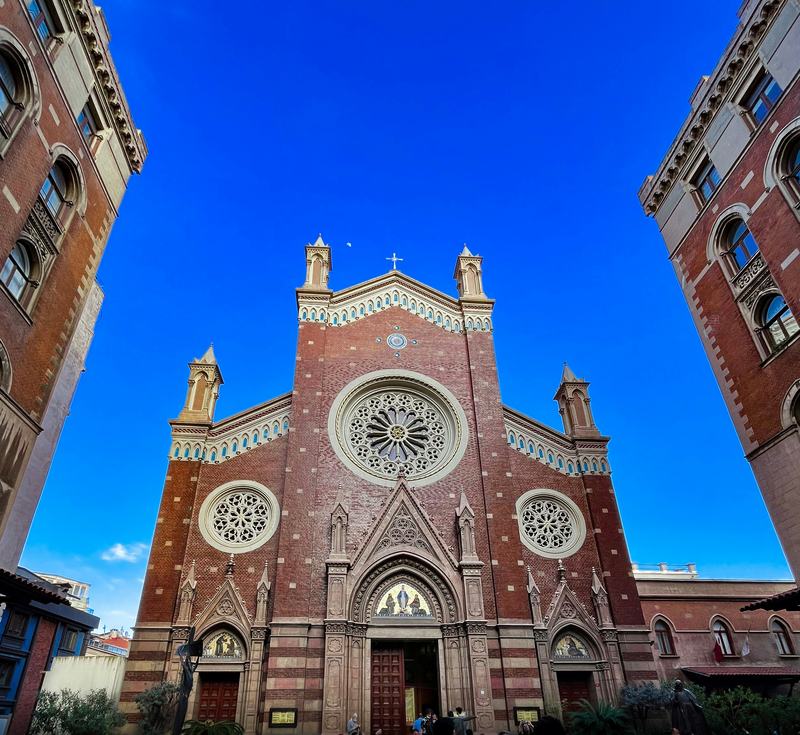
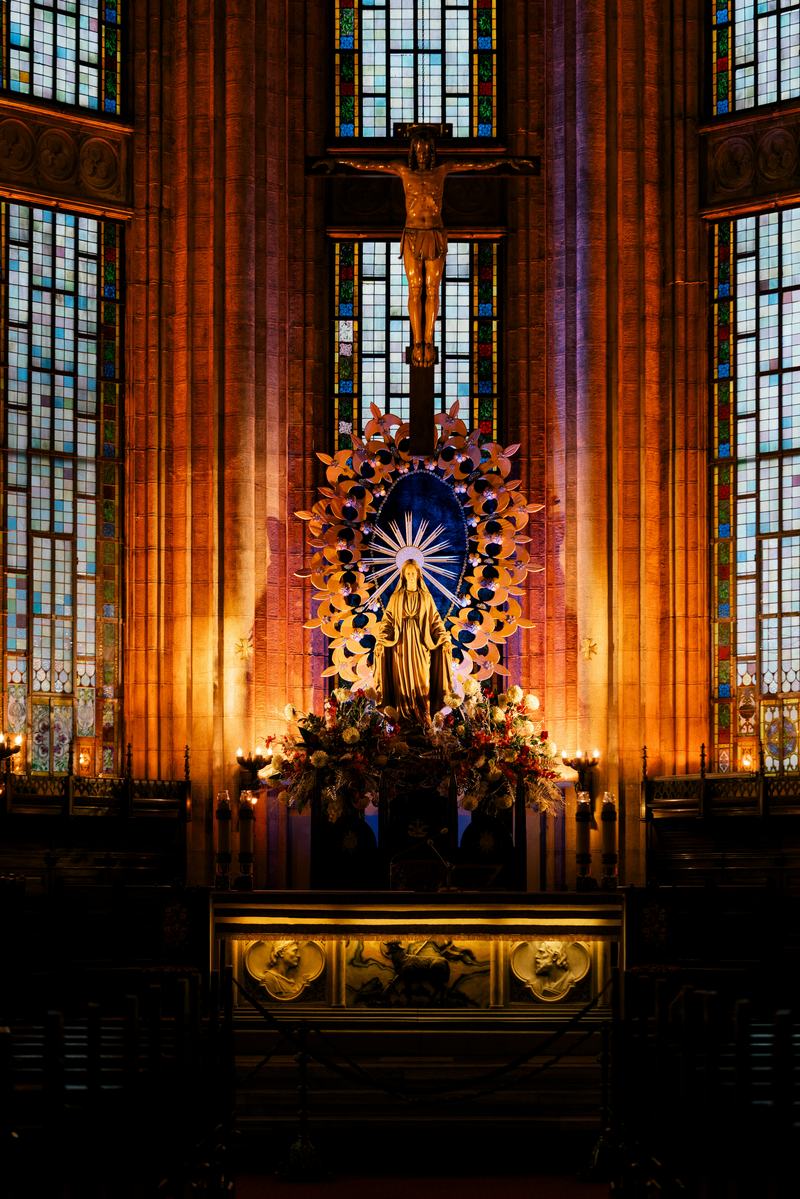
Alongside the Levantines, Beyoğlu was also a crucial hub for Istanbul's Greek, Armenian, and Jewish communities, particularly in the late Ottoman and early Republican periods. These groups established numerous schools, churches, synagogues, and cultural institutions, creating a rich tapestry of interwoven lives. While demographic shifts over the 20th century led to a decrease in their numbers, the legacy of these communities remains palpable in the district's historic buildings, cultural landmarks, and the lingering echoes of a truly multinational past.
Architecture
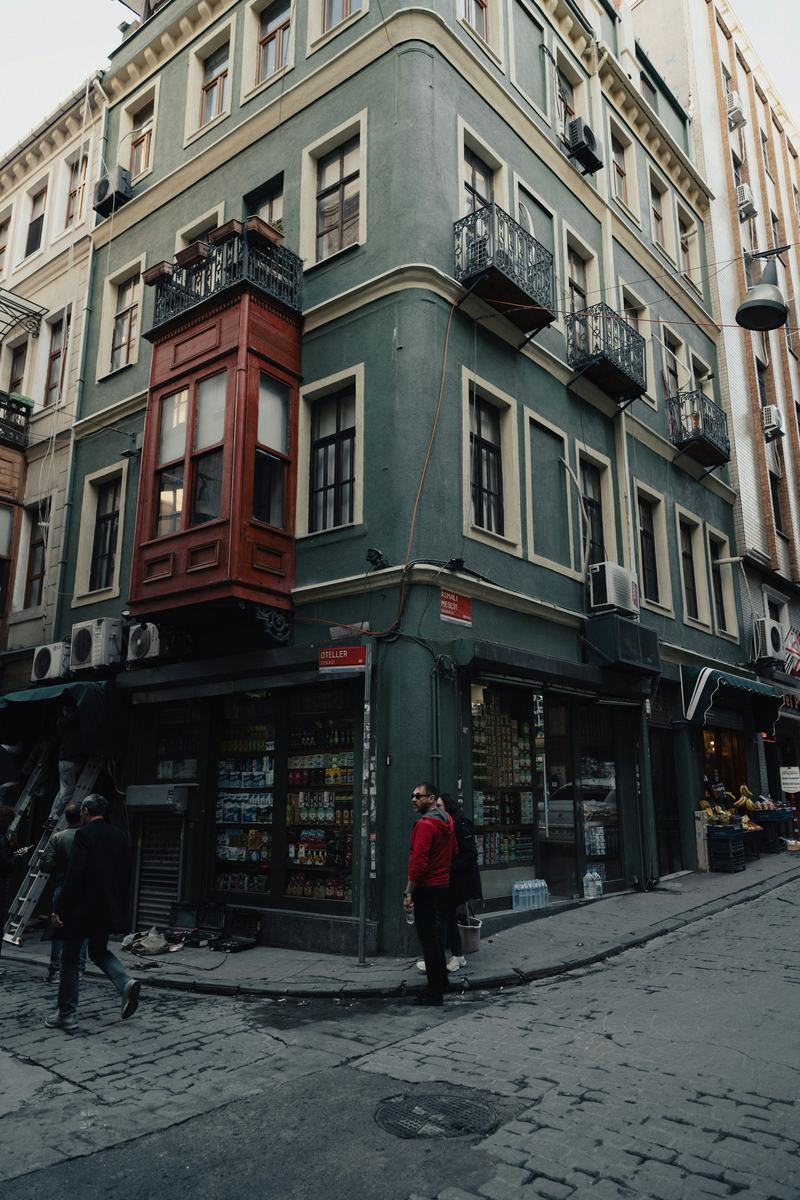
The architecture of Beyoğlu is a compelling chronicle of its cosmopolitan past, a striking contrast to the more overtly Ottoman and Byzantine styles found across the Golden Horn. The district is characterized by its 19th and early 20th-century European-inspired buildings, reflecting the influence of foreign residents and their architectural preferences. Walking along İstiklal Avenue (formerly Grande Rue de Pera) is akin to traversing a living museum of styles.
- Many buildings showcase the ornate flourishes of Art Nouveau, with their organic lines and decorative ironwork.
- Neo-Classical structures, with their grand facades and classical columns, evoke a sense of European grandeur.
- Elements of Beaux-Arts and other Western European styles are also prevalent, particularly in former embassy buildings and grand apartment blocks.
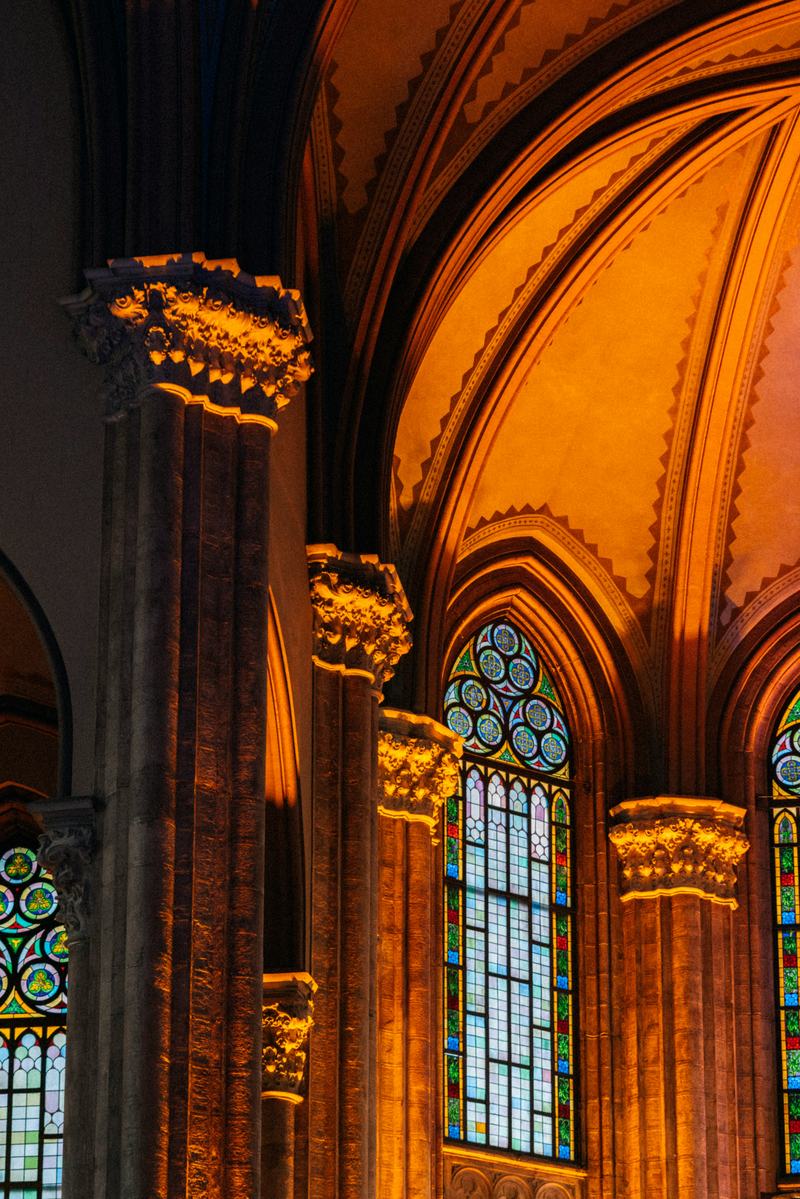
Notable architectural gems include the historic arcades, such as Çiçek Pasajı (Flower Passage), and the impressive structures that once housed foreign embassies and consulates, many of which now serve other functions but retain their original splendor. This architectural mélange creates an urban landscape unlike any other in Istanbul, testifying to its unique cultural synthesis.
Art
Beyoğlu has long been the undisputed heart of Istanbul’s artistic and cultural scene, a reputation it continues to uphold. From grand theaters to intimate galleries, the district offers a diverse array of creative outlets and experiences. In the late Ottoman era, it was home to Istanbul's first modern theaters and cinemas, introducing European performing arts to the city. This tradition endures with numerous venues hosting plays, concerts, and film screenings.
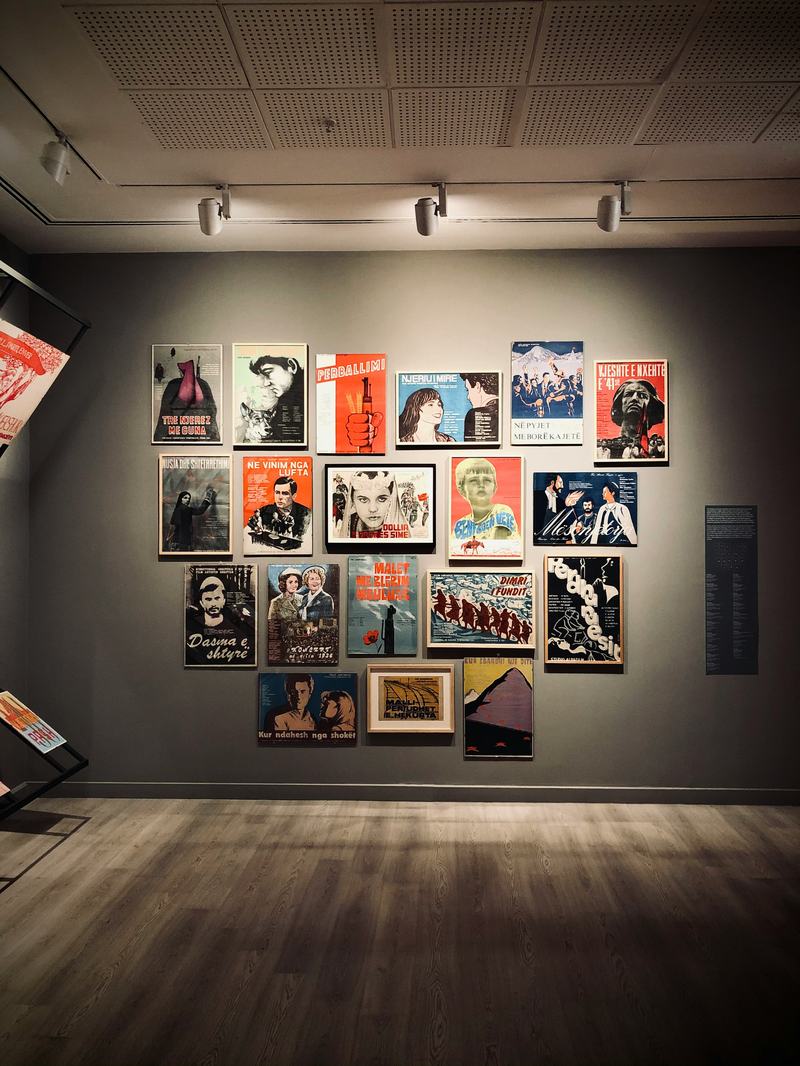
Today, Beyoğlu remains a focal point for contemporary art. The district is dotted with numerous art galleries, ranging from established institutions to innovative independent spaces, showcasing both Turkish and international artists. Its labyrinthine side streets and grand boulevards are home to:
- Independent cinemas showing arthouse films.
- Live music venues featuring genres from jazz to rock and traditional Turkish music.
- Bookstores and literary cafés that have fostered generations of writers and intellectuals.
The district's vibrant energy and historical bohemian spirit continue to attract artists, musicians, and creatives, making it a dynamic hub for cultural expression and innovation.
Current Life
Today, Beyoğlu pulsates with an energy that seamlessly blends its storied past with the demands of modern urban life. While the grand facades of its 19th-century buildings still line İstiklal Avenue, the avenue itself is a bustling pedestrian thoroughfare, constantly alive with shoppers, street performers, and commuters. Commerce thrives here, from high-street brands to niche boutiques and historic passages offering unique goods.
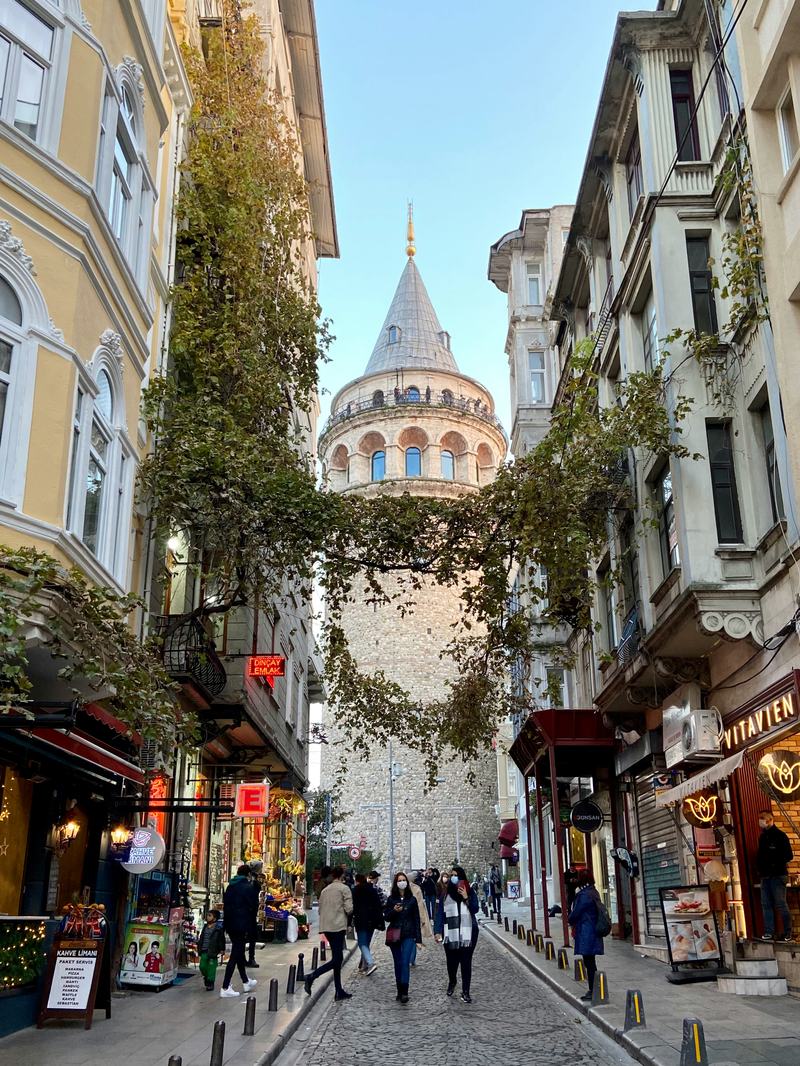
As night falls, Beyoğlu truly comes alive, asserting its role as Istanbul's premier entertainment district. Its side streets, particularly around areas like Asmalımescit and Nevizade, are teeming with:
- Sophisticated restaurants offering a global culinary journey.
- Trendy bars and traditional meyhanes (taverns) where friends gather over rakı and mezze.
- Nightclubs that throb with contemporary music, catering to a diverse crowd.
Despite its continuous evolution and the challenges of balancing preservation with modernization, Beyoğlu retains a magnetic allure. It remains a dynamic, sometimes chaotic, but always captivating district where the layers of history are visible in every alleyway, offering a rich and multifaceted experience of Istanbul's urban identity.
Frequently asked questions
What is the historical significance of Beyoğlu?
Beyoğlu, historically known as Pera, holds significant historical importance as Istanbul's primary European quarter during the Byzantine and Ottoman eras. It was a hub for foreign merchants, diplomats, and non-Muslim communities, acting as a cultural and commercial bridge between East and West. Its unique history contributes to its distinct architectural and social character.
How did Beyoğlu get its name?
The name Pera comes from Greek, meaning "beyond" or "across," referring to its location across the Golden Horn from the historic city center. The modern name, Beyoğlu, is believed to derive from "Bey Oğlu" (son of the Bey), possibly referencing the son of a Venetian ambassador who resided in the area during the 16th century.
What is Beyoğlu's connection to the Levantine community?
Beyoğlu has a strong historical connection to the Levantine community, who were descendants of European merchants and settlers. They played a crucial role in shaping the district's social, commercial, and architectural landscape, establishing institutions and contributing to its cosmopolitan identity.
What architectural styles can be found in Beyoğlu?
Beyoğlu's architecture is predominantly characterized by 19th and early 20th-century European styles. Visitors can observe various influences including:
- Art Nouveau
- Neo-Classical
- Beaux-Arts
These styles are evident in its grand apartment buildings, former embassies, and historic arcades like Çiçek Pasajı.
What role does Beyoğlu play in Istanbul's art scene?
Beyoğlu is considered the undisputed heart of Istanbul's artistic and cultural scene. It has historically been home to the city's first modern theaters and cinemas and continues to be a vibrant center for contemporary art. The district hosts numerous art galleries, independent cinemas, live music venues, bookstores, and literary cafés.
What is İstiklal Avenue?
İstiklal Avenue, formerly known as Grande Rue de Pera, is Beyoğlu's main pedestrian thoroughfare. It is a bustling street lined with historic buildings, shops, restaurants, and cultural institutions, serving as a central hub for commerce, entertainment, and social life in the district.
Is Beyoğlu a good place for nightlife?
Yes, Beyoğlu is renowned as Istanbul's premier entertainment district, especially after dark. Its streets, particularly around areas like Asmalımescit and Nevizade, offer a wide array of sophisticated restaurants, trendy bars, traditional meyhanes (taverns), and nightclubs.