Neighborhoods
Ortaköy: Istanbul's Bosphorus Crossroads
Neighborhood Boundary
History
Nestled on the European shore of the Bosphorus, Ortaköy has long served as a vital link between land and sea, a place where different currents, both literal and metaphorical, have converged. Its history, deeply intertwined with the ebb and flow of the Bosphorus, dates back centuries. During the Byzantine era, it was a small fishing village, benefiting from its strategic location. Under the Ottoman Empire, Ortaköy blossomed into a diverse residential area, particularly favored for its mild climate and scenic beauty.
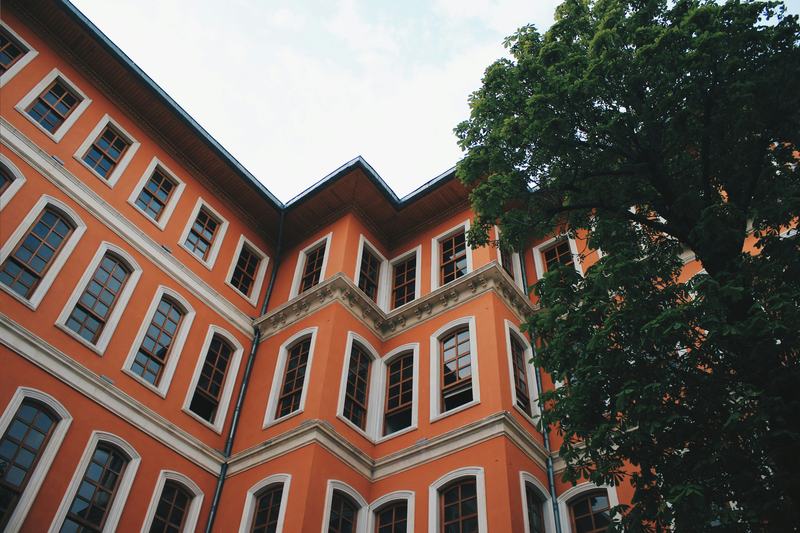
By the 19th century, Ortaköy had become a coveted summer retreat for the Ottoman elite, who built elaborate wooden mansions (yalılar) along its waterfront. Concurrently, it established itself as a vibrant neighborhood where communities of different faiths lived side-by-side, contributing to its unique character. The construction of the Ortaköy Mosque in the mid-19th century further cemented its prominence, creating an iconic landmark that remains synonymous with Istanbul's Bosphorus skyline.
Name Origin
The name Ortaköy, in Turkish, literally translates to "middle village." This designation is believed to reflect its historical location as a central settlement situated between older, more established neighborhoods along the European side of the Bosphorus, such as Beşiktaş: Istanbul's Bosphorus Crossroads to its south and various residential areas extending northward. While the exact historical moment of its naming is not definitively recorded, the descriptive nature of the name has endured, highlighting its geographical position as a focal point along the strait.
Communities
Ortaköy's enduring legacy is its rich tapestry of communities that have coexisted for centuries. During the Ottoman period, it became a home to a significant population of Greek Orthodox Christians, Armenians, and Sephardic Jews, alongside the Muslim majority. This diverse demographic is reflected in the neighborhood's religious architecture, where a grand mosque stands in close proximity to churches and a synagogue.
The spirit of shared living meant that these communities often interacted daily, forming a cohesive social fabric. While demographic shifts have occurred over time, the historical presence of these groups has left an indelible mark on Ortaköy's cultural identity, fostering an atmosphere of acceptance that continues to resonate today. Much like Kuzguncuk, Istanbul: A Village of Coexistence on the Asian side, Ortaköy exemplifies Istanbul's historical capacity for multicultural harmony.
Architecture
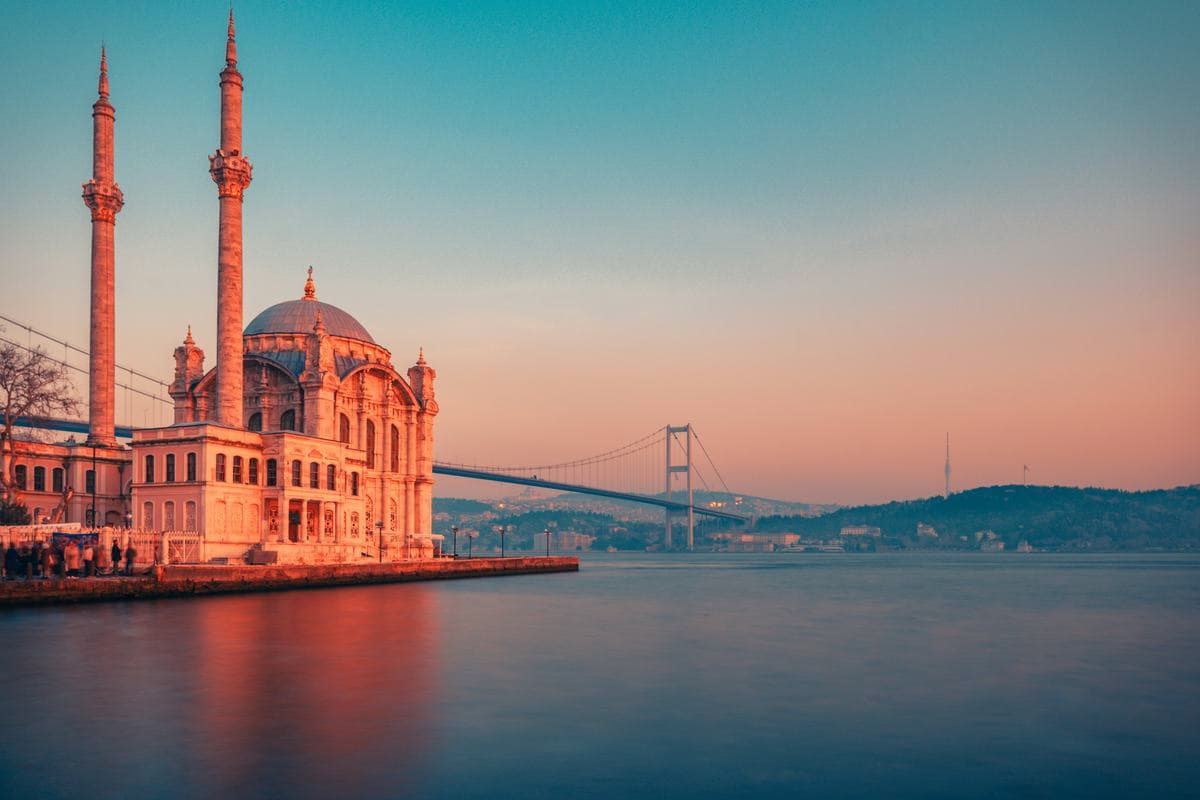
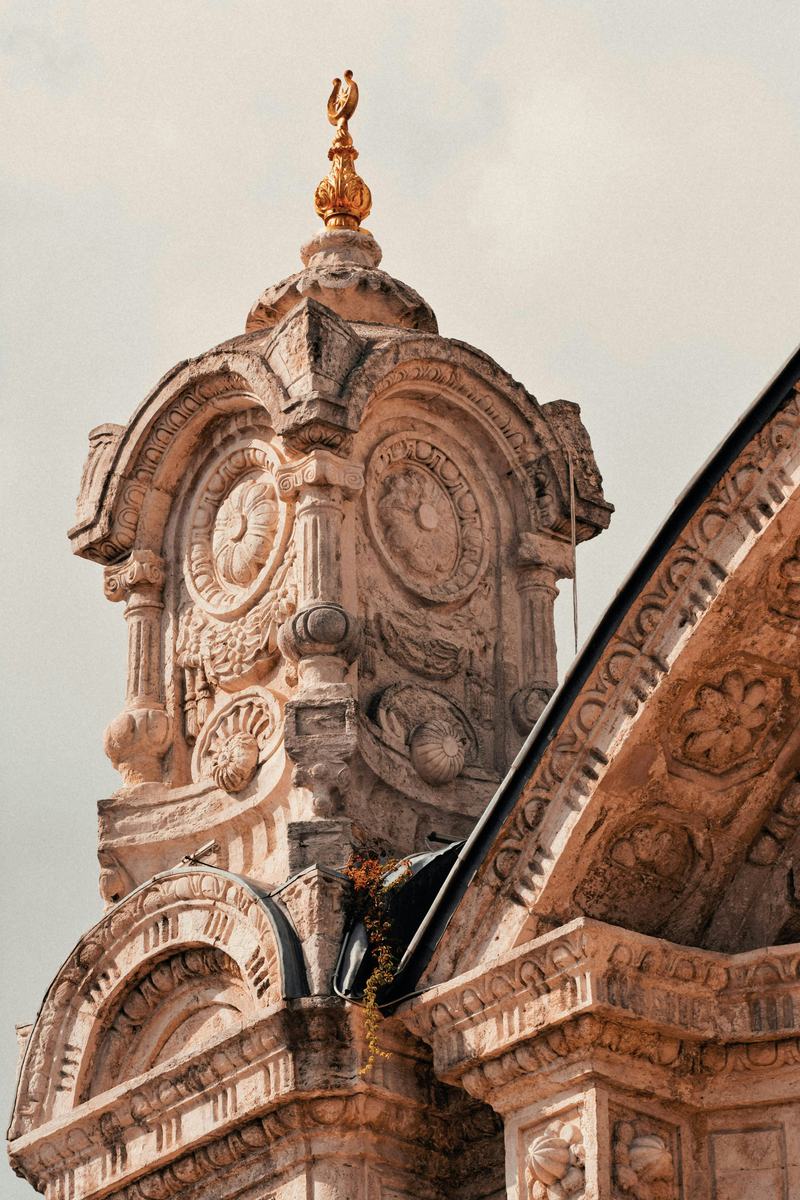
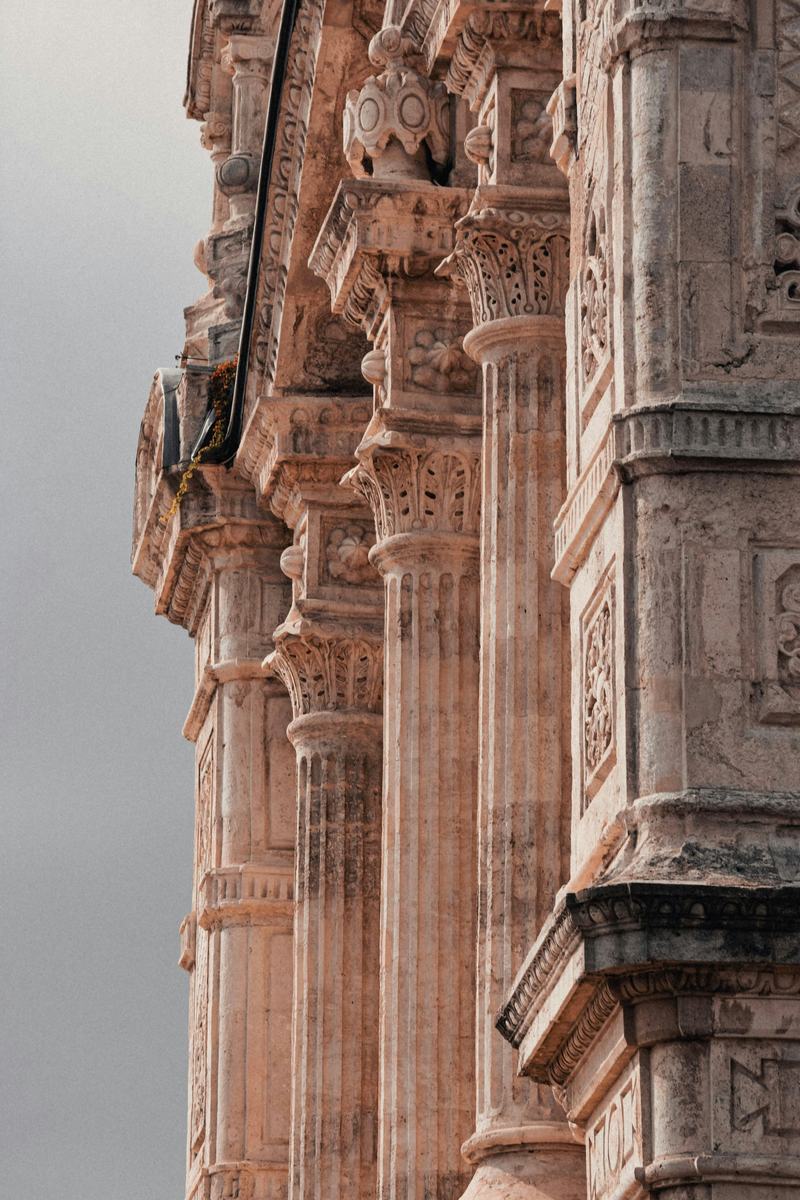
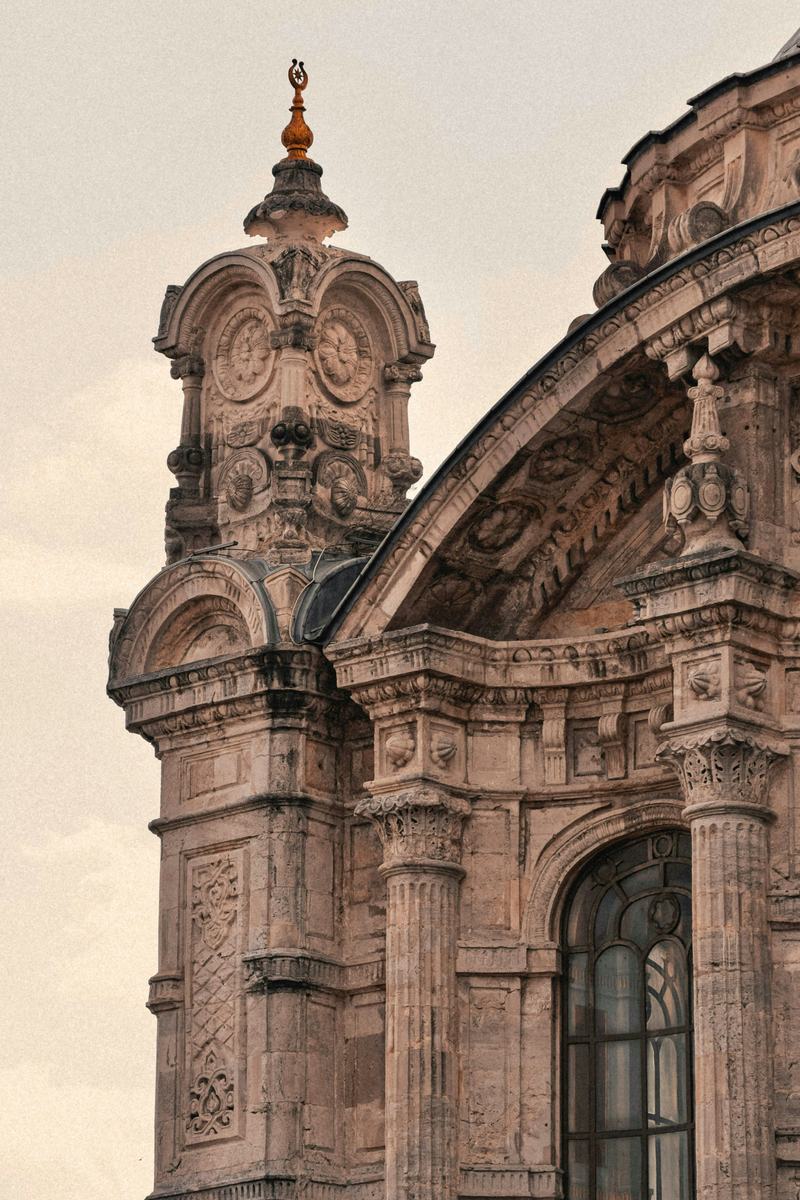
Ortaköy's architecture offers a captivating blend of Ottoman grandeur and the more modest, charming structures of a historic Bosphorus village. The undeniable centerpiece is the Büyük Mecidiye Mosque, commonly known as the Ortaköy Mosque. Designed in the neo-baroque style by the Balyan family of Armenian architects, its ornate exterior and delicate domes provide a stunning silhouette against the Bosphorus, especially at sunset. Its prominent position, almost floating on the water's edge, makes it one of Istanbul's most photographed landmarks.
Beyond the mosque, Ortaköy also houses significant religious structures representing its diverse past:
- The Surp Krikor Lusavoriç Armenian Church, a testament to the long-standing Armenian community.
- The Aya Fokas Greek Orthodox Church, reflecting the historical Greek presence.
- The Etz Ahayim Synagogue, serving the Jewish community.
The neighborhood also features beautifully preserved Ottoman wooden houses, many of which are now historic residences or boutique establishments, offering glimpses into the architectural elegance of past eras.
Art
While not traditionally a central hub for fine art galleries like some other Istanbul districts, Ortaköy's picturesque setting and vibrant street life have long attracted artists and creative individuals. The Bosphorus itself, with its ever-changing light and constant parade of vessels, serves as an endless source of inspiration for painters and photographers. The lively atmosphere of its squares and waterfront promenades often features street performers and artisans displaying their crafts, particularly on weekends.
In more recent years, a number of small, independent design shops and occasional pop-up exhibitions have emerged, reflecting a contemporary creative pulse. Ortaköy's cultural contribution often leans towards the accessible and public, making art and creativity an integral part of its everyday experience rather than confined to formal institutions.
Current Life
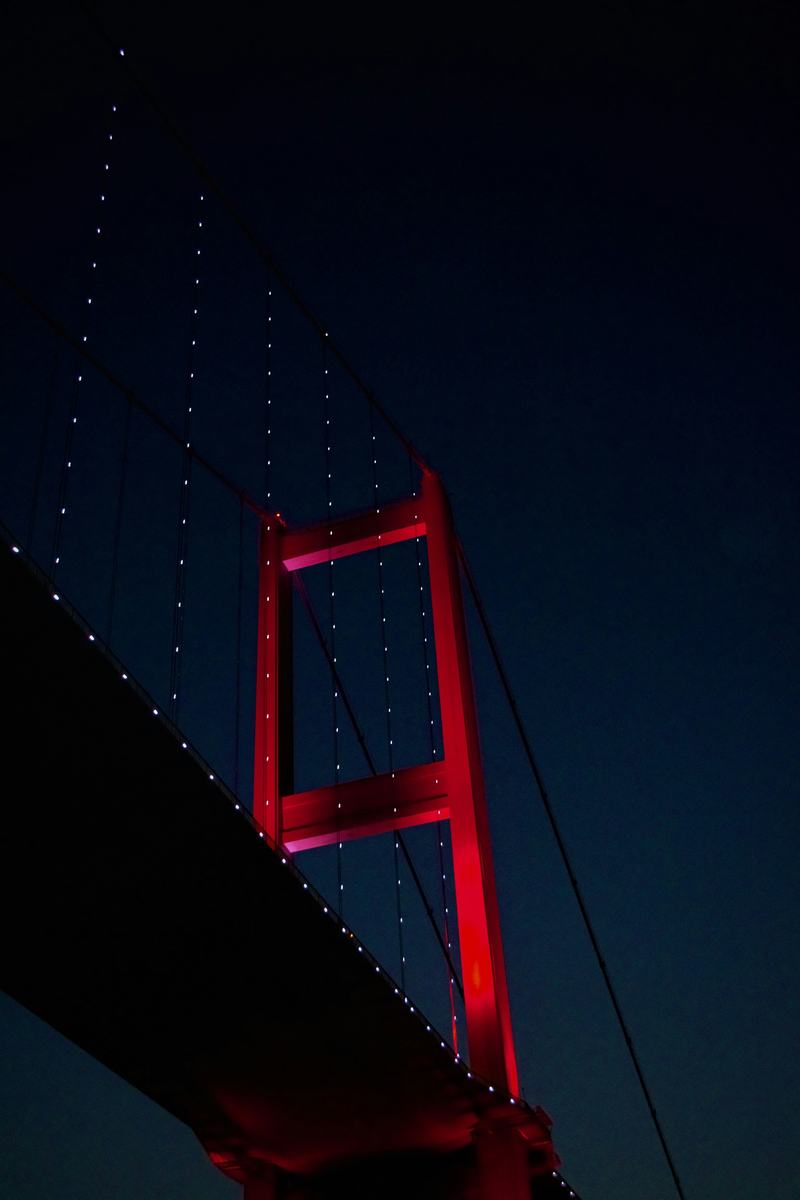
Today, Ortaköy remains one of Istanbul's most dynamic and beloved neighborhoods, perfectly balancing its historical charm with a contemporary, lively atmosphere. Its position directly on the Bosphorus continues to define much of its current life. The central square, dominated by the iconic Ortaköy Mosque, is a constant hive of activity, drawing both locals and international visitors. People gather to enjoy the panoramic views, stroll along the promenade, and take in the fresh Bosphorus air.
The neighborhood is particularly known for its vibrant street food scene, especially famous for its customizable kumpir (baked potato) and crispy waffles, which have become a quintessential Ortaköy experience. Beyond the culinary delights, Ortaköy offers:
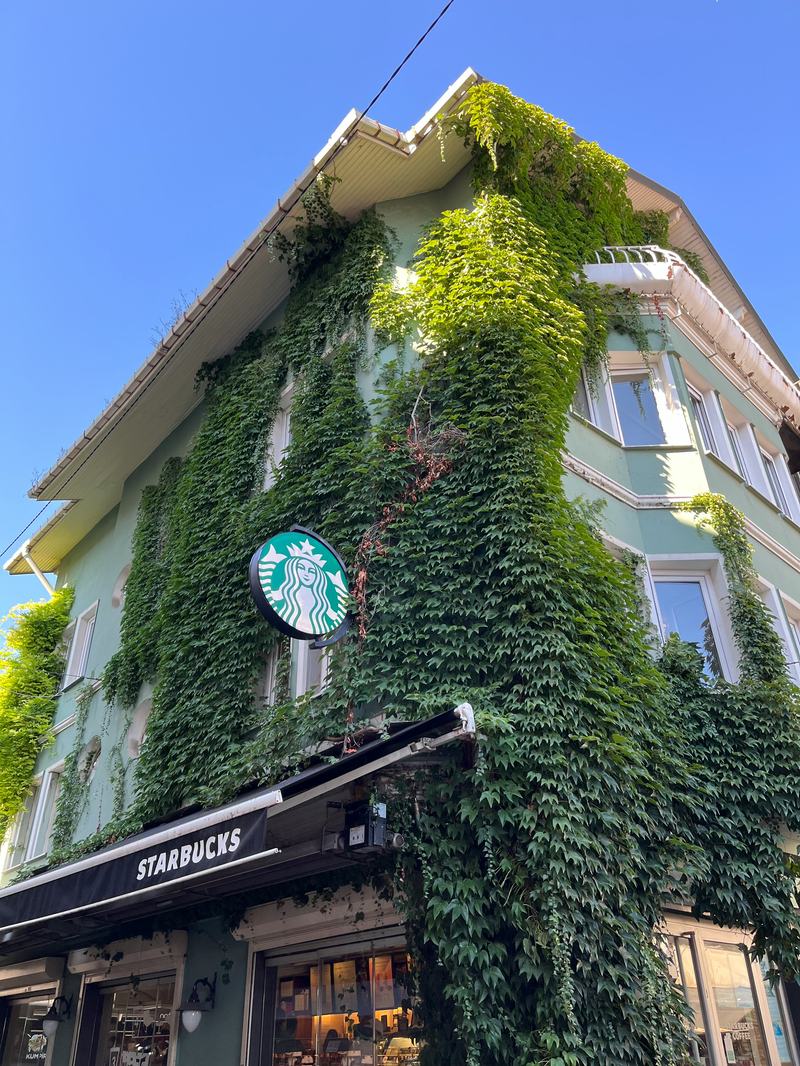
- A diverse array of cafes and restaurants, from casual eateries to upscale dining, many with Bosphorus views.
- Boutique shops and artisanal stalls, particularly prominent during its popular weekend markets.
- A lively nightlife scene, with various bars and clubs lining the waterfront.
Despite its popularity, Ortaköy manages to retain a distinct neighborhood feel, where the call to prayer from the mosque blends with the chimes of church bells and the buzz of conversations, continuing its tradition as a place where diverse strands of Istanbul life converge.
Frequently asked questions
What is Ortaköy known for?
Ortaköy is widely known for its iconic Ortaköy Mosque, which stands elegantly on the Bosphorus waterfront. It is also famous for its lively central square, its historical multicultural heritage reflected in its religious structures, and its vibrant street food scene, especially kumpir (baked potatoes) and waffles.
What does the name 'Ortaköy' mean?
The name Ortaköy is Turkish and translates to "middle village." This is believed to refer to its historical geographical position as a central settlement among other villages along the European side of the Bosphorus.
What kind of architecture can be seen in Ortaköy?
Ortaköy's architecture is characterized by its stunning neo-baroque Ortaköy Mosque, designed by the Balyan family. Additionally, the neighborhood features historic wooden Ottoman mansions (yalılar), as well as significant Greek Orthodox, Armenian, and Jewish religious structures, showcasing its diverse architectural heritage.
Are there historical non-Muslim communities in Ortaköy?
Yes, Ortaköy has a rich history of diverse communities. Historically, it was home to significant populations of Greek Orthodox Christians, Armenians, and Sephardic Jews, who lived alongside the Muslim majority. Their presence is still evident in the neighborhood's churches and synagogue.
What can I do for entertainment in Ortaköy today?
Today, Ortaköy offers a variety of entertainment options. You can:
- Stroll along the Bosphorus promenade and enjoy the views.
- Sample the famous kumpir and waffles from street vendors.
- Explore the boutique shops and artisan stalls, especially during weekend markets.
- Visit the numerous cafes, restaurants, and bars, many offering Bosphorus views.
Is Ortaköy a good place to experience Istanbul's local culture?
Yes, Ortaköy offers a unique blend of historical significance and contemporary local life. Its multicultural heritage, vibrant street scene, and status as a popular gathering place for Istanbulites provide a genuine glimpse into the city's diverse social fabric and daily rhythms.