
Neighborhoods
Beylerbeyi: An Imperial Retreat on the Bosphorus
Neighborhood Boundary
History
Beylerbeyi, nestled on Istanbul's Asian shore, has long been more than just a tranquil Bosphorus village; it served as a favored imperial retreat throughout the Ottoman era. Its strategic location, offering stunning views of the European side and a refreshing breeze, made it an ideal spot for the sultans and their court to escape the bustle of the city. While today it is perhaps best known for its grand imperial palace, Beylerbeyi's history stretches back much further, evolving from a modest settlement into a distinguished residential area.
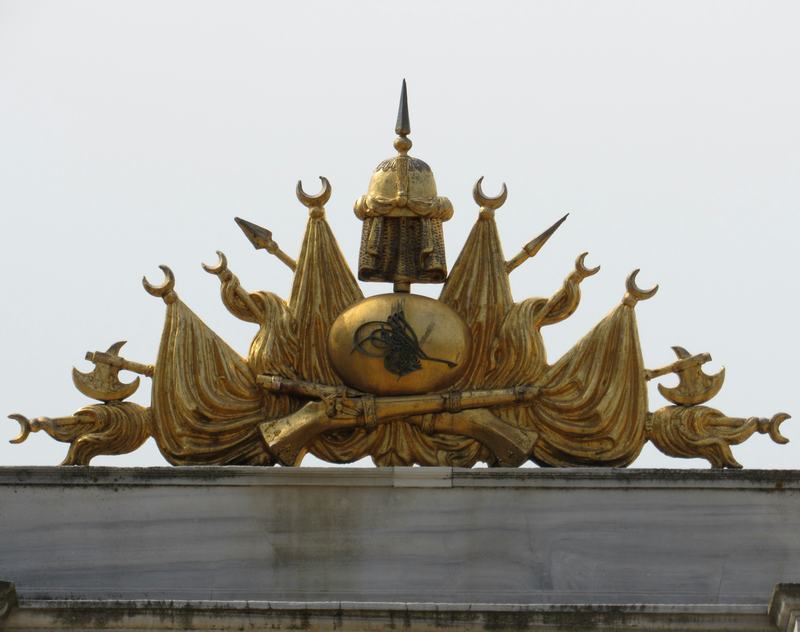
During the Byzantine period, the area was reportedly home to a cross-shaped church, hinting at its early significance. However, it was under Ottoman rule that Beylerbeyi truly flourished. The construction of various mansions and smaller palaces by high-ranking officials and members of the imperial family gradually transformed the waterfront. The neighborhood became a symbol of Ottoman elegance and proximity to power, reflecting the empire's refined taste and its deep connection to the Bosphorus.
Name Origin
The name Beylerbeyi, which translates to "Lord of Lords" or "Governor-General's Palace," directly reflects the neighborhood's imperial connections. It is widely believed to have been named after a large wooden palace built here by Sultan Murad IV in the 17th century for his mother, or perhaps an earlier governor's mansion. This association with high-ranking officials and imperial residents cemented the area's prestigious identity, long before the current Beylerbeyi Palace was constructed.
Communities
Beylerbeyi's charm historically stemmed from its diverse, yet largely affluent, community. While predominantly inhabited by Turks, the neighborhood also hosted significant populations of Greeks and Armenians, particularly during the late Ottoman period. These communities contributed to the area's vibrant social fabric, establishing their own churches and schools, and engaging in various trades. Unlike some other Bosphorus villages, Beylerbeyi maintained a more residential and somewhat exclusive character, attracting those connected to the imperial court or possessing considerable wealth. The intermingling of these cultures along the waterfront created a unique blend of traditions and architectural styles that defined the neighborhood's elegant atmosphere.
Architecture
Beylerbeyi's architecture is a testament to its imperial past and its picturesque Bosphorus setting. The undisputed jewel is the Beylerbeyi Palace, a magnificent 19th-century summer residence for the Ottoman sultans, built by Sultan Abdülaziz. Its opulent Baroque and Rococo influences, combined with traditional Ottoman elements, make it a striking landmark. The palace complex includes a main building, seaside kiosks, and extensive gardens.
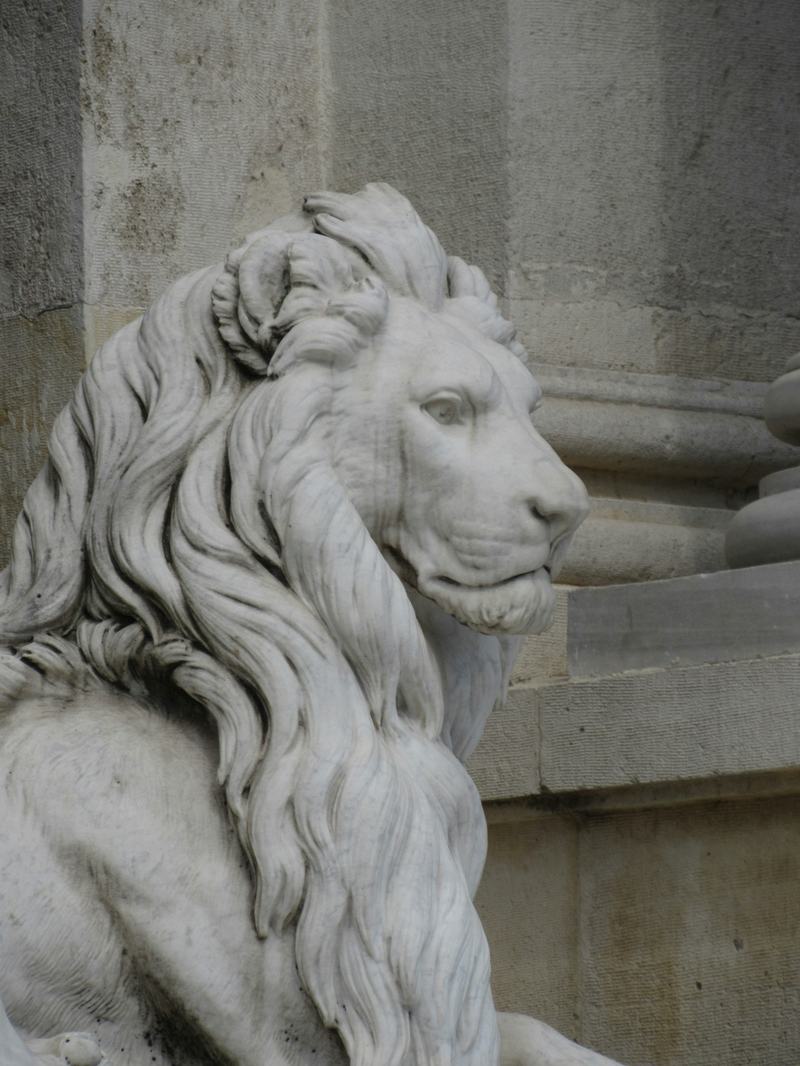
Beyond the palace, the neighborhood is renowned for its collection of historic yalı (waterfront mansions). These elegant wooden houses, often dating back to the 18th and 19th centuries, line the Bosphorus, each telling a story of Istanbul's wealthy elite. Notable religious buildings include:
- The Beylerbeyi Mosque: A beautiful example of Ottoman baroque architecture, built in the late 18th century by Sultan Abdülhamid I.
- Various historic Greek Orthodox churches and Armenian churches, which reflect the neighborhood's multicultural past, though many have undergone changes over time.
The streets winding uphill from the waterfront also feature charming old stone and wooden houses, showcasing a blend of traditional Ottoman domestic architecture.
Art
While Beylerbeyi is not known as a specific hub for contemporary art galleries or studios, its architectural splendor and breathtaking natural beauty have long served as an inspiration. The detailed craftsmanship found in the Beylerbeyi Palace, from its intricate carvings to its rich interior decorations, represents an artistic peak of 19th-century Ottoman imperial art and design. The elegant forms of the yalı, with their delicate woodwork and graceful proportions, also stand as enduring works of art themselves.
Historically, the serene Bosphorus views and the tranquil atmosphere of Beylerbeyi likely inspired poets, writers, and painters who sought solace or creative stimulation away from the city's intensity. Though specific artists may not be primarily associated with Beylerbeyi, the entire landscape can be seen as a living canvas, reflecting centuries of aesthetic appreciation and patronage.
Current Life
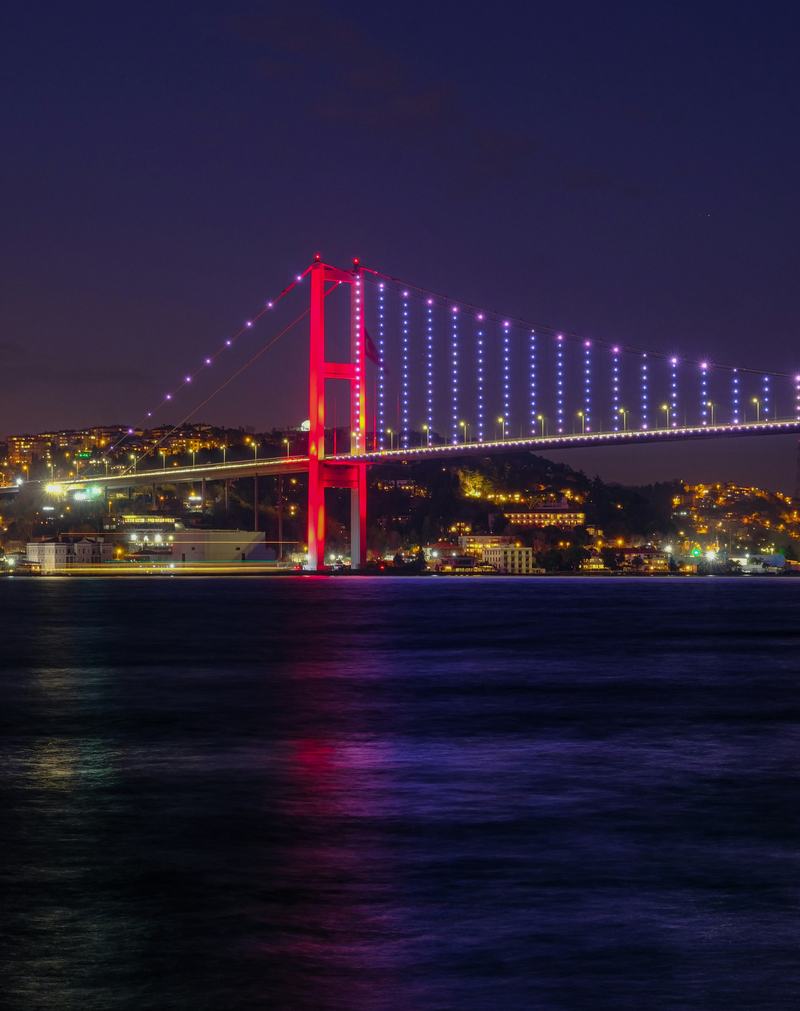
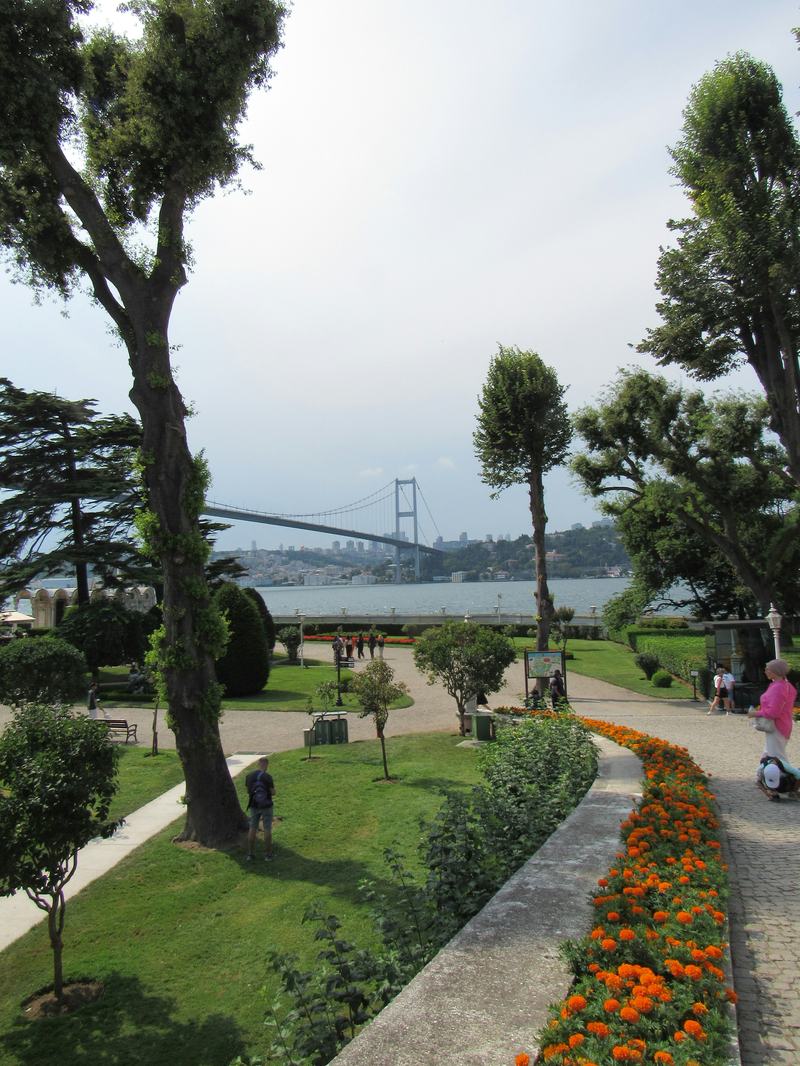
Today, Beylerbeyi maintains much of its historic tranquility, offering a distinct contrast to the bustling city centers. It remains primarily a residential neighborhood, characterized by a relaxed pace of life and a strong sense of community. The Bosphorus waterfront is a central feature, with locals and visitors enjoying strolls along the promenade, fishing, or simply watching the ships pass under the Bosphorus Bridge.
The area is home to charming cafes and traditional restaurants, many offering fresh seafood and stunning views. The influence of its past as an imperial retreat is still palpable, lending an air of understated elegance. While the Beylerbeyi Palace is a major tourist attraction, the rest of the neighborhood retains its local flavor, making it a desirable place for those seeking a peaceful, yet historically rich, corner of Istanbul. Life here unfolds at a gentle rhythm, anchored by the timeless beauty of the Bosphorus.
Frequently asked questions
What is the primary historical significance of Beylerbeyi?
Beylerbeyi served as a favored imperial retreat for Ottoman sultans and their court, evolving from a modest Bosphorus settlement into a distinguished residential area. Its historical significance is deeply tied to its role as a location for grand palaces and mansions for the Ottoman elite.
What does the name Beylerbeyi mean?
The name Beylerbeyi translates to "Lord of Lords" or "Governor-General's Palace." This name is believed to originate from a large wooden palace built in the area by Sultan Murad IV or an earlier governor's mansion, reflecting its historical association with high-ranking officials and imperial residents.
Are there notable architectural sites in Beylerbeyi besides the palace?
Yes, beyond the Beylerbeyi Palace, the neighborhood is famous for its historic yalı (waterfront mansions) that line the Bosphorus. Additionally, the Beylerbeyi Mosque, an example of Ottoman baroque architecture, and various historic Greek Orthodox and Armenian churches contribute to the area's rich architectural tapestry.
What kind of communities historically lived in Beylerbeyi?
Historically, Beylerbeyi hosted a diverse, affluent community. While predominantly Turkish, it also had significant populations of Greeks and Armenians, particularly during the late Ottoman period. These communities contributed to the neighborhood's unique cultural and social fabric.
What is current life like in Beylerbeyi?
Today, Beylerbeyi remains a tranquil, primarily residential neighborhood with a relaxed pace of life. It offers a strong sense of community, charming cafes, traditional seafood restaurants, and opportunities for strolls along the Bosphorus promenade. It retains an air of understated elegance, making it a peaceful corner of Istanbul.
How does Beylerbeyi relate to the Bosphorus?
Beylerbeyi's identity is intrinsically linked to the Bosphorus. Its strategic waterfront location made it an ideal imperial retreat, famous for its scenic views and refreshing breeze. The Bosphorus serves as the backdrop for its historic mansions and is central to the neighborhood's current daily life, with residents and visitors enjoying activities along its shores.