Neighborhoods
Eyüp: Istanbul's Sacred Sanctuary on the Golden Horn
Neighborhood Boundary
History
The neighborhood of Eyüp, nestled at the end of the Golden Horn, holds a profound spiritual significance that began with the Ottoman conquest of Constantinople in 1453. Before the conquest, the area was largely rural. Its transformation into a revered holy site commenced almost immediately after the city fell, with the discovery of what was believed to be the tomb of Abu Ayyub al-Ansari, a companion (Sahaba) of the Prophet Muhammad, who died during the first Arab siege of Constantinople in the 7th century.
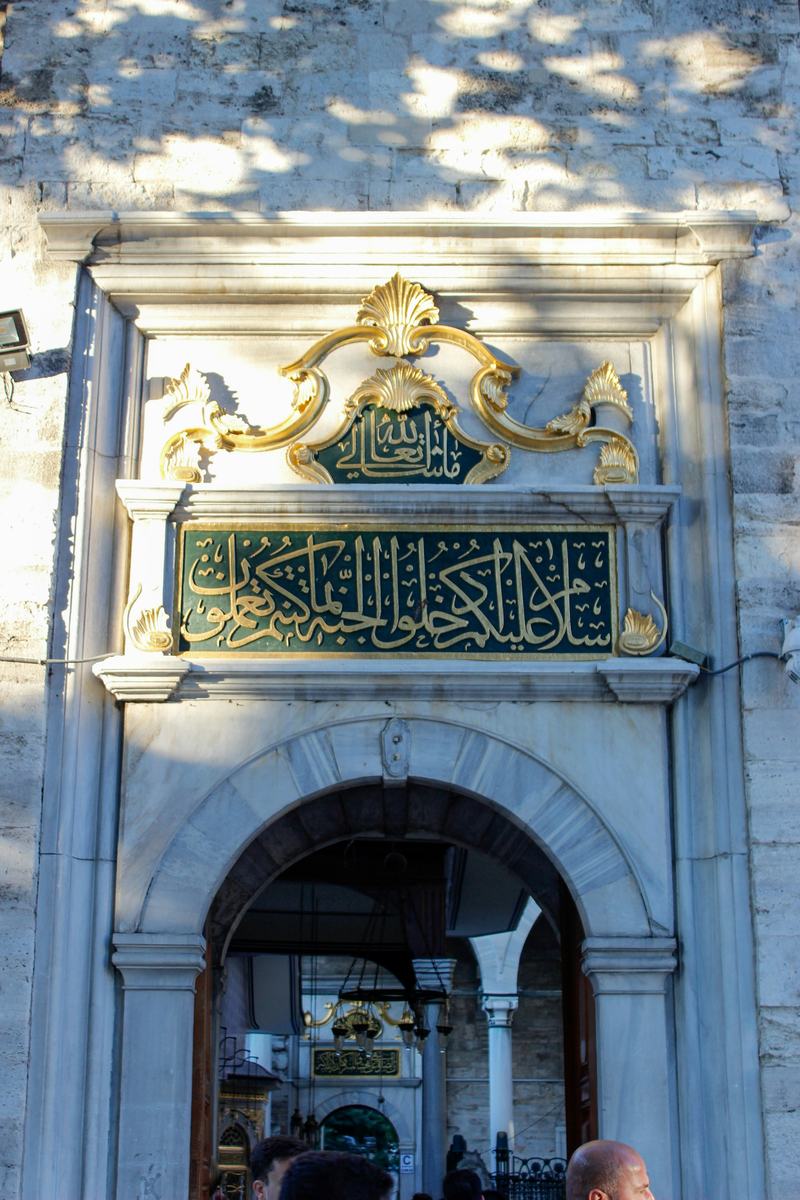
This discovery, often attributed to Akşemseddin, Sultan Mehmed the Conqueror's mentor, transformed Eyüp into a paramount pilgrimage destination. The construction of the Eyüp Sultan Mosque Complex over the tomb solidified its status as a sacred center. For centuries, Ottoman sultans would visit Eyüp for important ceremonies, including the girding of the sword of Osman, a ritual signifying their ascension to the throne. The surrounding hills became a vast, revered cemetery, drawing devout Muslims who wished to be buried near the esteemed companion.
Over the centuries, Eyüp evolved into a quiet, introspective district, distinct from the bustling imperial and commercial centers of Sultanahmet or Eminönü. Its character was shaped by its role as a spiritual retreat, attracting scholars, dervishes, and pious families, and fostering a unique atmosphere of devotion and memory that endures to this day.
Name Origin
The name Eyüp (pronounced 'Ay-yup') is derived from Eyüp Sultan, the local Turkish name for Abu Ayyub al-Ansari. This revered companion of the Prophet Muhammad is traditionally believed to have died and been buried here during the first Arab siege of Constantinople in the 7th century. After the Ottoman conquest, his purported tomb became the spiritual heart of the neighborhood, and the area adopted his name, reflecting its profound religious identity.
Communities
From the early Ottoman period, Eyüp cultivated a distinct identity, attracting a diverse array of devout communities. Primarily, it became a focal point for Muslims seeking spiritual proximity to the revered Eyüp Sultan. This drew not only pilgrims from across the empire but also families of scholars, dervishes, and pious individuals who chose to reside in the area, contributing to its quiet, contemplative atmosphere. The neighborhood became synonymous with Islamic piety, scholarship, and Sufi traditions, hosting numerous tekkes (dervish lodges) and medreses (religious schools). The desire to be buried near Eyüp Sultan also created a significant community around the vast cemeteries, making it a sacred landscape for generations. This continuous association with Islamic reverence has largely defined its communal character, preserving its spiritual essence through time.
Architecture
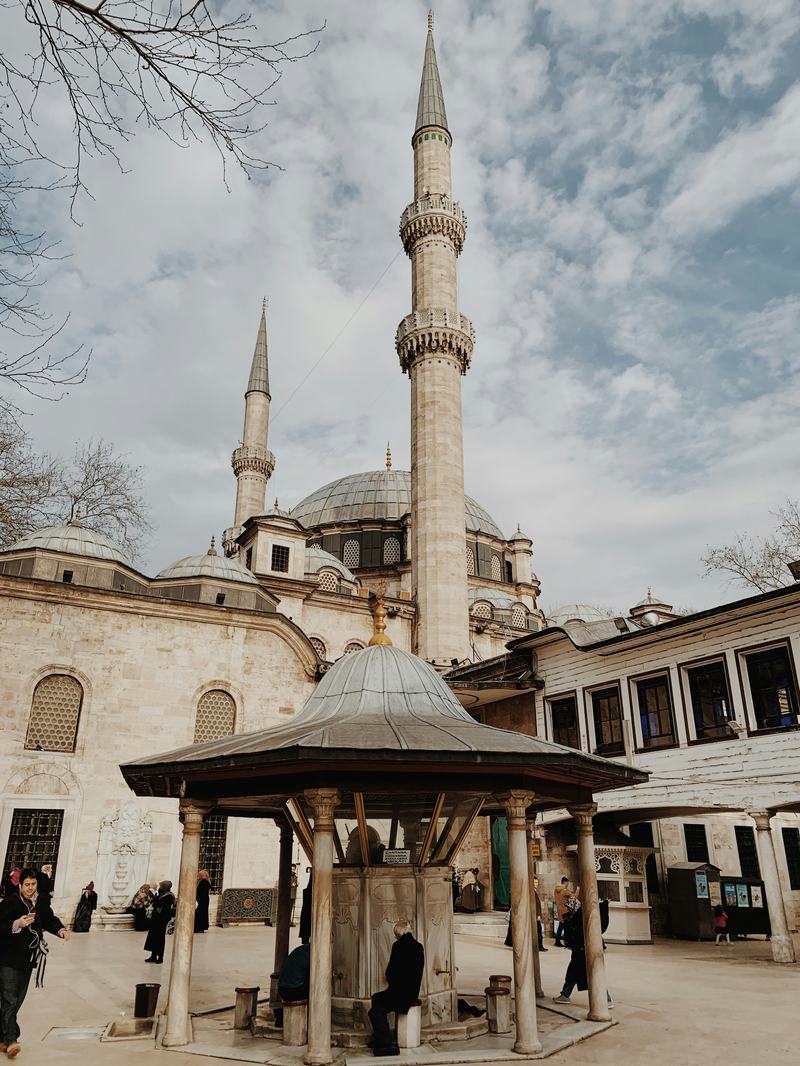
Eyüp's architecture is a testament to its spiritual legacy, characterized by Ottoman-era religious and funerary structures. The central jewel is the Eyüp Sultan Mosque Complex, which has been rebuilt and expanded significantly since its initial construction by Sultan Mehmed the Conqueror. While the original mosque was built shortly after 1453, much of the current structure dates from the 18th century, showcasing an elegant blend of classical Ottoman and Baroque influences. Key architectural elements include:
- Eyüp Sultan Mosque: A grand complex encompassing the revered tomb, a mosque, a madrasah, and various charitable institutions. Its distinct minarets and expansive courtyard are notable.
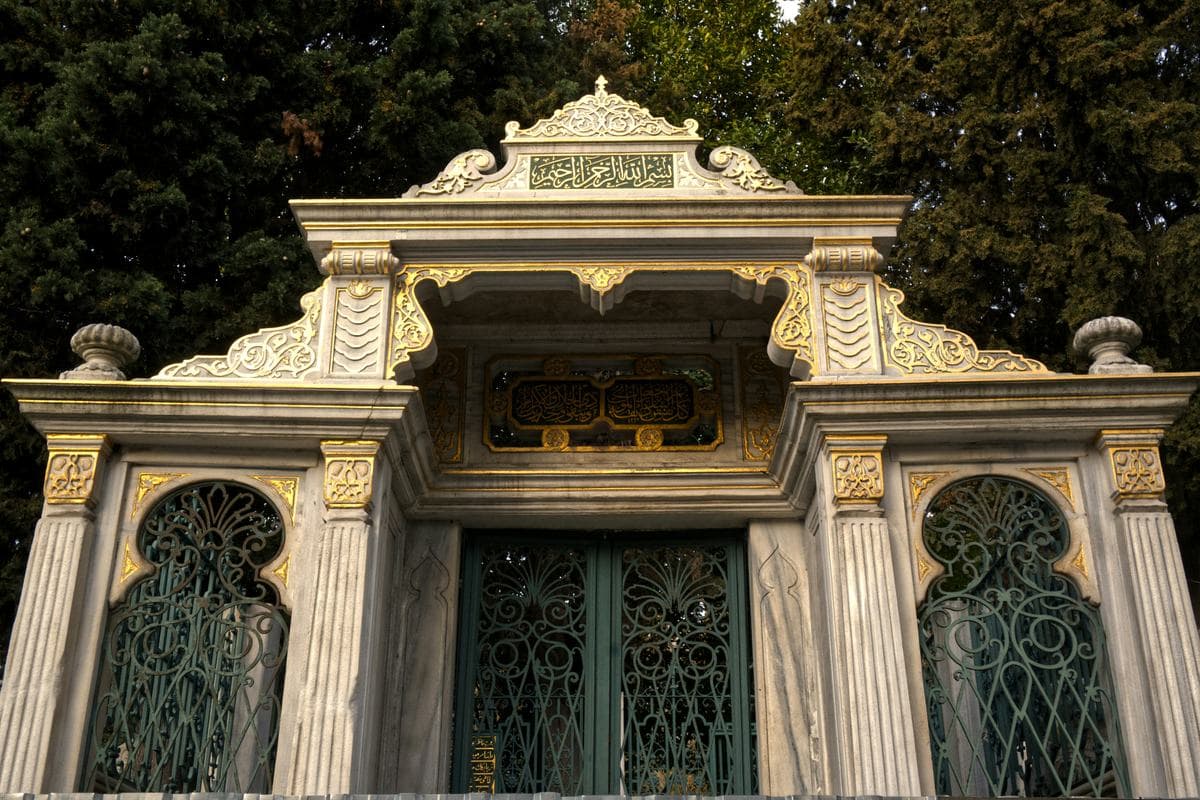
- Tomb of Abu Ayyub al-Ansari: The focal point of the complex, an intricately decorated türbe (mausoleum) revered as a holy site.
- Historic Türbes (Mausoleums): The surrounding cemetery, one of Istanbul's largest and oldest, is dotted with numerous Ottoman-era mausoleums belonging to grand viziers, sheikhs, and prominent families, many featuring exquisite tile work and calligraphy.
- Ottoman Wooden Houses: While fewer remain, traditional wooden Ottoman houses (konaks) once characterized the residential areas, offering a glimpse into domestic life around the sacred precinct.
- Fountains (Sebils): Numerous public fountains and sebils dot the neighborhood, built for ablution and charity, often adorned with fine Ottoman craftsmanship.
Art
The artistic heritage of Eyüp is deeply intertwined with its religious identity, reflecting centuries of devotion and craftsmanship. Calligraphy is particularly prominent, adorning the walls of the Eyüp Sultan Mosque, the tomb of Abu Ayyub al-Ansari, and countless gravestones within its extensive cemeteries. These inscriptions often feature verses from the Quran, prayers, or epitaphs, rendered in elegant Ottoman scripts.
The decorative arts, such as Iznik tiles and intricate woodwork, can be observed in the interior of the mosque and its associated structures. These elements contribute to the solemn yet beautiful atmosphere of the complex. The unique landscape of the Eyüp cemetery itself, with its ancient cypress trees and weathered marble gravestones, has long inspired poets and artists, evoking themes of mortality, peace, and spiritual contemplation. While not a hub for contemporary art galleries like Beyoğlu, Eyüp offers a rich tapestry of traditional Islamic arts that resonate with its historical and spiritual significance.
Current Life
Today, Eyüp remains a vibrant neighborhood where deep-rooted spiritual traditions seamlessly blend with contemporary urban life. It continues to be a significant site for both local residents and pilgrims from around the world, who visit the Eyüp Sultan Mosque and the tomb of Abu Ayyub al-Ansari. The area around the mosque hums with activity, featuring small shops selling prayer beads, religious texts, and traditional Ottoman sweets, catering to visitors.
Beyond the immediate sacred precinct, Eyüp is home to many families, maintaining a more traditional and conservative atmosphere compared to some of Istanbul's more cosmopolitan districts. The serene views of the Golden Horn from the Pierre Loti Hill, accessible via cable car, offer a tranquil escape and are popular with both locals and tourists. Everyday life here is marked by the call to prayer, the quiet reverence of pilgrims, and the rhythms of a community deeply connected to its historical and spiritual past, even as modern conveniences integrate into its ancient fabric.
Frequently asked questions
What is the main religious significance of Eyüp?
Eyüp is considered one of Istanbul's most sacred sites, primarily because it is believed to be the burial place of Abu Ayyub al-Ansari, a revered companion of the Prophet Muhammad. This makes the Eyüp Sultan Mosque Complex a significant pilgrimage destination for Muslims worldwide.
Who was Eyüp Sultan?
Eyüp Sultan is the local Turkish name for Abu Ayyub al-Ansari. He was a close companion of the Prophet Muhammad and famously hosted the Prophet in his home upon the Prophet's migration to Medina. He died during the first Arab siege of Constantinople in the 7th century and is traditionally believed to be buried in the area that now bears his name.
Can non-Muslims visit the Eyüp Sultan Mosque?
Yes, non-Muslims are generally welcome to visit the Eyüp Sultan Mosque. Visitors are expected to show respect for the sacred space by dressing modestly (women should cover their heads) and removing their shoes before entering the mosque's prayer hall. Photography is usually permitted, but with discretion.
What are some other historical sites to see in Eyüp?
Beyond the Eyüp Sultan Mosque and its surrounding complex, visitors can explore:
- The extensive historic Eyüp cemetery, with its many ornate Ottoman türbes (mausoleums).
- The scenic Pierre Loti Hill, offering panoramic views of the Golden Horn.
- Various Ottoman-era public fountains (sebils) and small mosques scattered throughout the neighborhood.
What is the best way to experience the Eyüp cemetery?
The best way to experience the Eyüp cemetery is often by taking a leisurely walk through its winding paths. Many prefer to start near the Eyüp Sultan Mosque and ascend towards Pierre Loti Hill. This allows for contemplation of the historic gravestones and mausoleums amidst ancient cypress trees, culminating in a beautiful view over the Golden Horn.
Is Eyüp easily accessible from central Istanbul?
Yes, Eyüp is accessible from central Istanbul. Public transport options include:
- Ferry boats: Regularly travel along the Golden Horn from Eminönü.
- Buses: Numerous bus lines connect Eyüp to various parts of Istanbul.
- Cable car (teleferik): Provides direct access to Pierre Loti Hill from near the Eyüp Sultan Mosque, offering scenic views during the ascent.
Are there any specific cultural events or traditions in Eyüp?
Eyüp is particularly active during Islamic holy days and festivals, such as Ramadan and Eid al-Fitr (Şeker Bayramı), when pilgrims and locals gather for prayers and celebrations. The neighborhood maintains a strong tradition of religious observance and hospitality, reflecting its spiritual character.