Neighborhoods
Kumkapı: Istanbul's Historic Armenian and Fishing Quarter
History
Nestled along the Marmara Sea, Kumkapı has a history stretching back to the Byzantine era, when it likely served as a small port or fishing settlement. Its strategic coastal location meant it was always connected to the sea, both as a source of livelihood and a gateway to wider trade. During the Ottoman period, Kumkapı evolved into a distinct urban quarter, distinguished by its vibrant multi-ethnic population.
A significant transformation occurred with the arrival of the railway in the late 19th century. The construction of the Sirkeci-Halkalı railway line along the coast, which passed through Kumkapı, physically altered the neighborhood's relationship with the sea, yet reinforced its connection to the broader city and beyond. Despite these changes, Kumkapı maintained its character as a working waterfront, where the rhythms of fishing continued to define much of its daily life through the 20th century. While some aspects of its past have faded, the echoes of its layered history remain discernible in its streets and structures.
Name Origin
The name Kumkapı is Turkish, translating directly to "Sand Gate." This name likely originated from one of the gates in the historic sea walls of Constantinople (modern-day Istanbul) that once protected the city's coastline, situated near a sandy beach or stretch of shore.
Communities
Kumkapı is perhaps most renowned for its long-standing and prominent Armenian community. From the Ottoman era onward, this neighborhood became a significant center for Armenians in Istanbul, housing numerous churches, schools, and cultural institutions that shaped the quarter's identity. The presence of the Armenian Patriarchate, which moved to Kumkapı in the 17th century, further solidified its importance as a spiritual and communal hub.
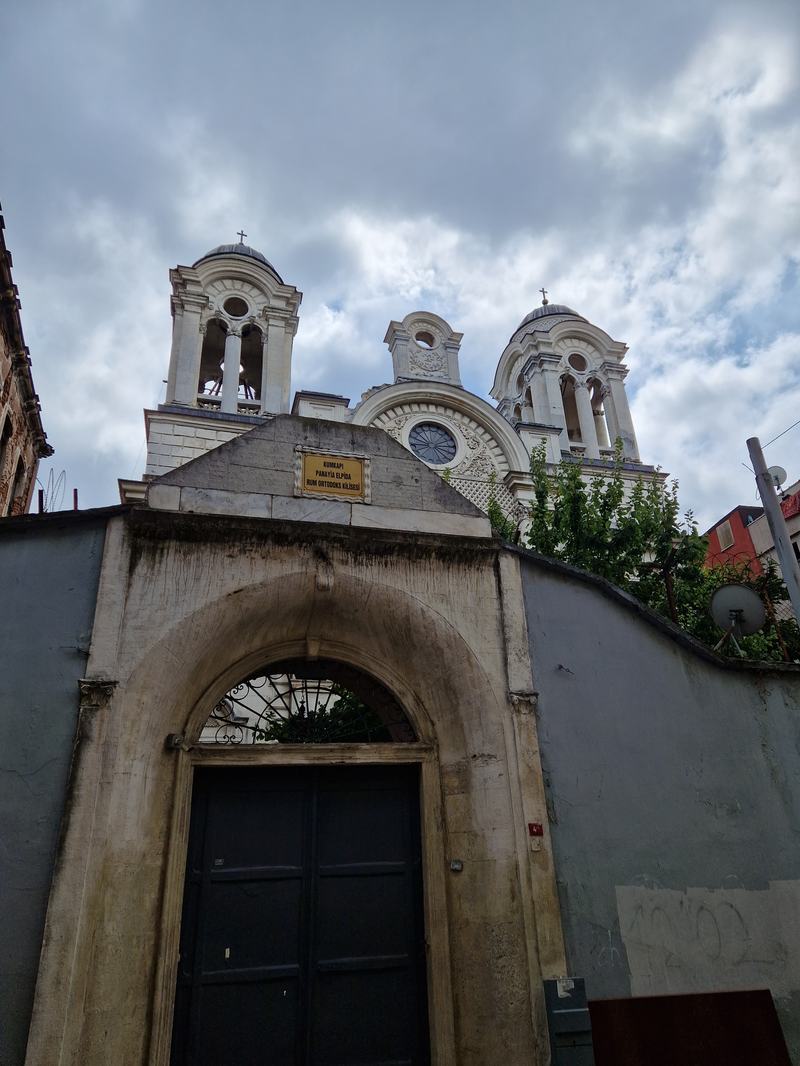
Beyond the Armenian presence, the neighborhood historically fostered a lively mosaic of communities, including Greek Orthodox residents and, crucially, a robust community centered around its fishing and maritime traditions. For centuries, fishermen, boat builders, and those involved in sea-related trades constituted a vital segment of Kumkapı's population, contributing to its unique working waterfront character. While the demographics have shifted over time, the legacy of these communities, particularly the Armenian heritage and the enduring connection to the sea, continues to define Kumkapı.
Architecture
Kumkapı's architecture tells the story of its diverse past. Prominent among its structures are the Armenian churches, which served as both spiritual centers and architectural landmarks for the community. Notable examples include:
- The Armenian Patriarchate of Constantinople complex, which houses the Surp Asdvadzadzin Patriarchal Church.
- Surp Vortvots Vorodman Church.
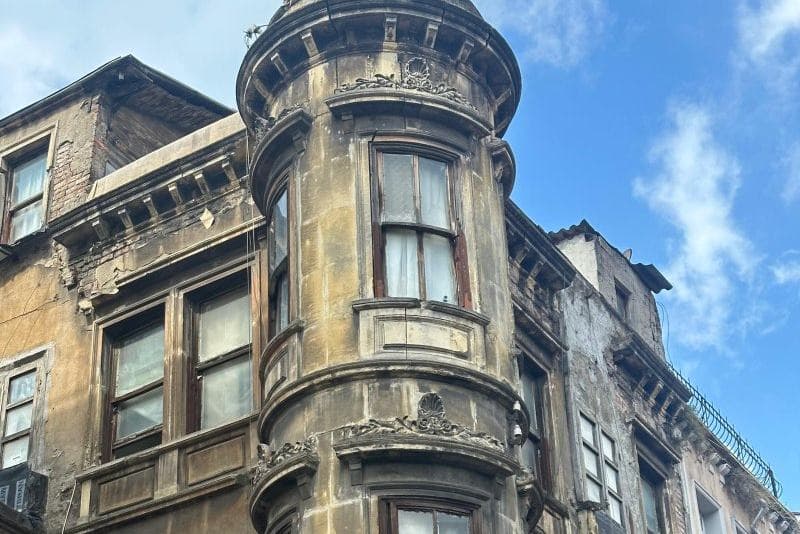
The neighborhood also features charming examples of traditional Ottoman-era wooden houses, some of which still stand, though many have given way to newer constructions or have been renovated. The coastal railway line, a significant 19th-century infrastructure project, also left its mark, influencing the urban plan and creating a distinct boundary between the historic quarter and the sea.
Art
While Kumkapı may not be known for a specific institutional art scene, its cultural fabric has always been rich with traditional expressions. The Armenian community, in particular, maintained vibrant artistic and musical traditions within its churches and community centers. These included liturgical music, folk songs, and traditional crafts that were integral to daily life and communal celebrations.
The working waterfront itself, with its colorful fishing boats and bustling activity, has long been a source of inspiration for local photographers and artists seeking to capture the authentic spirit of old Istanbul. The lively atmosphere of its traditional fish restaurants, often accompanied by live music, can also be considered a form of cultural expression, reflecting a deep-seated appreciation for culinary and social traditions.
Current Life
Today, Kumkapı maintains a distinct identity, even as it navigates the complexities of modern urban life in Istanbul. It remains a place where the scent of the sea mingles with the aroma of charcoal-grilled fish from its many restaurants. While the intensity of its fishing industry has somewhat diminished compared to its heyday, a working fishing port persists, and the daily catch still finds its way to the tables of its renowned seafood establishments.
The neighborhood continues to be a residential area, with a mix of long-time residents and newer inhabitants. The presence of the Armenian churches still marks its unique heritage, and these institutions remain active, serving their congregations and contributing to the cultural tapestry of the district. Although it attracts visitors drawn to its historic charm and culinary offerings, Kumkapı largely retains the feel of a local Istanbul neighborhood, where everyday routines unfold against a backdrop of centuries of history.
Frequently asked questions
What is the origin of the name Kumkapı?
The name Kumkapı is Turkish and translates to "Sand Gate." It is believed to refer to one of the ancient sea gates in Constantinople's defensive walls, located near a sandy stretch of coastline.
Which historical communities are most associated with Kumkapı?
Kumkapı is primarily known for its significant and historic Armenian community, which has maintained a strong presence for centuries, establishing churches and institutions. Additionally, a robust community of fishermen and maritime workers has historically defined the neighborhood's character.
Are there any notable architectural sites in Kumkapı?
Yes, Kumkapı is home to several important Armenian churches, including the Surp Asdvadzadzin Patriarchal Church within the Armenian Patriarchate of Constantinople complex, and the Surp Vortvots Vorodman Church. The neighborhood also features traditional Ottoman-era wooden houses.
What role did the railway play in Kumkapı's history?
The construction of the coastal railway line in the late 19th century significantly transformed Kumkapı. It physically altered the neighborhood's relationship with the Marmara Sea and integrated it more closely with the broader city, while still allowing its working waterfront character to persist.
Is Kumkapı still a fishing neighborhood today?
Yes, Kumkapı continues to have a working fishing port. Although the scale of the industry may have changed over time, fresh seafood from the daily catch is still a defining feature, especially for its renowned local restaurants.
What kind of culinary experience can one expect in Kumkapı?
Kumkapı is famous for its seafood restaurants. Visitors can expect a vibrant atmosphere where fresh fish and traditional Turkish meze are served, often accompanied by live music, reflecting a long-standing culinary and social tradition tied to its maritime heritage.