Neighborhoods
Moda: Istanbul's Historic Waterfront Quarter
History
Moda, a charming district within Kadıköy: From Ancient Chalcedon to Modern Cultural Hub, gained prominence in the late Ottoman period as a fashionable residential area. It attracted a diverse population, including prominent Ottoman and foreign families seeking a quieter life away from the bustling city center.
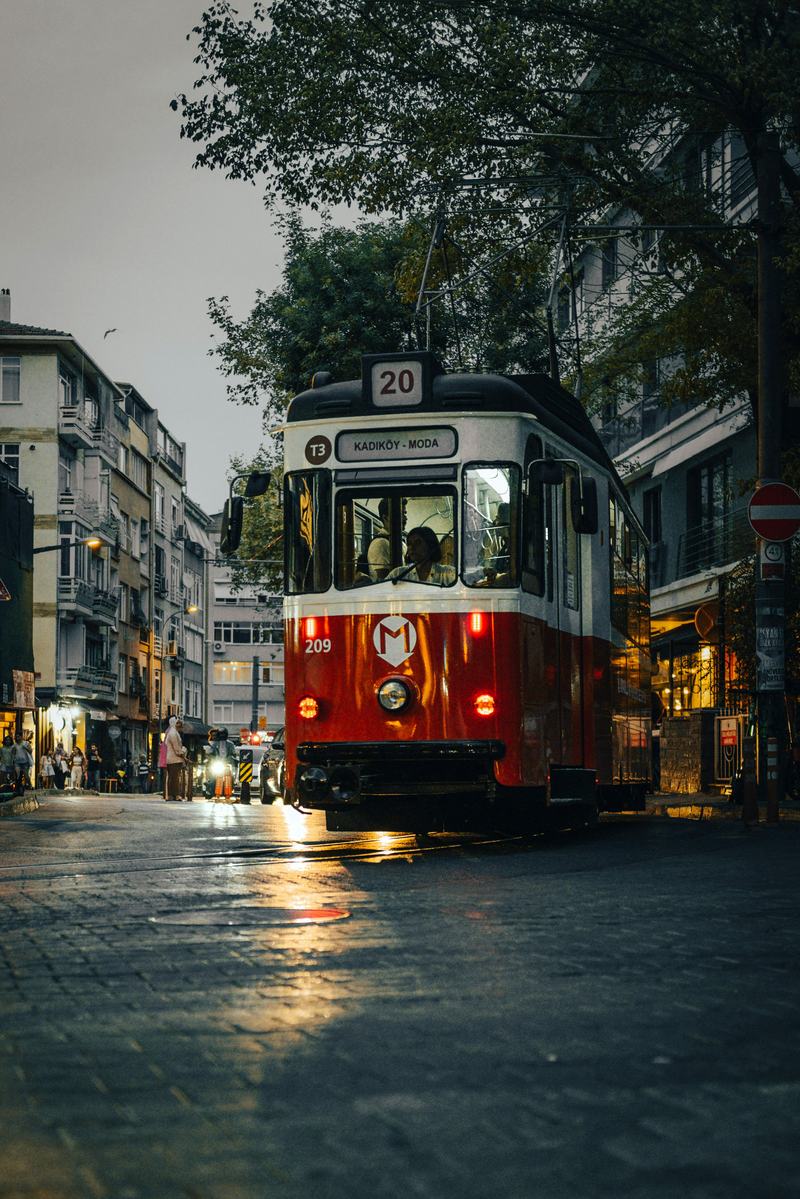
The neighborhood became known for its elegant villas and green spaces, offering refreshing sea breezes from the Sea of Marmara. During the early Republican era, Moda maintained its charm and continued to be a favored spot for intellectual and artistic circles, though specific records of this for the early Republican period are less universally documented. Its coastal location and recreational facilities, such as the historic Moda Pier, made it a popular destination for leisure and social gatherings.
Name Origin
The origin of the name Moda is often attributed to the fashionable lifestyle of its early residents. Local tradition suggests that the elegant attire and modern customs of the European and Ottoman elite who settled here led to the area being dubbed "Moda," meaning "fashion" in Turkish, derived from the French word "mode." While this explanation is widely accepted by locals, historical linguistic sources on its precise etymology can vary.
Communities
From its emergence as a favored residential district, Moda was characterized by its cosmopolitan population. During the late Ottoman period, it was home to a mix of Ottoman Turkish families, as well as significant Greek, Armenian, and Levantine communities. These communities contributed to a vibrant social fabric, reflected in the varied architectural styles and cultural institutions established in the area.
Many of the grand villas and apartment buildings built during this era were owned by these diverse families, whose presence shaped the neighborhood's unique character. Even as Istanbul's demographics shifted through the Republican era, Moda retained a sense of its multi-layered past, with remnants of these communities' heritage visible in various structures and local memories.
Architecture
Moda's architectural landscape is a testament to its history as an affluent residential area, featuring a blend of styles from the late 19th and early 20th centuries. The neighborhood is particularly known for its elegant Art Nouveau and neoclassical villas, many with expansive gardens and views of the Sea of Marmara.
- Many of these grand houses feature ornate facades, bay windows, and intricate ironwork.
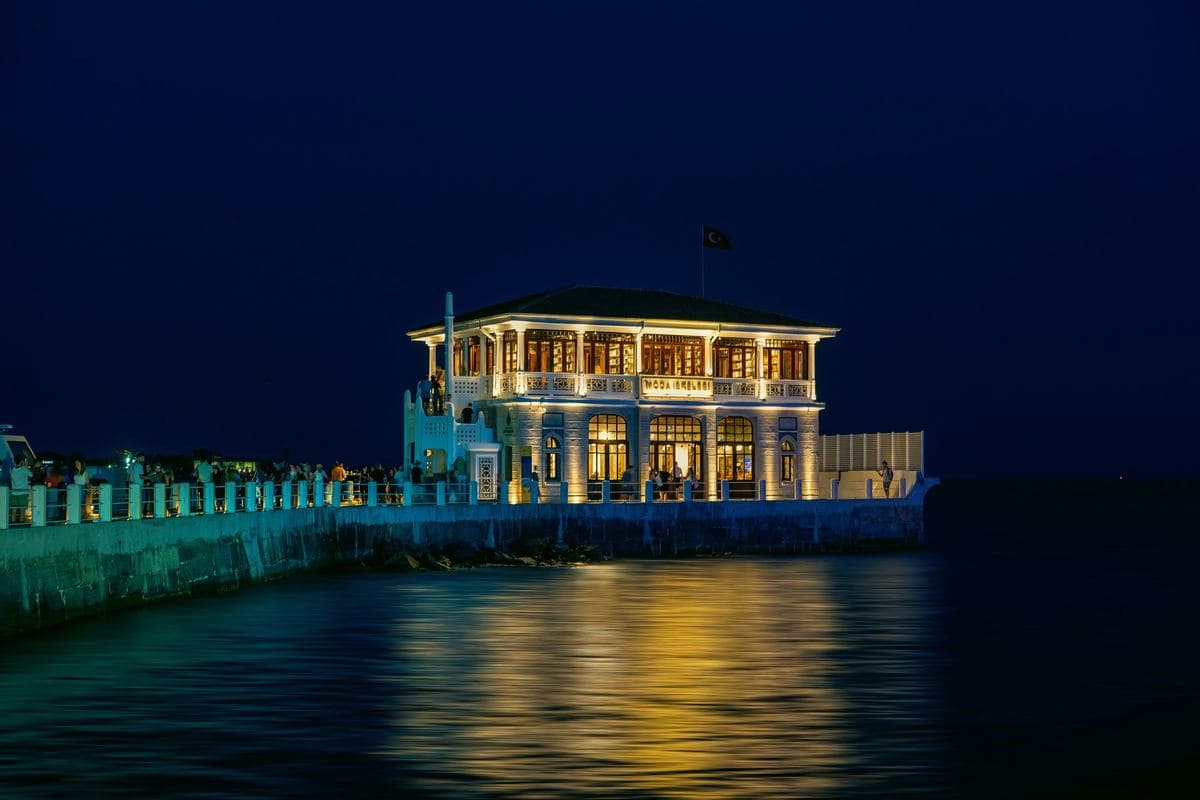
- Prominent examples include the historic Moda Pier building, designed in an Art Nouveau style, which has served as both a ferry terminal and a social hub.
- Beyond the villas, the area also showcases early Republican era apartment buildings that reflect a more modern, yet still refined, aesthetic.
The preservation of many of these structures contributes significantly to Moda's distinctive visual identity.
Art
Moda has long been associated with Istanbul's creative and intellectual life, particularly from the early 20th century onwards. Its tranquil atmosphere and scenic beauty drew artists, writers, and musicians seeking inspiration. The neighborhood's historic cafés have often been noted as spaces where intellectual and artistic discussions flourished.
Today, this artistic legacy continues with the presence of independent galleries, art studios, and cultural centers that contribute to its bohemian spirit. Regular cultural events, concerts, and literary readings are held in various venues, maintaining Moda's reputation as a hub for artistic expression.
Current Life
Today, Moda maintains its reputation as a relaxed and culturally rich neighborhood, distinct from the busier commercial centers of Kadıköy: From Ancient Chalcedon to Modern Cultural Hub. Life here revolves around its scenic waterfront promenade, where residents and visitors enjoy strolls and views of the Sea of Marmara. The streets are lined with a mix of historic buildings and newer, tasteful establishments, giving it a unique character.
- Cafés, known for their distinctive atmospheres, are central to Moda's social scene, offering spaces for conversation and leisure.
- Boutique shops and independent businesses contribute to a local economy that values unique offerings over chain stores.
- The neighborhood is popular among younger generations and families alike, drawn to its green parks, notably Moda Park, and its lively yet laid-back pace.
Moda’s enduring appeal lies in its ability to blend its historical elegance with a dynamic, contemporary cultural scene.
Frequently asked questions
What makes Moda unique compared to other Istanbul neighborhoods?
Moda stands out for its blend of late Ottoman and early Republican elegance, its scenic waterfront on the Sea of Marmara, and its historically cosmopolitan atmosphere. It offers a relaxed, culturally rich environment with distinctive architecture and a vibrant arts scene, distinguishing it from busier commercial areas.
Is Moda a good neighborhood for walking?
Yes, Moda is highly walkable. Its tree-lined streets, historic architecture, and especially its picturesque waterfront promenade make it ideal for strolls. There are also several parks, such as Moda Park, offering pleasant green spaces for recreation.
What kind of architecture can I expect to see in Moda?
Moda is known for its beautiful residential architecture, primarily featuring elegant Art Nouveau and neoclassical villas from the late 19th and early 20th centuries. You can also observe well-preserved early Republican era apartment buildings, all contributing to the neighborhood's distinctive visual charm.
How does Moda relate to Kadıköy?
Moda is a district within the larger municipality of Kadıköy: From Ancient Chalcedon to Modern Cultural Hub. While sharing Kadıköy's Asian side location, Moda has historically retained a more tranquil and residential character, evolving as a distinct cultural and social hub particularly around its waterfront and historic buildings, separate from Kadıköy's bustling commercial center.
Are there many cafes or art spaces in Moda?
Yes, Moda is well-known for its vibrant café culture and artistic scene. You'll find numerous charming cafés, often in historic settings, which are central to the neighborhood's social life. There are also independent art galleries, studios, and cultural centers that host events, contributing to Moda's reputation as a hub for creative expression.
What is the significance of the Moda Pier?
The Moda Pier is a historic landmark notable for its elegant Art Nouveau architecture. Beyond its function as a ferry terminal, it has historically served as an important social gathering point and a symbol of Moda's connection to the Sea of Marmara, offering both practical transport and a place for leisure.