
Neighborhoods
Beşiktaş: Istanbul's Bosphorus Crossroads
Neighborhood Boundary
History
Beşiktaş, positioned strategically along the European shore of the Bosphorus, boasts a deep history that intertwines imperial grandeur with maritime tradition. While early settlements in the area predate the Ottoman era, its true prominence began to emerge during the Byzantine period, serving as a significant point along the strait. However, it was under the Ottoman Empire that Beşiktaş transformed into a vital imperial precinct and a key naval hub.
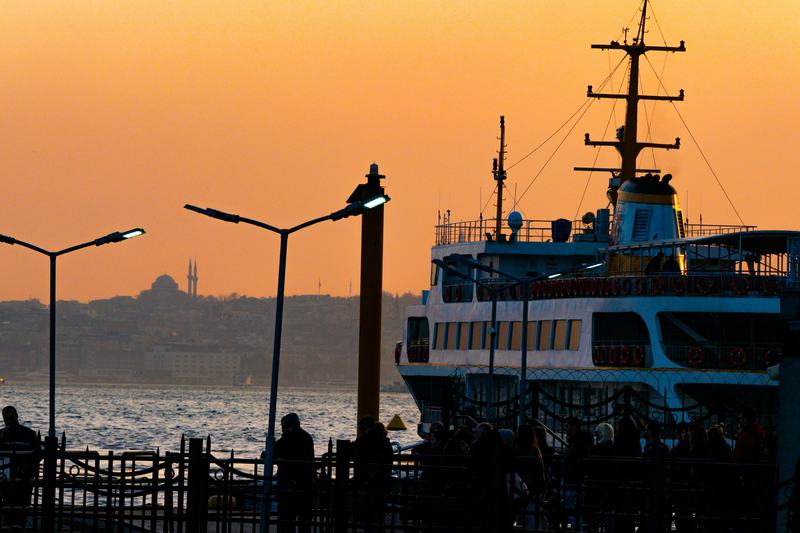
The neighborhood became a favored location for Ottoman sultans, leading to the construction of magnificent palaces and summer residences, which gradually shifted the imperial focus away from the historic core of Sultanahmet: Istanbul's Imperial Heart. Its proximity to the Bosphorus made it ideal for naval activities, hosting admirals and institutions crucial to the Ottoman fleet. This dual identity — as a center of power and a working waterfront — laid the foundations for the diverse character of modern Beşiktaş. Over centuries, it evolved from an exclusive imperial retreat into a bustling residential and commercial district, yet its historical layers remain deeply embedded in its urban fabric.
Name Origin
The origin of the name Beşiktaş is subject to some historical debate, with several theories proposed. One widely cited explanation links it to the Turkish phrase 'beşik taş', meaning 'cradle stone' or 'five stones'. This might refer to a specific landmark or a set of stones that once stood in the area.
Another theory suggests a connection to a Byzantine-era church or monastery dedicated to *Koimesis* (the Dormition of the Theotokos). According to this account, the church housed five sacred stones brought from Mount Athos. Regardless of the precise origin, the name has been in use for centuries, reflecting the neighborhood's ancient roots.
Communities
Historically, Beşiktaş developed as a diverse residential area, largely shaped by its role as an imperial center and a naval base. During the Ottoman period, it housed a significant population of Turks, many of whom were associated with the imperial palaces, the military, or maritime trades. Its strategic location and connection to the imperial court also attracted a blend of other communities, including Greeks and Armenians, who contributed to the economic and social life of the district, particularly in various artisanal and commercial capacities. As Istanbul grew, Beşiktaş continued to be a melting pot, reflecting the city's broader demographic shifts, with people from different backgrounds coexisting within its expanding urban landscape, drawn by opportunities and its proximity to key institutions.
Architecture
Beşiktaş showcases a remarkable array of architectural styles, reflecting its storied past as an imperial residential area and a modern urban center. The most prominent examples are the grand Ottoman palaces along the Bosphorus, which represent the empire's later period of architectural development.
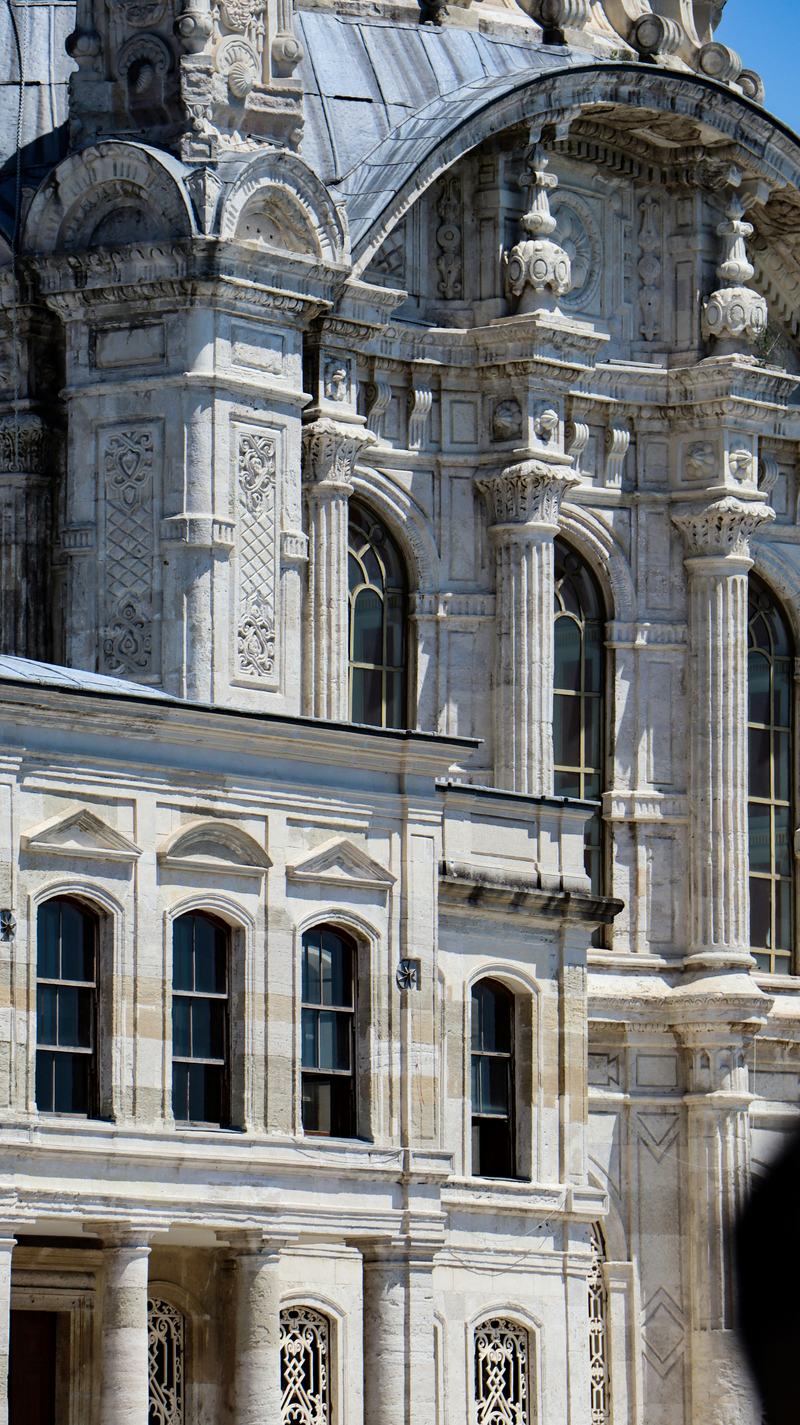
- Dolmabahçe Palace: A magnificent example of 19th-century Ottoman architecture, blending Baroque, Rococo, and Neoclassical styles. It served as the main administrative center of the Ottoman Empire from 1856 to 1887 and again from 1928 to 1922.
- Çırağan Palace: Originally an Ottoman palace, it was reconstructed in the mid-19th century and now serves as a luxury hotel, showcasing opulent design and an impressive Bosphorus frontage.
- Yıldız Palace: A complex of pavilions and villas built in the late 19th century, it was the fourth Ottoman palace built on the Bosphorus, known for its extensive parklands.
- Sinan Pasha Mosque: Designed by the legendary Ottoman architect Mimar Sinan in the 16th century, it is a classic example of Ottoman mosque architecture.
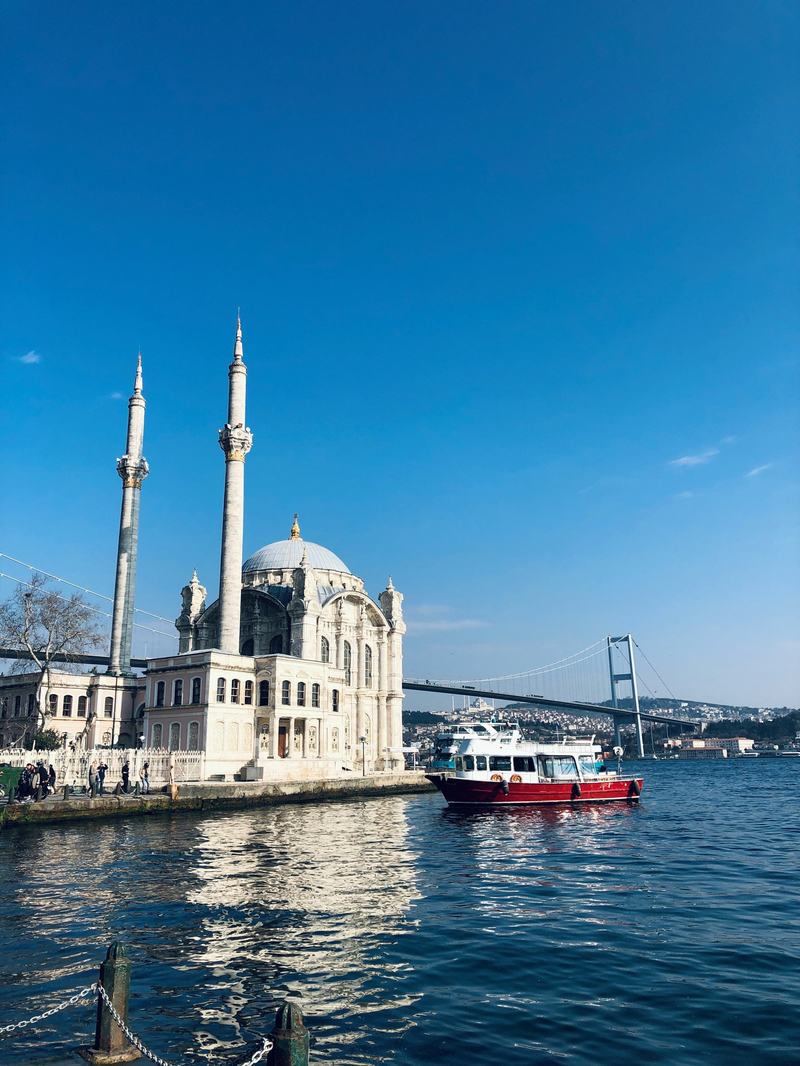
- Ortaköy Mosque (Büyük Mecidiye Camii): Situated on the Bosphorus, this elegant mosque, designed by the Balyan family in the 19th century, features a distinctive Neo-Baroque style.
Beyond the imperial structures, Beşiktaş also features a variety of more modest, yet historically significant, residential buildings, from traditional wooden Ottoman houses known as yalı lining the Bosphorus to later apartment blocks reflecting 20th-century urban development.
Art
As a former imperial precinct, Beşiktaş has a historical connection to courtly arts and crafts, with the palaces themselves serving as canvases for exquisite Ottoman decorative arts, calligraphy, and tiling. In the modern era, Beşiktaş has evolved into a significant hub for contemporary art and creative culture.
- Numerous art galleries and exhibition spaces have emerged, particularly in the more dynamic parts of the district, hosting local and international artists.
- The presence of institutions like Mimar Sinan Fine Arts University nearby infuses the area with student artists and fosters a vibrant intellectual and creative atmosphere.
- The neighborhood's cafes and cultural centers often host literary events, music performances, and workshops, making it a focal point for Istanbul's burgeoning creative scene.
The blend of historic grandeur and modern artistic expression gives Beşiktaş a unique cultural texture, appealing to both traditional art enthusiasts and those seeking contemporary creativity.
Current Life
Today, Beşiktaş is one of Istanbul's most dynamic and sought-after districts, successfully blending its imperial legacy with a vibrant, contemporary urban life. It serves as a major transportation hub, connecting various parts of the city through its busy ferry terminal, bus stops, and main roads.
Everyday life in Beşiktaş is characterized by a lively atmosphere, particularly around its renowned çarşı (market area). This bustling heart of the district offers a rich culinary scene, from traditional Turkish eateries and street food vendors to modern cafes and upscale restaurants. The famous Beşiktaş Fish Market is a cornerstone of daily commerce, offering fresh seafood and local produce.
Beyond its commercial vitality, Beşiktaş is deeply intertwined with sports culture, largely due to the formidable presence of Beşiktaş JK, one of Turkey's oldest and most successful football clubs. Match days transform the neighborhood into a sea of black and white, with fervent fans creating an unforgettable atmosphere. The district also offers green spaces like Yıldız Park, providing a tranquil escape from the urban hustle, and is home to several universities, contributing to its youthful and intellectual energy.
Frequently asked questions
What are the key historical sites to visit in Beşiktaş?
Beşiktaş is rich in historical sites, especially those from the late Ottoman period. Key attractions include the magnificent Dolmabahçe Palace, the opulent Çırağan Palace (now a hotel), and the extensive grounds of Yıldız Palace. You can also visit the historic Sinan Pasha Mosque, designed by Mimar Sinan, and the picturesque Ortaköy Mosque on the Bosphorus shore.
What is the origin of the name Beşiktaş?
The origin of 'Beşiktaş' is debated among historians. One popular theory suggests it comes from the Turkish phrase 'beşik taş', meaning 'cradle stone' or 'five stones', possibly referring to a specific historical landmark. Another theory links it to a Byzantine church or monastery that held five sacred stones from Mount Athos. Both theories point to the area's ancient roots.
How has Beşiktaş's maritime history shaped the district?
Beşiktaş's position directly on the Bosphorus made it a crucial maritime center throughout history. During the Ottoman Empire, it was a significant naval hub, hosting admirals and institutions vital to the Ottoman fleet. This strong connection to the sea is still visible today in its active ferry terminal and its historic waterfront, reflecting centuries of naval and trade activity.
What kind of architectural styles can be seen in Beşiktaş?
Beşiktaş showcases a diverse range of architectural styles. The most prominent are the grand 19th-century Ottoman palaces like Dolmabahçe and Çırağan, which feature elaborate Baroque, Rococo, and Neoclassical influences. Earlier Ottoman architecture is represented by mosques such as the 16th-century Sinan Pasha Mosque. The district also features traditional wooden yalı (Bosphorus mansions) and later 20th-century urban residential blocks.
How does sports culture contribute to the identity of Beşiktaş?
Sports culture, particularly through the prominent football club Beşiktaş JK, is a fundamental part of the neighborhood's identity. The club is one of Turkey's oldest and most successful, and its presence deeply influences the local atmosphere. On match days, the district comes alive with passionate fans, turning Beşiktaş into a vibrant center of sporting enthusiasm and community pride.
What is daily life like in Beşiktaş today?
Daily life in Beşiktaş is bustling and dynamic. It functions as a significant transportation hub and a lively commercial center, especially around its çarşı (market area). Residents and visitors enjoy a rich culinary scene, ranging from traditional street food to modern cafes. The presence of universities also contributes to a youthful and intellectual energy, making it a vibrant place to live, work, and visit.