
Neighborhoods
Balat: A Tapestry of Cultures on the Golden Horn
Neighborhood Boundary
History
Nestled along the southern shores of the Golden Horn, Balat has long been a witness to Istanbul's vibrant, multi-layered past. Its strategic position made it a bustling port suburb even during the Byzantine era.
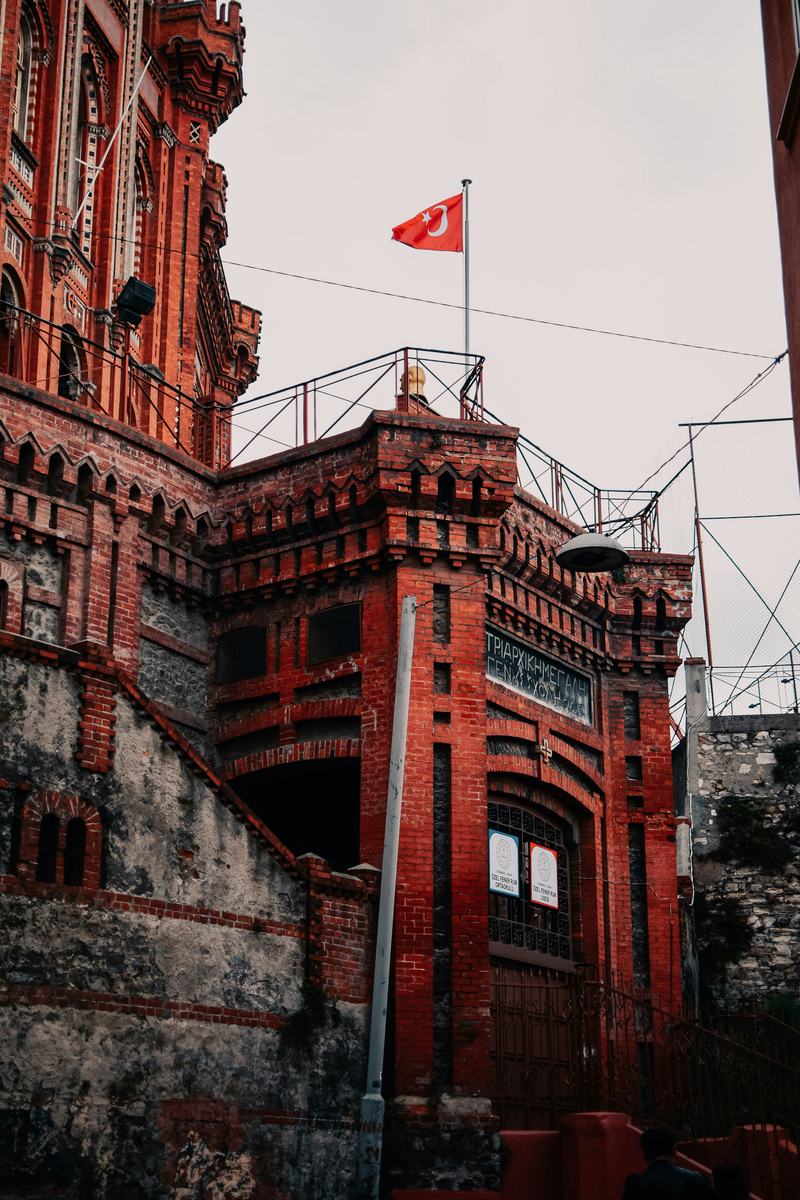
A pivotal moment in Balat's demographic history occurred after 1492, when Sultan Bayezid II invited Sephardic Jews, expelled from Spain, to settle in various parts of the Ottoman Empire. Many found a new home in Balat, establishing a distinctive Jewish community that would thrive there for centuries. Alongside this, the neighborhood maintained a strong presence of the Greek Orthodox community, coexisting with Turkish Muslim residents, making Balat a truly multicultural quarter for much of its history. However, the 20th century saw significant demographic shifts, leading to a decline in its non-Muslim populations. Today, Balat is recognized as part of the Historic Areas of Istanbul, a designation by the UNESCO World Heritage Centre — Historic Areas of Istanbul, acknowledging its profound historical and architectural significance.
Name Origin
The name Balat is widely believed to originate from the Greek word palation, meaning “palace”. This may refer to a Byzantine palace that once stood nearby, suggesting a connection to the imperial past of Constantinople.
Architecture
Balat's architecture offers a captivating visual narrative of its diverse past. Its narrow, winding cobbled streets are lined with distinctive Ottoman wooden houses, often painted in vibrant hues, featuring characteristic bay windows (cumbalı evler). These multi-story residences reflect centuries of urban life and communal living.
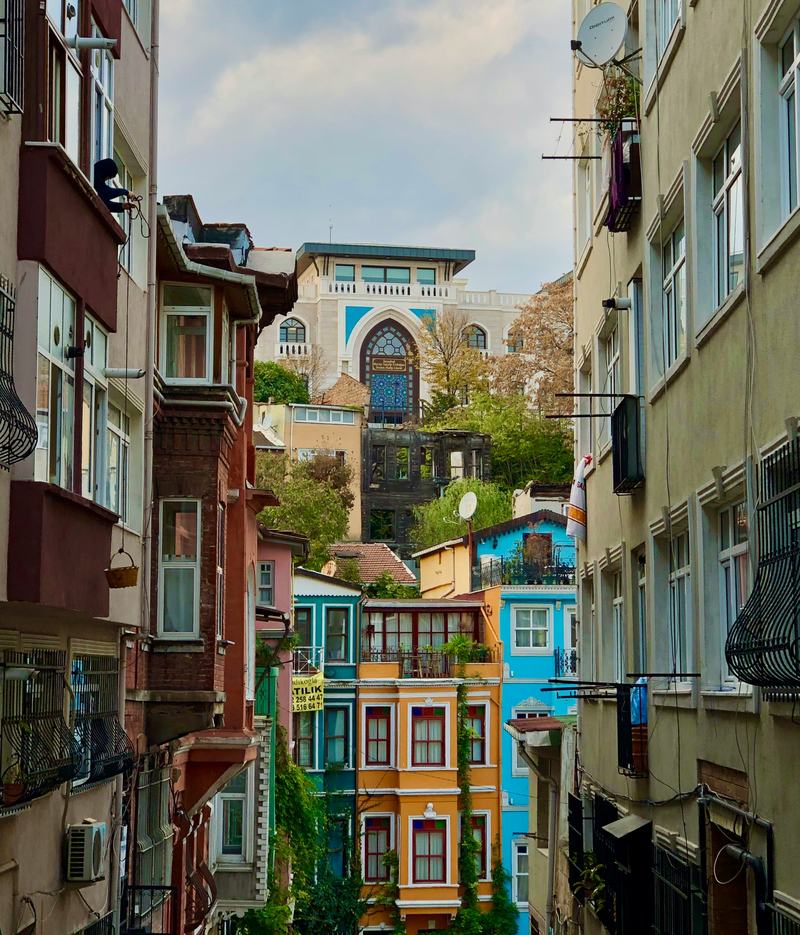
The neighborhood's religious diversity is physically etched into its streetscape through a blend of architectural styles. Visitors can encounter historic synagogues, such as the renowned Ahrida Synagogue, alongside Greek Orthodox churches and Ottoman mosques, each contributing to the neighborhood's unique visual identity and testifying to the peaceful coexistence of different faiths over generations.
Art
While not historically renowned as a center for traditional art, contemporary Balat has emerged as a vibrant hub for creativity and artistic expression. In recent years, the neighborhood has seen a blossoming of independent art galleries and workshops, breathing new life into its historic fabric.
Beyond formal galleries, Balat's artistic pulse can be felt in its burgeoning street art scene, with murals adorning walls and creative cafes hosting exhibitions. This burgeoning creative culture underscores Balat's ongoing transformation, attracting artists and designers who find inspiration in its unique atmosphere.
Current Life
Today, Balat is a neighborhood in flux, harmoniously blending tradition with a burgeoning contemporary spirit. It remains a residential area, where the daily rhythms of local life unfold amidst historic surroundings. Yet, it has also become a magnet for a new generation of entrepreneurs and artists.
The cobbled streets are now dotted with charming cafes, artisanal boutiques, and antique shops, drawing both locals and international visitors. Despite these changes, a strong sense of community persists. The ongoing revitalization efforts, supported by entities like the Fatih Municipality, aim to preserve Balat's unique heritage while fostering its dynamic evolution, making it a compelling microcosm of Istanbul's enduring ability to reinvent itself.
Frequently asked questions
What is Balat known for?
Balat is primarily known for its rich multicultural history, particularly its deep roots with the Jewish community and Greek Orthodox community, its distinctive historic Ottoman architecture, and its recent emergence as a vibrant cultural and artistic hub in Istanbul.
What kind of architecture can I expect to see in Balat?
You will encounter a fascinating array of historic Ottoman wooden houses, often characterized by their vibrant colors and bay windows. The neighborhood also features historic synagogues, Greek Orthodox churches, and mosques, all nestled within narrow, winding streets that evoke its storied past.
Is Balat a good place for art and culture?
Yes, in recent years, Balat has become a significant center for contemporary art and culture. It is home to numerous independent art galleries, creative workshops, and charming cafes, attracting artists and visitors interested in its burgeoning creative scene and unique atmosphere.
How does Balat's past influence its present-day atmosphere?
Balat's multicultural past, particularly its centuries-long association with the Jewish community and Greek Orthodox community, profoundly shapes its present. This heritage is visible in its diverse religious architecture and the layered stories embedded in its streets, which now blend with a new wave of artistic and cultural vitality.
Written by Istanbook Editorial Team