Neighborhoods
Eminönü: Istanbul's Historic Port and Trading Hub
Neighborhood Boundary
History
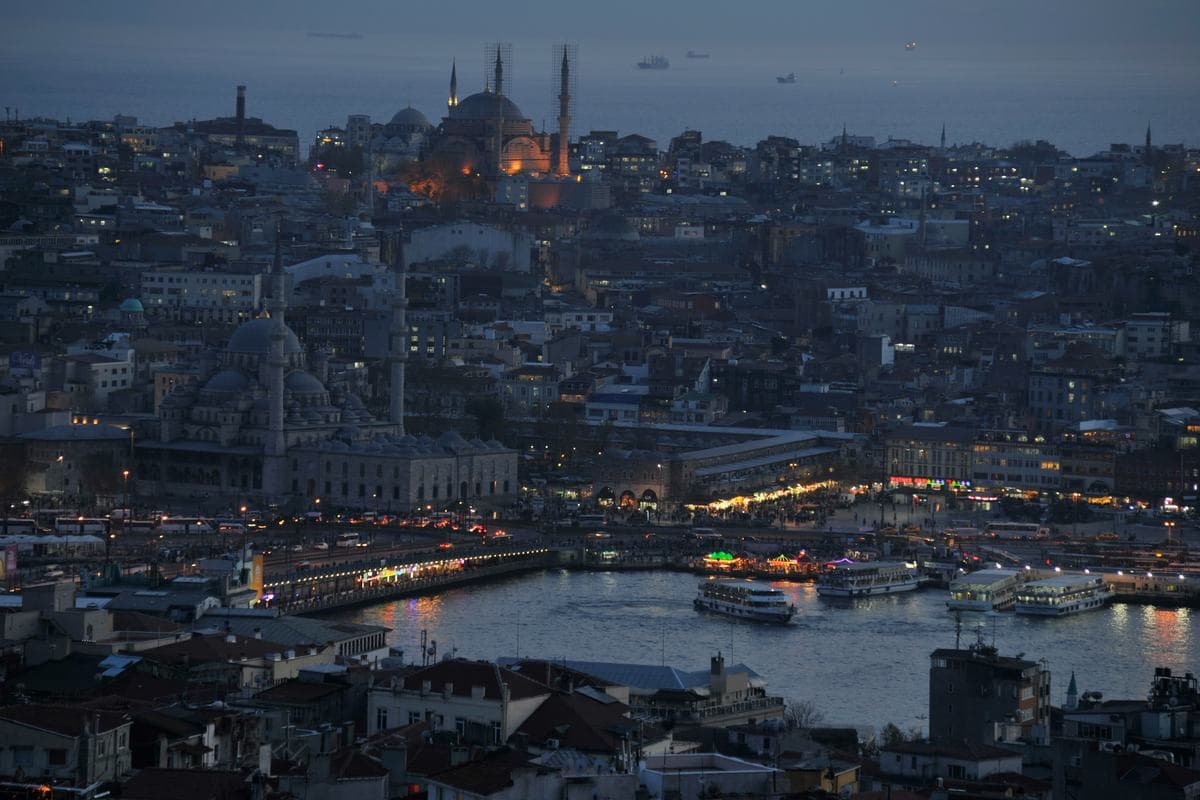
For centuries, Eminönü has stood as Istanbul's vibrant gateway, a bustling nerve center where the currents of trade, migration, and daily life converge. Its strategic location at the mouth of the Golden Horn and facing the Bosphorus made it an indispensable port and marketplace throughout the Byzantine and Ottoman eras. From the shores of Eminönü, countless ships set sail and docked, bringing goods and people from across empires and continents, shaping not just the city's economy but also its diverse cultural fabric.
This district was historically a hive of commercial activity, organized into intricate networks of guilds and markets. Merchants from distant lands traded their wares alongside local artisans, creating a rich tapestry of sights, sounds, and smells. The area served as a primary customs district, overseeing the flow of imports and exports, and was essential to Istanbul's identity as a major global entrepôt. Over time, Eminönü evolved, reflecting the ebb and flow of empires, yet its core function as a place of ceaseless movement and commerce remained.
Name Origin
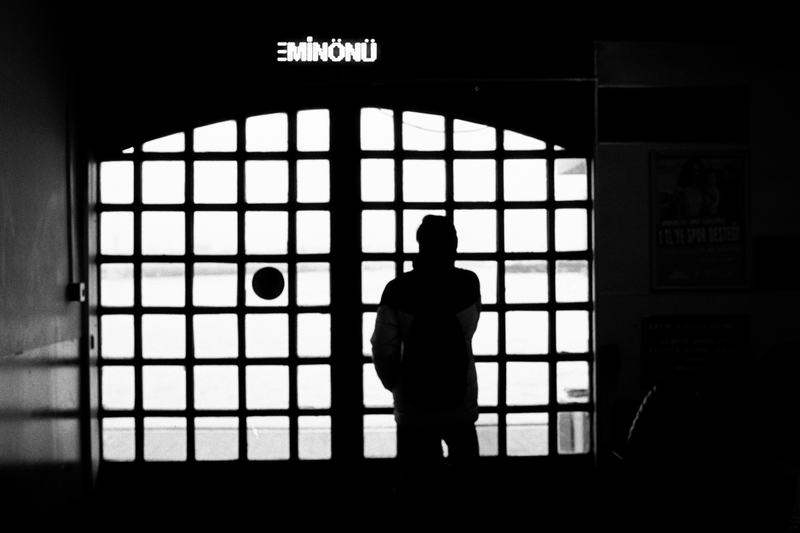
The name Eminönü is derived from Turkish, meaning "in front of the emin" or "on the side of the emin." The term emin refers to a chief customs officer or inspector. This nomenclature directly reflects the area's historical role as the primary customs house and port authority of Istanbul. It was here that duties were collected and all goods entering and leaving the city by sea were inspected, making it a crucial administrative and economic hub.
Architecture
Eminönü's architecture is a testament to its long and varied history, marked by grand imperial projects and utilitarian commercial structures. Among its most striking landmarks is the Yeni Cami (New Mosque), an imposing Ottoman imperial mosque that dominates the waterfront with its elegant domes and minarets. Nearby, the majestic Süleymaniye Mosque, though not strictly within Eminönü's modern boundaries, profoundly influences its skyline and cultural landscape.
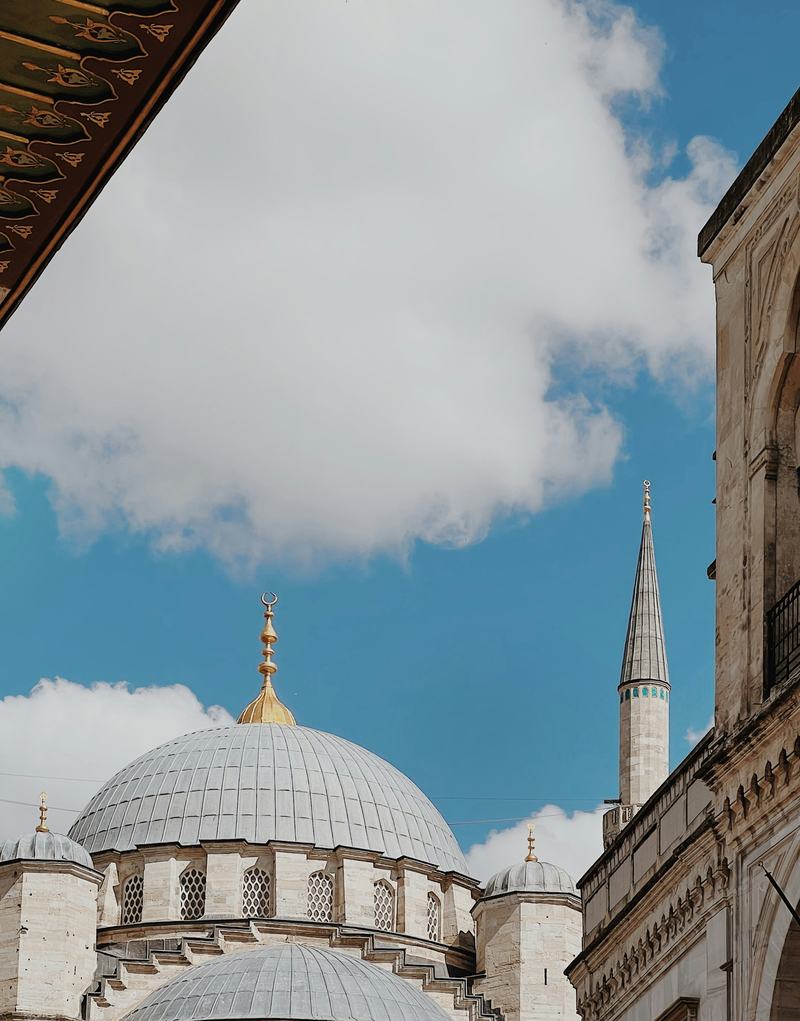
The district is also home to:These structures collectively tell the story of Eminönü's enduring legacy as a center of trade, faith, and transit.
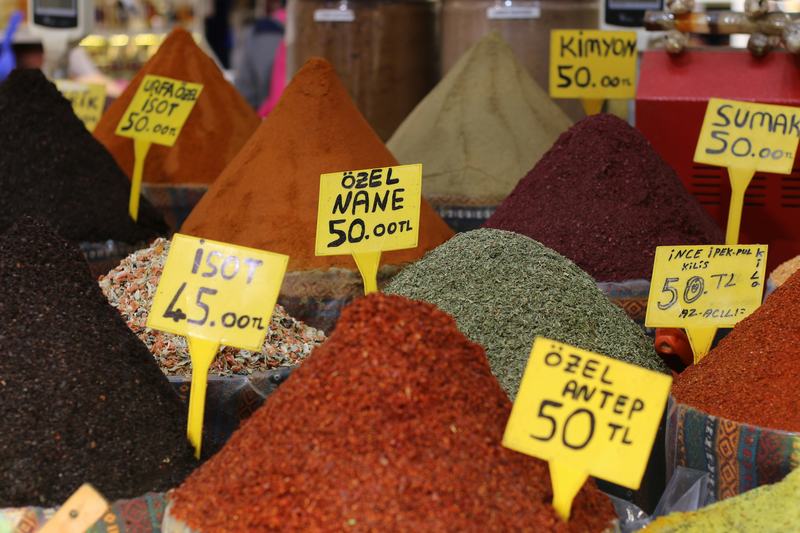
- The Spice Bazaar (Mısır Çarşısı), an iconic covered market whose present structure dates back to the 17th century, famous for its spices, sweets, and various goods.
- Numerous hans (caravanserais), historical courtyards that once provided lodging and storage for merchants and their goods, reflecting the intense commercial activity.
- The Sirkeci Garı (Sirkeci Terminal), the historic terminus of the Orient Express, a magnificent example of Art Nouveau architecture that once welcomed travelers from Europe.
Art
While Eminönü is not traditionally known for contemporary art galleries or performance venues, its artistic and creative culture is deeply embedded in its historical tapestry and daily life. The intricate tile work, calligraphy, and architectural grandeur of its mosques and historical buildings showcase centuries of Ottoman artistic expression.
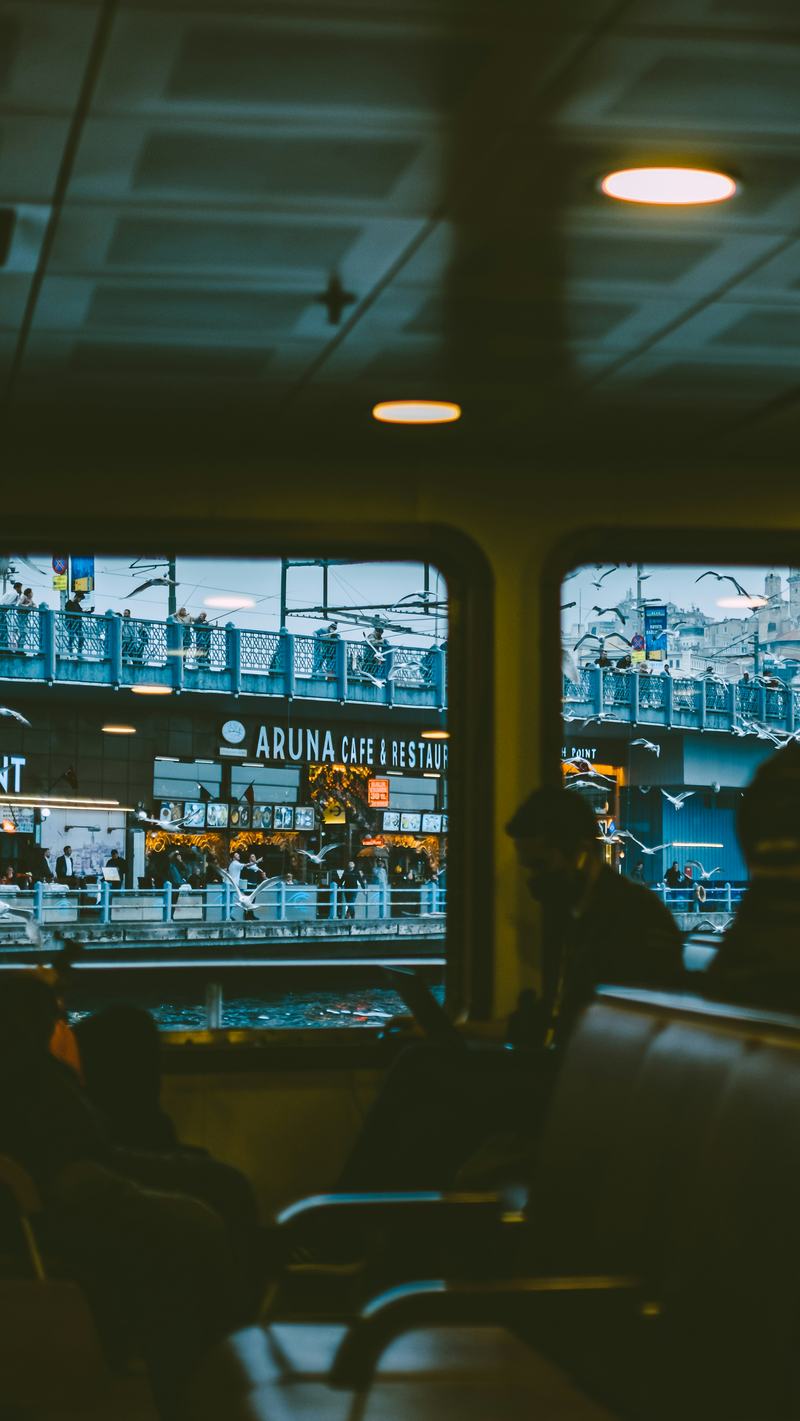
Furthermore, the vibrant atmosphere of its markets, particularly the Spice Bazaar, presents a dynamic sensory experience that many consider a living form of cultural art. The traditional craftsmanship found in the goods sold – from intricately woven textiles to meticulously prepared confections – reflects a heritage of artistry passed down through generations. The bustling waterfront, with its iconic fishing boats and the rhythmic calls of street vendors, also offers a unique, almost theatrical, slice of Istanbul's creative spirit.
Current Life
Today, Eminönü remains one of Istanbul's most dynamic and densely populated districts, a place where the past seamlessly blends with the present. It continues its legacy as a major transportation hub, with ferry lines connecting the European and Asian sides of the city, and tramways crisscrossing its busy streets. The area is a magnet for both locals and visitors, drawn by its historical sites, bustling markets, and lively atmosphere.
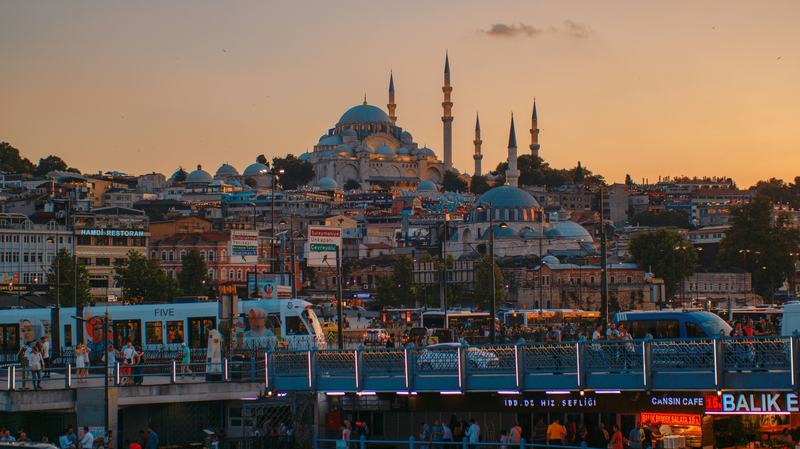
Everyday life in Eminönü is a whirlwind of activity:Despite the relentless pace, Eminönü maintains its charm as a place where the echoes of history are palpable in every corner, offering an authentic glimpse into Istanbul's enduring commercial heart.
- Vendors selling traditional street food, most notably the iconic Balık Ekmek (fish sandwich) from boats moored along the Golden Horn.
- Shoppers navigating the labyrinthine alleys of the Spice Bazaar and surrounding commercial streets.
- Commuters rushing to catch ferries or trams, adding to the constant flow of movement.
Frequently asked questions
What is Eminönü best known for historically?
Historically, Eminönü is best known as Istanbul's primary port and customs district, serving as a crucial gateway for trade and migration throughout the Byzantine and Ottoman empires. It was a major commercial hub with numerous markets and guilds.
What kinds of markets can I find in Eminönü today?
Today, Eminönü is still home to bustling markets. The most famous is the Spice Bazaar (Mısır Çarşısı), renowned for its spices, Turkish delight, nuts, and various traditional goods. Surrounding the bazaar are many smaller shops and street vendors selling everything from textiles to household items, continuing the district's long commercial tradition.
Is Eminönü easy to reach by public transport?
Yes, Eminönü is one of Istanbul's most accessible districts by public transport. It serves as a major hub for:The Sirkeci train station, the historic terminus of the Orient Express, is also nearby.
- Ferries connecting to various points along the Bosphorus and the Asian side.
- The T1 tram line, which runs along the historical peninsula.
- Numerous bus routes.
What local food specialties are available in Eminönü?
A quintessential Eminönü food experience is trying Balık Ekmek (fish sandwich), sold fresh from boats docked along the Golden Horn. You can also find a wide array of traditional Turkish sweets, nuts, and dried fruits within the Spice Bazaar and from street vendors, as well as various other street food options.
Written by Istanbook Editorial Team