Neighborhoods
Kuzguncuk, Istanbul: A Village of Coexistence
Neighborhood Boundary
History
Nestled on the Asian side of the Bosphorus, Kuzguncuk offers a profound journey through Istanbul's layered past. Its story is one of remarkable cultural coexistence, a place where diverse communities have lived side-by-side for centuries. Historically, Kuzguncuk distinguished itself from many other districts across Istanbul by maintaining a notable non-Muslim majority well into the 20th century. During the late Ottoman period, the neighborhood was a tranquil haven, particularly favored by members of the Sultan's court, who built elegant summer residences along its waterfront.
While specific origins of its earliest settlements are not fully documented, the presence of various religious structures – churches, synagogues, and mosques – in close proximity points to a long-standing tradition of shared space. This tradition has shaped Kuzguncuk's unique character, leaving an indelible mark on its architecture and social fabric.
Name Origin
The name Kuzguncuk, meaning "little raven" or "raven's nest" in Turkish, is shrouded in local lore. One popular theory suggests it derives from a figure named Kuzgun Baba, a revered individual from the Ottoman era. Another interpretation links it to the dark, sheltered valleys that characterized the area in ancient times, resembling a raven's hidden nook. Regardless of its precise etymology, the name evokes a sense of intimacy and seclusion, reflecting the neighborhood's enduring village-like atmosphere.
Communities
Kuzguncuk's most defining feature is its deeply woven tapestry of communities. For generations, Jewish, Greek Orthodox, Armenian Apostolic, and Muslim residents have shared this space, often building their places of worship mere steps from one another. This historic confluence is perhaps most vividly seen in the striking proximity of a synagogue, a church, and a mosque on the same street, a rare sight even in multicultural Istanbul.
The Jewish Community of Balat (though not Balat itself, the parallel is apt) found a significant presence here, with several synagogues testifying to their long history. The Greek Orthodox community established a strong presence, particularly around its churches and schools, while the Armenian community also contributed to the neighborhood's diverse religious and cultural landscape. These communities, through their daily lives, traditions, and institutions, fostered a spirit of tolerance and mutual respect that became a hallmark of Kuzguncuk. While the demographics have shifted over time, the physical remnants of this shared past remain, serving as powerful reminders of its enduring legacy.
Architecture
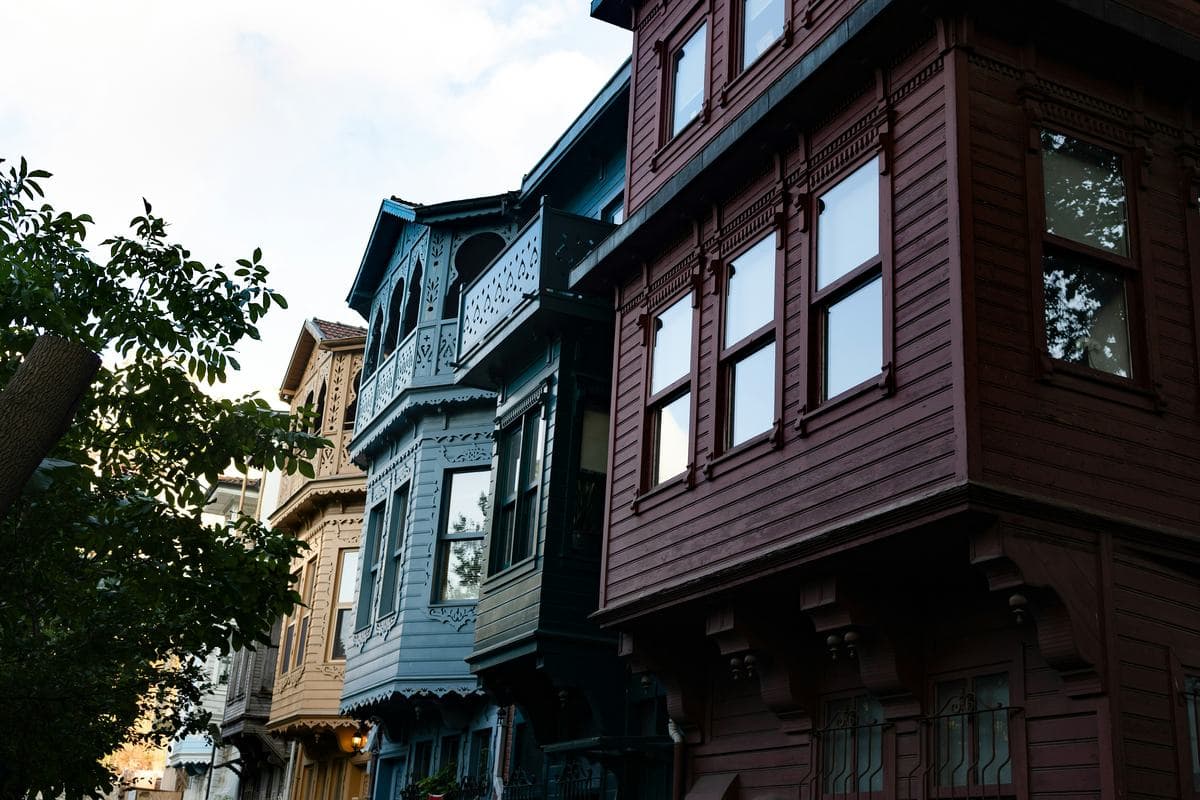
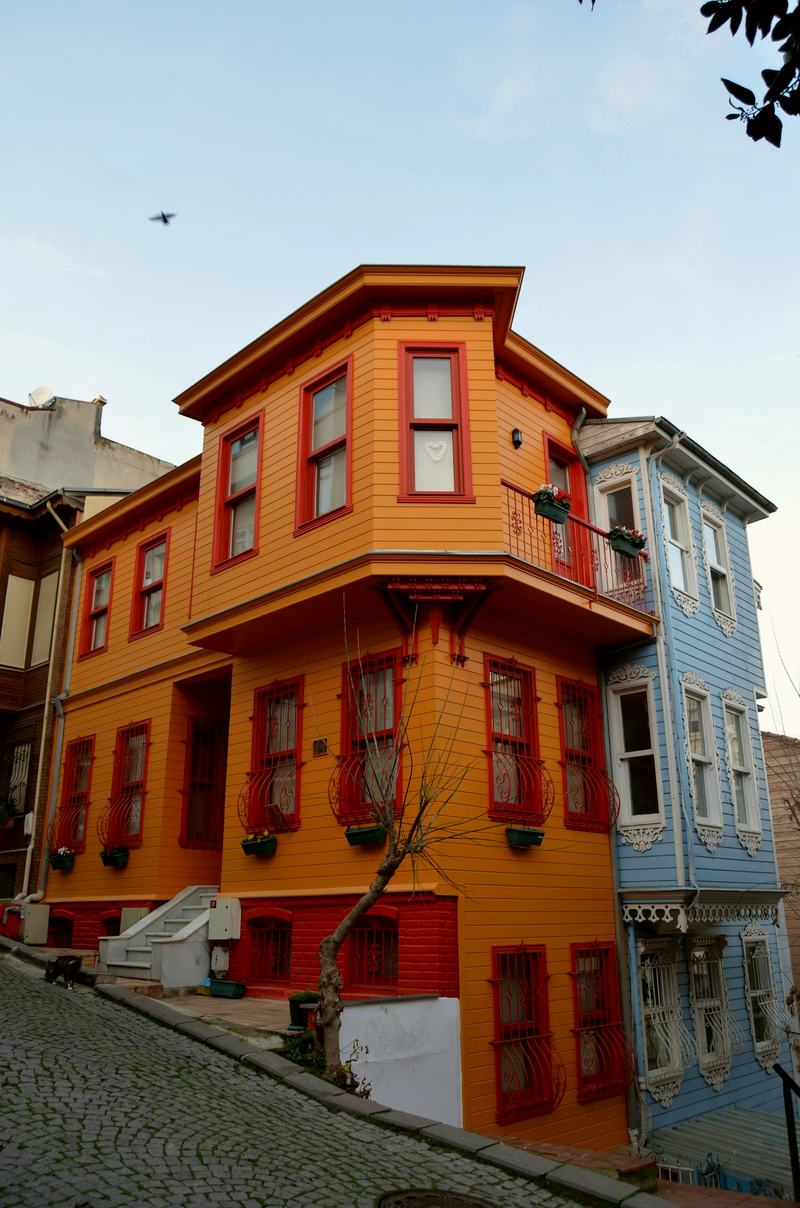
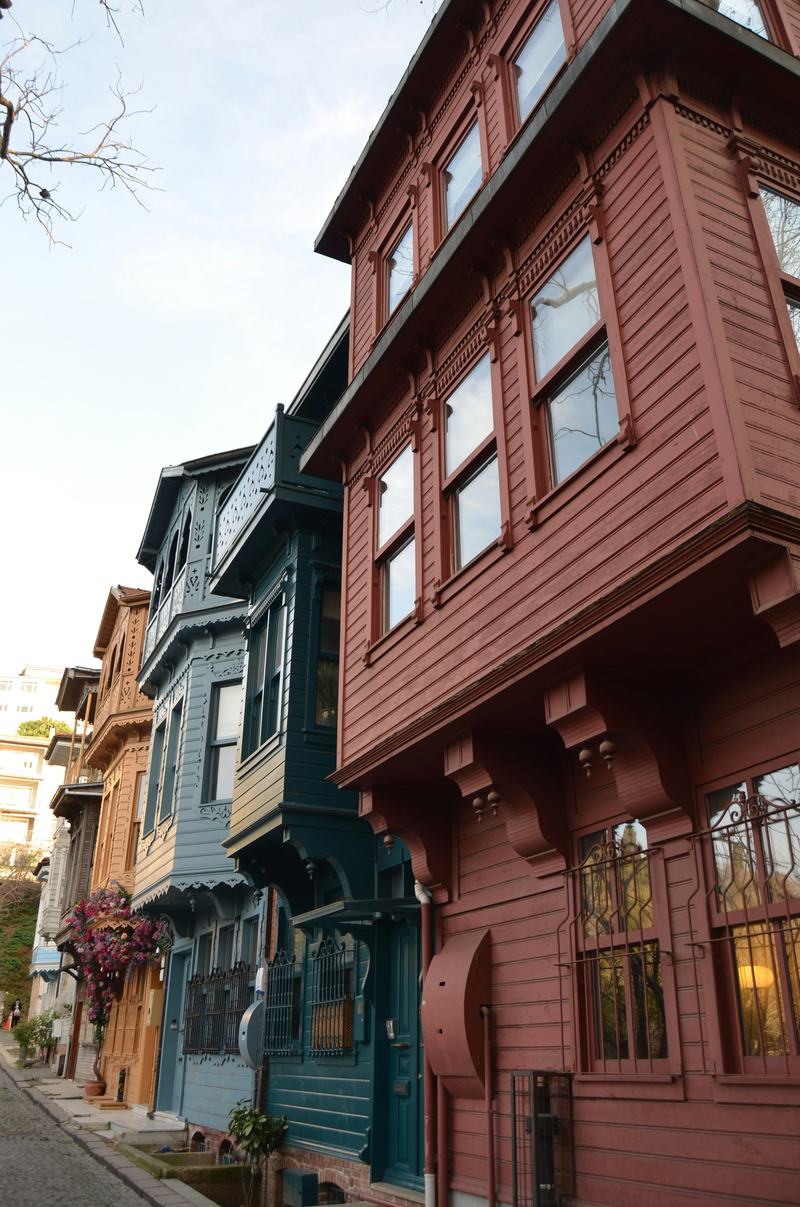
Kuzguncuk's architecture is a poignant reflection of its history and the diverse tastes of its inhabitants. The neighborhood is celebrated for its well-preserved historic wooden houses, often painted in vibrant colors, lining narrow, winding streets. These distinctive Ottoman-era homes, many with bay windows (cumba) overlooking the Bosphorus or lush gardens, evoke a bygone era. They represent a blend of local craftsmanship and various cultural influences.
- Fethi Ahmet Paşa Mansion (Pembe Yalı): A prominent waterfront residence, though largely private, it symbolizes the grand Ottoman-era homes that once dotted the Bosphorus.
- Kuzguncuk Synagogues: Several historic synagogues, such as the Beth Yaakov Synagogue and Virane Synagogue, stand as testaments to the long-standing Jewish presence.
- Greek Orthodox Churches: Churches like Ayios Panteleimon and Ayios Yorgi feature distinctive bell towers and intricate iconography.
- Armenian Churches: The Surp Krikor Lusavoriç Armenian Church contributes to the neighborhood's rich religious architectural heritage.
- Kuzguncuk Mosque: Situated near the churches and synagogues, it completes the unique interfaith architectural landscape.
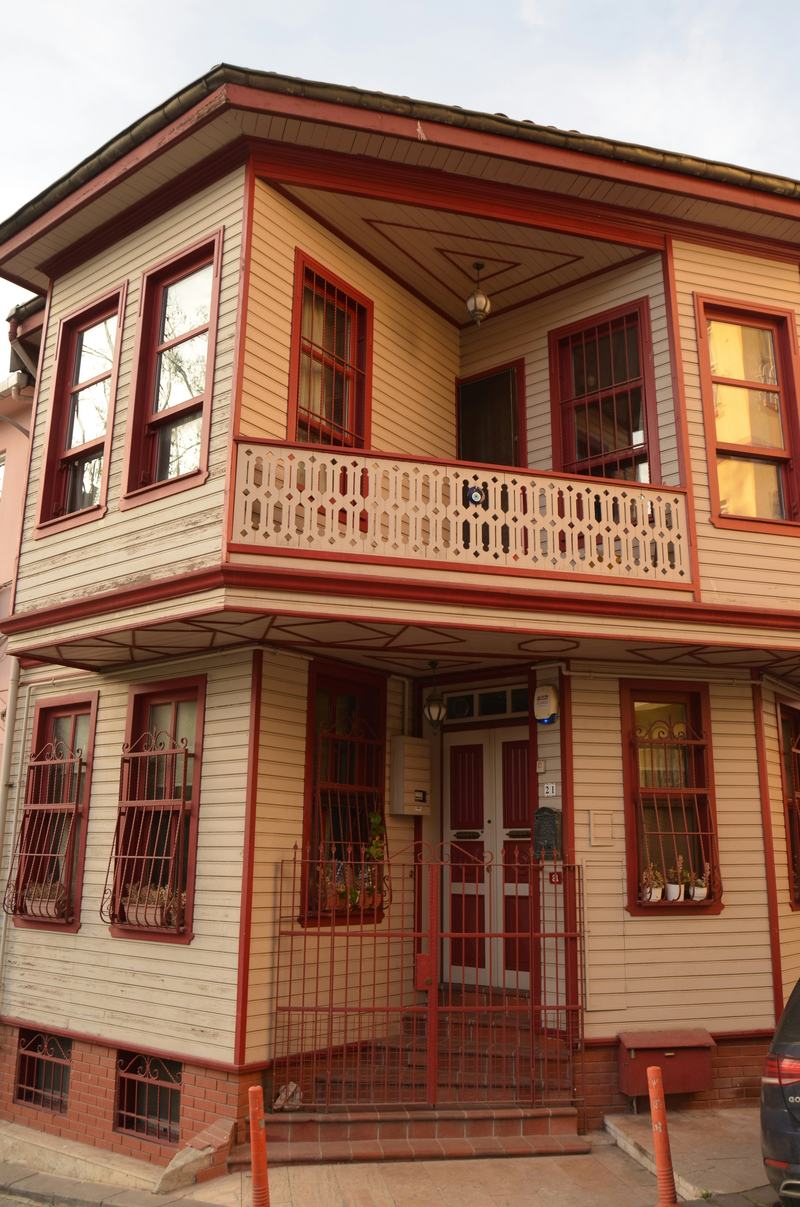
The streets themselves, with their cobblestones and gentle slopes leading down to the water, feel like a journey into the past. Many of these structures are meticulously cared for, preserving the neighborhood's unique visual identity.
Art
While not a bustling center for contemporary art in the way some other Istanbul districts might be, Kuzguncuk possesses a quiet, intrinsic artistic spirit rooted in its tranquil beauty and sense of community. Its historic charm and picturesque streets have long inspired artists, writers, and filmmakers, drawn to its atmospheric quality. The neighborhood has been a favored backdrop for Turkish television series and films, utilizing its authentic historical setting.
In recent years, the village has seen the emergence of small, independent galleries and artisanal workshops, often housed in restored historic buildings. These spaces contribute to a subtle but growing creative culture, reflecting Kuzguncuk's ability to blend its cherished traditions with contemporary expressions. The local community values its unique aesthetic, which itself becomes a form of shared art, seen in meticulously maintained gardens and the colorful facades of its heritage homes.
Current Life
Today, Kuzguncuk retains much of its charming village-like atmosphere, a rare quality for a neighborhood within a sprawling metropolis like Istanbul. It is primarily a residential area, cherished by its inhabitants for its quiet streets, abundant greenery, and strong sense of community. Despite its historical significance, it has largely resisted rapid commercialization, maintaining an authentic local character.
The main street, İcadiye Caddesi, serves as the heart of daily life, featuring a delightful mix of:
- Traditional greengrocers and bakeries
- Independent cafes and small eateries offering local cuisine
- Boutique shops selling artisanal goods
- Historic barbershops and other local services
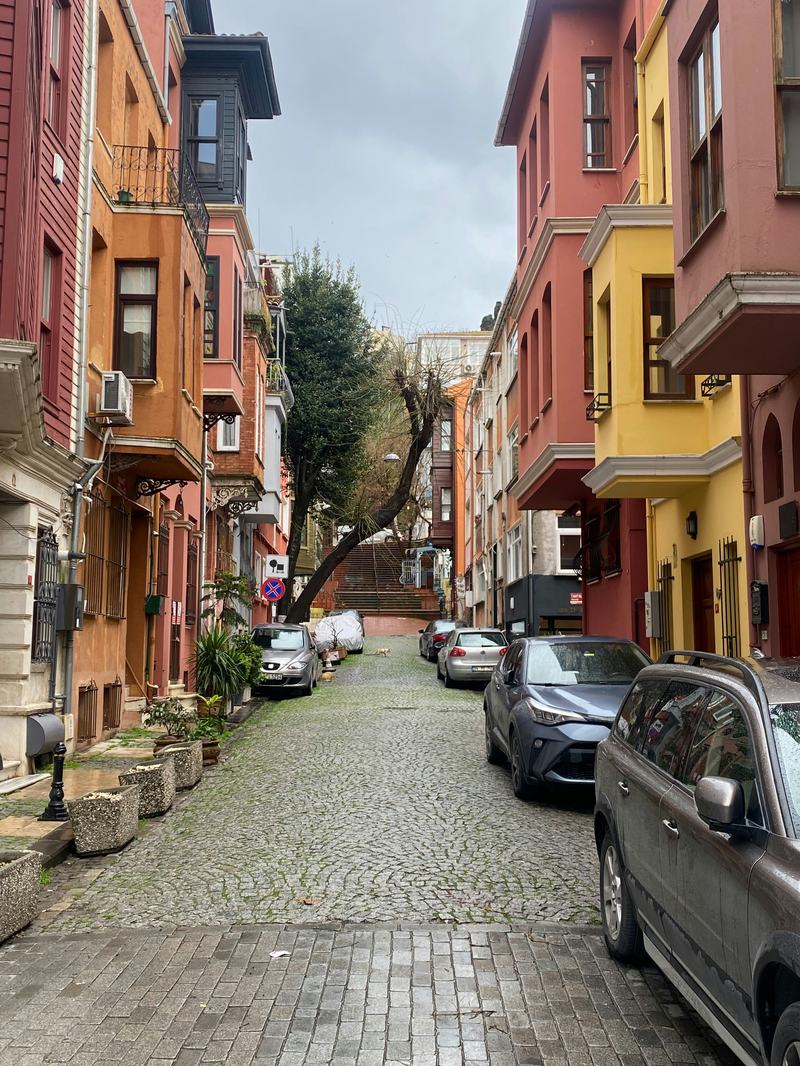
Residents often gather in the neighborhood's small squares and parks, fostering a convivial spirit. The proximity to the Bosphorus provides beautiful views and a refreshing breeze, making waterfront strolls a popular pastime. Kuzguncuk offers a peaceful retreat from the urban hustle, embodying a harmonious blend of historical legacy and contemporary tranquility.
Frequently asked questions
What makes Kuzguncuk unique compared to other Istanbul neighborhoods?
Kuzguncuk is particularly unique due to its long history of multicultural coexistence, where Jewish, Greek Orthodox, Armenian, and Muslim communities lived in close harmony for centuries. This is visibly reflected in its architecture, with synagogues, churches, and mosques often situated on the same street, a rare sight in Istanbul. It also maintains a distinct village-like atmosphere, resisting the rapid urbanization seen in many other parts of the city.
What kind of architecture can I expect to see in Kuzguncuk?
The neighborhood is famous for its well-preserved historic wooden houses, many painted in bright colors and featuring traditional Ottoman architectural elements like bay windows (cumba). You will also find a striking collection of religious buildings, including:
- Historic synagogues like Beth Yaakov
- Greek Orthodox churches such as Ayios Panteleimon
- Armenian churches like Surp Krikor Lusavoriç
- The central Kuzguncuk Mosque
These structures, often in close proximity, highlight the area's diverse heritage.
Is Kuzguncuk good for tourists looking for historical sites?
Yes, Kuzguncuk is an excellent destination for those interested in history and culture. While it doesn't boast grand imperial monuments like Sultanahmet: Istanbul's Imperial Heart, its charm lies in its preserved streetscapes, diverse religious buildings, and the tangible sense of a bygone era. Visitors can explore its narrow streets, admire the historic houses, and observe the unique blend of religious heritage.
Are there any specific cultural events or traditions in Kuzguncuk?
Kuzguncuk is known for its strong sense of local community and traditions, though specific large-scale cultural events may vary annually. The neighborhood's atmosphere itself is a continuous tradition of peaceful coexistence. You might find local festivals or neighborhood gatherings, particularly around religious holidays, but these are often more intimate, community-focused events rather than major tourist attractions. The area's quiet, reflective nature is a cultural hallmark in itself.
What is the best way to experience Kuzguncuk's current life?
To experience Kuzguncuk's current life, it is best to take a leisurely stroll along İcadiye Caddesi, the main street, and explore the charming side streets. You can:
- Visit the local greengrocers and bakeries.
- Enjoy a coffee or a meal at one of its independent cafes and eateries.
- Browse small boutique shops.
- Simply observe daily life and the interactions among residents, which reflect its enduring village-like atmosphere.
Spending time by the Bosphorus waterfront also provides a sense of the neighborhood's tranquil pace.
How can I get to Kuzguncuk?
Kuzguncuk is located on the Asian side of Istanbul, along the Bosphorus. It is easily accessible by various means. You can take a ferry to Üsküdar and then a short taxi ride, bus, or walk along the Bosphorus. Alternatively, buses that travel along the Bosphorus coastal road on the Asian side often have stops in Kuzguncuk. For those using the Marmaray rail line, disembarking at Üsküdar and connecting from there is also an option.
Written by Istanbook Editorial Team