Neighborhoods
Samatya: Layers of History on Istanbul's Coast
History
Samatya, a historic neighborhood nestled along the Marmara Sea coast of Istanbul, carries a deep history stretching back to the Byzantine era. Originally known as Psamathia, a name deriving from the Greek word for 'sandy,' it was an active port and a significant settlement outside the city walls. Its strategic coastal location meant it served various functions over centuries, from a fishing village to a residential quarter favored by diverse communities.
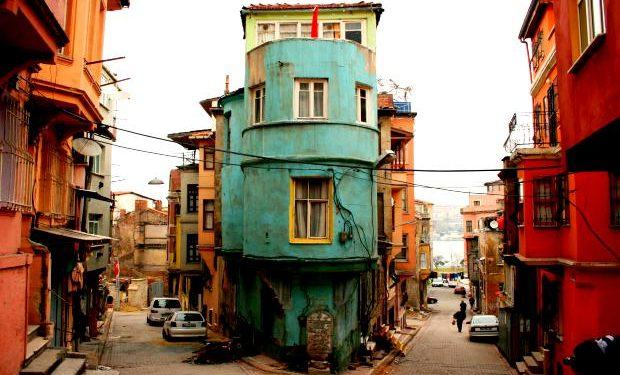
During the Ottoman period, Samatya maintained its distinctive character, evolving into a vibrant district where different cultures coexisted. The neighborhood's connection to the city's broader infrastructure was profoundly shaped by the arrival of the Sirkeci-Halkalı suburban railway line in the late 19th century. This railway brought new life and accessibility, solidifying Samatya's role as a key coastal hub. While urban transformations have reshaped parts of Istanbul, Samatya has largely retained its historical fabric, offering glimpses into its layered past through its streets and structures.
Name Origin
The name Samatya is believed to originate from the Greek word Psamathia (Ψαμάθεια), meaning 'sandy place' or 'sandy beach.' This nomenclature directly reflects the neighborhood's geographical position along the sandy shores of the Marmara Sea, a characteristic that defined its early identity as a coastal settlement and port.
Communities
Samatya has long been characterized by the presence of significant ethnic and religious communities that have profoundly shaped its cultural landscape. From the Byzantine period onwards, a strong Greek community flourished here, establishing churches and contributing to the area's maritime and commercial life. Their enduring presence is still visible in architectural remnants and the local memory.
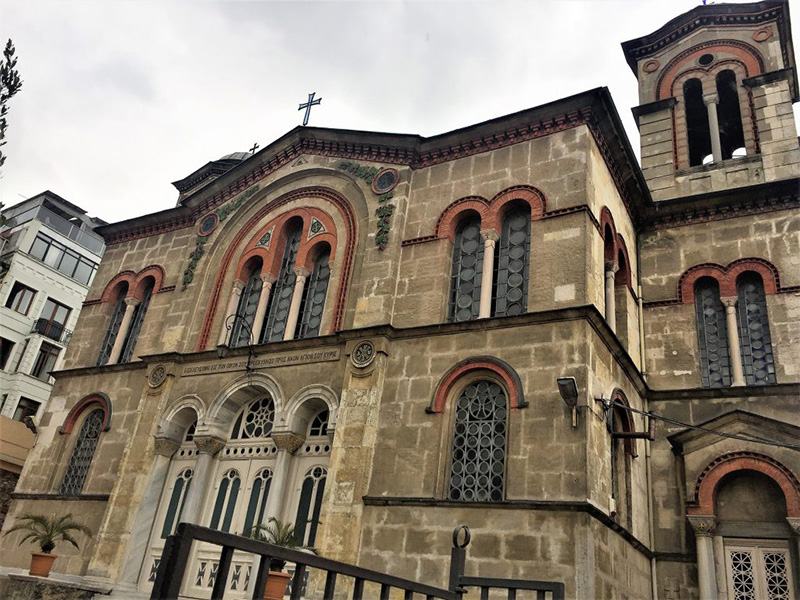
Equally prominent has been the Armenian community, which settled in Samatya in large numbers, particularly during the Ottoman era. They built impressive churches and established cultural institutions, making Samatya a vital center for Armenian life in Istanbul. The coexistence of these communities, alongside Turkish residents, fostered a unique communal spirit, where diverse traditions intertwined, leaving an indelible mark on the neighborhood's character and heritage.
Architecture
The architecture of Samatya offers a tangible journey through its past, marked by a blend of Byzantine remnants and Ottoman-era structures. The neighborhood is particularly noted for its historic wooden houses, known as konaks, which line its narrow, winding streets. These residences, with their distinctive bay windows and intricate detailing, reflect traditional Istanbul urban living.
Prominent religious buildings stand as testaments to Samatya's diverse history:
- The Surp Kevork Armenian Church, with its impressive stone architecture, is a central landmark for the Armenian community, dating back centuries and having undergone several renovations.
- The Aya Nikola Greek Orthodox Church, dedicated to Saint Nicholas, reflects the long-standing Greek presence and their deep roots in the neighborhood.
Beyond these, remnants of the ancient Theodosian Walls are visible in the vicinity, connecting Samatya directly to Istanbul's Byzantine imperial past and underscoring its historical significance as an area just outside the old city's formidable defenses.
Art
Samatya's creative culture is deeply interwoven with its historical communities and their enduring legacies. While not a hub for contemporary art galleries in the same vein as some other Istanbul neighborhoods, its artistic expression is more subtle, found in the preservation of its tangible and intangible heritage.
- The ornate architecture of its historic churches, such as the Surp Kevork Armenian Church and the Aya Nikola Greek Orthodox Church, represents centuries of artistic craftsmanship and religious devotion.
- The traditional design and intricate woodwork of the Ottoman-era wooden houses (konaks) contribute to a unique visual aesthetic that tells the story of past inhabitants and their way of life.
- The community's rich history has also fostered a culture of storytelling and tradition, passed down through generations, which forms a vital part of Samatya’s unique creative identity. The neighborhood's atmospheric streets, shaped by centuries of diverse lives, serve as a canvas for this living heritage.
Current Life
Today, Samatya retains a distinct, lived-in character that stands apart from Istanbul's more rapidly modernizing districts. It maintains a strong sense of local community, a quality often sought but rarely found in a bustling metropolis. The rhythm of daily life unfolds around its historic squares and along its coastal stretch, where the past gently intermingles with the present.
The neighborhood is particularly renowned for its fish restaurants, many of which have been operating for generations, drawing both locals and visitors seeking fresh seafood and a traditional dining experience. These eateries often become gathering places, reflecting Samatya's enduring social fabric. Despite contemporary urban pressures, the area largely remains a residential haven, where neighbors greet each other and local traditions persist, offering a glimpse into a more communal way of life.
Frequently asked questions
What is the historical significance of Samatya?
Samatya has a rich history dating back to the Byzantine era, when it was known as Psamathia. It was a significant coastal settlement and port outside the main city walls. Its history is deeply intertwined with the presence of Armenian and Greek communities, who contributed significantly to its cultural and architectural development over centuries.
What communities historically lived in Samatya?
Historically, Samatya was home to prominent Greek and Armenian communities. Both groups established churches and institutions, contributing to the neighborhood's unique multicultural character and leaving a lasting legacy on its architecture and traditions.
Are there any notable historic buildings in Samatya?
Yes, Samatya features several notable historic buildings. Key examples include the Surp Kevork Armenian Church and the Aya Nikola Greek Orthodox Church, both testaments to the neighborhood's diverse religious heritage. Additionally, many charming Ottoman-era wooden houses (konaks) line its streets, showcasing traditional Istanbul architecture.
What is Samatya known for today?
Today, Samatya is known for its enduring sense of community, its historic charm, and particularly for its numerous fish restaurants along the Marmara Sea. It offers a more tranquil, residential atmosphere compared to central Istanbul, retaining much of its traditional character.
How did the railway impact Samatya?
The introduction of the Sirkeci-Halkalı suburban railway line in the late 19th century significantly impacted Samatya. It improved the neighborhood's connectivity to the wider city, bringing new residents and commercial activity, and further integrating it into Istanbul's urban fabric while helping it maintain its role as a coastal hub.
What is the origin of the name Samatya?
The name Samatya derives from the ancient Greek word Psamathia (Ψαμάθεια), which means 'sandy place' or 'sandy beach.' This name reflects the neighborhood's historical location along the sandy shores of the Marmara Sea.