Neighborhoods
Yeldeğirmeni: A Historic Neighborhood of Windmills, Railways, and Art
Neighborhood Boundary
History
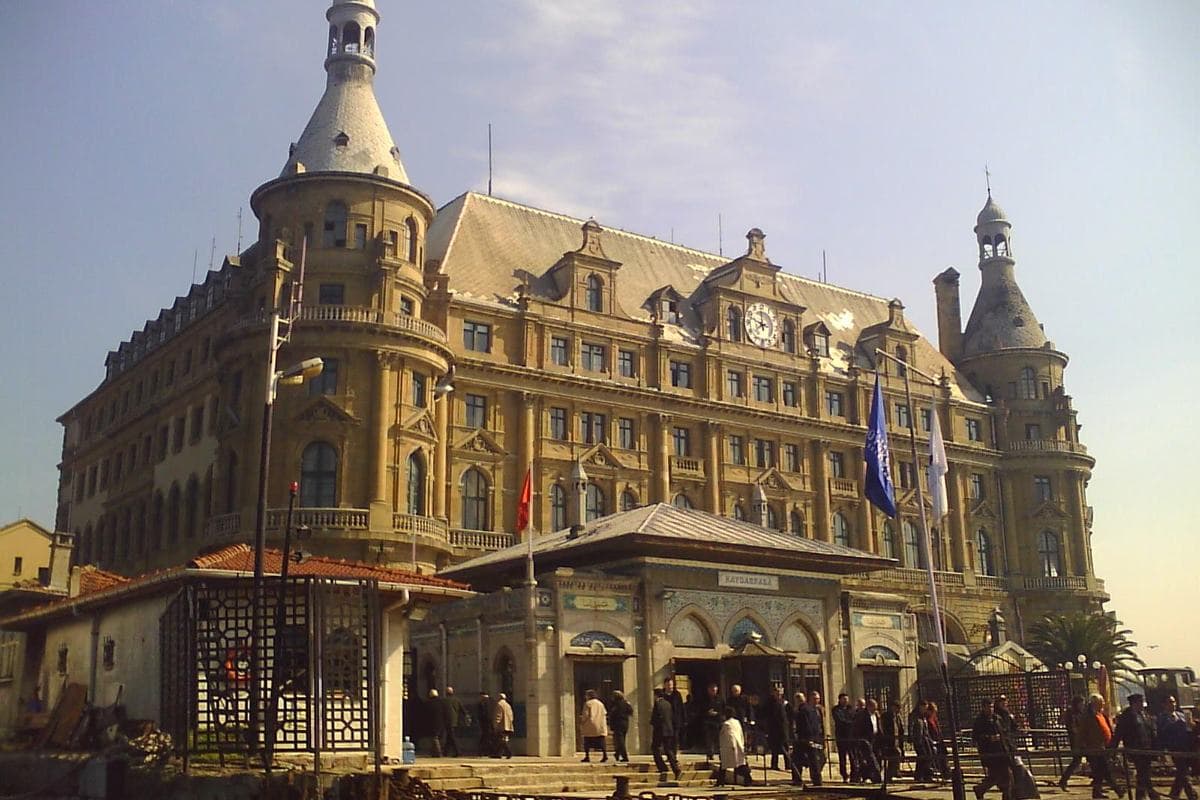
Once a rural landscape dotted with the windmills that gave it its name, Yeldeğirmeni transformed dramatically in the late 19th and early 20th centuries. Its strategic location on Istanbul's Asian side, particularly its proximity to the grand Haydarpaşa Terminal and its bustling port, spurred rapid development. This area became a key residential quarter for railway workers, port employees, and civil servants serving the expanding Ottoman Empire.
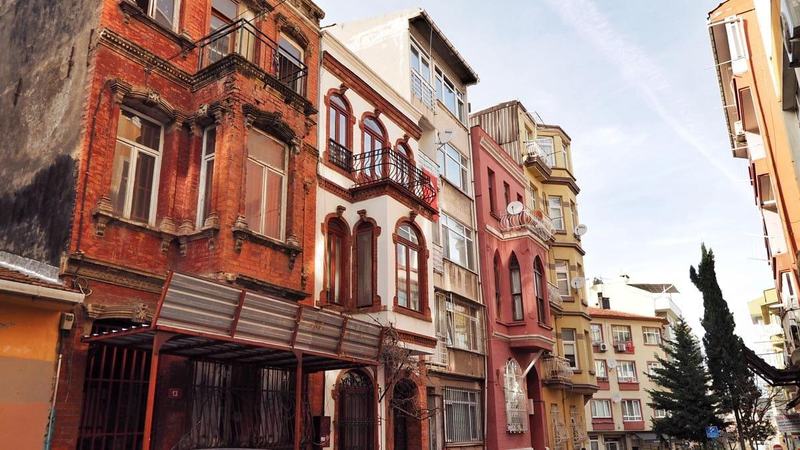
During this period, Yeldeğirmeni evolved into a vibrant, multi-layered urban fabric. The construction of significant infrastructure alongside the rise of elegant apartment buildings marked a period of intense modernization. While its initial growth was tied to the industrial and logistical pulse of the city, its residential character became deeply entrenched, supporting a diverse population that shaped its unique heritage. Following the early Republic era, like many historic neighborhoods, Yeldeğirmeni saw periods of quietude, only to experience a resurgence of interest in recent decades, driven by its unique historical charm and burgeoning creative scene.
Name Origin
The name Yeldeğirmeni directly translates from Turkish as “wind mill.” This name harks back to an earlier era when the elevated plains of the neighborhood were characterized by numerous windmills, vital for grinding grain for Istanbul's growing population. These windmills were a prominent feature of the landscape until the late 19th century when urban development gradually replaced them.
Communities
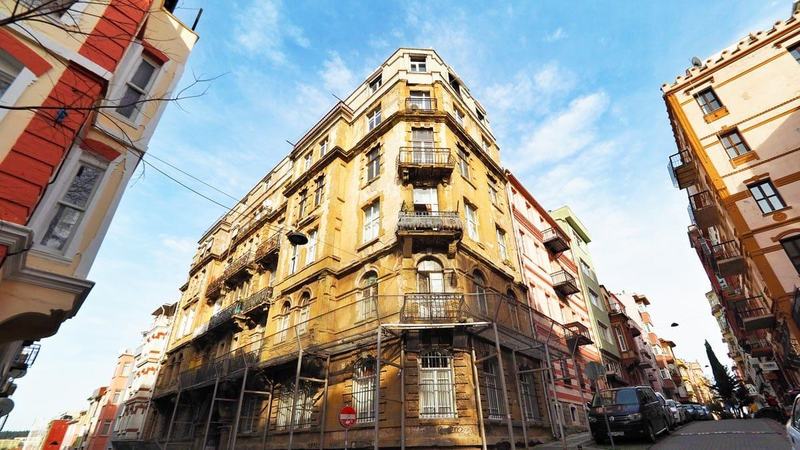
Yeldeğirmeni’s history is deeply intertwined with its rich multicultural tapestry. Throughout the late Ottoman period and into the early Republic, it was home to a diverse array of communities, including Ottoman Turks, Greeks, Armenians, and Levantines. These groups lived side-by-side, contributing to the neighborhood’s economic and social vibrancy. Merchants, artisans, railway personnel, and professionals from these communities established businesses, built homes, and founded religious and educational institutions that became cornerstones of the area.
The presence of these communities is still visible today in the architecture of the neighborhood, from historic churches to distinctive residential buildings. This blend of cultures fostered a unique character, where different traditions and ways of life coexisted, leaving an indelible mark on Yeldeğirmeni’s identity that continues to resonate in its contemporary atmosphere.
Architecture
Yeldeğirmeni is renowned for its impressive collection of late Ottoman and early Republic-era apartment buildings. These structures, often featuring Neo-classical, Art Nouveau, and Eclectic styles, reflect the architectural trends of a period of rapid urbanization and modernization. Many of these multi-story buildings, adorned with intricate facades, wrought-iron balconies, and bay windows, were built for the upwardly mobile population drawn to the area by the nearby railway and port.
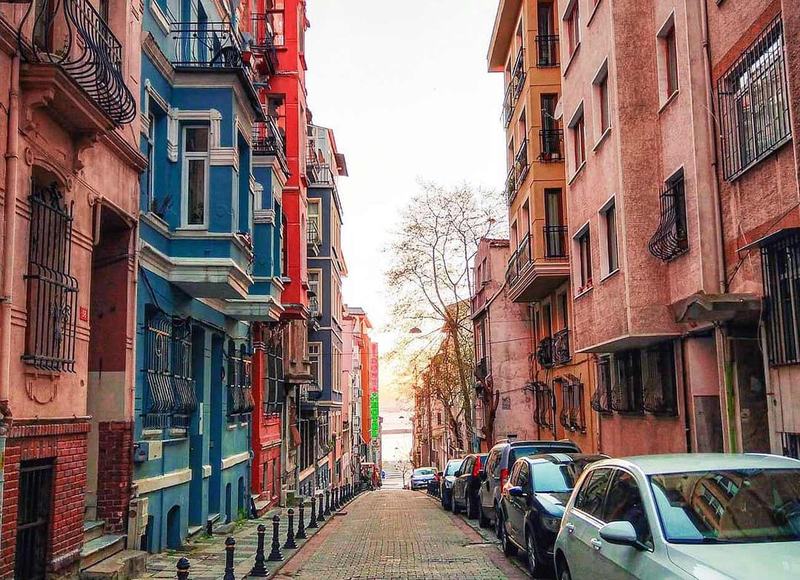
Beyond its residential blocks, the neighborhood also contains important religious structures, notably historic Greek Orthodox and Armenian churches, testaments to the long-standing presence of these communities. While Haydarpaşa Terminal itself is just outside Yeldeğirmeni, its magnificent architecture profoundly influenced the area's development and character, drawing parallels in scale and ambition.
Art
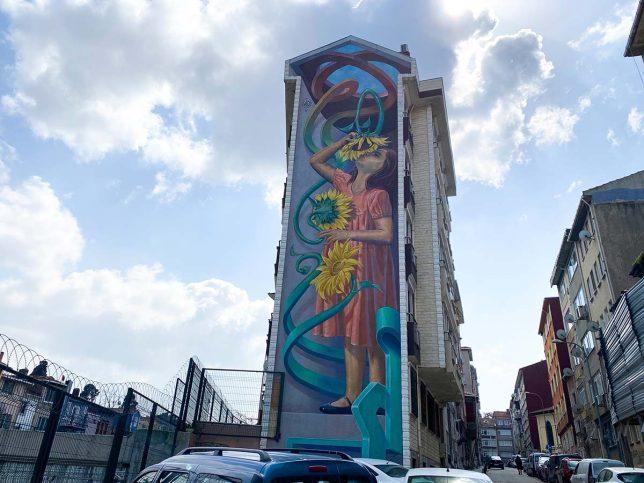
In recent years, Yeldeğirmeni has emerged as a significant hub for contemporary art and creative culture. The neighborhood's historic buildings and once-quiet streets have become canvases and venues for a new generation of artists and creatives. One of its most striking features is the proliferation of vibrant street art and murals, transforming building facades into open-air galleries. These large-scale artworks often tell local stories, celebrate cultural diversity, or offer social commentary, adding a dynamic, modern layer to the area's historic backdrop.
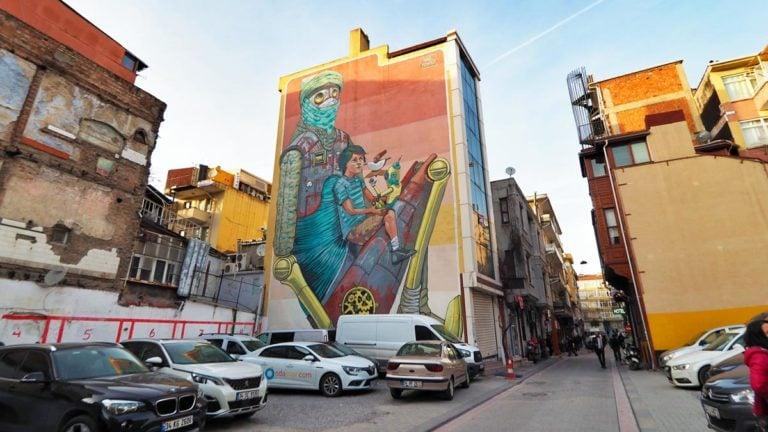
Beyond street art, Yeldeğirmeni hosts numerous independent art galleries, workshops, and design studios. This creative influx has fostered a bohemian atmosphere, attracting artists, designers, and art enthusiasts, and contributing to the neighborhood's reputation as a burgeoning cultural quarter distinct from more established areas like Cihangir or Galata.
Current Life
Today, Yeldeğirmeni presents a fascinating blend of old and new. It maintains its residential charm, with long-time residents continuing their daily lives amidst the historic streetscapes. Yet, it has also become a magnet for a younger, more diverse demographic, including students, artists, and creative professionals, drawn by its authentic character, affordable spaces, and burgeoning cultural scene.
The streets are now dotted with an increasing number of boutique cafes, independent shops, and small eateries that sit alongside traditional bakeries and local markets. This creates a lively, energetic atmosphere where the rhythms of everyday life unfold against a backdrop of historic architecture and contemporary artistic expression. While undergoing transformation and experiencing some gentrification, Yeldeğirmeni largely retains a strong sense of community and a distinct local flavor that sets it apart.
Frequently asked questions
How can I reach Yeldeğirmeni?
Yeldeğirmeni is located on Istanbul's Asian side, within the Kadıköy district. It is easily accessible by public transport. You can take a ferry to Kadıköy from the European side (e.g., from Eminönü or Karaköy), and then it's a short walk or a brief bus/minibus ride inland from the Kadıköy ferry terminal. It is also close to the historic Haydarpaşa Terminal, which is a significant landmark.
What is Yeldeğirmeni best known for today?
Today, Yeldeğirmeni is particularly known for its vibrant street art scene, historic apartment buildings from the late Ottoman era, and a growing community of independent cafes, art galleries, and creative workshops. It offers a unique blend of historical charm and contemporary artistic energy.
Are there any specific historical sites to visit in Yeldeğirmeni?
While Yeldeğirmeni doesn't have grand imperial sites, its history is best experienced through its urban fabric. You can explore the beautifully preserved late Ottoman apartment buildings, which showcase diverse architectural styles. There are also historic Greek Orthodox and Armenian churches reflecting the neighborhood's multicultural past.
What kind of atmosphere can I expect in Yeldeğirmeni?
Yeldeğirmeni offers a lively yet laid-back atmosphere. It's a place where the daily lives of long-time residents intersect with the creative energy of students and artists. You can expect bustling streets with cafes and local shops, interspersed with quiet residential alleys and striking street art murals. It feels authentic and less tourist-oriented than some other historic Istanbul neighborhoods.
Is Yeldeğirmeni a good neighborhood for art lovers?
Absolutely. Yeldeğirmeni has become a significant destination for art lovers, especially those interested in street art. The neighborhood's walls are adorned with numerous impressive murals. Beyond street art, there are several independent galleries and creative spaces that regularly host exhibitions and events, making it a dynamic hub for contemporary art.
What is the best way to experience the local culture in Yeldeğirmeni?
The best way to experience Yeldeğirmeni's local culture is to simply walk its streets. Explore the alleys to discover hidden cafes, observe the diverse architecture, and seek out the numerous street art pieces. Engaging with local shopkeepers, enjoying a Turkish coffee in a neighborhood cafe, and visiting any local markets will also offer a genuine insight into its daily life.
Written by Istanbook Editorial Team