Neighborhoods
Süleymaniye: An Ottoman Legacy on the Golden Horn
Neighborhood Boundary
History
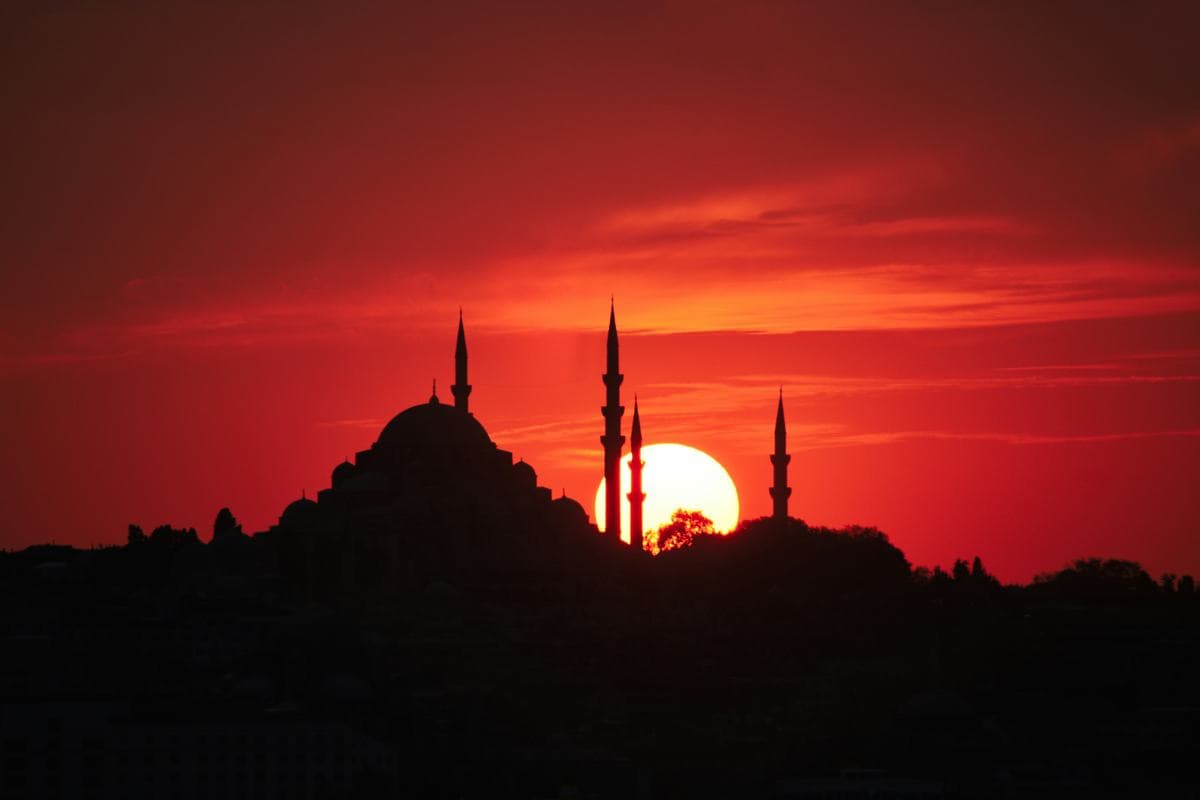
Süleymaniye's history is inextricably linked to the zenith of the Ottoman Empire. The neighborhood began to take its definitive shape in the mid-16th century with the monumental commission of Sultan Süleyman I (Süleyman the Magnificent). He entrusted the chief imperial architect, Mimar Sinan, with the task of constructing a grand mosque complex that would not only serve as a place of worship but also as a comprehensive social and educational institution. This ambitious project, completed in 1557, profoundly transformed the area, establishing Süleymaniye as a vital intellectual, religious, and social hub overlooking the Golden Horn.
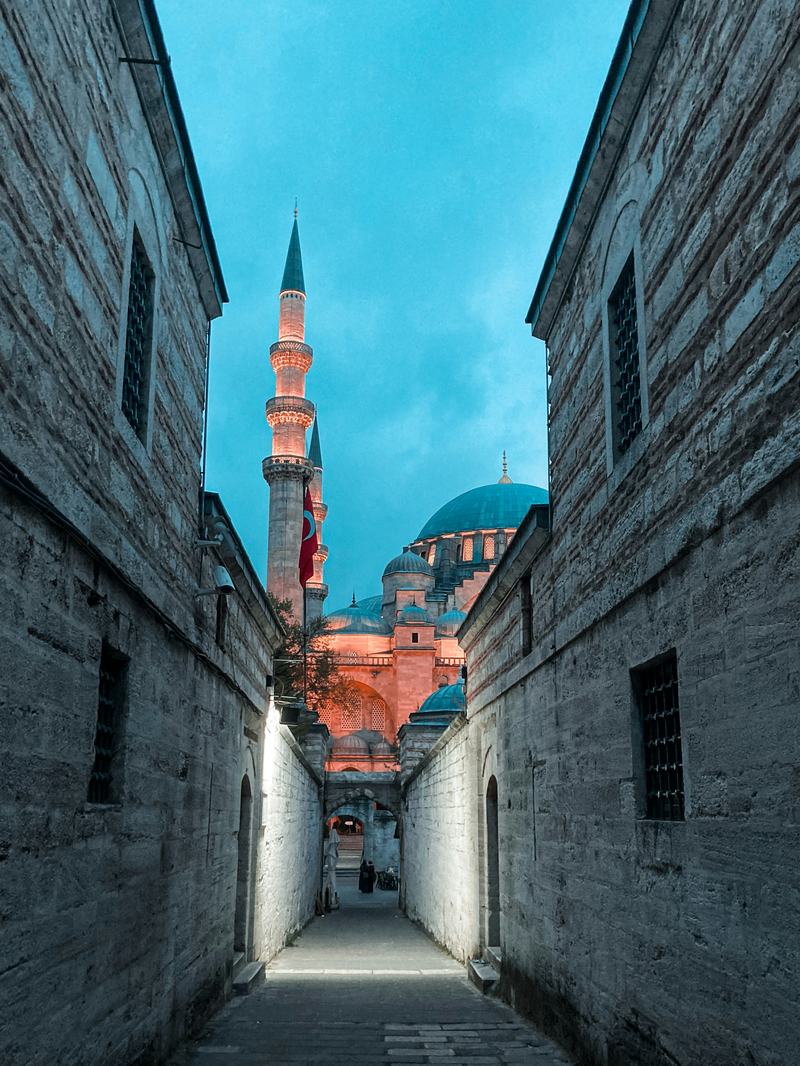
The construction of the Süleymaniye Mosque complex drew scholars, artisans, and merchants to its vicinity, leading to the organic development of streets, traditional houses, and supporting infrastructure around the imperial core. This period saw the neighborhood flourish as a testament to Ottoman classical architecture and urban planning, where the sacred and the secular elements of life were harmoniously integrated within a single, grand design. Over centuries, Süleymaniye maintained its character as a conservative, scholarly quarter, resisting some of the rapid modernizations that altered other parts of Istanbul.
Name Origin
The name Süleymaniye directly derives from Sultan Süleyman I (Süleyman the Magnificent), the Ottoman sultan who ordered the construction of the magnificent Süleymaniye Mosque complex. Essentially, the name means 'of Süleyman' or 'Süleyman's [Complex/Neighborhood]', honoring the patron of its most prominent edifice and the transformative impact of his reign on this part of Istanbul.
Communities
Historically, Süleymaniye was home to a community largely centered around the Süleymaniye Mosque Complex and its associated institutions. This included a significant population of scholars, students, and educators who resided in or near the numerous madrasas (theological schools) within the complex. Artisans and merchants whose livelihoods were tied to serving this scholarly and religious community also formed a vital part of the neighborhood's social fabric. The presence of a public kitchen (imaret) and a hospital within the complex ensured that a diverse cross-section of society, including those in need, interacted with and contributed to the life of Süleymaniye. While not ethnically distinct in the way some other Istanbul neighborhoods might have been, the community was characterized by its strong academic and religious identity, reflecting the imperial and intellectual aspirations of the Ottoman era.
Architecture
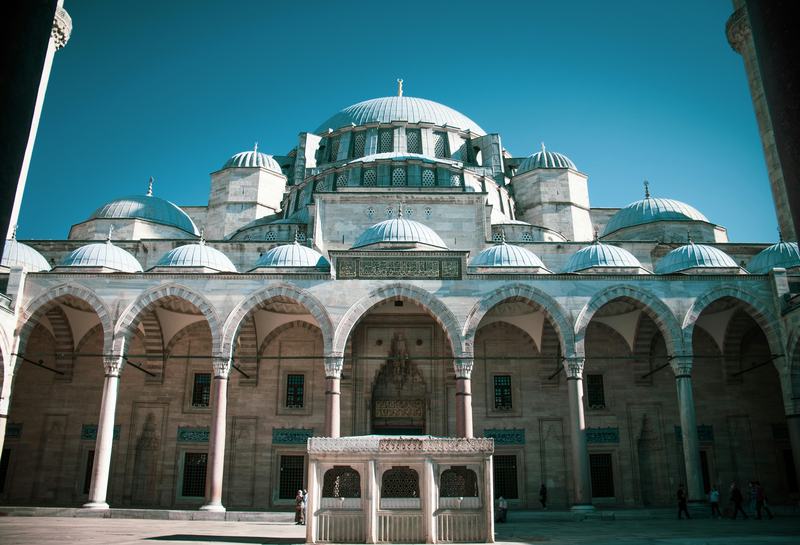
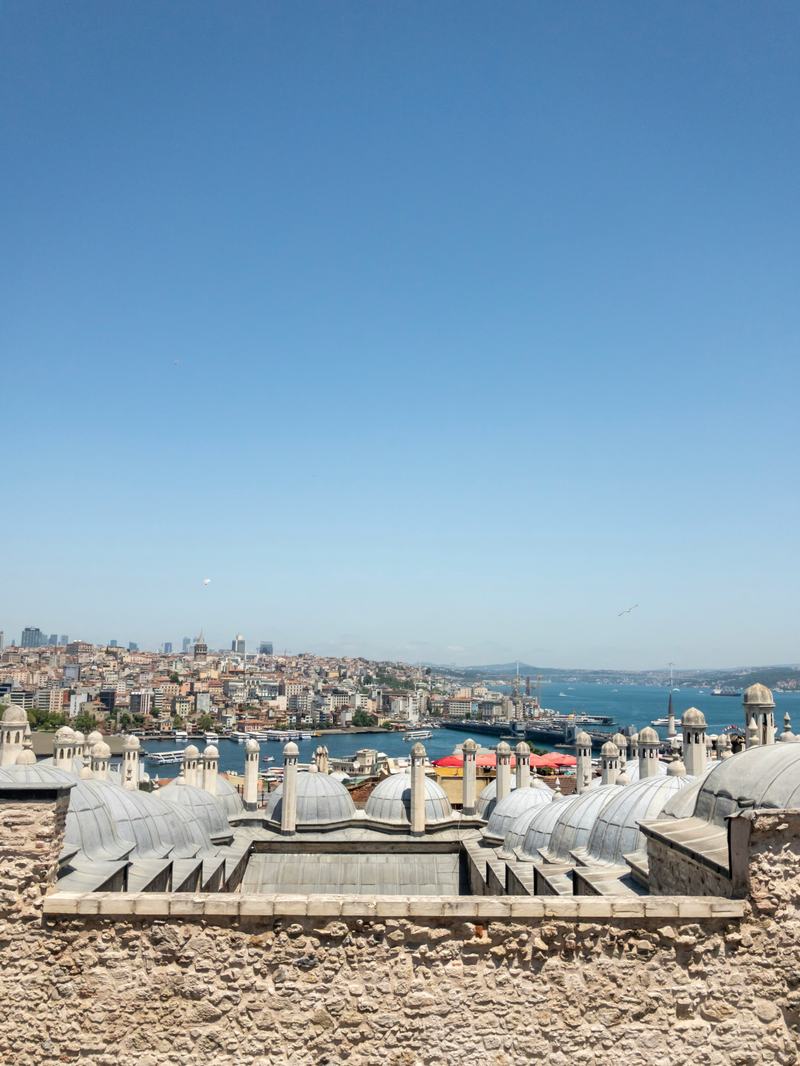
Süleymaniye stands as a monumental showcase of Ottoman classical architecture, with the Süleymaniye Mosque Complex serving as its undisputed crown jewel. Designed by the renowned imperial architect Mimar Sinan, the complex is a sprawling ensemble of buildings meticulously integrated into the hillside terrain, offering breathtaking vistas of the Golden Horn.
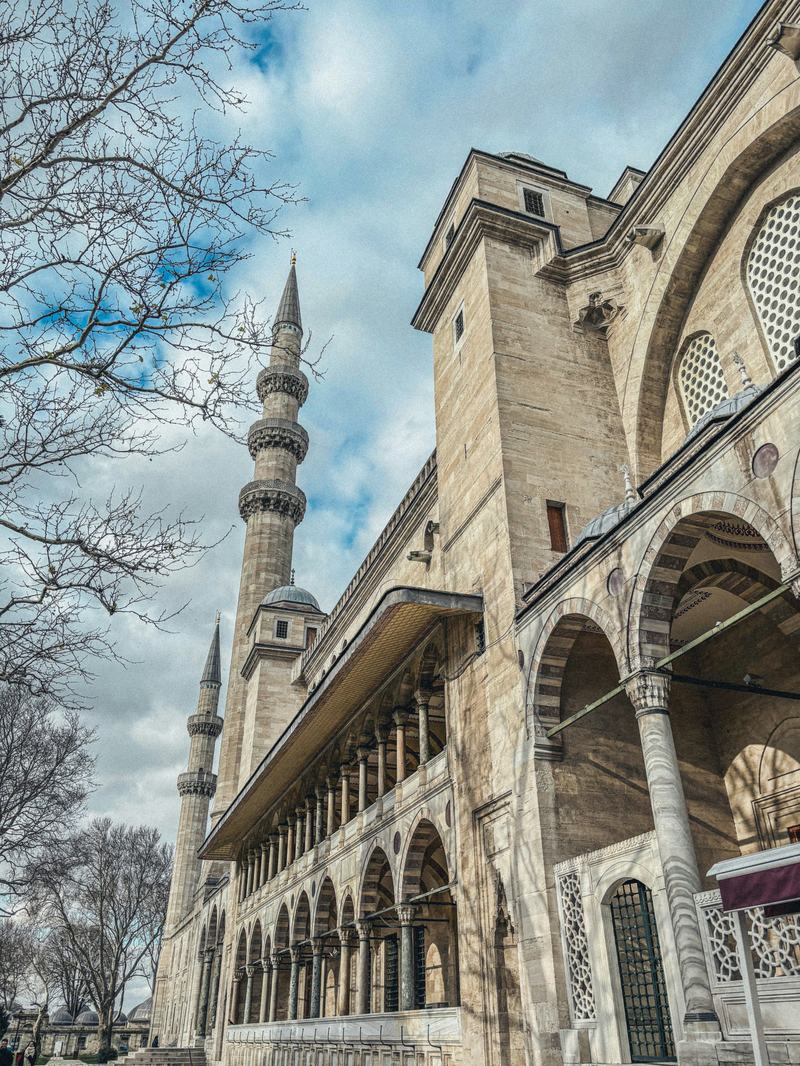
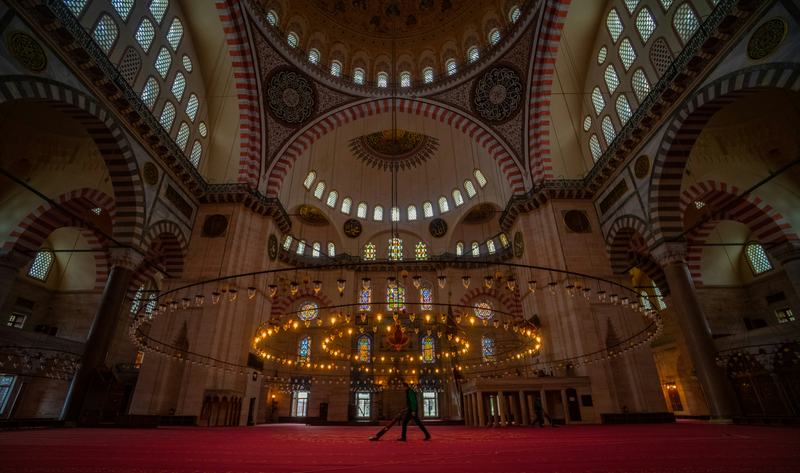
- Süleymaniye Mosque: The centerpiece, renowned for its imposing dome, elegant minarets, and the masterful use of space and light within its interior.
- Madrasas: Four primary theological schools, each contributing to the educational prestige of the complex, often featuring courtyards and domed classrooms.
- Hospital (Darüşşifa): An advanced medical facility for its time, reflecting the Ottoman commitment to public welfare.
- Public Kitchen (İmaret): Provided food for the poor, students, and travelers, emphasizing the charitable function of the complex.
- Caravanserai (Tabhane): A lodging house for travelers, facilitating trade and cultural exchange.
- Bathhouse (Hamam): A traditional public bath, an essential component of Ottoman urban life.
- Tombs (Türbe): The elegant mausoleums of Sultan Süleyman I and his consort, Hürrem Sultan (Roxelana), located within the complex gardens.
Beyond the complex, the neighborhood is characterized by its steep, winding streets lined with traditional Ottoman wooden houses (konaks). These multi-story dwellings, often with projecting upper floors and bay windows, contribute significantly to the area's historical atmosphere and offer glimpses into traditional domestic architecture. The careful arrangement of these buildings along the natural contours of the land creates a unique urban landscape, distinct from the grandiosity of the imperial structures.
Art
The art and creative culture of Süleymaniye are deeply embedded within its Ottoman heritage, particularly within the grand architectural scheme of the Süleymaniye Mosque Complex. The mosque itself is a treasury of classical Ottoman decorative arts.
- Iznik Tiles: The mosque's interior boasts exquisite examples of Iznik ceramics, known for their vibrant blues, reds, and greens, adorning walls and mihrabs with intricate floral and calligraphic patterns.
- Stained Glass: Delicate stained glass windows, especially those crafted by the master İbrahim the Drunk (Sarhoş İbrahim), fill the mosque with ethereal light, creating a serene and spiritual ambiance.
- Calligraphy: Masterful Ottoman calligraphy graces the walls and domes, presenting verses from the Quran and names of God in elegant Thuluth and Naskh scripts.
- Stone Carving: Detailed stone carvings adorn portals, columns, and fountains throughout the complex, showcasing the high level of craftsmanship of the period.
Beyond visual arts, Süleymaniye, through its madrasas, was a hub for intellectual and literary arts. Scholars and students pursued Islamic sciences, philosophy, literature, and poetry, contributing to the rich cultural tapestry of the Ottoman Empire. The very act of designing and constructing such a complex under Mimar Sinan was an artistic endeavor, blending functionality with profound aesthetic principles, creating an enduring legacy that continues to inspire.
Current Life
Today, Süleymaniye maintains much of its historical character, offering a quieter, more contemplative experience compared to some of Istanbul's busier districts. It remains an active religious and educational center, though the scale of its scholarly activities has evolved since the Ottoman era. Visitors and locals alike are drawn to the tranquility of the mosque complex, which continues to function as a place of worship and reflection.
Life in Süleymaniye unfolds amidst its preserved Ottoman wooden houses and cobblestone streets. Traditional tea houses and small shops dot the area, often catering to pilgrims, students, and those seeking a glimpse into Istanbul's past. The neighborhood's elevated position affords unparalleled panoramic views of the Golden Horn and the historical peninsula, making it a popular spot for photography and quiet contemplation. While residential life continues, the area is also a destination for those interested in architectural history and a deeper understanding of Istanbul's imperial heritage, offering a distinct sense of timelessness away from the city's modern bustle.
Frequently asked questions
What is the main historical significance of Süleymaniye?
Süleymaniye's main historical significance lies in its role as an imperial Ottoman center, specifically established by Sultan Süleyman I (Süleyman the Magnificent) in the mid-16th century. It is home to the monumental Süleymaniye Mosque Complex, designed by the celebrated architect Mimar Sinan, which transformed the area into a leading hub for religion, education, and social services during the Ottoman era.
What architectural features should I look for in Süleymaniye?
In Süleymaniye, you should primarily look for the grand Süleymaniye Mosque Complex, a masterpiece by Mimar Sinan, featuring its imposing dome, slender minarets, and harmonious courtyards. Beyond the mosque, observe the various components of the complex, including the former madrasas, the public kitchen, and bathhouse. Also, pay attention to the traditional Ottoman wooden houses (konaks) lining the steep, winding streets, which showcase distinctive domestic architecture.
Are there specific communities associated with Süleymaniye's past?
Historically, Süleymaniye was most closely associated with a community centered around the mosque complex's educational and religious functions. This included scholars, students, and educators from the madrasas, alongside artisans and merchants who supported this intellectual hub. The community was characterized by its strong academic and religious identity during the Ottoman period.
How does the neighborhood's layout relate to the Golden Horn?
Süleymaniye is situated on a prominent hill overlooking the Golden Horn. Its layout, particularly the grand Süleymaniye Mosque Complex, was strategically designed to capitalize on this elevated position, offering expansive and iconic panoramic views of the Golden Horn and the historic peninsula. The streets and traditional houses cascade down the hillside, further enhancing this visual connection.
What is Süleymaniye like for visitors today?
For visitors today, Süleymaniye offers a journey into Istanbul's Ottoman past. It is a relatively quiet and atmospheric neighborhood, distinguished by its historical architecture and stunning views. You can visit the Süleymaniye Mosque Complex, explore the cobblestone streets lined with traditional houses, and experience a sense of historical continuity away from the city's more modern areas. It's ideal for those seeking cultural immersion and architectural appreciation.
Can I visit the madrasas in Süleymaniye?
While some of the former madrasas within the Süleymaniye Mosque Complex have been repurposed or are still used for educational purposes, their accessibility to visitors can vary. Some sections may be open for viewing, potentially housing cultural centers, libraries, or traditional craft workshops, while others might serve as active religious or academic institutions with more restricted access. It is advisable to check local information upon arrival for specific visiting details.