Neighborhoods
Yeniköy: A Bosphorus Village of Enduring Heritage
Neighborhood Boundary
History
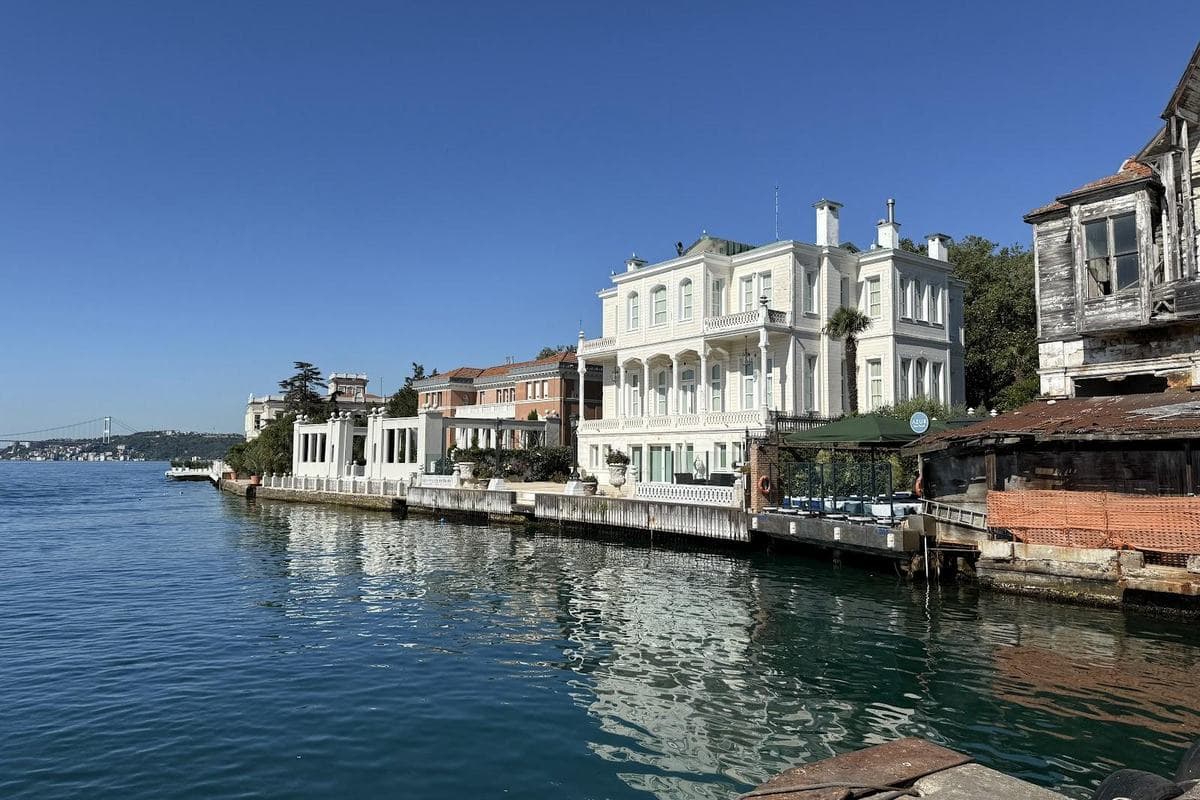
Nestled along the European shore of the Bosphorus, Yeniköy (meaning 'New Village' in Turkish) has long been defined by its symbiotic relationship with the strait. Historically, its strategic location made it a favored residential area, especially during the Ottoman era, when Istanbul's elite and various non-Muslim communities sought refuge from the city's crowded center. The village grew from a modest fishing settlement into a vibrant, multi-ethnic hub, particularly flourishing in the 18th and 19th centuries.
Its development was intricately linked to maritime life; the Bosphorus offered both defense and a livelihood, fostering a community connected to trade and fishing. Over time, as Istanbul expanded and transportation evolved, Yeniköy maintained its distinctive character, marked by its waterfront mansions and a quieter pace of life compared to the bustling city. The social fabric of Yeniköy saw gradual shifts, yet the echoes of its diverse past remain embedded in its architecture and cultural memory.
Name Origin
The name Yeniköy is derived from Turkish, where 'yeni' means new and 'köy' means village. Thus, the name translates directly to 'New Village'. This designation reflects its relatively later establishment or significant expansion compared to some of Istanbul's more ancient settlements along the Bosphorus.
Communities
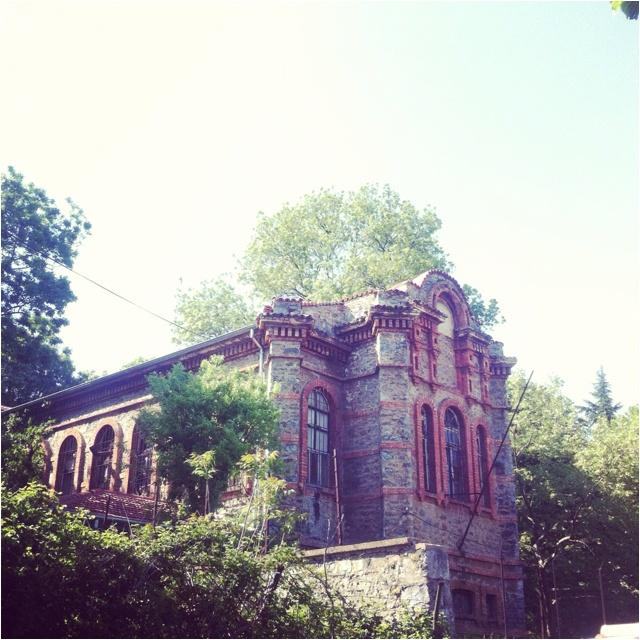
Yeniköy's rich tapestry is woven from the histories of several distinct communities that coexisted and contributed to its unique identity. For centuries, the neighborhood was a significant hub for Greek Orthodox residents, who established churches and community institutions, shaping much of its cultural and architectural landscape. Their presence, alongside other non-Muslim groups, lent Yeniköy a distinctly cosmopolitan air.
The Armenian community also played a vital role, leaving behind their own religious and educational structures that stand as testaments to their historical presence. Furthermore, Yeniköy attracted Levantine families – European merchants and diplomats, often of Italian, French, or British descent, who settled in Istanbul and adopted it as their home. These communities, drawn by the Bosphorus's allure and the relative tranquility of the village, contributed to a vibrant multicultural environment that fostered exchange and left a lasting imprint on Yeniköy's character.
Architecture
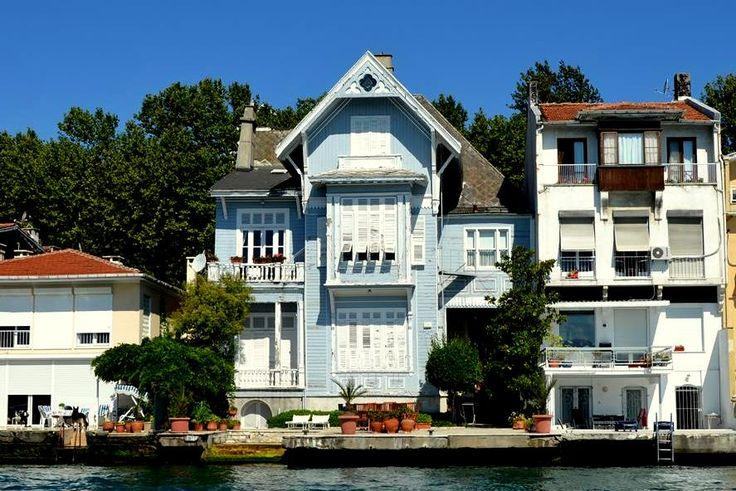
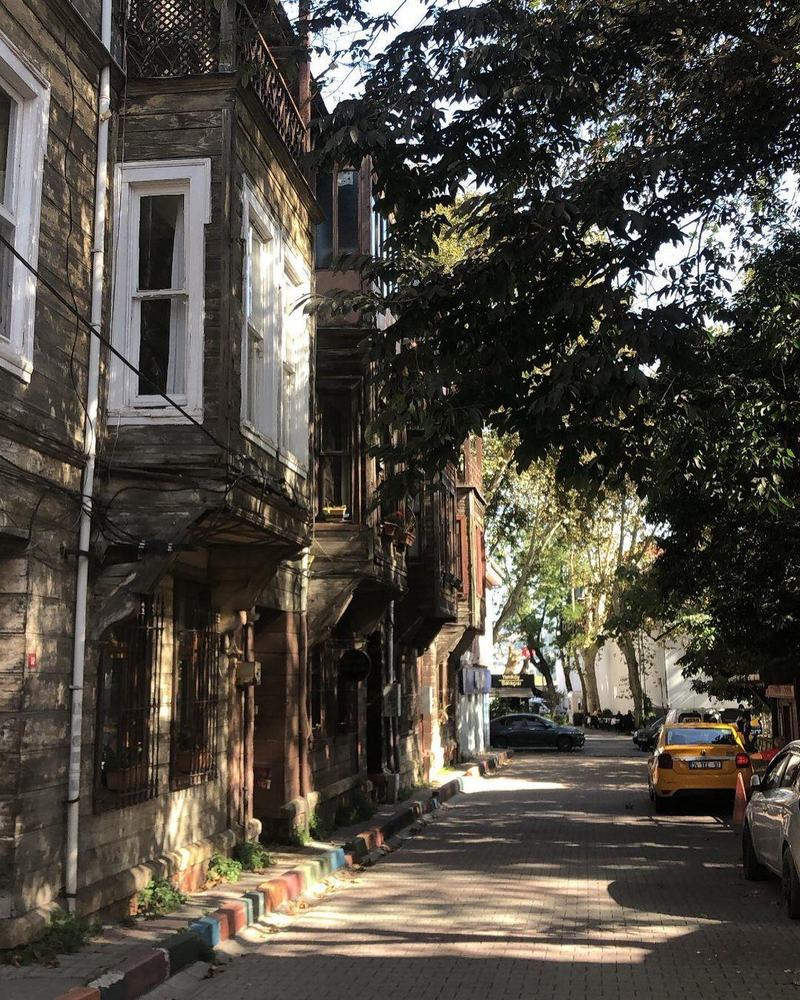
Yeniköy is renowned for its elegant and often grandiose architecture, primarily its iconic Bosphorus waterfront mansions (yalıları). These historic wooden houses, some dating back to the Ottoman period, line the shoreline, showcasing intricate Ottoman Baroque and neoclassical designs. They represent the wealth and status of their former residents, many of whom were pashas, foreign dignitaries, or affluent merchants.
- Yalıları: Grand wooden mansions, often with elaborate facades and direct access to the Bosphorus.
- Religious Buildings: The neighborhood is home to several historic places of worship reflecting its multicultural past:
- The Greek Orthodox Church of Panayia Kumyalı (Virgin Mary of Kumyalı), a prominent landmark.
- The Surp Asdvadzadzin Armenian Church (Holy Mother of God Armenian Church).
- Historical mosques, blending seamlessly with the surrounding residential architecture.
- Stone Buildings: Beyond the wooden yalıs, many stately stone buildings and villas with European architectural influences can be found further inland, reflecting the presence of Levantine and other European residents.
Art
While Yeniköy is not traditionally known as a primary artistic hub in the same vein as neighborhoods like Cihangir: Istanbul's Bohemian Haven or Beyoğlu: Istanbul's Cosmopolitan Heart, its picturesque setting and historic charm have long served as an inspiration for artists, writers, and photographers. The serene Bosphorus views, the intricate details of its historic yalıs, and the unique blend of cultures have been captured in various forms of art over the centuries. Local traditions suggest that many Ottoman-era poets and painters found solace and inspiration in its tranquil atmosphere. Today, while specific galleries might be less concentrated than in other districts, the aesthetic quality of Yeniköy continues to attract those who appreciate its quiet beauty and rich heritage.
Current Life
Today, Yeniköy maintains much of its tranquil, residential character, setting it apart from the more commercialized areas of Istanbul. It remains a desirable neighborhood, particularly for those seeking a peaceful life by the Bosphorus, away from the city's intensity. The waterfront continues to be a central feature of daily life, with residents enjoying strolls along the promenade and the scenic views.
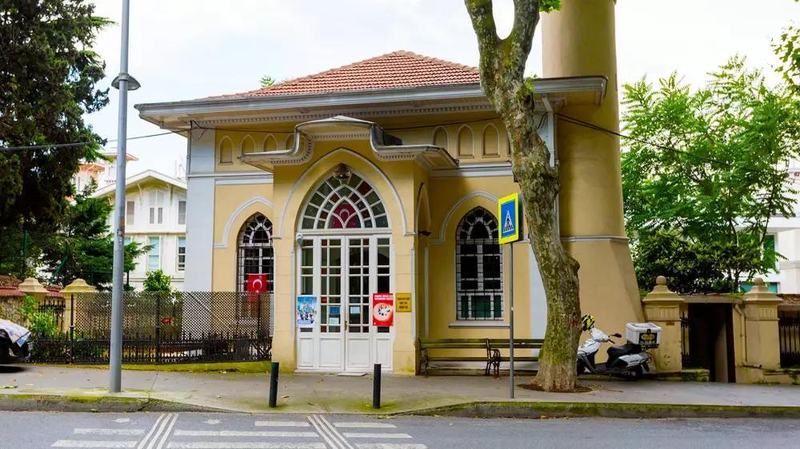
The area offers a blend of historic charm and modern amenities. You can find quaint cafes, upscale restaurants, and boutique shops interspersed among the historic buildings. While the vibrant multiculturalism of its past has evolved, the presence of its historic churches and a general appreciation for its heritage are still palpable. Yeniköy offers a glimpse into a more serene, elegant side of Istanbul, where history and contemporary life gently intertwine.
Frequently asked questions
What does 'Yeniköy' mean?
The name Yeniköy translates from Turkish as 'New Village.' This name suggests its development as a newer settlement along the Bosphorus compared to some older areas.
Which historical communities lived in Yeniköy?
Yeniköy was historically home to diverse communities including Greek Orthodox residents, the Armenian community, and Levantine families of European descent. These groups significantly shaped the neighborhood's culture and architecture.
What kind of architecture can be seen in Yeniköy?
Yeniköy is most famous for its historic Bosphorus waterfront mansions (yalıları), which are grand wooden houses. The neighborhood also features historic Greek Orthodox and Armenian churches, as well as stately stone buildings with European architectural influences.
Is Yeniköy still a multicultural neighborhood today?
While the vibrant multiculturalism of Yeniköy's past has evolved, the neighborhood still retains the legacy of its diverse heritage. Its historic churches and the architectural styles reflecting different communities are still visible, contributing to its unique character.
What is Yeniköy known for today?
Today, Yeniköy is known for its tranquil residential atmosphere, its beautiful Bosphorus views, and its historic waterfront mansions. It offers a quieter, elegant side of Istanbul with upscale cafes, restaurants, and boutique shops.
How did the Bosphorus influence Yeniköy's development?
The Bosphorus profoundly influenced Yeniköy's development, making it a strategic and desirable residential area. Its maritime connection fostered trade and fishing, and the strait's beauty attracted Istanbul's elite and various communities seeking a peaceful waterfront life.
Written by Istanbook Editorial Team
Sources (2)
- 2yaka.org — 2yaka.org
- antikalar.com — antikalar.com