Neighborhoods
Fener: Istanbul's Historic Greek Quarter
Neighborhood Boundary
History
Fener, an ancient neighborhood nestled along the shores of the Golden Horn (Haliç) in Istanbul, holds a profoundly significant place in the city's history, particularly for its connection to the Greek Orthodox community. Following the Ottoman conquest of Constantinople in 1453, Fener gradually became the spiritual and cultural heart of the city's Greek population.
By the late 16th century, the Ecumenical Patriarchate of Constantinople relocated to Fener, solidifying the neighborhood's status as the center of Orthodox Christianity. This move attracted many wealthy and influential Greek families, known as the Phanariots (Fenerli in Turkish), who played crucial roles in the Ottoman administration. These families were often educated in European languages and customs, serving as dragomans (interpreters) for the Ottoman government and even as governors of the Danubian Principalities (modern-day Romania).
The 20th century, however, brought significant changes. Political events and population exchanges led to a gradual decrease in Fener's Greek population. Despite these shifts, Fener has retained much of its unique character and historical fabric, with ongoing efforts to preserve its rich heritage as part of Istanbul's broader historical narrative.
Name Origin
The name Fener derives from the Turkish word for "lighthouse." This is attributed to an old Byzantine lighthouse that once stood prominently on the promontory, guiding ships navigating the waters of the Golden Horn.
Communities
Architecture
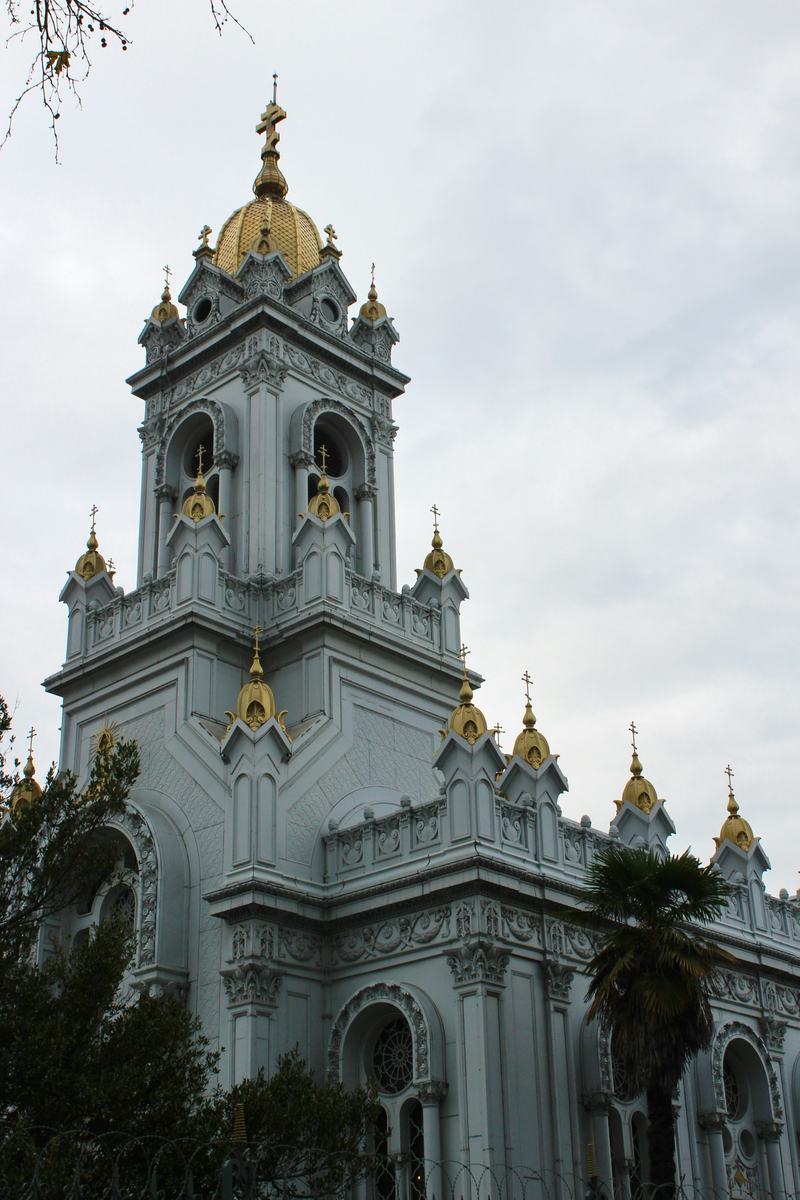
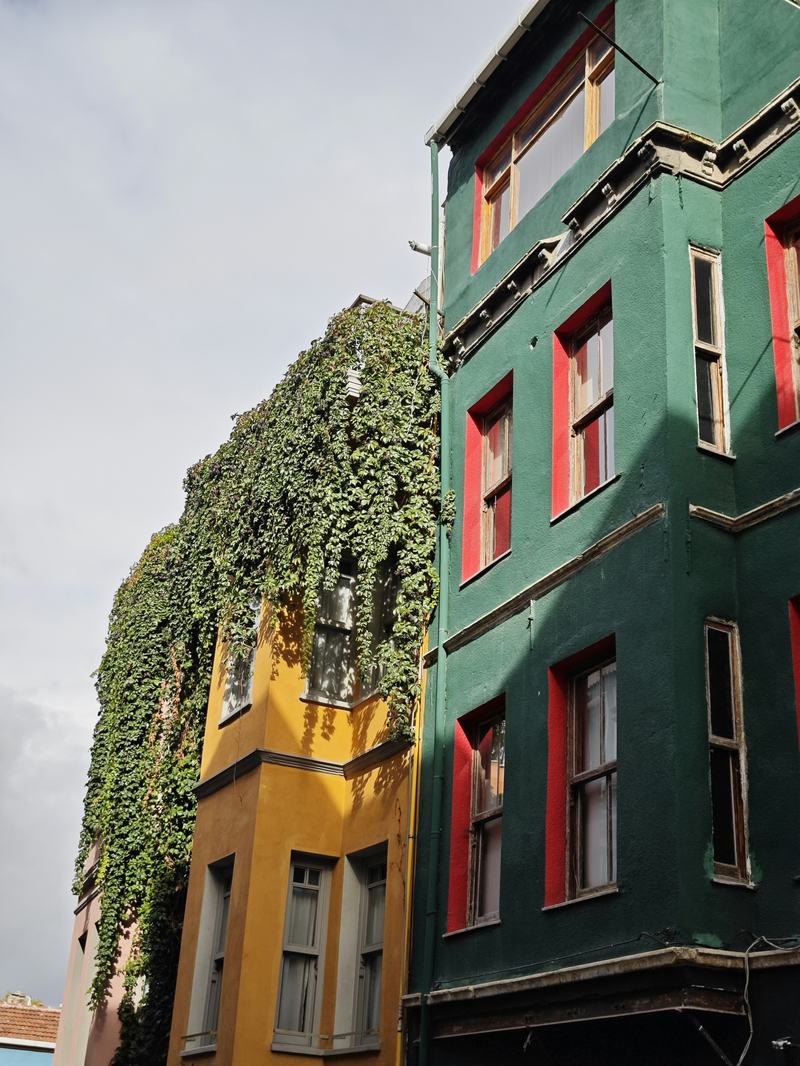
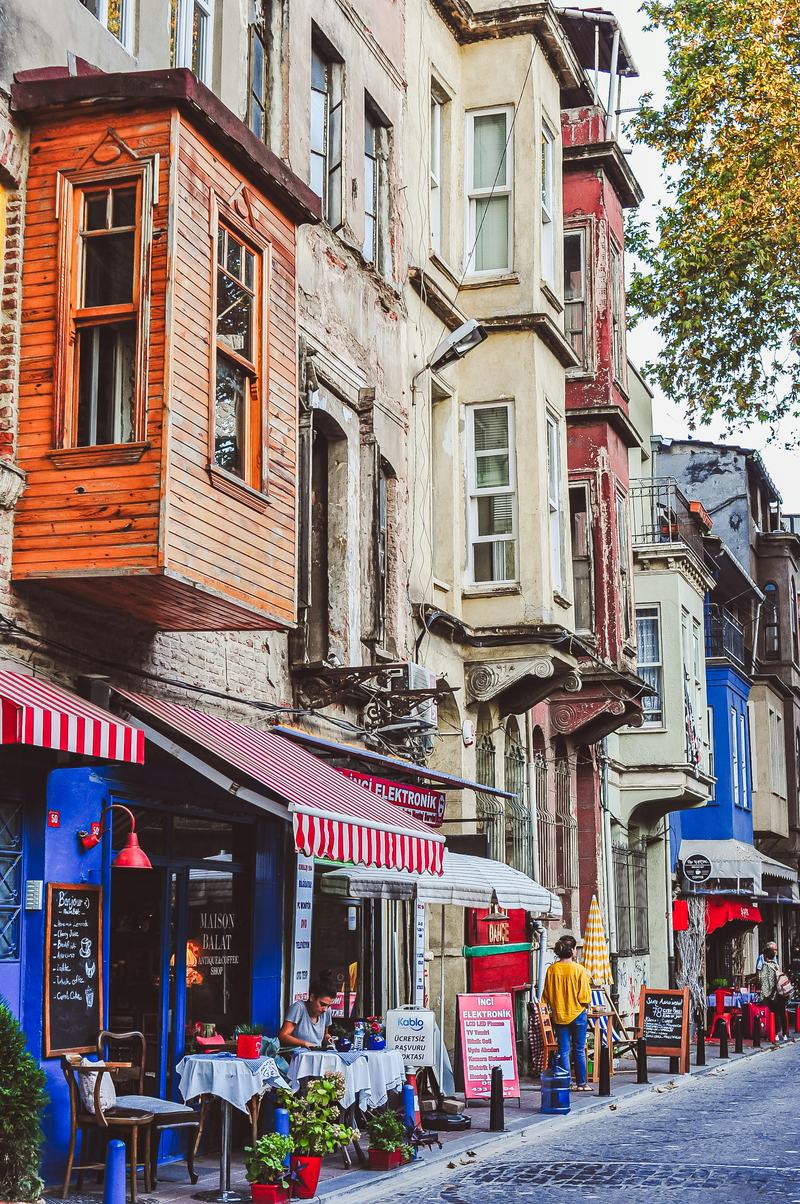
Fener's architectural landscape is a captivating blend of styles, reflecting its diverse historical layers. The neighborhood is particularly renowned for its grand wooden Ottoman houses, known as konaks, many of which date back to the 19th and early 20th centuries, often featuring multiple stories and intricate detailing.
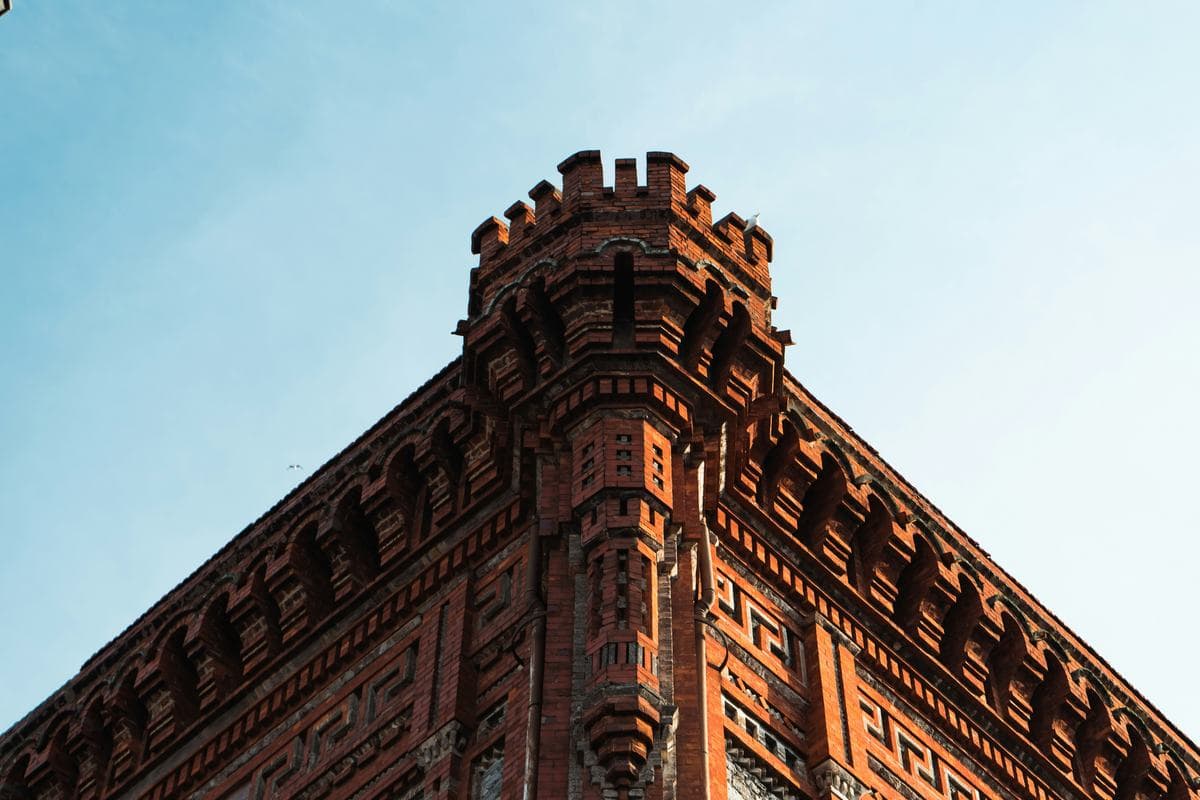
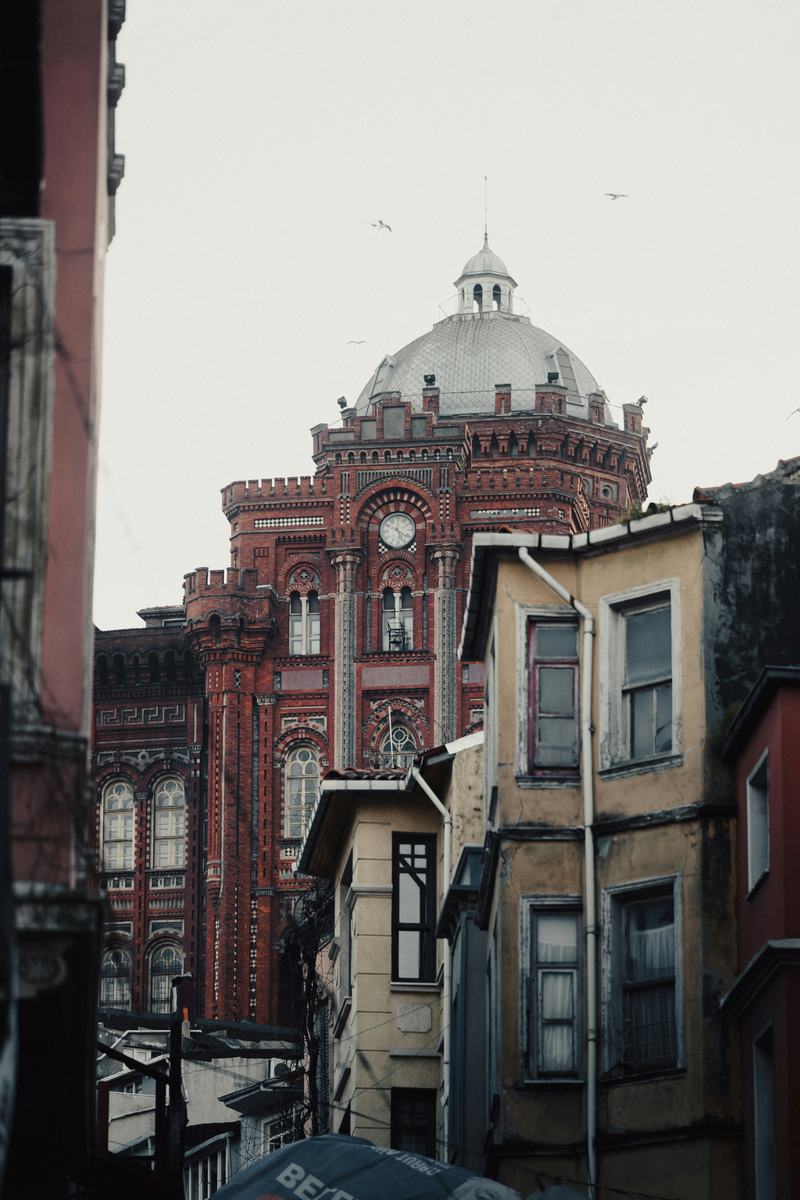
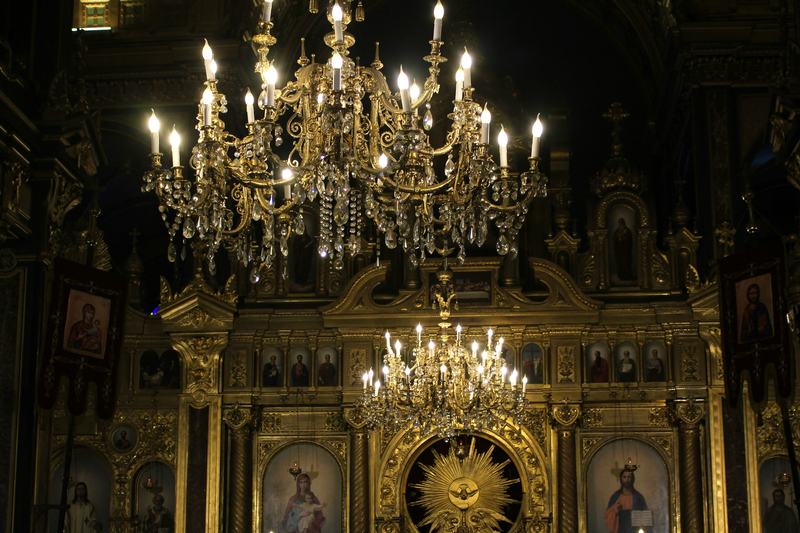
Among its most striking landmarks is the imposing Phanar Greek Orthodox College (Fener Rum Lisesi), often called the "Red School" due to its distinctive red brick facade. This architectural marvel, resembling a castle, dominates the skyline and is a testament to the educational importance placed by the Greek community. Nearby, the complex of the Ecumenical Patriarchate of Constantinople includes the modest yet historically significant Church of St. George, the principal cathedral of the Ecumenical Patriarchate.
Another notable structure is the Church of Panagia of Blachernae, though slightly outside the core, and the Church of St. Mary of the Mongols (Kanlı Kilise), significant as one of the few Byzantine churches in Istanbul that was never converted into a mosque after the Ottoman conquest. The entire area, including Fener, is recognized as part of the Historic Areas of Istanbul, a UNESCO World Heritage site, underscoring its global architectural and cultural value.
Art
Fener's artistic and creative culture is deeply interwoven with its historical and religious identity. Historically, the art produced and cherished within Fener was primarily religious in nature, including intricate icons, frescoes, and ecclesiastical artifacts adorning its numerous churches, most notably within the Ecumenical Patriarchate of Constantinople and its affiliated institutions. These works represent centuries of Byzantine and post-Byzantine artistic traditions.
The meticulous craftsmanship involved in producing vestments, illuminated manuscripts, and the decorative elements of sacred spaces also forms a significant part of Fener's traditional creative output. While the neighborhood may not be a hub for contemporary art galleries in the same way some other Istanbul districts are, its unique architectural fabric and the preservation of its historical buildings are increasingly attracting photographers and artists seeking to capture its atmospheric charm. The visual narrative of Fener's streets, with their pastel-colored houses and historical textures, offers a rich canvas for artistic expression.
Current Life
Today, Fener offers a fascinating glimpse into Istanbul's layered past and evolving present. While the Greek Orthodox community that once formed its majority is much smaller, Fener continues to be home to the Ecumenical Patriarchate of Constantinople, which remains a vital spiritual center. The neighborhood has witnessed a gentle revitalization in recent decades, often in conjunction with its close neighbor, Balat, leading to the restoration of many historic buildings.
Life in Fener maintains a quiet, residential pace, though it increasingly welcomes visitors drawn to its rich history and distinctive atmosphere. Its narrow, winding streets are dotted with local shops, traditional cafes, and small businesses that cater to residents. The area's historical significance and picturesque setting make it a favored spot for cultural enthusiasts and those seeking a more authentic, less tourist-centric experience of Istanbul. It's a place where history feels palpable, and the echoes of diverse communities still resonate in its daily rhythms.
Frequently asked questions
What is the main historical significance of Fener?
Fener is historically significant as the spiritual and cultural heart of Istanbul's Greek Orthodox community, especially after the Ottoman conquest of 1453. It became the seat of the Ecumenical Patriarchate of Constantinople in the late 16th century and was home to the influential Phanariot Greek families who played key roles in the Ottoman Empire.
What are the most notable architectural landmarks in Fener?
Key architectural landmarks in Fener include the striking Phanar Greek Orthodox College, often called the "Red School," known for its imposing red brick structure. The complex of the Ecumenical Patriarchate of Constantinople, housing the Church of St. George, is also a central feature. Additionally, the neighborhood is famous for its preserved wooden Ottoman houses and the Byzantine-era Church of St. Mary of the Mongols.
How is Fener connected to the Greek community in Istanbul today?
Fener remains deeply connected to the Greek Orthodox community as the enduring home of the Ecumenical Patriarchate of Constantinople, which serves as the spiritual center for millions of Orthodox Christians worldwide. While the local Greek population has significantly diminished over time, the presence of the Patriarchate ensures Fener's continued role as a focal point for Greek Orthodox heritage and culture in Istanbul.
Written by Istanbook Editorial Team · Last updated August 21, 2026