Neighborhoods
Zeyrek: Istanbul's Enduring Byzantine and Ottoman Layers
Neighborhood Boundary
History
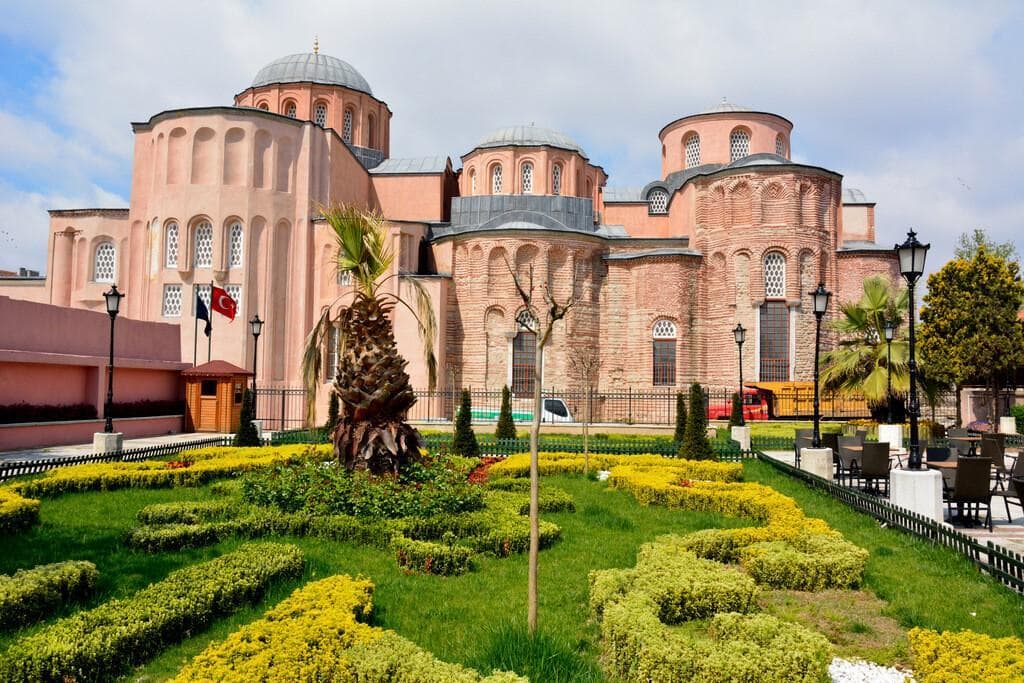
Nestled on a historic ridge overlooking the Golden Horn, Zeyrek boasts a rich and layered past, tracing its origins back to the Byzantine era. The neighborhood's identity during this period was inextricably linked to the magnificent Monastery of Christ Pantocrator. This imperial foundation, constructed in the 12th century, was not merely a religious complex but also housed a hospital and a library, establishing Zeyrek as a significant center within Constantinople.
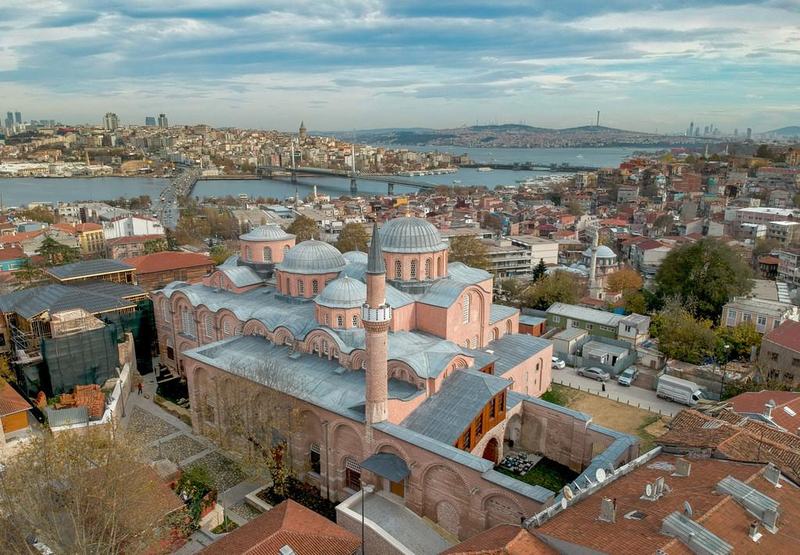
Following the Ottoman conquest of Constantinople in 1453, the monastery underwent a profound transformation, being converted into a mosque and madrasah complex. It became known as the Zeyrek Mosque (Molla Zeyrek Camii), symbolizing the city's new Islamic identity. The surrounding area developed into a residential quarter, retaining its intricate, organic street pattern.
Zeyrek's urban fabric thus presents a unique historical tapestry, where the monumental Byzantine structure stands amidst centuries of later Ottoman domestic architecture. As a vital component of the Historic Areas of Istanbul, Zeyrek has more recently become a focal point for intensive conservation efforts, notably supported by the UNESCO World Heritage Centre — Historic Areas of Istanbul, aiming to preserve its remarkable heritage.
Name Origin
The name "Zeyrek" is widely understood to derive from Molla Zeyrek Mehmed Efendi. He was a prominent scholar who taught at the madrasah (Islamic theological school) that was established within the former Pantocrator complex shortly after the Ottoman conquest. This naming signifies the neighborhood's profound transformation and its integration into the new Ottoman urban landscape, adopting an identity linked directly to its new purpose and residents.
Communities
During the Byzantine period, the area immediately surrounding the Monastery of Christ Pantocrator would have primarily housed a Greek Orthodox population. This community included clergy, monks, and those whose lives and livelihoods were directly associated with the influential imperial foundation. It was a thriving religious and social hub reflecting the spiritual and cultural landscape of the Byzantine capital.
With the Ottoman conquest, the demographic composition of Zeyrek underwent a significant shift. The conversion of the monastery into a mosque marked the establishment of a predominantly Muslim Turkish community. Over subsequent centuries, the neighborhood largely became a Turkish Muslim quarter, characterized by its traditional Ottoman wooden houses and a daily rhythm centered around Islamic life, with the mosque at its heart. The enduring street layout and distinctive domestic architecture stand as a testament to this long-standing Ottoman presence and community life.
Architecture
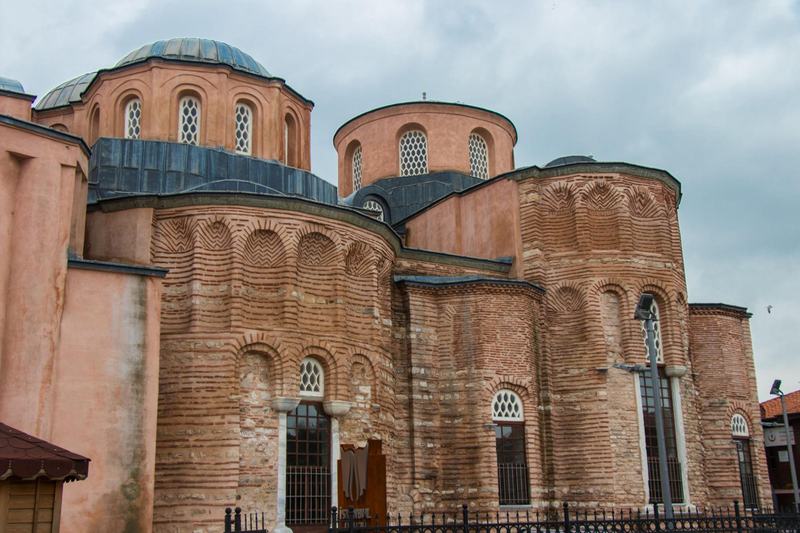
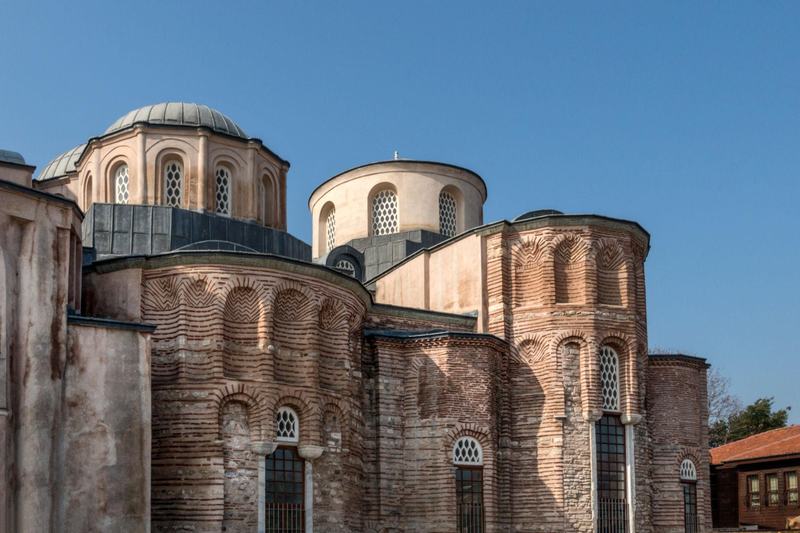
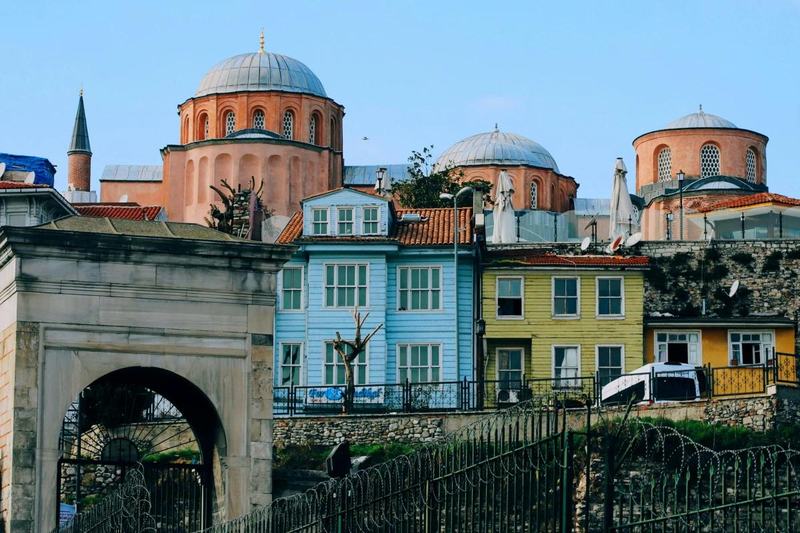
The most prominent architectural feature in Zeyrek is undeniably the former Church of Christ Pantocrator, now known as the Zeyrek Mosque. This complex stands as one of Istanbul's most substantial and well-preserved examples of Byzantine architecture, a masterpiece from the 12th century. It comprises three distinct churches ingeniously combined into a single, grand structure, showcasing intricate brickwork and elaborate vaulted spaces that exemplify advanced Byzantine craftsmanship.
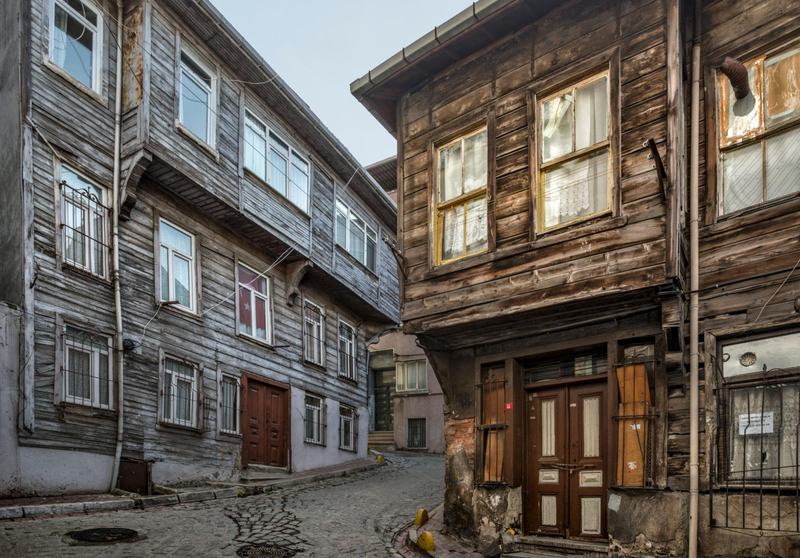
Surrounding this monumental Byzantine edifice, the neighborhood is characterized by a dense collection of traditional Ottoman wooden houses. These multi-story residences, frequently featuring projecting bay windows (cumba) and expertly crafted timber framing, line the narrow, winding streets. They represent a crucial part of Istanbul's urban heritage, offering insight into Ottoman domestic life and forming a striking yet harmonious contrast with the ancient Byzantine foundations. The conservation of these historical structures is a key aspect of Zeyrek's status as part of the UNESCO / ICOMOS — Historic Areas of Istanbul.
Art
Zeyrek's artistic legacy is deeply interwoven with its architectural narrative. Within the former Church of Christ Pantocrator, while much of its original elaborate Byzantine internal decoration—such as mosaics and frescoes—has been lost or covered over time due to its conversion into a mosque, the sheer scale and sophisticated design of its original structure speak volumes about the advanced Byzantine artistic patronage of the Komnenian era.
In the Ottoman period, the "art" of Zeyrek is primarily expressed through the craftsmanship and aesthetic principles of its traditional houses. The intricate joinery, the carefully selected wooden elements, and the thoughtful arrangement of spaces within these homes reflect a vernacular architectural art form. This form prioritized functionality, adaptation to local climate and social customs, and the creation of intimate, familial environments. While not featuring grand public artworks in the conventional sense, the artistic beauty of Zeyrek resides in its cohesive historical urban fabric and the preservation of a distinct, timeless aesthetic.
Current Life
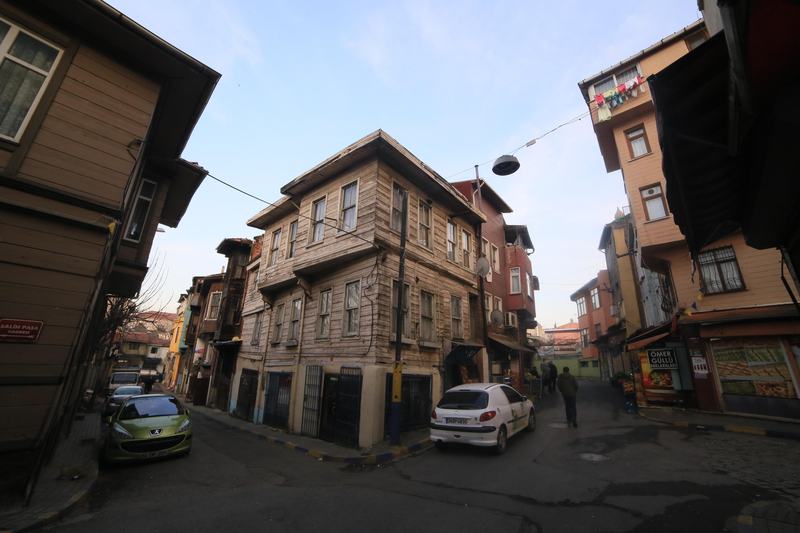
Today, Zeyrek retains its character as a predominantly residential neighborhood, offering a tranquil glimpse into authentic Istanbul daily life away from the city's more tourist-heavy areas. Life here unfolds at a measured pace, with locals going about their routines along the narrow, cobbled streets.
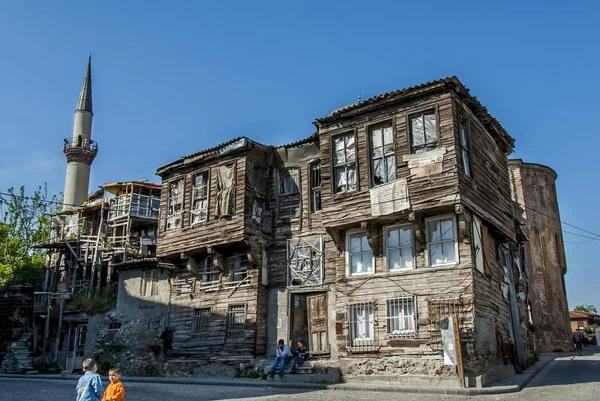
The neighborhood is home to families, local tradespeople, and small, essential shops, fostering a strong sense of community. Ongoing conservation and restoration projects, often under the purview of its UNESCO World Heritage status, are actively working to protect and revitalize its unique urban heritage, including its many traditional Ottoman wooden houses. Visitors to Zeyrek often experience a profound sense of timelessness, observing the remarkable coexistence of a grand Byzantine monument with the living traditions of an old Istanbul neighborhood, a powerful testament to the city's continuous historical layers.
Frequently asked questions
What is the most significant historical building in Zeyrek?
The most significant historical building in Zeyrek is the Church of Christ Pantocrator, originally a Byzantine monastery complex from the 12th century. After the Ottoman conquest, it was converted into a mosque and is now known as the Zeyrek Mosque.
How did Zeyrek get its name?
The neighborhood's name, Zeyrek, is believed to originate from Molla Zeyrek Mehmed Efendi, an influential scholar who taught at the madrasah established within the former Pantocrator complex during the early Ottoman period.
What kind of architecture can be seen in Zeyrek besides the former church?
Beyond the monumental Byzantine church, Zeyrek is renowned for its numerous traditional Ottoman wooden houses. These multi-story residences, with their distinctive bay windows (cumba) and intricate timber framing, line the narrow, cobbled streets and represent a significant aspect of Istanbul's historical urban fabric.
What communities historically inhabited Zeyrek?
Historically, during the Byzantine era, the area was associated with a Greek Orthodox community centered around the monastery. Following the Ottoman conquest, the neighborhood transformed into a predominantly Muslim Turkish community, whose traditional houses and Islamic institutions shaped its character.
Is Zeyrek part of a UNESCO World Heritage site?
Yes, Zeyrek is a crucial component of the Historic Areas of Istanbul, which is designated as a UNESCO World Heritage Centre — Historic Areas of Istanbul site. This status underscores its importance and the ongoing efforts for its conservation.
What is daily life like in Zeyrek today?
Today, Zeyrek remains primarily a residential neighborhood, characterized by a quiet, local atmosphere. Its narrow streets are home to families and small businesses, and daily life reflects traditional Istanbul rhythms, with a strong focus on community, away from major tourist crowds.
Are there any specific art forms associated with Zeyrek?
While grand frescoes or mosaics from the Byzantine era are largely lost or covered, Zeyrek's "art" lies in the architectural craftsmanship of its historic buildings. This includes the sophisticated Byzantine design of the former Pantocrator Church and the intricate joinery and wooden elements of the traditional Ottoman houses, reflecting distinct historical aesthetics rather than standalone artworks.