Neighborhoods
Vefa: A Neighborhood of Deep History and Enduring Life
History
Vefa, nestled within the historic Fatih district, embodies Istanbul's layered past, where Byzantine foundations give way to a rich Ottoman heritage. While the specific details of its pre-Ottoman history are less documented than some other areas, its proximity to significant Byzantine structures such as the Valens Aqueduct suggests a long history of habitation. Under Ottoman rule, Vefa flourished as a residential and religious center, attracting scholars and Sufi mystics. The neighborhood's character was profoundly shaped by the establishment of mosques, madrasas (religious schools), and tekkes (Sufi lodges), which contributed to its scholarly and spiritual atmosphere.
Over centuries, Vefa maintained a quiet dignity, often considered an enclave where traditional Istanbulite life persisted. Its streets have witnessed the ebb and flow of empire, from the grandeur of Sultanic periods to the profound changes of the modern Turkish Republic. Today, it remains a place where historical memory is not merely preserved in monuments, but actively woven into the fabric of everyday urban existence.
Name Origin
The name Vefa, meaning 'loyalty' or 'faithfulness' in Turkish, is traditionally attributed to Sheikh Ebu'l Vefa, a respected Sufi mystic of the 15th century. His lodge and tomb were established in the area, leading the neighborhood to adopt his name as a lasting tribute to his spiritual influence and the reverence he commanded.
Communities
During the Ottoman period, Vefa was predominantly a neighborhood inhabited by Ottoman Muslims, particularly scholars, religious figures, and state officials, who were drawn by the presence of numerous madrasas, mosques, and Sufi tekkes. This concentration of religious and intellectual institutions fostered a distinct cultural and social environment. While Istanbul itself was a cosmopolitan city, Vefa retained a strong Muslim character, contrasting with areas like Balat: A Tapestry of Cultures on the Golden Horn or Fener: Istanbul's Historic Greek Quarter, which historically hosted larger Greek and Jewish populations. The architectural remnants, including its mosques and traditional houses, predominantly reflect this heritage.
Architecture
Vefa's architecture offers a tangible journey through Istanbul's past, showcasing both its Byzantine foundations and its rich Ottoman development. Notable structures include:
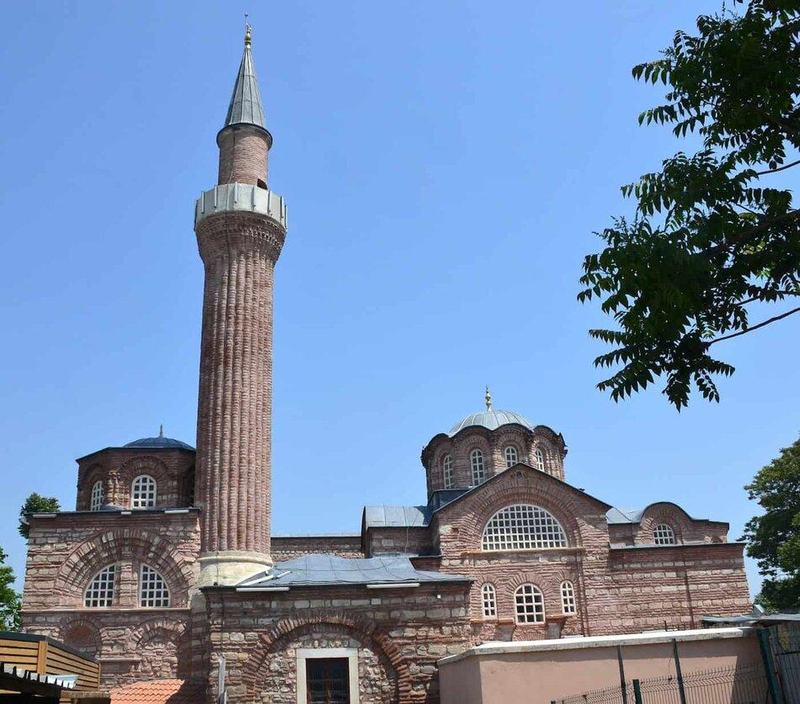
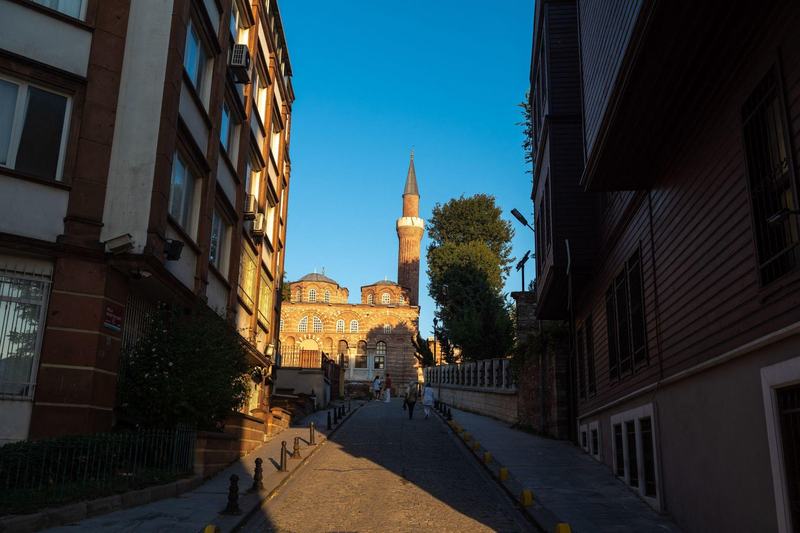
- The Vefa Kilise Mosque (Molla Gürani Mosque): Originally a 12th-century Byzantine church, this significant structure was converted into a mosque during the Ottoman era, demonstrating the continuous layering of history on its ancient foundations.
- Kalenderhane Mosque: Another striking example of a former Byzantine church transformed into a mosque, nearby Kalenderhane further exemplifies the neighborhood's profound historical depth.
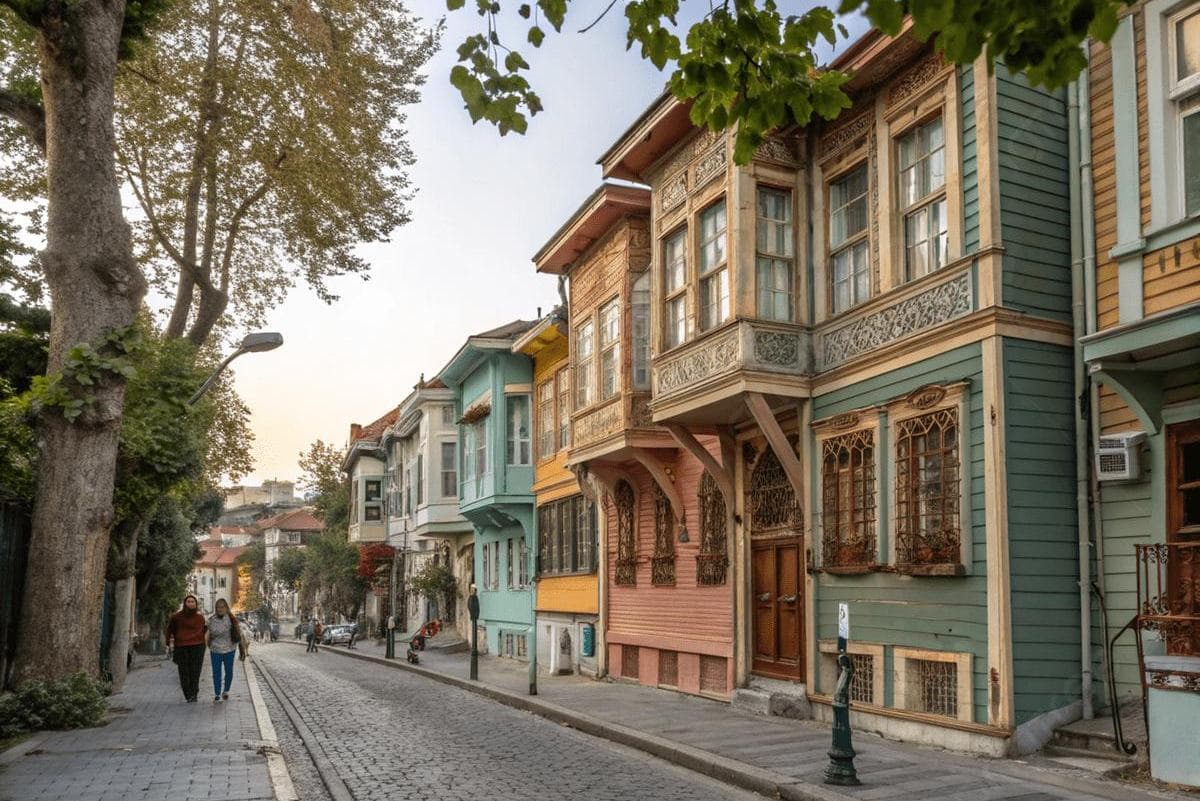
- Traditional Ottoman Timber Houses: Many narrow streets are lined with charming, albeit sometimes dilapidated, Ottoman timber houses, some of which have been meticulously restored, offering glimpses into domestic life from centuries past.
- Historic Fountains (çeşme): Numerous exquisitely crafted Ottoman public fountains dot the neighborhood, providing not only water but also serving as elegant embellishments of the urban landscape, testaments to the era's civic planning.
- The imposing Valens Aqueduct, though technically bordering Vefa, serves as a monumental reminder of the area's ancient Roman and Byzantine engineering prowess, its arches still dominating the skyline.
Art
While Vefa is not a center for contemporary art galleries like some of Istanbul's more modern districts, its artistic heritage is deeply rooted in traditional Islamic arts. Historically, the madrasas and religious institutions within Vefa served as centers for learning and patronage of arts such as calligraphy, illumination, and miniature painting. The intricate tile work, calligraphy, and architectural detailing found in the neighborhood's mosques and fountains are enduring examples of this artistic legacy. The spiritual depth of Vefa has historically inspired poets and scholars, fostering a contemplative cultural environment.
Current Life
Today, Vefa retains a largely quiet, residential character, offering a compelling blend of historical resonance and everyday urban life. It is a neighborhood where the rhythms of daily existence unfold amidst centuries-old monuments, making it distinct from Istanbul's more commercial or tourist-centric areas.
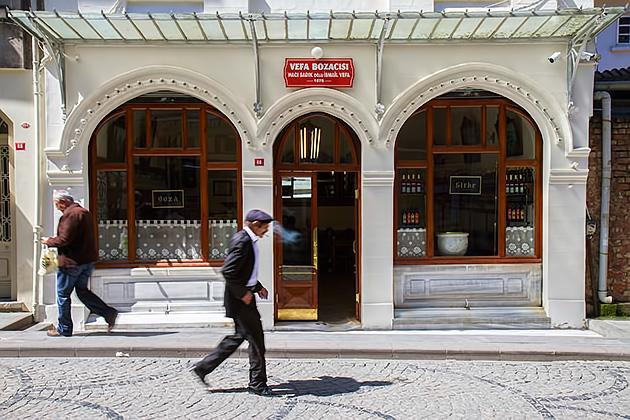
Vefa is perhaps most famous for Vefa Bozacısı, a legendary establishment dating back to 1876. This historic shop continues to serve traditional boza – a fermented millet drink with a thick, tangy consistency, often enjoyed with cinnamon and roasted chickpeas. It's a beloved local tradition and a taste of authentic Istanbul.
Beyond its culinary landmark, Vefa is characterized by its local markets, small artisan shops, and neighborhood cafes, where residents engage in daily routines. Children play in its narrow streets, and the calls to prayer echo from ancient minarets, creating an atmospheric backdrop that speaks to a community where history is not just preserved but actively lived and breathed.
Frequently asked questions
What is Vefa's historical significance?
Vefa is historically significant as a district that blends both Byzantine and Ottoman heritage. It developed as a notable residential and religious center during the Ottoman era, home to scholars, Sufi mystics, and various religious institutions.
What famous local food can I try in Vefa?
Vefa is particularly renowned for boza, a traditional fermented millet drink. The most famous place to try it is Vefa Bozacısı, an establishment that has been serving boza since 1876.
Are there any specific architectural highlights in Vefa?
Architectural highlights include the Vefa Kilise Mosque, originally a Byzantine church, and the nearby Kalenderhane Mosque, another converted Byzantine church. The neighborhood also features many traditional Ottoman timber houses and historic çeşme, or fountains, alongside the ancient Valens Aqueduct.
What kind of atmosphere does Vefa have today?
Today, Vefa maintains a largely quiet, residential atmosphere, offering a glimpse into everyday Istanbul life alongside its profound historical layers. It's a place where history is not just preserved but lived by its community.
What does the name 'Vefa' mean?
The name 'Vefa' means 'loyalty' or 'faithfulness' in Turkish. Local tradition attributes its naming to Sheikh Ebu'l Vefa, a respected Sufi mystic from the 15th century who resided in the area.
Which communities have historically lived in Vefa?
During the Ottoman period, Vefa was predominantly inhabited by Ottoman Muslims, including scholars and religious figures, due to its numerous madrasas, mosques, and Sufi lodges. This community structure gave Vefa a distinct scholarly and spiritual character.
Written by Istanbook Editorial Team