Neighborhoods
Sultanahmet: Istanbul's Imperial Heart
Neighborhood Boundary
History
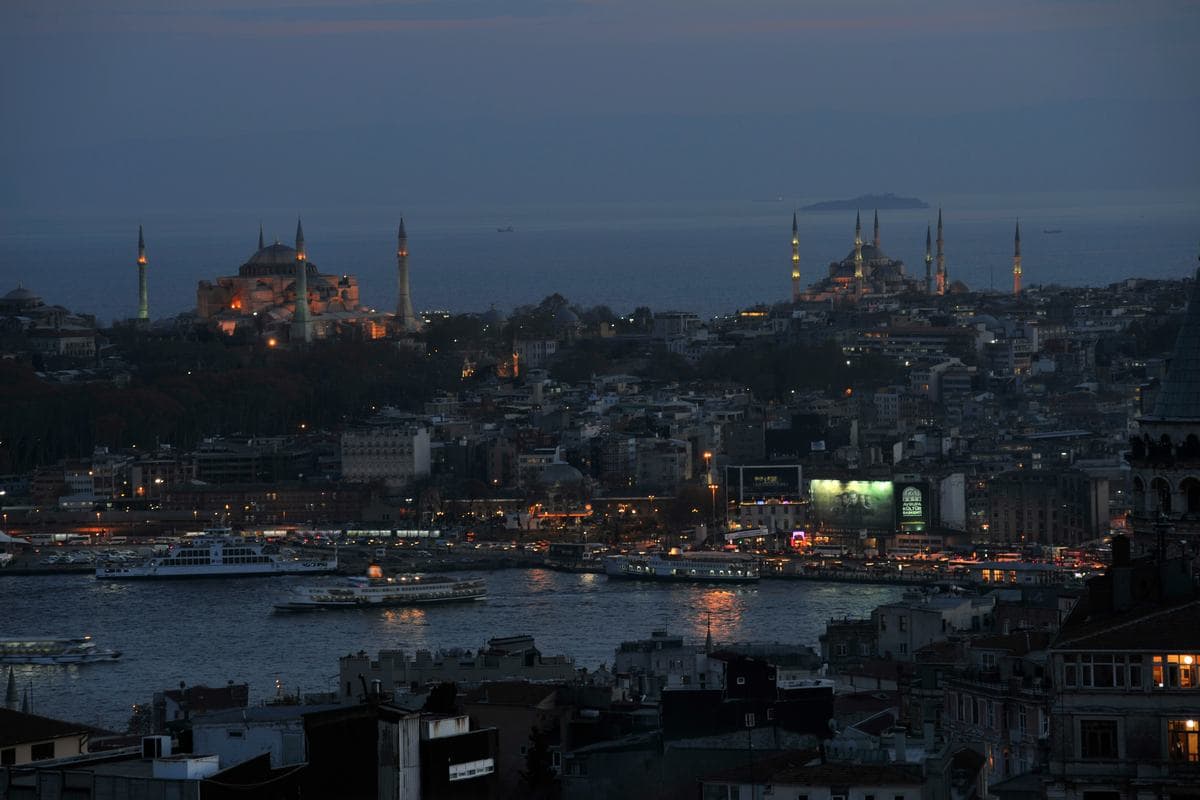
At the very heart of Istanbul, the neighborhood of Sultanahmet serves as a living chronicle of empires, where the echoes of ancient civilizations resonate through the Ottoman grandeur that defines its modern form. This strategic promontory, nestled between the Golden Horn, the Bosphorus, and the Marmara Sea, has been an epicenter of power for millennia, first as the capital of the Roman, then Byzantine Empire, and later as the seat of the Ottoman sultans.
Its history begins with the Greek city of Byzantium, later refounded by Roman Emperor Constantine the Great in the 4th century CE as Constantinople. Under Byzantine rule, it flourished as a center of Christianity and imperial authority, marked by monumental structures like the Hagia Sophia and the vast Hippodrome of Constantinople. The Great Palace of the Byzantine Emperors once sprawled across much of the area, its remnants still peeking through beneath modern structures.
Following the Ottoman conquest in 1453, Sultanahmet retained its imperial significance. The Hagia Sophia was converted into a mosque, and new architectural marvels like the Sultan Ahmed Mosque (the Blue Mosque) and Topkapi Palace were constructed, layering Ottoman aesthetics and governance over the Byzantine foundations. The area became the political and cultural nexus of a new global empire, attracting scholars, artists, and merchants from across the world. The transformation highlights a continuous tradition of imperial urbanism, where each succeeding empire built upon, and often repurposed, the legacy of its predecessors. Today, archaeological work continues to uncover layers of this intricate past, offering new insights into the enduring human story of this remarkable place.
Name Origin
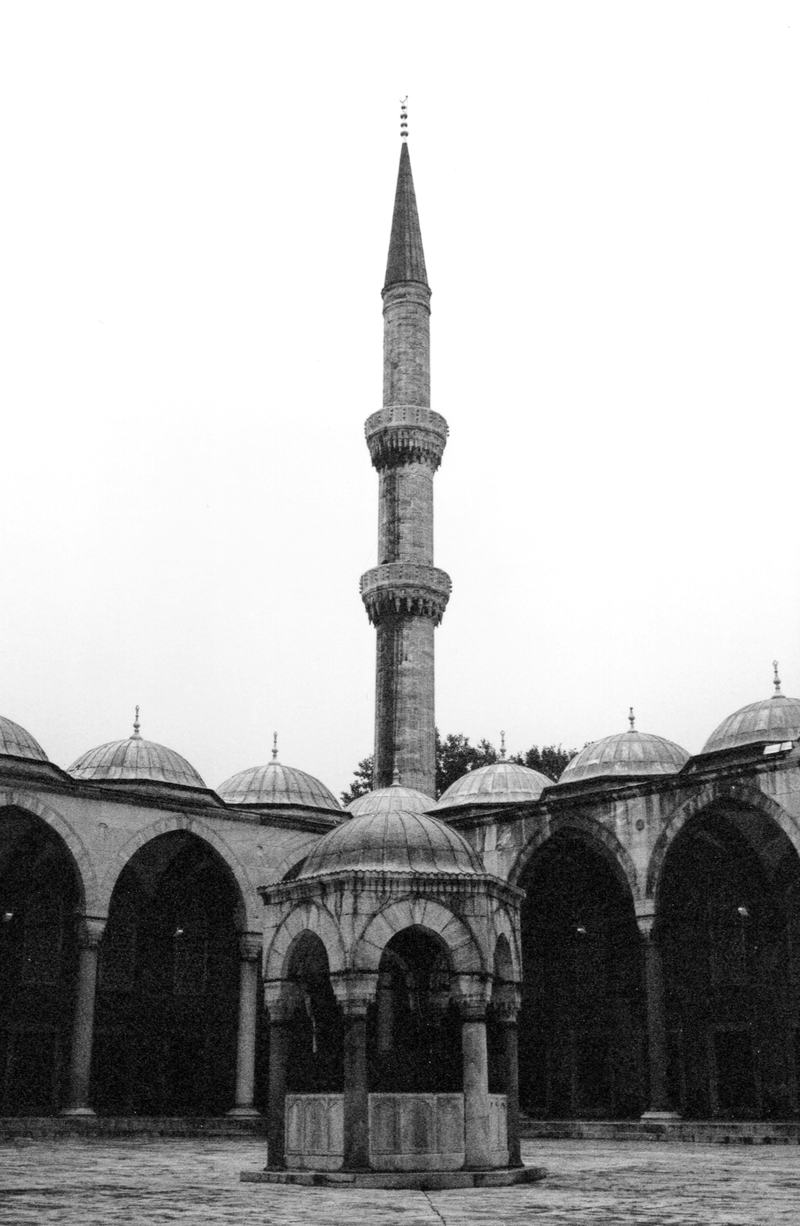
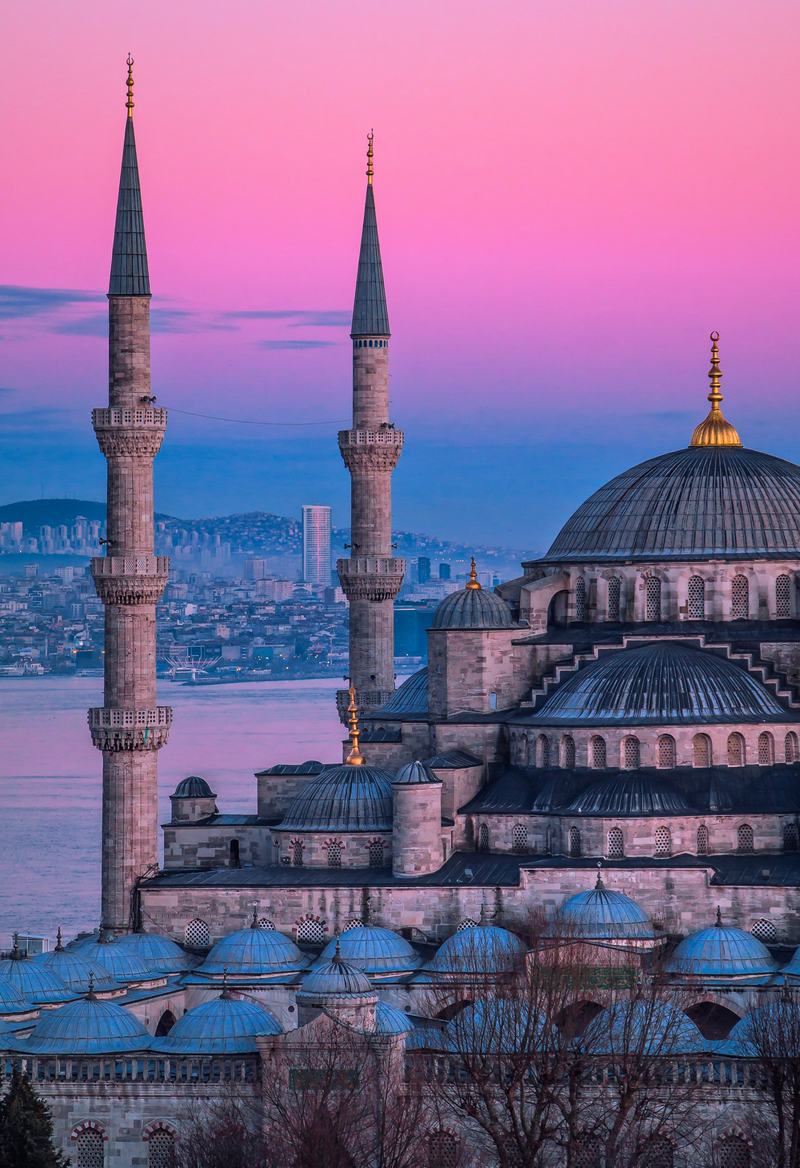
The name Sultanahmet directly derives from Sultan Ahmed I, the Ottoman ruler responsible for commissioning the iconic Sultan Ahmed Mosque, commonly known as the Blue Mosque. This magnificent structure, completed in the early 17th century, dominates the district's skyline and solidified the area's identity as a new imperial center, distinct yet adjacent to the historical core centered around Hagia Sophia. The mosque and its associated complex of külliye (a charitable foundation) gave the surrounding area its lasting name.
Architecture
Sultanahmet is an unparalleled open-air museum of imperial architecture, showcasing a breathtaking transition of styles from antiquity through the Ottoman era.
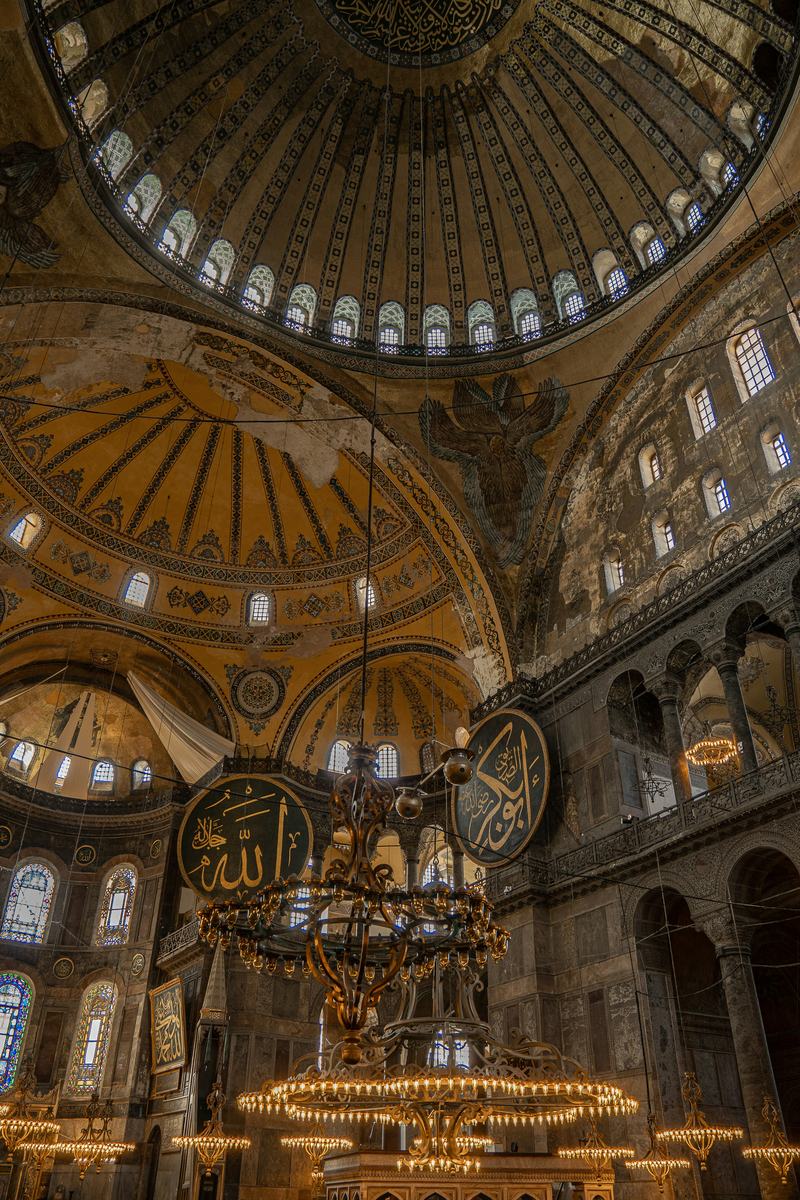
- The most prominent structure is the Hagia Sophia, a former patriarchal basilica, then a mosque, and now a museum, celebrated for its massive dome and stunning mosaics. It stands as a testament to Byzantine architectural ingenuity, built in the 6th century CE.
- Immediately opposite stands the Sultan Ahmed Mosque, famously known as the Blue Mosque, an Ottoman masterpiece from the early 17th century. Its six minarets and cascading domes create a distinctive silhouette, and its interior is adorned with thousands of İznik tiles, giving it its popular name.
- The expansive complex of Topkapi Palace served as the primary residence and administrative headquarters for Ottoman sultans for nearly 400 years. Its various courtyards, kiosks, and treasuries offer a deep dive into imperial Ottoman life and artistry.
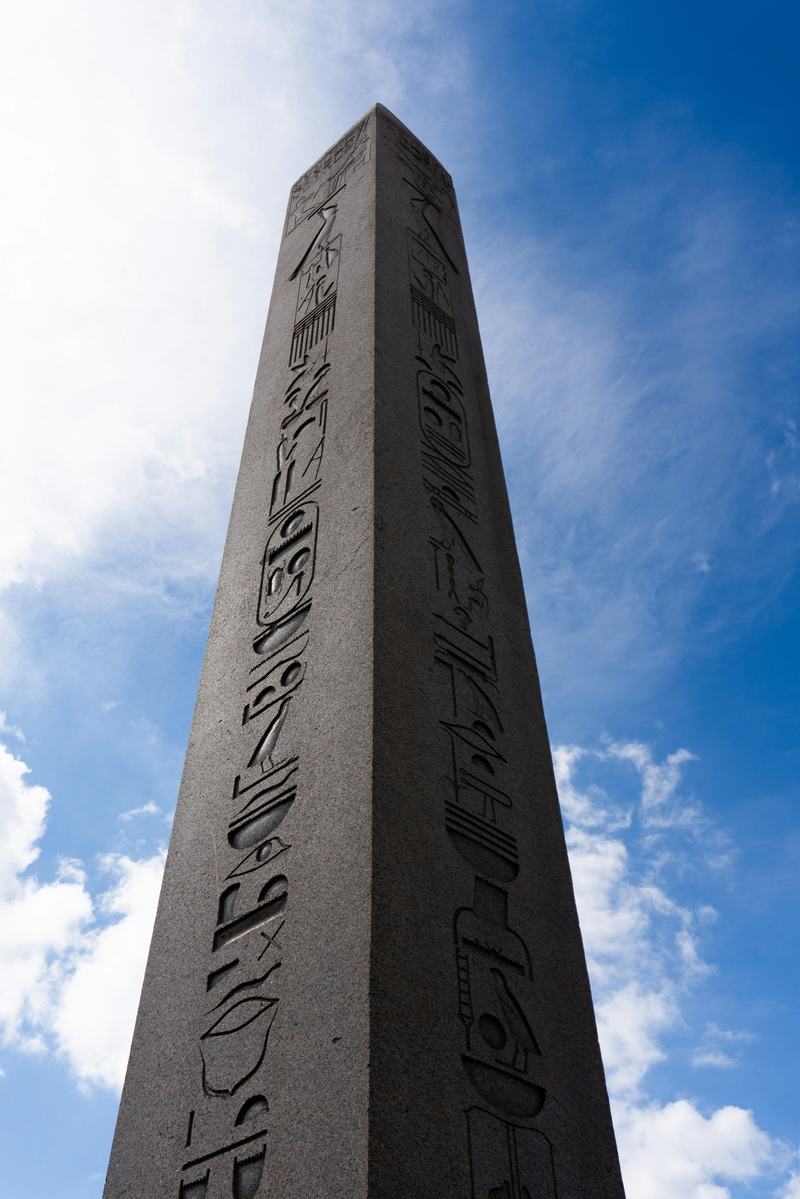
- Remnants of the Hippodrome of Constantinople, once the social and sporting center of Byzantine Constantinople, are still visible. Though much of the structure is gone, the Obelisk of Theodosius, the Serpent Column, and the Walled Obelisk stand as enduring monuments to its ancient grandeur.
- The Museum of Turkish and Islamic Arts, housed in the former palace of Pargalı Ibrahim Pasha, an Ottoman Grand Vizier, is another notable architectural example, offering insight into residential palace design of the period.
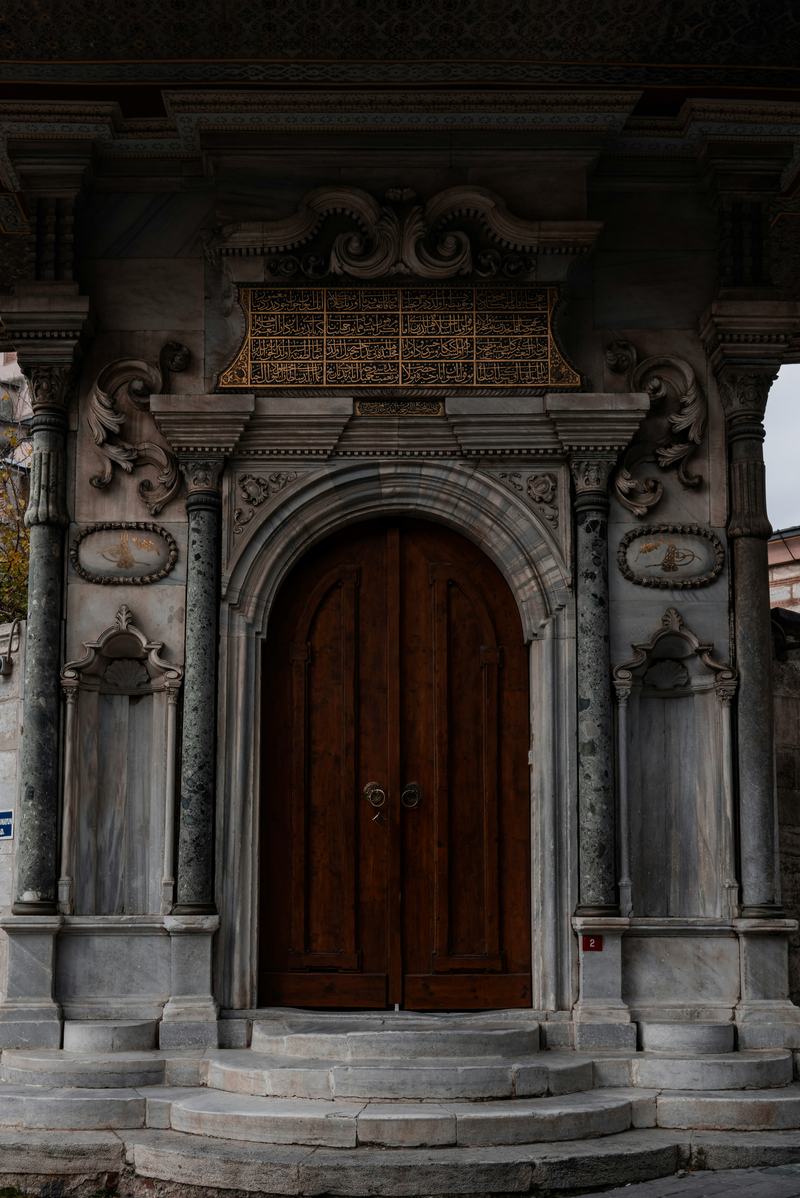
Together, these structures illustrate a continuity of imperial vision, where each era left its indelible mark, creating a harmonious yet layered architectural landscape recognized by the UNESCO World Heritage Centre — Historic Areas of Istanbul.
Art
The artistic heritage of Sultanahmet is deeply intertwined with its imperial past, primarily expressed through monumental works commissioned by emperors and sultans.
- In Hagia Sophia, the surviving Byzantine mosaics depict Christian iconography, showcasing exquisite craftsmanship and deep theological symbolism. These golden-hued images offer a window into the artistic sensibilities of the 6th to 12th centuries.
- The Sultan Ahmed Mosque is a vibrant canvas of Ottoman tilework and calligraphy. Its interior is adorned with over 20,000 İznik tiles, predominantly blue in color, featuring intricate floral and geometric patterns. Grand calligraphic panels containing verses from the Quran also grace its walls.
- Topkapi Palace houses an immense collection of Ottoman art, including priceless manuscripts, miniature paintings, ceramics, textiles, and jewel-encrusted artifacts. The palace itself is a masterpiece of interior decoration, with courtyards, chambers, and pavilions showcasing the refined aesthetics of the Ottoman court.
- The Museum of Turkish and Islamic Arts presents an extensive collection of carpets, ceramics, metalwork, and illuminated manuscripts, illustrating the breadth and depth of Islamic artistry from various periods and regions.
While Sultanahmet is not a hub for contemporary art galleries, its historical sites are living museums of Byzantine and Ottoman artistic achievement, drawing visitors and scholars alike to appreciate these foundational expressions of art and culture.
Current Life
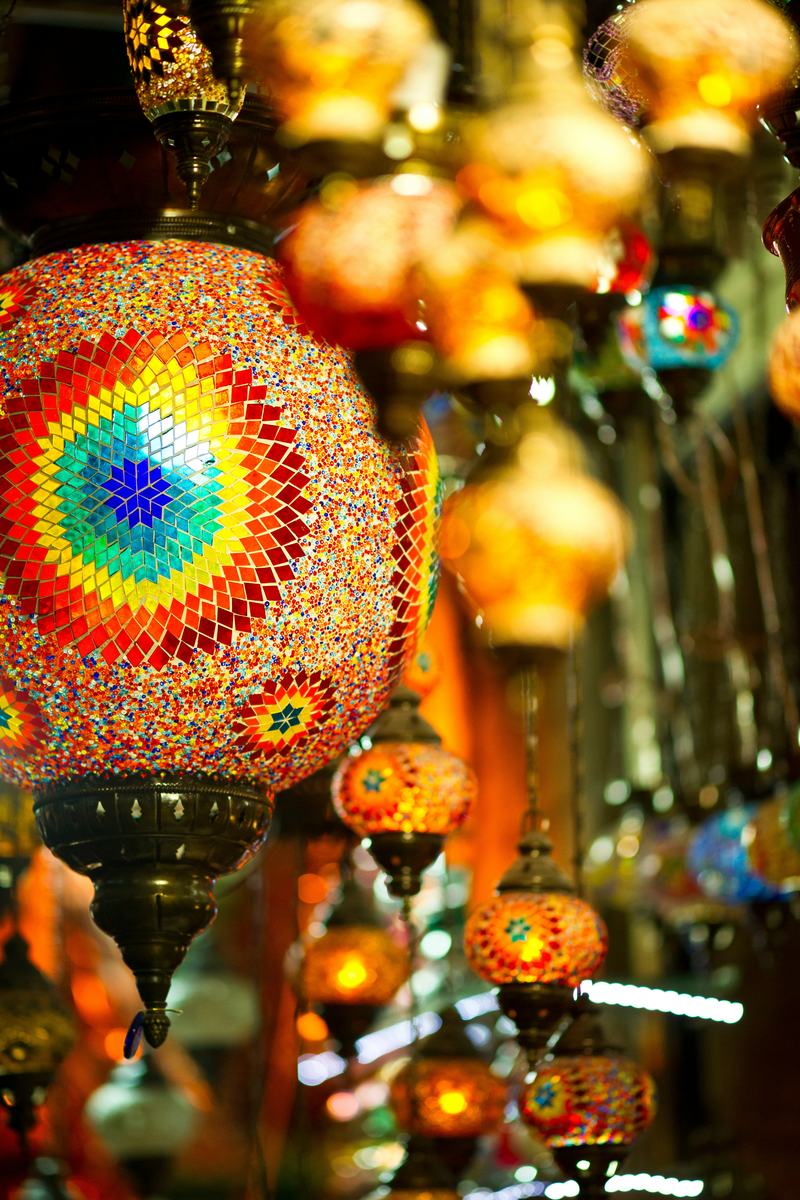
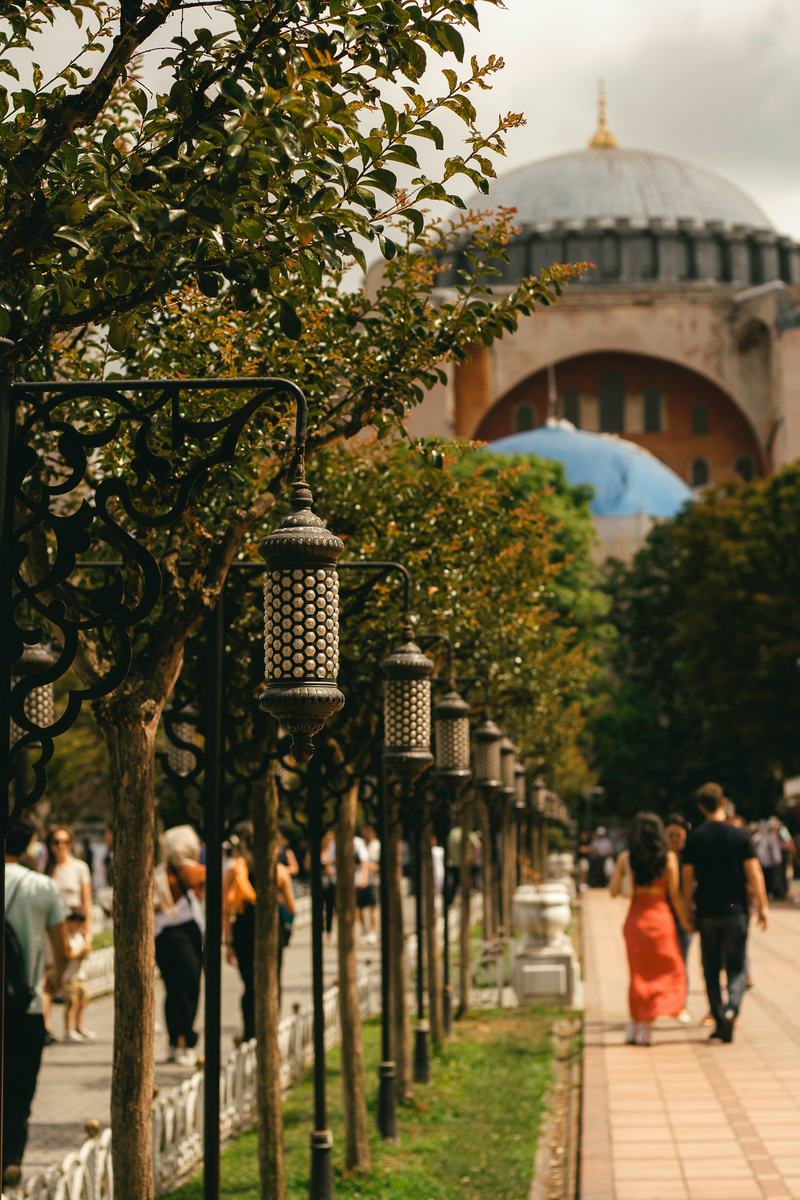
Today, Sultanahmet remains very much Istanbul's imperial heart, but its pulse beats to a different rhythm. While it is undeniably one of Istanbul's most significant tourist destinations, attracting millions annually to its iconic landmarks like the Hagia Sophia and Blue Mosque, it also holds a quieter, residential character on its periphery. Many grand Ottoman-era wooden houses have been converted into boutique hotels, restaurants, and artisan shops, catering to visitors.
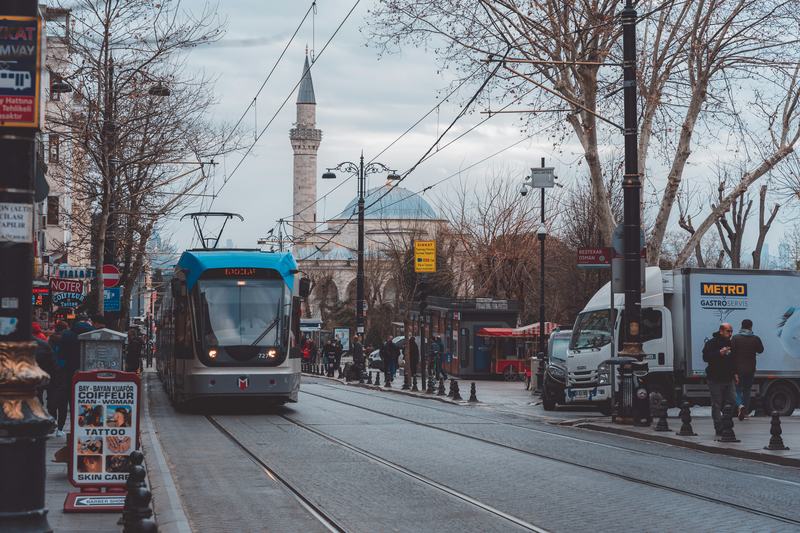
Despite the constant flow of tourists, Sultanahmet is not devoid of everyday life. Local Istanbulites visit the area not just as sightseers, but also to enjoy its public spaces, gardens, and cafes, especially during holidays or for a leisurely stroll. The area also hosts various cultural events and religious ceremonies throughout the year, particularly around the major mosques, which continue to serve as active places of worship.
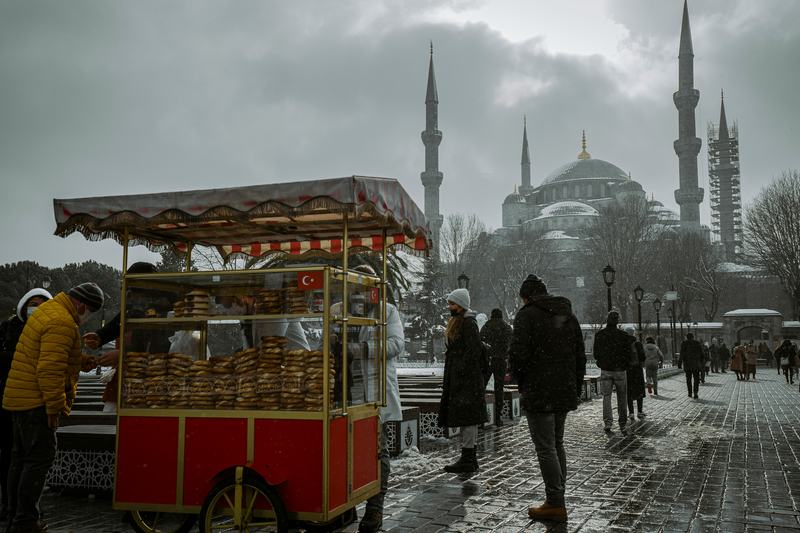
Archaeological teams frequently conduct digs, revealing new layers of history, making the ground beneath its streets a continuous source of discovery. Sultanahmet thus maintains a delicate balance: a vibrant contemporary public space, a repository of global heritage (as recognized by the UNESCO / ICOMOS — Historic Areas of Istanbul), and a place where the grandeur of past empires feels remarkably present in the daily comings and goings.
Frequently asked questions
What are the most historically significant sites to visit in Sultanahmet?
Sultanahmet is home to some of Istanbul's most iconic historical sites. Key attractions include the Hagia Sophia, a marvel of Byzantine architecture; the Sultan Ahmed Mosque (Blue Mosque), famous for its six minarets and blue İznik tiles; Topkapi Palace, the residence of Ottoman sultans; and the remnants of the Hippodrome of Constantinople, which was once the center of Byzantine public life.
How can one experience the 'layers of history' in Sultanahmet?
To experience the layers of history, consider visiting sites that show this transition. The Hagia Sophia itself embodies this, having served as a Byzantine church, an Ottoman mosque, and now a museum. Walking through the square between Hagia Sophia and the Blue Mosque, you stand on what was once part of the Byzantine Hippodrome, with monuments like the Obelisk of Theodosius still standing. Exploring the archaeological remnants around the Great Palace (often visible in basements of modern buildings or designated sites) also reveals deeper historical strata.
Is Sultanahmet only for tourists, or do locals live and interact there?
While Sultanahmet is a major tourist hub, it is not exclusively so. Many residents of Istanbul frequent the area to visit the active mosques, enjoy the public gardens, or simply walk through its historic streets. Although the immediate vicinity of the main landmarks is primarily geared towards tourism, the surrounding areas have residential zones, and the historical sites remain an important part of Istanbul's cultural identity for locals as well.
Are there any specific art forms or artistic styles Sultanahmet is known for?
Sultanahmet is renowned for its monumental art forms. This includes the exquisite Byzantine mosaics found within the Hagia Sophia, showcasing intricate religious iconography. The Ottoman tilework and calligraphy, particularly prominent in the Blue Mosque and Topkapi Palace, are also a major artistic highlight. These styles reflect the dominant imperial cultures that shaped the district over centuries.
Written by Istanbook Editorial Team