Neighborhoods
Cihangir: Istanbul's Bohemian Haven
Neighborhood Boundary
History
Cihangir's story begins not as a bustling urban district, but as a verdant hunting ground for the Ottoman sultans. Its strategic location, offering panoramic views over the Bosphorus, likely made it an attractive retreat. The neighborhood's formal establishment is often attributed to Sultan Süleyman the Magnificent, who ordered the construction of a mosque here in memory of his beloved son, Prince Cihangir, who passed away in 1553.
For centuries, Cihangir remained a relatively quiet, residential enclave, primarily inhabited by Ottoman families and later, a diverse mix of communities during the late Ottoman and early Republican periods. Its elevation and relative tranquility, coupled with proximity to the vibrant heart of Beyoğlu: Istanbul's Cosmopolitan Heart, gradually drew a more eclectic populace. In the 20th century, particularly from the 1960s onwards, Cihangir began its transformation into a magnet for artists, writers, and intellectuals, establishing its reputation as one of Istanbul's most distinctive cultural neighborhoods.
Name Origin
The name Cihangir is derived from Prince Cihangir, a son of the Ottoman Sultan Süleyman the Magnificent and Hürrem Sultan. Following the prince's untimely death in 1553, Sultan Süleyman commissioned the imperial architect Mimar Sinan to build a mosque in his memory overlooking the Bosphorus, establishing the area's identity around this significant royal connection.
Communities
From its early days, Cihangir has been a place of evolving communities. Initially, its residents were closely tied to the Ottoman court and administration due to its proximity to imperial lands. As Istanbul urbanized, especially in the 19th and early 20th centuries, Cihangir became home to a more cosmopolitan mix. It is known to have attracted various communities, including a notable presence of the Greek Orthodox Community|Greek Orthodox and Armenian Community|Armenian populations, alongside Turkish families. This demographic blend contributed to the neighborhood's unique architectural and social fabric. In more recent decades, Cihangir cemented its identity as a haven for artists, intellectuals, and expatriates, drawn to its bohemian atmosphere and central location, contributing to its diverse and open character.
Architecture
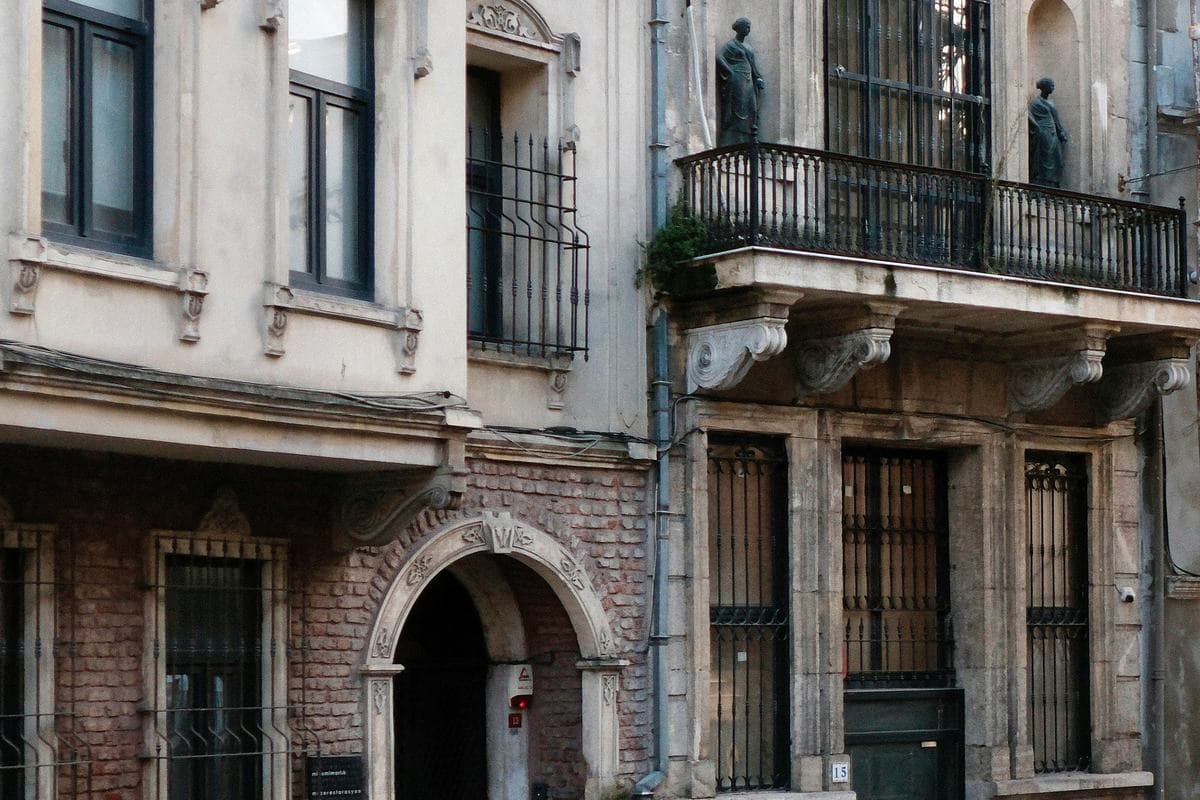
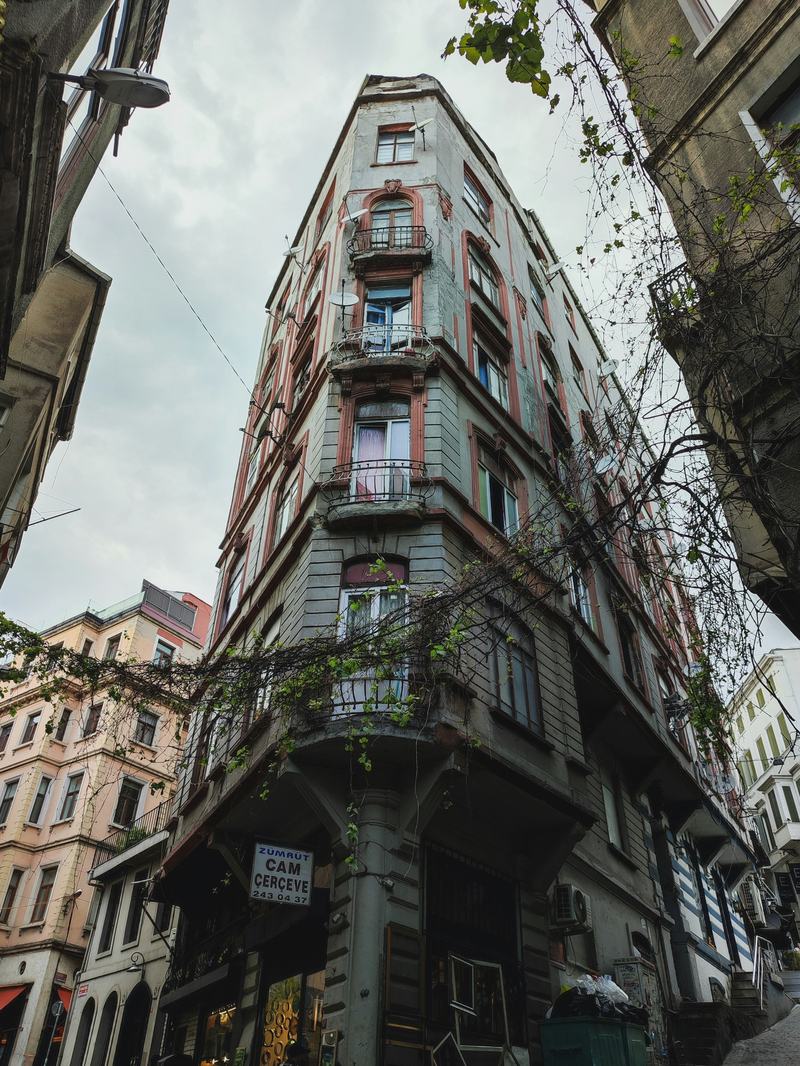
Cihangir's architecture is a testament to its layered history, characterized by an appealing blend of styles from the late Ottoman and early Republican eras. The streets are lined with elegant, often narrow, apartment buildings, many featuring ornate facades with Art Nouveau or neoclassical influences. These structures, typically three to five stories tall, contribute to the neighborhood's distinctive European-influenced urban aesthetic.
Notable architectural features include:
- Bay windows (cumba): Many buildings boast projecting bay windows, adding character and providing residents with expansive views.
- Wrought-iron balconies: Intricately designed ironwork adorns many facades, a common feature of Istanbul's historic apartment blocks.
- Ornate doorways: Grand entrances with carved wooden doors and decorative lintels hint at the craftsmanship of a bygone era.
The hilly terrain means that buildings often follow the contours of the land, creating a charmingly irregular streetscape that reveals new vistas at every turn.
Art
Cihangir is synonymous with Istanbul's artistic and intellectual pulse. For decades, it has served as a crucible for Turkey's creative minds, attracting a vibrant community of writers, actors, painters, and musicians. This rich artistic heritage permeates the neighborhood's everyday life, manifesting in various forms:
- Independent art galleries: Small, often unassuming galleries showcase contemporary Turkish art and host regular exhibitions.
- Boutique bookstores and antique shops: These establishments reflect the neighborhood's intellectual curiosity and appreciation for history and design.
- Cafés and bars: More than just places for refreshment, Cihangir's numerous establishments have historically served as informal meeting points and intellectual salons where ideas are exchanged and collaborations sparked.
- Street art: While not as prolific as in some other districts, subtle pieces of street art and murals occasionally punctuate the historic walls, adding another layer to its creative identity.
The neighborhood's bohemian spirit is not merely an aesthetic; it is an active, ongoing dialogue that continues to shape its cultural landscape.
Current Life
Today, Cihangir retains its unique blend of bohemian charm and urban sophistication, evolving into one of Istanbul's most sought-after residential areas. Life here unfolds at a pace that feels both lively and leisurely, a distinct contrast to the more overtly tourist-centric parts of the city.
The neighborhood is renowned for its:
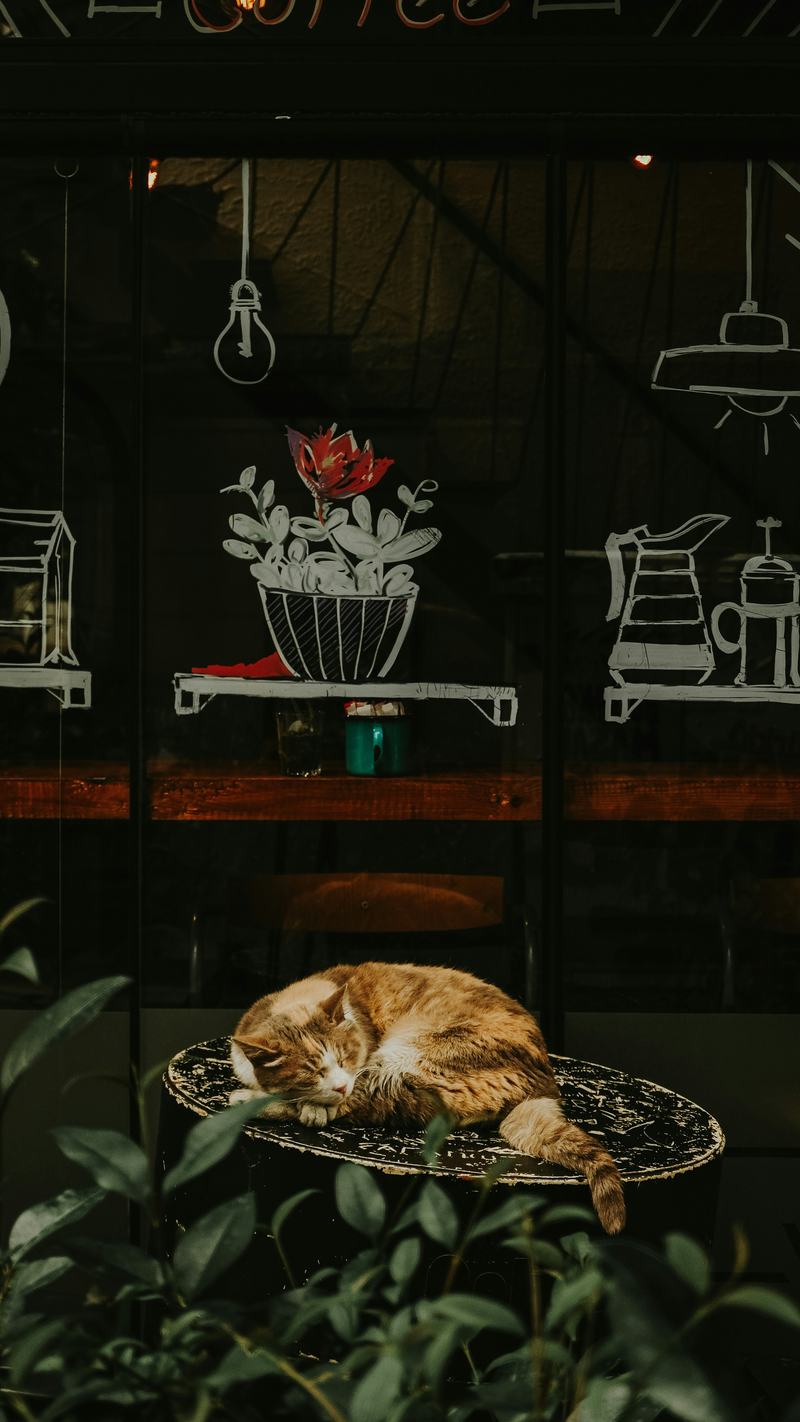
- Vibrant café culture: Sidewalk cafés spill onto the narrow streets, offering residents and visitors places to socialize, work, and observe daily life.
- Independent boutiques and design shops: A selection of curated stores offers unique fashion, home goods, and artisanal crafts, reflecting the neighborhood's discerning taste.
- Diverse culinary scene: From traditional Turkish eateries to modern international restaurants, Cihangir boasts a wide array of dining options that cater to its cosmopolitan population.
- Lush green spaces: Despite its urban density, small parks and green corners, like the one surrounding the Cihangir Mosque, provide serene escapes with breathtaking views of the Bosphorus.
Despite its growing popularity and increasing upscale appeal, Cihangir maintains a strong sense of community, where long-term residents and newer arrivals coexist, contributing to its enduring, distinctive character.
Frequently asked questions
What is Cihangir best known for?
Cihangir is primarily known for its bohemian atmosphere, its history as a hub for artists and intellectuals, and its charming blend of historic architecture and contemporary cultural life. It offers stunning views of the Bosphorus and is celebrated for its vibrant café culture and unique boutique shops.
How did Cihangir get its name?
The neighborhood is named after Prince Cihangir, a son of Sultan Süleyman the Magnificent. A mosque was built in his memory in 1553, establishing the area's name.
What kind of architecture can be found in Cihangir?
Cihangir features elegant apartment buildings from the late Ottoman and early Republican periods, often showcasing Art Nouveau or neoclassical influences. Many buildings have distinctive bay windows, wrought-iron balconies, and ornate doorways.
Is Cihangir a good neighborhood for art lovers?
Yes, Cihangir is an excellent neighborhood for art lovers. It hosts various independent art galleries, boutique bookstores, and serves as a gathering place for Istanbul's creative community. Its cafés have historically been important cultural hubs.
What is the best way to experience Cihangir today?
To experience Cihangir, take your time to wander its hilly, narrow streets, explore its independent boutiques, and spend time in one of its many sidewalk cafés. Enjoy the views, particularly from the area around the Cihangir Mosque, and soak in the local atmosphere.
Are there historical sites to visit in Cihangir?
The most prominent historical site in Cihangir is the Cihangir Mosque, commissioned by Sultan Süleyman the Magnificent in the 16th century. Beyond this, the neighborhood's charm lies in its historic residential architecture and the stories embedded in its streets and buildings rather than grand monuments.
What kind of food can I find in Cihangir?
Cihangir offers a diverse culinary scene. You can find traditional Turkish eateries serving local dishes, modern restaurants offering international cuisine, and numerous cafés with options for breakfast, lunch, and desserts. The area is known for its quality and variety of dining experiences.