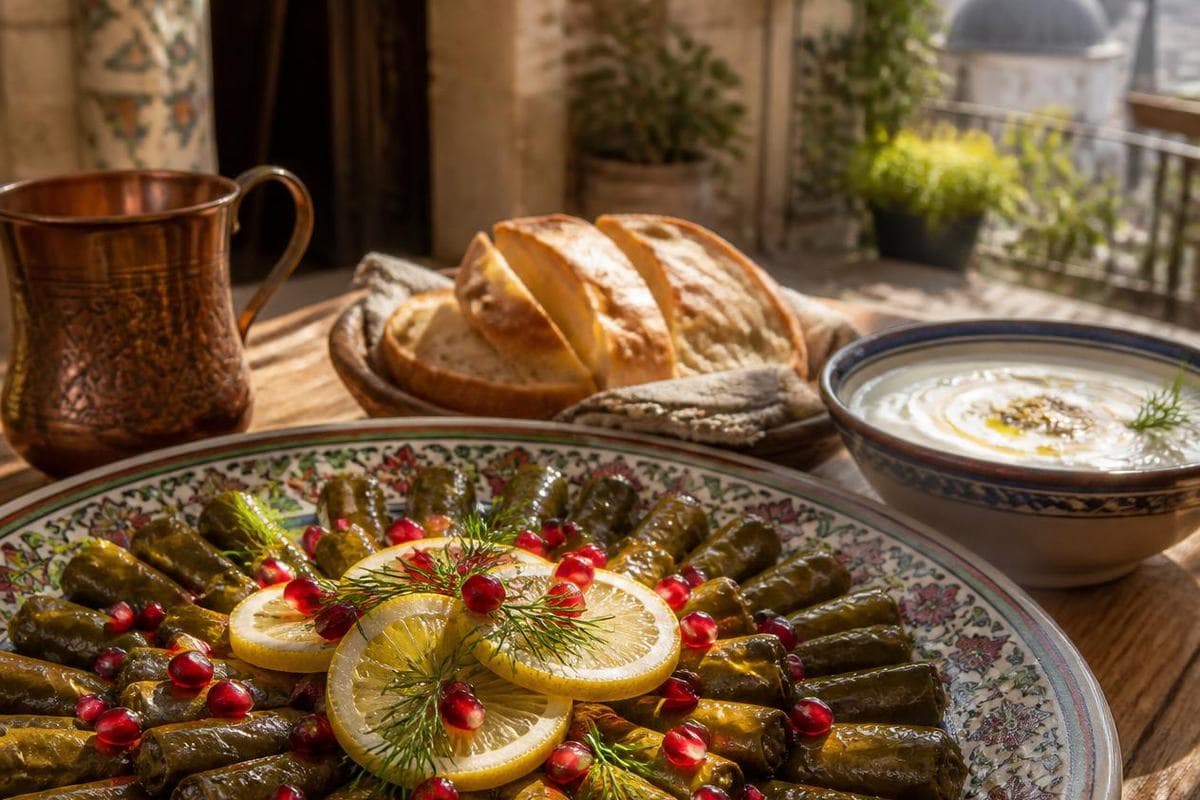
Yaprak Sarma
Yaprak Sarma: Traditional Stuffed Vine Leaves
Historical Origin
The practice of wrapping fillings in leaves has ancient roots, with references found in ancient Greek cuisine. However, the dish we recognize as Yaprak Sarma today was largely formalized and popularized within the Ottoman Empire. Initially, it was considered a prestigious delicacy enjoyed in Ottoman palace kitchens.
From the palace, sarma spread to ordinary homes and evolved through regional interpretations across areas once under Ottoman rule, including Anatolia, the Middle East, and the Balkans. This culinary expansion led to its diverse variations while retaining the fundamental wrapping technique.
Technique
Yaprak Sarma, which translates to "leaf wrap," is meticulously prepared by hand-rolling fillings within leaves, most commonly vine or grape leaves. This dish is distinct from the broader category of "dolma," which refers to any stuffed vegetable.
There are two primary types:
- Zeytinyağlı Yaprak Sarma: This is a vegetarian version, typically served cold or at room temperature as a meze (appetizer). The filling consists of short-grain rice, finely chopped onions, pine nuts, currants (or sultanas), and a fragrant blend of spices such as cinnamon and allspice, alongside fresh herbs like mint, parsley, and dill. Lemon juice is a crucial ingredient, used during cooking and often as a finishing drizzle. High-quality extra virgin olive oil is essential, as the sarmas braise in it and absorb its flavors.
- Etli Yaprak Sarma: This heartier variant includes minced meat, usually lamb or beef, mixed with rice and spices. It is generally served hot, often accompanied by yogurt, and is more common as a main course.
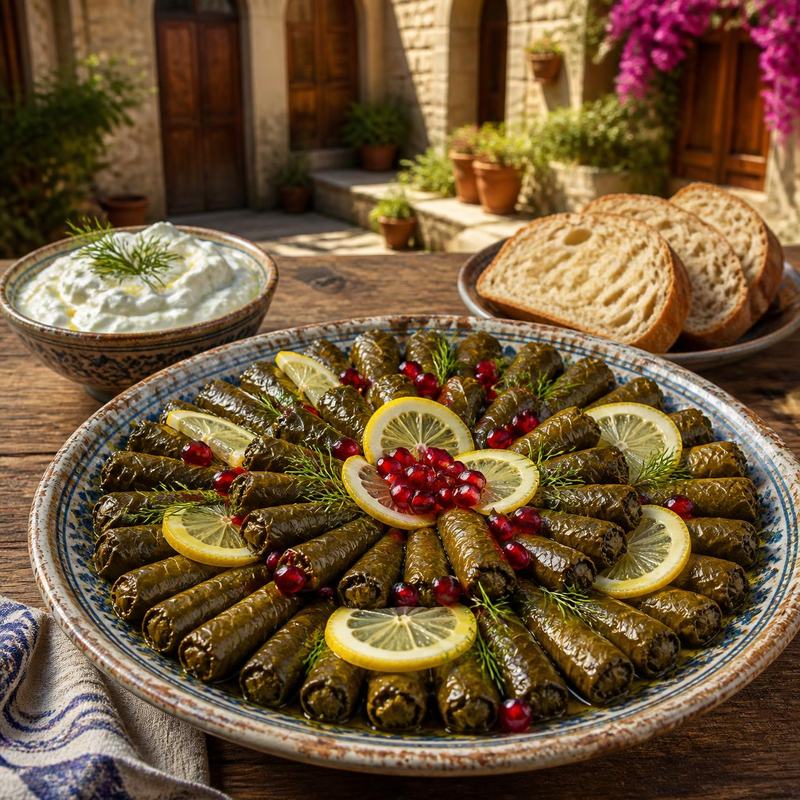
The core technique across both types emphasizes the careful, hand-rolling of each parcel, an act often seen as a gesture of patience and care.
Tradition
Yaprak Sarma holds significant cultural importance in Turkish society, symbolizing hospitality and shared moments. The meticulous hand-rolling of each leaf is often regarded as an expression of care for those who will consume the dish.
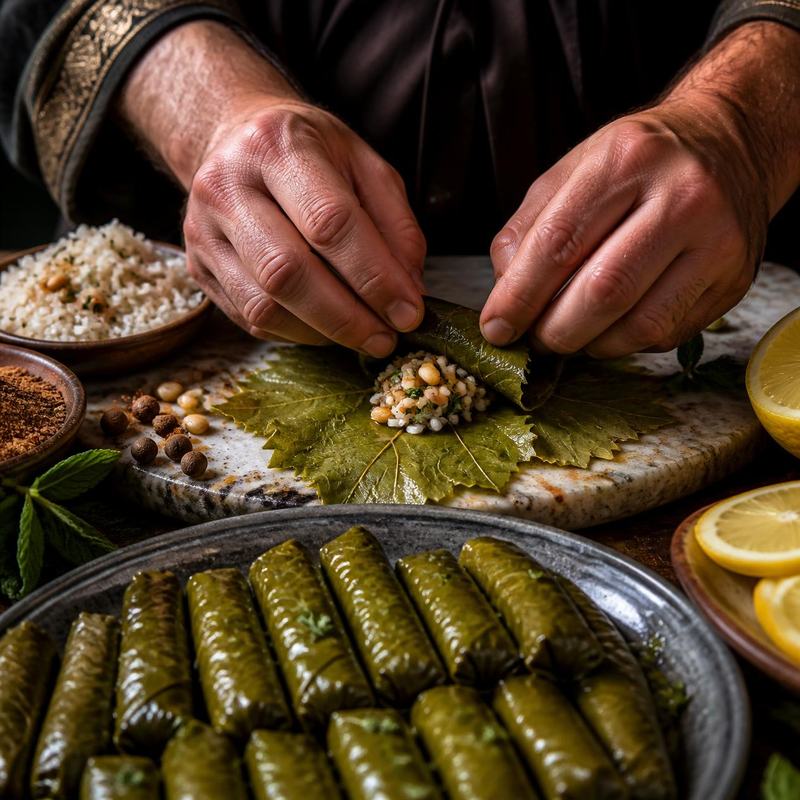
It is a staple at many special occasions and celebrations, frequently appearing at:
- Holidays like Eid
- Family gatherings
- Weddings
Its preparation can often be a communal activity, fostering connection among those involved. In some Orthodox traditions in the Balkans, the vegetarian sarma is also a traditional food for festive meals during Lent or on Christmas Eve. Whether served as a light starter or a more substantial main course, this versatile dish can be enjoyed at any time of day. When served as Zeytinyağlı Yaprak Sarma, it pairs well with other traditional Turkish mezes such as haydari, acılı ezme, or hummus.
Frequently asked questions
What does 'Yaprak Sarma' mean?
The name Yaprak Sarma literally translates from Turkish as "leaf wrap," referring to the vine or grape leaves used to encase the filling.
How is Yaprak Sarma different from 'dolma'?
While Yaprak Sarma is a type of dolma, it is distinguished by its specific use of leaves, most commonly vine or grape leaves, as the wrapping. The term "dolma" is a broader category that refers to any stuffed vegetable.
What are the two main types of Yaprak Sarma?
The two main types are Zeytinyağlı Yaprak Sarma, a vegetarian version prepared with an olive oil-based filling and served cold, and Etli Yaprak Sarma, which includes minced meat and is typically served hot.
What ingredients are typically found in Zeytinyağlı Yaprak Sarma?
Zeytinyağlı Yaprak Sarma usually contains a filling of short-grain rice, finely chopped onions, pine nuts, currants (or sultanas), and a fragrant blend of spices like cinnamon and allspice, along with fresh herbs such as mint, parsley, and dill. Lemon juice and good quality extra virgin olive oil are also crucial components.
What is the historical origin of Yaprak Sarma?
The practice of wrapping food in leaves has ancient roots, but the dish as it is widely known today was primarily codified and popularized within the Ottoman Empire. It evolved from a delicacy in palace kitchens to a common dish in homes across regions once under Ottoman rule.
When is Yaprak Sarma typically eaten in Turkish culture?
Yaprak Sarma holds significant cultural importance and is frequently served at special occasions, holidays like Eid, family gatherings, and weddings. It can be enjoyed as a light appetizer (meze) or a more substantial main course.
What does the preparation of Yaprak Sarma symbolize?
The meticulous, hand-rolling of each sarma parcel is often seen as an act of patience and love, symbolizing hospitality and shared moments in Turkish culture, expressing care for those who will partake.
Written by Istanbook Editorial Team · Last updated September 1, 2026
Sources (4)
- olivetolive.com — olivetolive.com
- delishglobe.com — delishglobe.com
- worldfoodstory.co.uk — worldfoodstory.co.uk
- goturkiye.com — goturkiye.com
A story from Istanbul, occasionally.
One story, one place, one taste, one recommendation.