Neighborhoods
Beykoz: A Bosphorus District with Green Landscapes and Ottoman Heritage
Neighborhood Boundary
History
Located on Istanbul's Asian side, along the northern stretch of the Bosphorus, Beykoz boasts a rich history shaped by its strategic geographical position. Historically, it was a significant settlement due to its fertile lands, forests, and access to the Black Sea. Archaeological findings suggest human habitation in the area dating back to ancient times, with various civilizations establishing a presence.
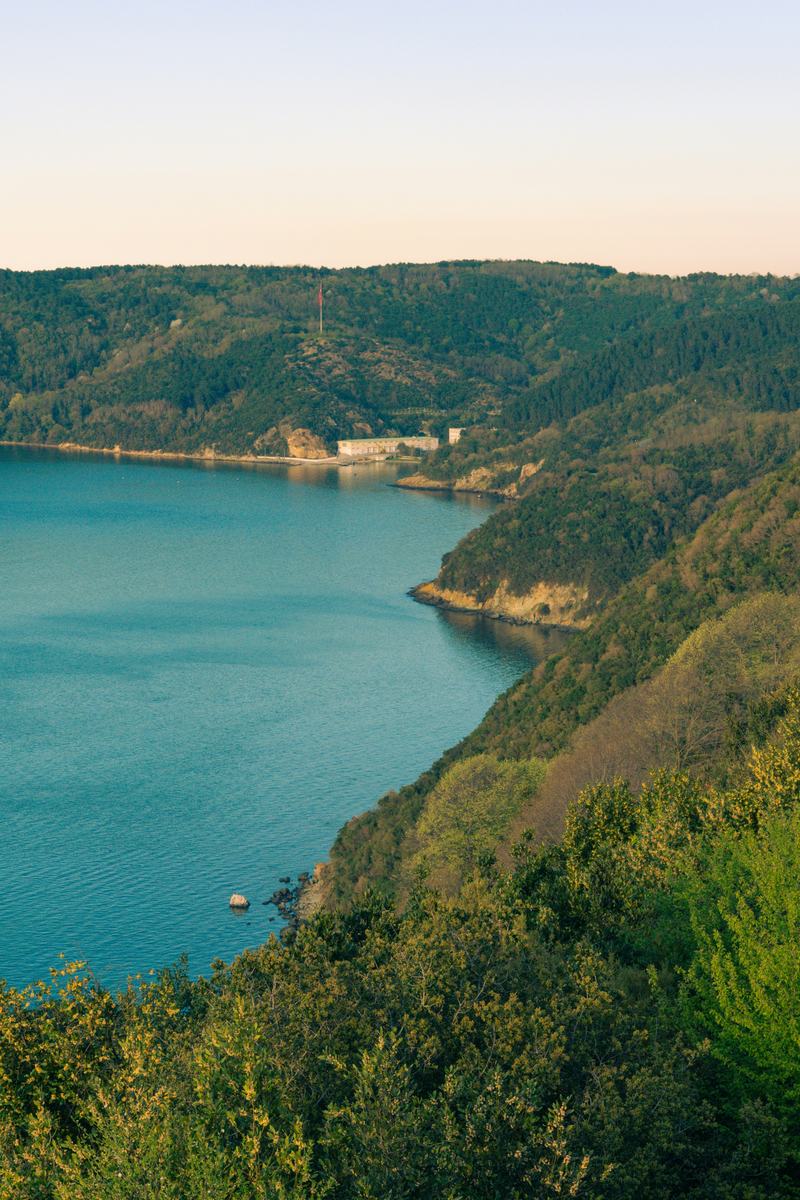
During the Byzantine era, Beykoz was primarily known for its natural beauty and was a popular hunting ground for emperors. Its strategic location also made it important for controlling maritime traffic through the Bosphorus. With the arrival of the Ottomans, Beykoz maintained its prominence, evolving into a favored retreat for sultans and the imperial court. Many grand mansions, kiosks, and hunting lodges were constructed in the area during this period, particularly along the Bosphorus coastline.
The 19th and early 20th centuries saw further development, with industries like glass manufacturing (Beykoz Glass) and leatherworks contributing to the district's economy. While much of Istanbul modernized, Beykoz largely retained its verdant character and charming Bosphorus villages, offering a contrast to the bustling city center.
Name Origin
The name Beykoz is believed to have Turkish and Persian roots. The first part, 'Bey,' is a Turkish title meaning 'lord' or 'chief,' often associated with administrative or military leaders. The second part, 'Koz,' is thought to derive from the Persian word 'gowz,' meaning 'walnut,' or possibly related to the Turkic word for 'village' or 'nut tree.'
Local tradition suggests that the area might have been named after a bey (lord) who was associated with walnut groves or a village known for its walnut trees. Another interpretation links 'Koz' to its abundant forests and green areas, symbolizing a rich, natural environment.
Communities
Historically, Beykoz has been home to a diverse array of communities, reflecting the broader demographic tapestry of Istanbul. Its natural beauty and proximity to the imperial court during the Ottoman era attracted a mix of residents.
During the Ottoman period, the district saw a significant presence of Ottoman Turks, many of whom were associated with the imperial administration, military, or engaged in farming and forestry. Alongside them, Greek communities also resided in various villages within Beykoz, particularly along the Bosphorus, where they often engaged in fishing and maritime trade. Some sources indicate the presence of smaller Armenian communities as well. These groups coexisted, contributing to the district's social and economic life, often with distinct neighborhoods and religious institutions.
Over time, especially with the population exchanges and demographic shifts of the 20th century, the composition of Beykoz became predominantly Turkish. However, the architectural legacy, particularly old wooden houses and some former places of worship, still hints at its multi-ethnic past.
Architecture
Beykoz's architecture primarily showcases a blend of Ottoman and early Republican styles, characterized by its integration with the natural landscape.
- Yalı (Waterfront Mansions): Perhaps the most iconic architectural feature are the numerous historic yalı, elegant wooden mansions lining the Bosphorus shore. These Ottoman-era summer residences, often exquisitely detailed, represent a significant part of Istanbul's architectural heritage.
- Kiosks and Hunting Lodges: Reflecting its past as an imperial retreat, Beykoz is home to various imperial kiosks and hunting lodges, such as the Mecidiye Pavilion and parts of the Hidiv Kasrı (Khedive's Palace). These structures often feature Ottoman Baroque and Rococo influences.
- Traditional Ottoman Houses: Inland, one can still find examples of traditional wooden Ottoman houses, typically with multiple stories, bay windows (cumba), and characteristic pitched roofs, designed to adapt to the hilly terrain and green surroundings.
- Mosques and Churches: The district also features several historical mosques, often with Ottoman classical or later styles, and a few older churches, primarily Greek Orthodox, indicating the historical presence of various communities.
Art
Beykoz, while not traditionally a central hub for contemporary art galleries like some other districts, has a rich cultural heritage reflected in its crafts and traditional arts, as well as a growing appreciation for performing arts.
- Beykoz Glass: Historically, Beykoz was renowned for its exquisite glass production. The Beykoz Glass Factory, established in the Ottoman period, produced distinctive glasswork known for its intricate designs and vibrant colors, often incorporating Ottoman motifs. While the factory is no longer operational in its historic form, the legacy of Beykoz glass remains a significant part of Turkish decorative arts.
- Literary Inspiration: The serene beauty and historical charm of Beykoz have long served as an inspiration for Turkish writers and poets, featuring in many literary works that evoke its Bosphorus scenery and lush landscapes.
- Community-based Arts: Today, the district supports local art initiatives and cultural centers that host workshops, exhibitions, and performances, fostering community engagement in various art forms, from traditional Turkish music to modern painting.
Current Life
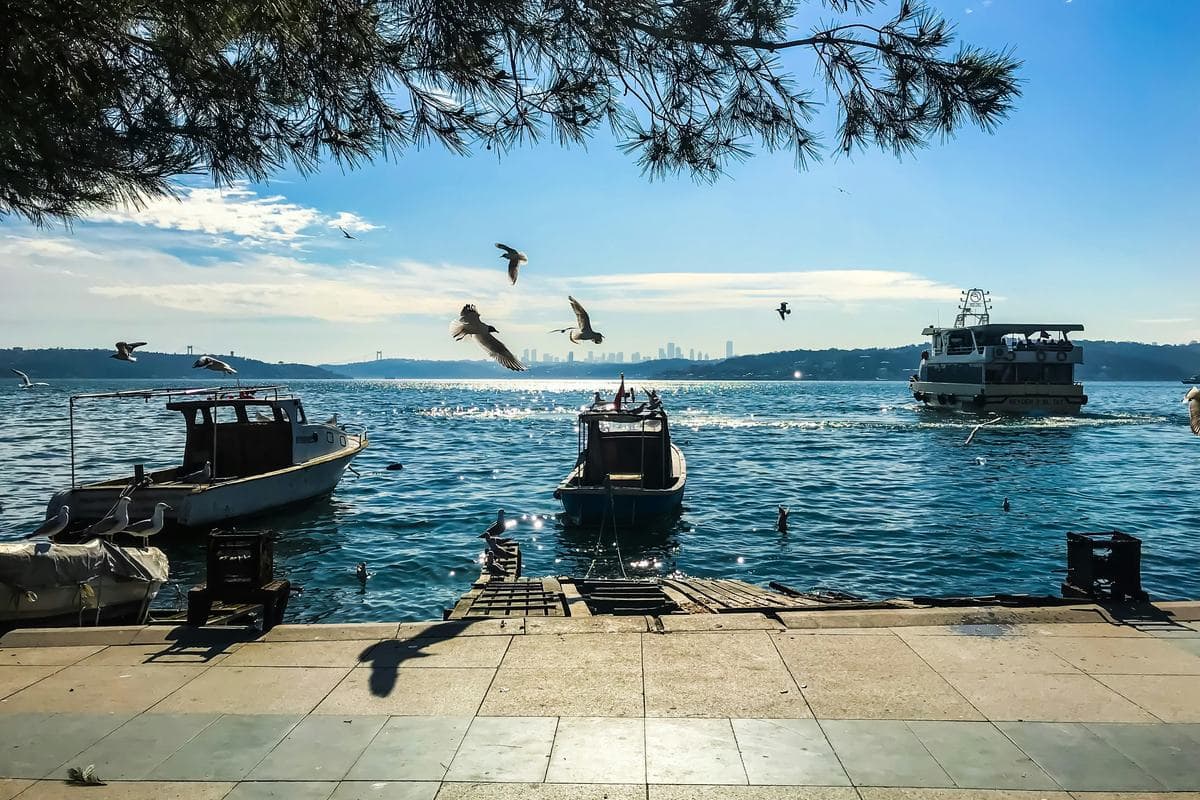
Today, Beykoz offers a unique blend of tranquil suburban life and historical charm, distinguishing it from the more urbanized centers of Istanbul. It is known for its extensive green areas, including forests and parks, which serve as crucial lungs for the city and popular weekend escapes for residents.
Life in Beykoz is generally more relaxed than in central Istanbul. The district is characterized by its quiet neighborhoods, charming Bosphorus villages like Anadoluhisarı, and residential areas that range from modern apartment complexes to luxurious villas. It maintains a strong connection to nature, with many residents enjoying outdoor activities such such as hiking, cycling, and picnicking in areas like Polonezköy Nature Park or along the Bosphorus promenades.
Despite its quieter pace, Beykoz is well-equipped with amenities, including schools, hospitals, shopping centers, and a growing number of cafes and restaurants, particularly along the Bosphorus, offering scenic views and fresh seafood. While some areas are quite affluent, the district also retains its local character with traditional markets and community gatherings.
Frequently asked questions
What is Beykoz best known for?
Beykoz is best known for its extensive green spaces, including forests and parks, and its picturesque location along the Bosphorus on Istanbul's Asian side. It is also famous for its historic yalı (waterfront mansions), its legacy in glass production, and as a favored imperial retreat during the Ottoman era.
Are there any historic sites to visit in Beykoz?
Yes, Beykoz is home to several historic sites. Notable examples include the Anadolu Fortress (Anadolu Hisarı), one of the oldest Ottoman architectural structures in Istanbul, and the Khedive's Palace (Hidiv Kasrı), an impressive Art Nouveau building with beautiful gardens. The various historic mosques and churches scattered throughout the district also offer a glimpse into its past.
What kind of activities can I do in Beykoz?
Beykoz offers a range of activities, particularly for those who enjoy nature and history. You can:
- Explore the Anadolu Fortress and its surroundings.
- Visit the Khedive's Palace and its expansive grounds.
- Enjoy a leisurely walk or bike ride along the Bosphorus promenade.
- Hike in the district's many forests and parks, such as Polonezköy Nature Park.
- Dine at seafood restaurants along the Bosphorus with scenic views.
Is Beykoz easily accessible from other parts of Istanbul?
Beykoz is accessible from other parts of Istanbul, though travel times can vary depending on your starting point. It is primarily reached by road, with public buses connecting it to major transportation hubs on the Asian side, such as Üsküdar and Kadıköy. Ferry services along the Bosphorus also provide scenic connections to some of its waterfront areas.
What is the origin of Beykoz glass?
The origin of Beykoz glass dates back to the Ottoman period, specifically the 18th and 19th centuries, when the Beykoz Glass Factory was established in the district. This factory became renowned for producing distinctive and high-quality glass products, often featuring intricate designs and vibrant colors that reflected Ottoman aesthetic sensibilities.
What kind of atmosphere does Beykoz have today?
Today, Beykoz offers a distinctly tranquil and green atmosphere compared to the bustling city center of Istanbul. It is known for its quiet, residential neighborhoods, extensive forests, and charming Bosphorus villages. The pace of life is generally more relaxed, making it a popular choice for those seeking a peaceful environment close to nature, while still being within Istanbul's metropolitan area.
Written by Istanbook Editorial Team