Places
Maiden's Tower: Istanbul's Island Sentinel
Overview
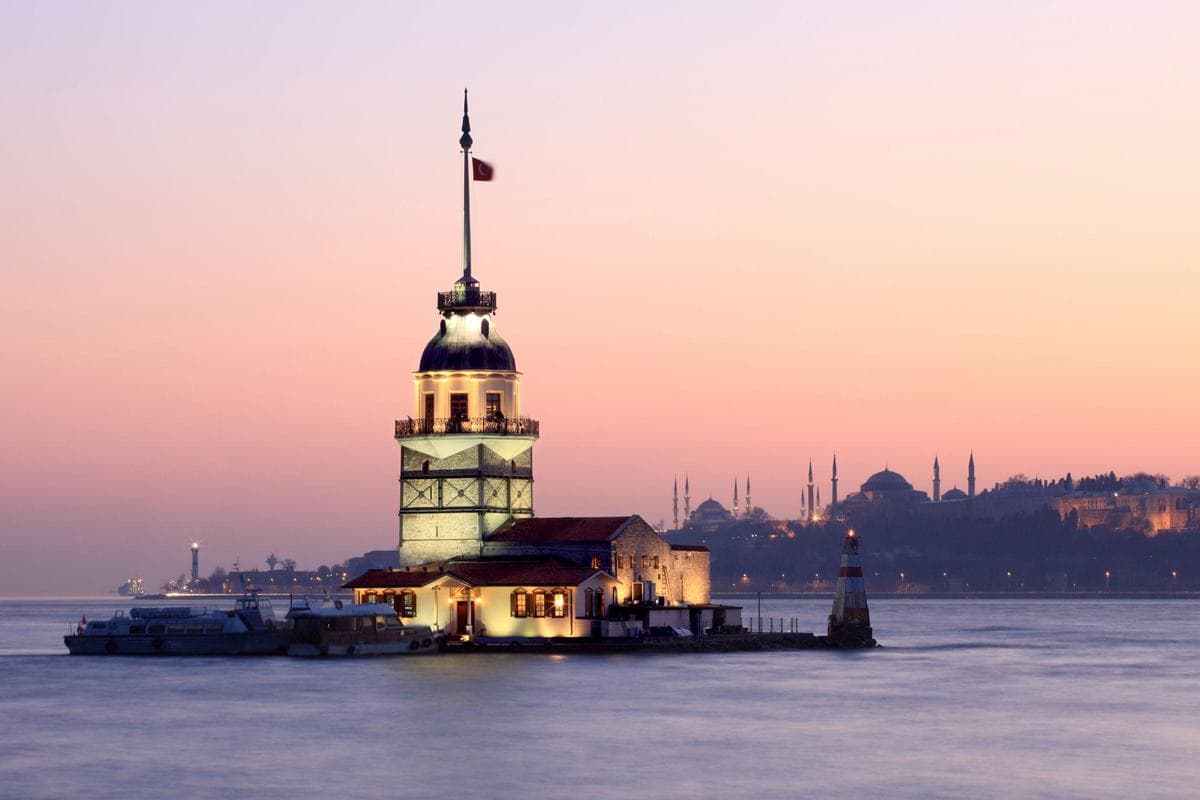
The Maiden's Tower (Kız Kulesi in Turkish), stands as an enigmatic sentinel on a small islet at the southern entrance of the Bosphorus strait, just off the coast of Üsküdar: Istanbul's Ancient Gateway on the Bosphorus. It is one of Istanbul's most recognizable and symbolic landmarks, embodying centuries of the city's maritime history and rich folklore. More than just a picturesque landmark, the tower has served myriad functions throughout its long existence, from a defensive stronghold to a lighthouse, each layer of its history contributing to its enduring mystique.
History
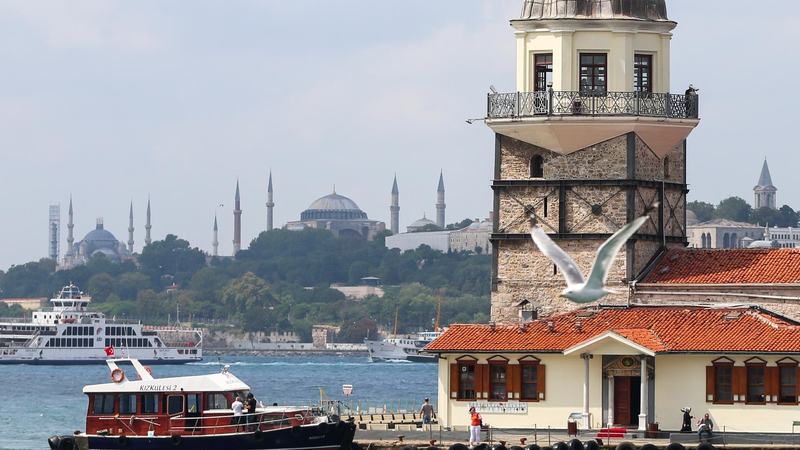
The history of the Maiden's Tower is long and complex, interwoven with both documented facts and popular legends. The earliest historical records suggest a structure may have existed on the islet as far back as the 5th century BCE, potentially as a custom station or a watchtower. It is believed that the Athenian general Alcibiades may have built a custom station here to control the passage of ships through the Bosphorus and levy taxes on them, a claim that needs historical verification. During the Byzantine era, the islet held strategic importance, possibly housing a defensive tower and forming one end of a large chain that could be stretched across the Bosphorus to prevent enemy ships from entering the Golden Horn. This defensive role is a plausible function for such a strategically placed structure. Following the Ottoman conquest of Constantinople in 1453, the tower continued to be a significant site. It was rebuilt and transformed multiple times throughout the Ottoman period. Its functions evolved to include a lighthouse, guiding ships through the treacherous currents of the Bosphorus. It also served as a signal station, an observation point, and, at various times, a quarantine hospital for sailors arriving in Istanbul to prevent the spread of diseases. The tower faced numerous challenges, including devastating fires and earthquakes, necessitating repeated restorations and rebuilds. The current stone structure largely dates back to the 18th century, though elements from earlier periods may be incorporated. The tower's relationship with the city's maritime administration was constant, acting as a crucial aid to navigation and a symbol of Istanbul's control over the vital waterway. Among the most famous legends associated with the tower is that of the princess. The story, recounted in various forms, typically involves an emperor who builds the tower to protect his beloved daughter from a prophecy foretelling her death by snakebite. Despite his efforts, a snake or viper eventually finds its way to the princess within the tower, fulfilling the prophecy. This captivating tale is a widespread and cherished piece of Istanbul folklore, contributing significantly to the tower's romantic appeal, but it is important to note that it is a legend and not a historically documented event (verified - as per instruction to distinguish fact from legend).
Architecture
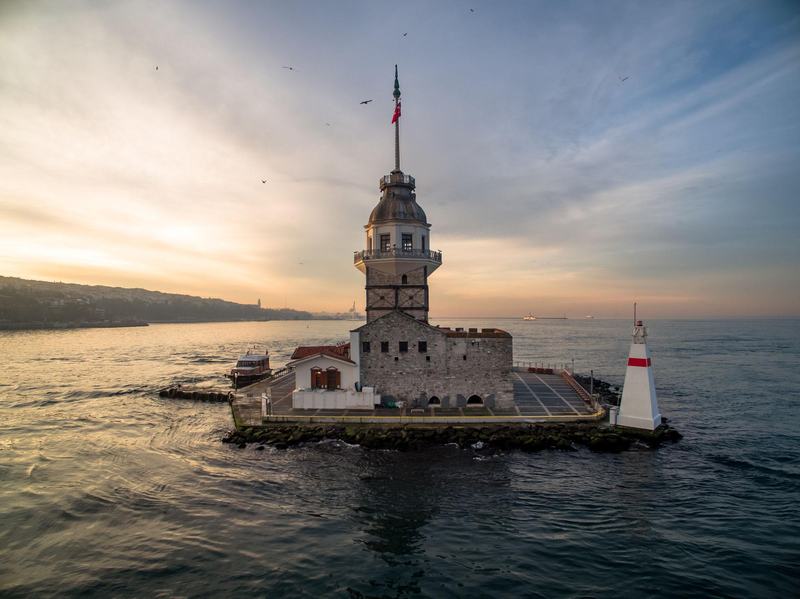
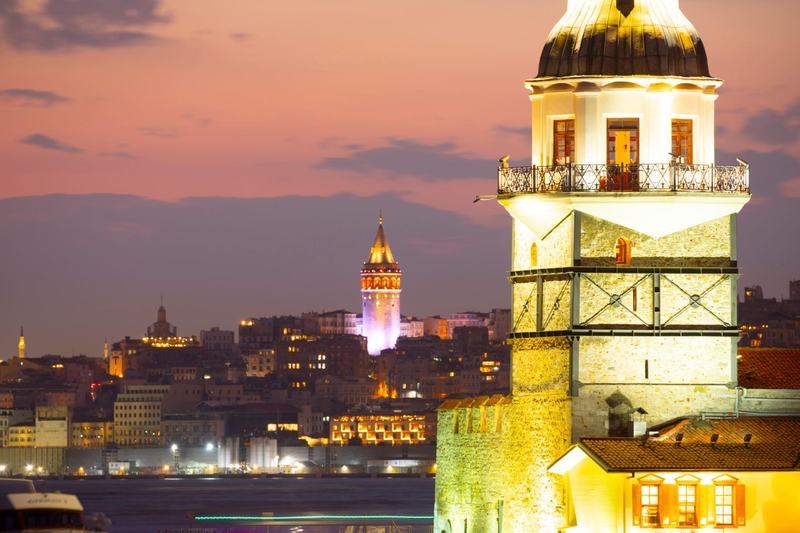
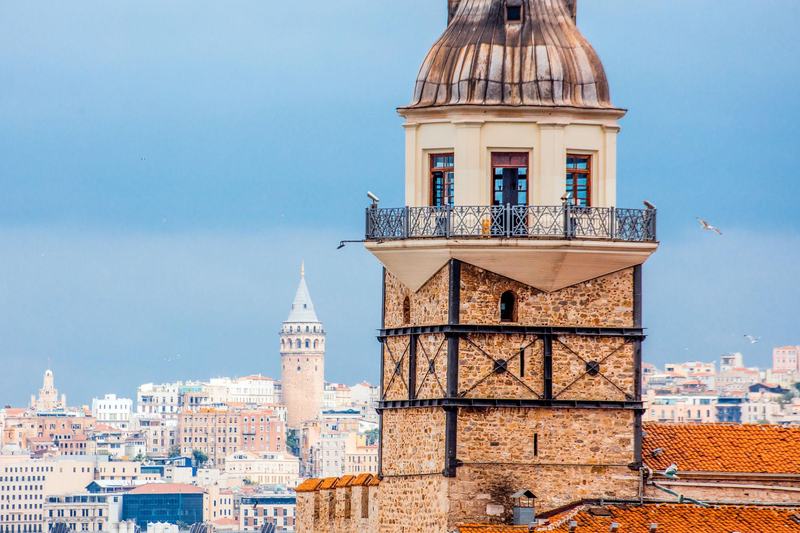
The architecture of the Maiden's Tower reflects its long and turbulent history, having been repeatedly damaged, rebuilt, and restored over centuries. While its origins are likely simpler structures, perhaps wooden or stone watchtowers, the current form is primarily a product of Ottoman-era reconstructions. The tower features a distinct cylindrical form, rising from a rocky base. Historical records suggest its appearance changed significantly over time due to fires, earthquakes, and the evolving needs of its various functions. The most substantial rebuilding occurred in the 18th century, giving it much of the elegant, multi-story structure seen today, characterized by a conical roof and balconies. Subsequent restorations have aimed to preserve its historical integrity while ensuring its structural soundness, reflecting a blend of different architectural influences and the practicalities of a maritime structure.
Practical Information
Opening Hours
Open daily, 09:00–21:00. The ticket office closes at 20:00.
Boat Access
The tower can be reached by boat from Salacak (Üsküdar) or Karaköy. Boat schedules may change depending on weather conditions.
Accessibility
Access involves a boat journey, followed by movement within a historic tower. Visitors with mobility needs should check current accessibility arrangements with the museum before visiting.
Children
Visitors under 18 must be accompanied by a parent.
Museum Card
MüzeKart is valid for Turkish citizens. A separate transportation fee is listed by the official museum.
Getting There
The most straightforward approach is from Salacak, Üsküdar, where boats depart for the tower. Karaköy is an alternative departure point.
Tip
Allow extra time for the boat crossing and check the departure schedule before setting out, particularly in unsettled weather.
Neighborhood: Üsküdar: Istanbul's Ancient Gateway on the Bosphorus
Frequently asked questions
What is the Maiden's Tower?
The Maiden's Tower, known as Kız Kulesi in Turkish, is an iconic structure situated on a small islet at the southern entrance of the Bosphorus in Istanbul, off the coast of Üsküdar: Istanbul's Ancient Gateway on the Bosphorus. It is a prominent symbol of the city, known for its long history and popular legends.
Where is the Maiden's Tower located?
The Maiden's Tower is located on a small islet in the Bosphorus Strait, approximately 200 meters (650 feet) off the coast of the Üsküdar: Istanbul's Ancient Gateway on the Bosphorus district on Istanbul's Asian side.
What is the history of the Maiden's Tower?
The tower's history spans over two millennia. It has served various purposes, including a Byzantine customs station, a defensive outpost, an Ottoman lighthouse, a signal station, and a quarantine hospital. Its structure has been rebuilt and restored multiple times due to fires and earthquakes.
Are the stories about the Maiden's Tower true?
The most famous story associated with the Maiden's Tower is the legend of a princess whom an emperor tried to protect from a prophecy of death by snakebite by isolating her in the tower. While a captivating and beloved part of Istanbul's folklore, this tale is a legend and not a historically documented fact.
What was the purpose of the Maiden's Tower throughout history?
Historically, the tower had multiple functions. It was initially possibly a customs station or a watchtower in the Byzantine era. During the Ottoman period, it served as a lighthouse, a signal and observation tower, and even a quarantine facility for incoming ships, playing a crucial role in maritime administration.
How has the Maiden's Tower's architecture changed over time?
The tower has undergone numerous transformations due to damage from fires and earthquakes. Its earliest structures were likely simpler. The current stone tower largely dates from the 18th-century Ottoman period, reflecting a more elegant cylindrical form with a conical roof, which has been preserved and restored over the centuries.
Why is it called the Maiden's Tower?
The name 'Maiden's Tower' (Kız Kulesi) is directly linked to the popular Turkish legend of the princess (or 'maiden') who was isolated there to protect her from a fateful prophecy. The romantic and tragic nature of this story has indelibly shaped its popular identity.
Is the Maiden's Tower open to visitors?
Historically, the tower has been accessible to the public, offering a cafe, restaurant, and museum. Visitors typically reach it by small boats departing from the Üsküdar: Istanbul's Ancient Gateway on the Bosphorus shore.
Written by Istanbook Editorial Team