Places
卡蒙多楼梯:加拉塔多元文化往昔一瞥
Overview
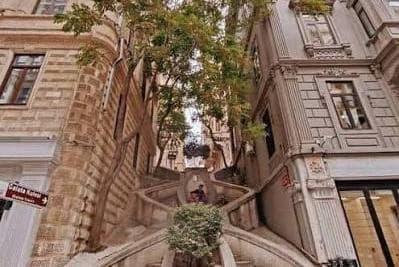
嵌在伊斯坦布尔历史悠久的加拉塔陡坡上:伊斯坦布尔历史上的热那亚区,卡蒙多阶梯(土耳其语:卡蒙多楼梯)是一座独特的建筑地标,连接着银行街与银行巷和沃维达街(现在沃维达大街)。这座由显赫的卡蒙多家族建造的优雅、双曲的楼梯,是对晚奥斯曼帝国的国际化特征以及其非穆斯林社区在塑造伊斯坦布尔的金融和城市景观中所起的重要作用的见证。这些台阶为一个充满历史、商业和多元文化的邻里地区提供了一段独特的旅程。
History
卡蒙多家族是来自西班牙的-Sep哈西德犹太人后裔,于18世纪末抵达伊斯坦布尔,此前他们曾在威尼斯定居。他们迅速崛起,成为重要的银行家和金融家,建立了“卡蒙多之家”,并在19世纪的奥斯曼帝国金融生活中扮演了关键角色。他们的银行机构在国家的现代化努力中发挥了重要作用,包括为公共工程提供资金和向奥斯曼政府提供贷款。除了金融领域,这个家族还涉足慈善和社区领导,特别是在伊斯坦布尔的犹太社区。他们创办了学校、医院,并支持各种教育和社会机构,留下了诸如巴拉特:金角湾上的文化织锦和卡拉科伊:历史悠久的港口和文化区等遗产。卡蒙多阶梯的建造可追溯到1870年代,由亚伯拉罕·萨洛蒙·卡蒙多建造,旨在提供上下不同坡度地形之间的更便捷入口,并连接繁忙的商业中心银行家大街与上坡的住宅区。这一时期,加拉塔:伊斯坦布尔的历史热那亚区从中世纪的热那亚贸易据点转变为一个充满活力的国际金融区,接待了众多外国大使馆、银行和商行。卡蒙多家族的显赫地位象征着那个时代经济转型,非穆斯林少数群体,尤其是与国际有强大联系的人,成为了帝国融入全球经济的关键。然而,他们的成功也与复杂且经常充满风险的政治环境密切相关,到20世纪初,这个家族主要迁往法国巴黎,这一时期许多富有拉维坦家族也采取了同样的行动。这些阶梯至今仍是通往这段伊斯坦布尔城市和社会历史复杂篇章的实物连接。
Architecture
科蒙多楼梯展示了新巴洛克和早期新艺术运动建筑风格的独特融合,这些风格在19世纪末的伊斯坦布尔非常流行。其最引人注目的特点是"S"形的双曲设计,巧妙地适应了贝纳勒斯街和贝格尔街之间的显著高差。楼梯流线型的曲线与周围更加僵硬的奥斯曼和新古典建筑形成了鲜明对比,这反映了新艺术运动对有机形态和装饰元素的重视。石质的台阶与精美的铁艺栏杆一起,增添了优雅和细腻的细节。楼梯不仅是功能性设施,还是一个提升周边区域声望的美学城市干预措施,当时该区域是金融、商业和外交活动的繁忙中心。它作为重要的行人通道,象征着加拉塔:伊斯坦布尔历史热那亚区不同社区之间的上升流动性和相互联系,促进了低洼商业水岸与高地上的住宅和办公建筑之间的流动。其独特的设计使其成为伊斯坦布尔最常被拍摄的建筑元素之一,提供了一条充满历史风情的步行路径。
Neighborhood: Galata: Istanbul's Historic Genoese Quarter
Frequently asked questions
What are the Camondo Stairs?
The Camondo Stairs (Kamondo Merdivenleri) are a historic, double-curved outdoor staircase located in the Galata: Istanbul's Historic Genoese Quarter district of Istanbul, Turkey. They are renowned for their unique architectural style and historical significance. {"status": "verified", "source_type": "General knowledge"}
Who built the Camondo Stairs?
The stairs were built in the 1870s by Abraham Salomon Camondo, a prominent Sephardic Jewish banker and philanthropist whose family played a crucial role in Istanbul's financial and social life during the late Ottoman period. {"status": "verified", "source_type": "Historical accounts"}
Where are the Camondo Stairs located?
They are situated in Galata: Istanbul's Historic Genoese Quarter, specifically connecting Bankalar Caddesi (Banks Street) with Banker Sokak (Banker Street) and Rue Voyvoda (Voyvoda Caddesi), providing access up a steep incline. {"status": "verified", "source_type": "Geographical information"}
What is the architectural style of the Camondo Stairs?
The Camondo Stairs exhibit a blend of Neo-Baroque and early Art Nouveau influences, characterized by their elegant 'S'-shaped curves, stone steps, and ornate wrought-iron railings. {"status": "verified", "source_type": "Architectural analysis"}
What was the significance of the Camondo family in Istanbul?
The Camondo family were influential bankers and financiers who founded the 'House of Camondo.' They significantly contributed to the Ottoman Empire's modernization, public works, and the development of Istanbul's financial sector. They were also notable philanthropists within the city's Jewish community. {"status": "verified", "source_type": "Historical records"}
How do the Camondo Stairs reflect Galata's history?
The stairs symbolize Galata: Istanbul's Historic Genoese Quarter's transformation into a cosmopolitan financial and diplomatic hub during the late Ottoman era. They represent the wealth and influence of non-Muslim communities, like the Camondos, in shaping the city's urban fabric and economic landscape. {"status": "interpretation", "source_type": "Historical analysis"}
Can visitors access the Camondo Stairs today?
Yes, the Camondo Stairs are a public staircase and can be visited at any time. They are a popular spot for both locals and tourists exploring the historic Galata: Istanbul's Historic Genoese Quarter area. {"status": "verified", "source_type": "General knowledge"}
Are there other structures associated with the Camondo family in Istanbul?
Yes, besides the stairs, the Camondo family left several other architectural legacies, including the Camondo Palace on Bankalar Caddesi and the Camondo Apartmanı (apartments), reflecting their extensive property holdings and urban development contributions in the Galata: Istanbul's Historic Genoese Quarter and Karaköy: Istanbul's Historic Port and Cultural District areas. {"status": "verified", "source_type": "Architectural history"}
Written by Istanbook Editorial Team