Places
Anadolu Fortress: Ottoman Gateway to the Bosphorus
Overview
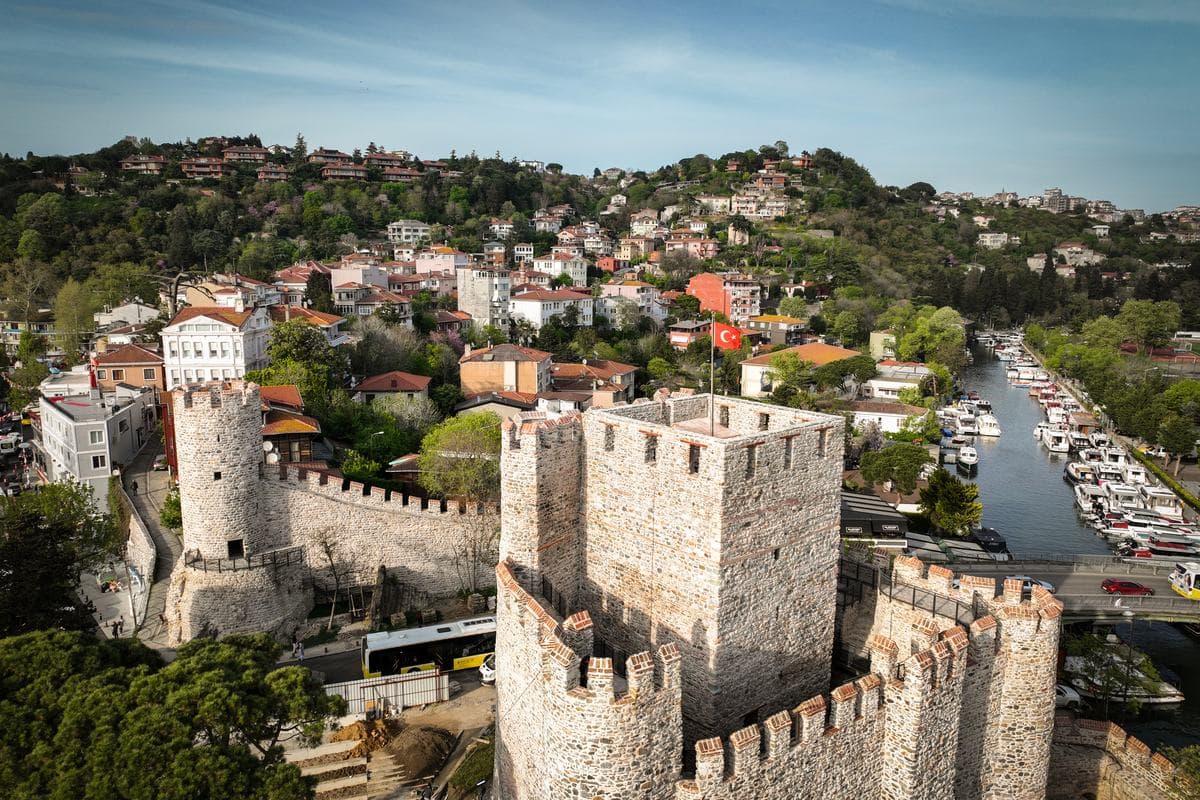
Anadolu Fortress (Anadolu Hisarı), or the Anatolian Fortress, stands as a pivotal early Ottoman fortification on the Asian shore of the Bosphorus. Constructed by Sultan Bayezid I in the late 14th century, it was strategically positioned at the narrowest point of the strait. While often overshadowed by its larger counterpart, Rumeli Fortress: Sultan Mehmed II's Strategic Stronghold, Anadolu Hisarı holds distinct historical significance as the first Ottoman attempt to control maritime traffic through the Bosphorus, playing a crucial role in the empire's expansionist ambitions before the conquest of Constantinople.
History
The construction of Anadolu Fortress (Anadolu Hisarı) by Sultan Bayezid I (Bayezid the Thunderbolt) occurred between 1393 and 1394. This predates the more famous Rumeli Fortress: Sultan Mehmed II's Strategic Stronghold by over half a century. Its primary purpose was to establish Ottoman control over the Bosphorus strait, disrupting Byzantine supply routes and isolating Constantinople from potential assistance arriving via the Black Sea. By controlling this vital waterway, Bayezid I aimed to tighten the Ottoman noose around the Byzantine capital, which was already largely encircled by Ottoman territories on land. While initially successful in harassing Byzantine and Genoese shipping, the fortress alone could not fully block the strait. However, its presence was a constant threat and a clear assertion of Ottoman power on the Asian side. Decades later, during the preparations for the conquest of Constantinople, Sultan Mehmed II recognized the strategic value of both shores of the Bosphorus. He significantly reinforced Anadolu Fortress and, crucially, commissioned the construction of Rumeli Fortress: Sultan Mehmed II's Strategic Stronghold on the European side directly opposite it. Together, these two fortresses created an impenetrable choke point, effectively severing Constantinople's maritime lifeline and preventing any relief forces from reaching the city through the Black Sea. This strategic blockade was instrumental in the Ottoman conquest of Constantinople in 1453. After the conquest, Anadolu Fortress lost its primary military function. It subsequently served various roles, including a customs house and a prison, but largely fell into disuse and disrepair over centuries. Today, the fortress is part of the contemporary Anadolu Hisarı neighborhood and has undergone restoration efforts to preserve its historical integrity.
Architecture
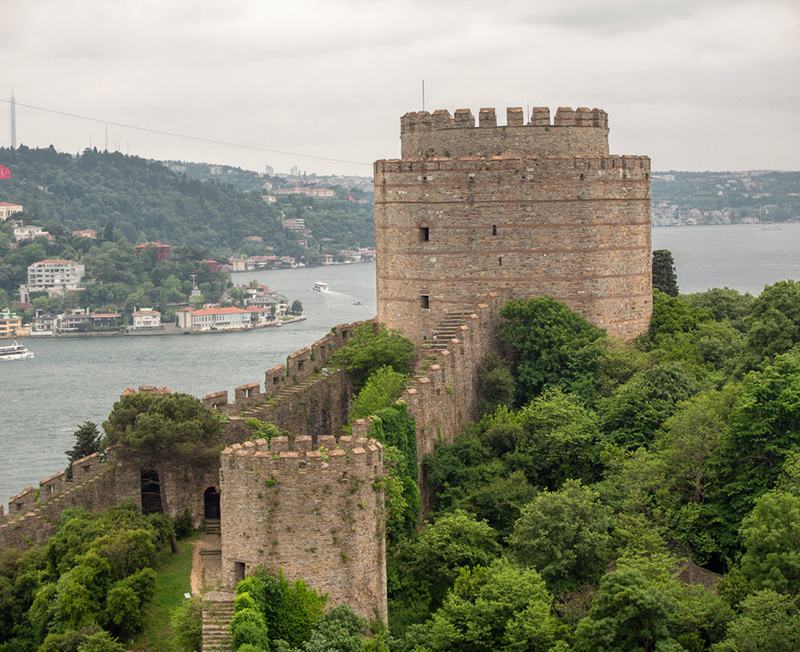
Anadolu Fortress (Anadolu Hisarı) is situated at the picturesque confluence of the Göksu Stream with the Bosphorus, within the neighborhood that bears its name. Its design is characterized by an irregular pentagonal plan, adapting to the natural contours of the terrain. The original structure, as built by Sultan Bayezid I, featured a massive main tower, often referred to as the keep or inner citadel, along with several smaller watchtowers and inner walls. These early fortifications were constructed primarily from local stone, and some historical accounts suggest the reuse of materials from older Byzantine structures in its construction. When Sultan Mehmed II prepared for the siege of Constantinople, he ordered significant enhancements to Anadolu Fortress. These additions strengthened its defenses, raising the outer walls and adding more towers to complement the formidable new Rumeli Fortress: Sultan Mehmed II's Strategic Stronghold on the opposite shore. The fortifications thus became part of a cohesive defensive system designed to command the narrowest section of the Bosphorus. The fortress’s location not only provided a strategic advantage but also contributed to the development of a charming village around its walls, which eventually evolved into the modern Anadolu Hisarı neighborhood, known for its waterfront properties and serene atmosphere.
Practical Information
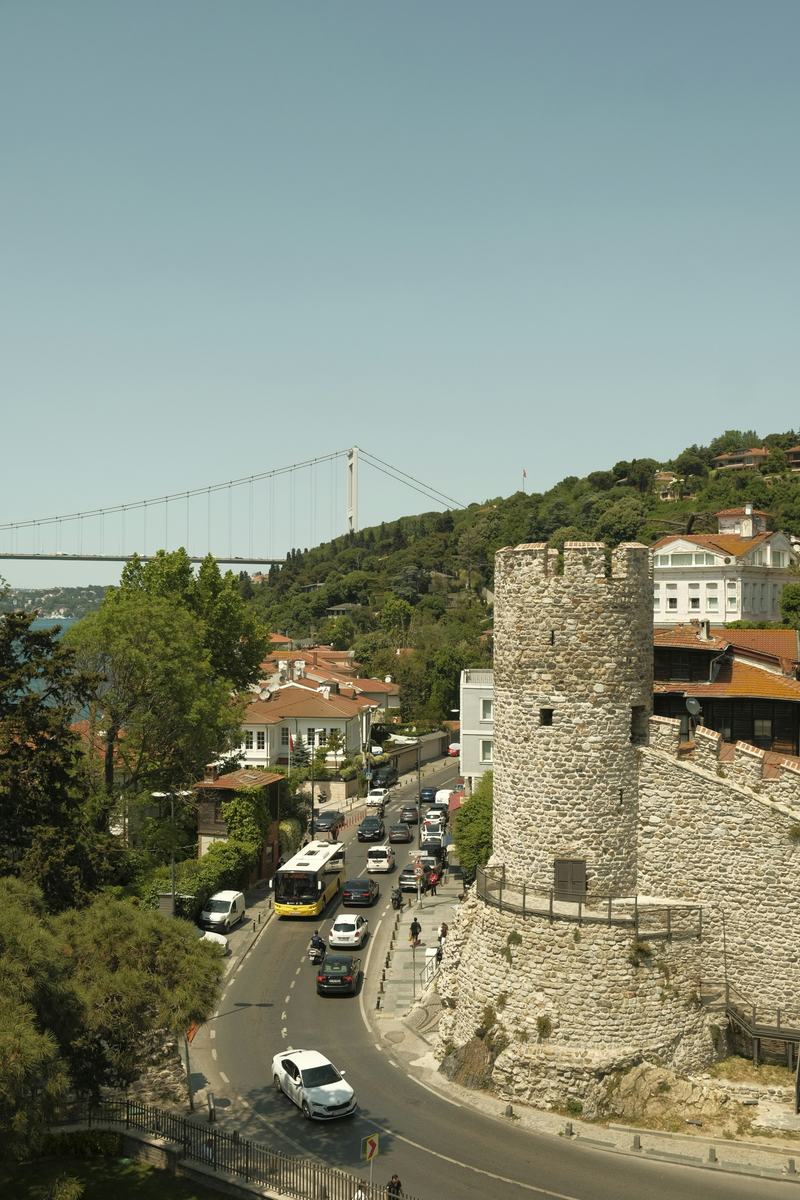
Location: Anadolu Hisarı Neighborhood, Beykoz, Istanbul, Türkiye.
Visiting the fortress/museum: Anadolu Hisarı operates as the Anatolian Fortress Museum, managed by the Istanbul Metropolitan Municipality. The museum officially opened after restoration works in April 2023.
Opening hours:
Tuesday–Sunday: 10:00–18:00
Monday: Closed
The ticket office closes at 17:30.
Current restoration note: The main tower area is temporarily closed because of ongoing restoration work. The courtyard and garden areas remain open to visitors. This is important to flag on Istanbook because visitors should not assume that the entire fortress is currently accessible.
Tickets: The current IBB museum information lists:
- Full ticket: 160 TL
- Discounted: 65 TL
- Foreign visitors: 570 TL
- Free for visitors over 65 and children under 10
- Credit and debit cards are accepted.
Accessibility: The museum's current information indicates accessible visitor facilities, but the fortress is a historic structure with uneven surfaces and ongoing restoration. Accessibility to individual historic sections can therefore be more limited than accessibility to the general visitor areas. Visitors with mobility requirements should confirm the conditions directly with the museum before visiting.
Public transport: Anadolu Hisarı is served by the Anadolu Hisarı ferry pier, providing a particularly scenic way to reach the neighborhood. The pier is located directly on the Bosphorus.
Good to combine with: Göksu, Küçüksu, Küçüksu Pavilion, Anadolu Hisarı waterfront and a Bosphorus ferry ride.
Contact: +90 216 333 52 30
Source https://ataturkkitapligi.ibb.gov.tr/en/Kitaplik/Muzelerimiz/Anatolian-Fortress-Museum/15
Frequently asked questions
Who built Anadolu Fortress and when?
Anadolu Fortress (Anadolu Hisarı) was constructed by the Ottoman Sultan Bayezid I (also known as Bayezid the Thunderbolt) between 1393 and 1394.
What was the strategic purpose of Anadolu Fortress?
Its strategic purpose was to control the Bosphorus strait, specifically at its narrowest point, to disrupt Byzantine shipping and isolate Constantinople from naval support from the Black Sea. It was a key step in the Ottoman strategy to eventually conquer Constantinople.
How does Anadolu Fortress relate to Rumeli Fortress?
Anadolu Fortress is the older of the two, built decades before Rumeli Fortress: Sultan Mehmed II's Strategic Stronghold. Sultan Mehmed II later built Rumeli Fortress directly opposite Anadolu Fortress on the European side, creating a dual fortification system that completely controlled maritime traffic through the Bosphorus before the 1453 siege of Constantinople.
Did Anadolu Fortress play a role in the conquest of Constantinople?
Yes, it played a crucial role. Although built earlier, it was reinforced by Sultan Mehmed II and, alongside Rumeli Fortress: Sultan Mehmed II's Strategic Stronghold, formed a formidable blockade that cut off Constantinople's access to the Black Sea, which was vital for the Ottoman siege to succeed.
What is the architectural style of Anadolu Fortress?
The fortress features an irregular pentagonal plan, adapting to the terrain. Its architecture is typical of early Ottoman military fortifications, characterized by sturdy stone walls and a prominent central keep or citadel, along with several smaller towers.
What is the current status of Anadolu Fortress?
Today, Anadolu Fortress stands within the historic Anadolu Hisarı neighborhood. It has undergone restoration efforts and is recognized as a significant historical site, though it is not always fully accessible to the public.
Where exactly is Anadolu Fortress located?
It is located on the Asian side of the Bosphorus strait, specifically at the mouth of the Göksu Stream, in the contemporary Anadolu Hisarı neighborhood of Istanbul.
Are there any specific historical figures associated with Anadolu Fortress?
The most prominent historical figures associated with Anadolu Fortress are Sultan Bayezid I, who ordered its construction, and Sultan Mehmed II, who ordered its reinforcement and built the complementary Rumeli Fortress: Sultan Mehmed II's Strategic Stronghold on the opposite shore.
Last updated August 21, 2026
Sources (1)
- İBB Atatürk Kitaplığı — https://ataturkkitapligi.ibb.gov.tr/en/Kitaplik/Muzelerimiz/Anatolian-Fortress-Museum/15, accessed August 21, 2026