Places
Beylerbeyi Palace: Imperial Life on the Bosphorus
Overview
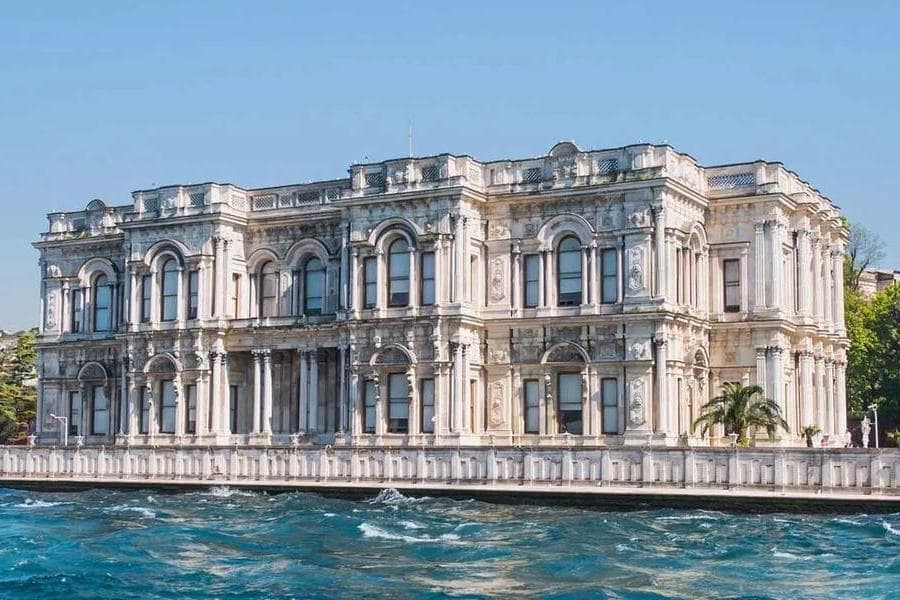
Beylerbeyi Palace (Beylerbeyi Sarayı) stands as an elegant imperial summer residence on the Asian shore of the Bosphorus, offering a serene counterpoint to its grander European-side counterparts. Constructed in the mid-19th century under Sultan Abdülaziz, it represents a period of profound architectural and cultural transformation in the Ottoman Empire. The palace served as a lavish retreat for the imperial family and a distinguished guesthouse for foreign dignitaries, showcasing a unique blend of traditional Ottoman design and European Neoclassical and Baroque influences.
History
The construction of Beylerbeyi Palace took place between 1861 and 1865, commissioned by Sultan Abdülaziz (reigned 1861-1876), a ruler with a deep interest in Western culture and naval affairs. This period, the late Ottoman era, was marked by significant modernization efforts and an increasing engagement with European artistic and architectural trends. The palace was conceived not as a primary seat of government, but as an opulent imperial summer residence and a venue for hosting distinguished foreign guests. It replaced an earlier wooden palace on the same site, reflecting the Ottoman court's evolving preference for stone structures along the Bosphorus. The location on the Asian shore, specifically within the Beylerbeyi: An Imperial Retreat on the Bosphorus neighborhood, allowed the imperial family a quieter, more secluded retreat from the bustling European side of Istanbul. Among its notable guests were Empress Eugénie of France, who visited in 1869, and other European monarchs and heads of state. In its later history, Beylerbeyi Palace became the place of internal exile for the deposed Sultan Abdülhamid II, who spent his final six years within its walls after being overthrown in 1909. This transformation from a lavish summer retreat to a place of confinement for a former sultan adds a layer of poignant history to the palace.
Architecture
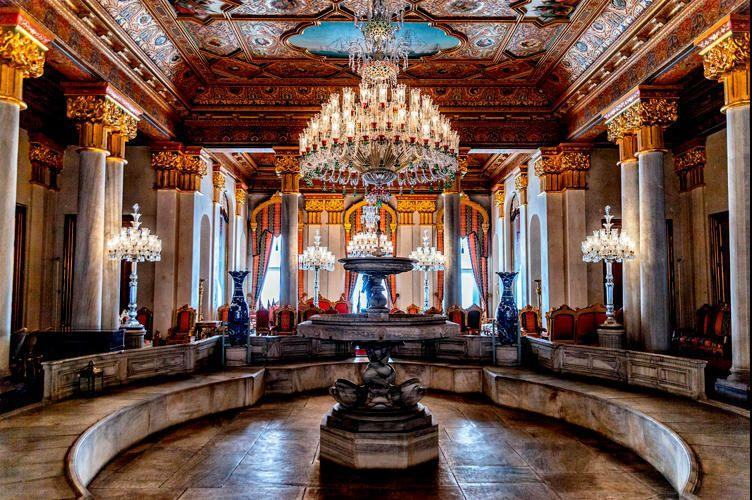
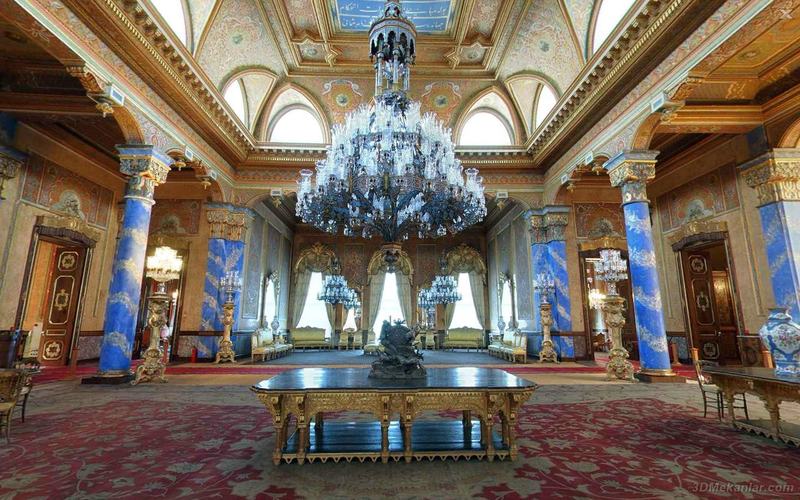
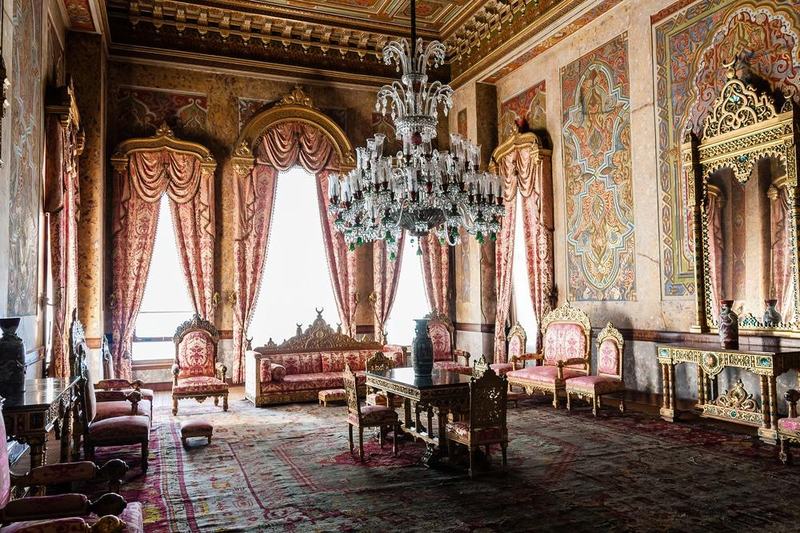
Designed by the Armenian-Ottoman architect Sarkis Balyan, Beylerbeyi Palace exemplifies a graceful synthesis of Ottoman and European architectural styles. Its exterior is predominantly Neoclassical, constructed from white marble, which gives it a bright and imposing presence against the blue waters of the Bosphorus. The palace features a rectangular plan with two main stories and a basement, flanked by two smaller pavilions. A striking feature is its extensive waterfront façade, adorned with intricate carvings and large windows that offer panoramic views of the Bosphorus. The interior, in contrast to the external classicism, is richly decorated with a blend of Rococo, Baroque, and traditional Ottoman motifs. Elaborate ceilings, intricate parquetry, Hereke carpets, and ornate chandeliers are prominent throughout the reception rooms and imperial apartments. The palace's design includes features adapted for the Bosphorus climate, such as extensive use of cooling marble, particularly in the grand staircase and hammams. The gardens are terraced, descending towards the Bosphorus, and feature fountains, pools, and various exotic plants, creating a picturesque setting for imperial leisure and diplomatic events. Two small kiosks, a stable building, and a tunnel connecting the waterfront to a further garden area are also part of the complex.
Practical Information
Opening Hours: Open Tuesday–Sunday. Closed on Mondays. Opening hours may vary on public holidays.
Admission: Paid entry. Museum ticket required.
Accessibility: The palace grounds are partially accessible, but some historic interiors and areas may be challenging for wheelchair users due to stairs and the historic architecture.
Visit Duration: Approximately 1–1.5 hours.
Best Time to Visit: Morning hours are ideal for a quieter visit and softer light along the Bosphorus.
Location: Beylerbeyi, Üsküdar — on the Asian side of Istanbul, directly on the Bosphorus.
Visitor Note: Photography restrictions may apply inside certain rooms. Comfortable shoes are recommended for exploring the palace grounds.
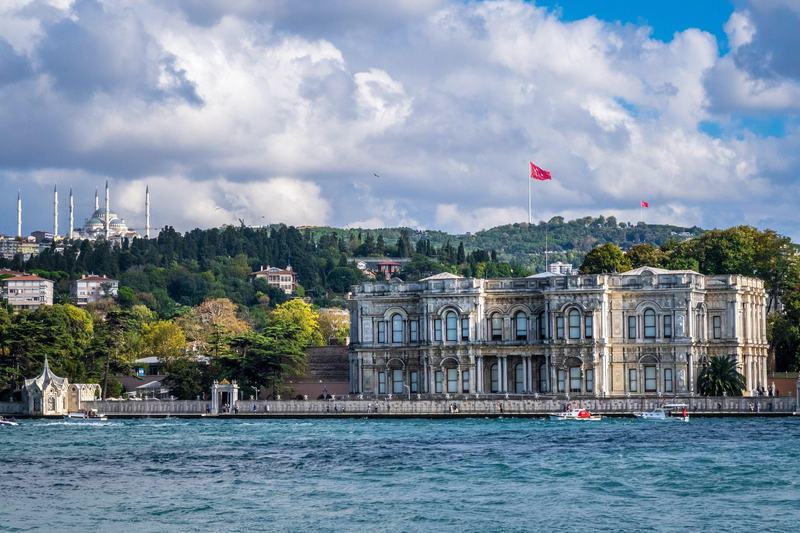
Neighborhood: Beylerbeyi: An Imperial Retreat on the Bosphorus
Frequently asked questions
When was Beylerbeyi Palace built?
Beylerbeyi Palace was constructed between 1861 and 1865.
Who commissioned the construction of Beylerbeyi Palace?
The palace was commissioned by Sultan Abdülaziz (reigned 1861-1876).
What was the primary purpose of Beylerbeyi Palace?
It served primarily as an imperial summer residence for the Ottoman family and a guesthouse for foreign dignitaries.
What architectural styles can be seen at Beylerbeyi Palace?
The palace showcases a blend of Ottoman traditions with European Neoclassical and Baroque influences, particularly on its white marble exterior and richly decorated interiors.
Which important historical figure spent his final years at Beylerbeyi Palace?
The deposed Sultan Abdülhamid II spent his last six years at Beylerbeyi Palace after his dethronement in 1909.
Is Beylerbeyi Palace located on the European or Asian side of Istanbul?
Beylerbeyi Palace is located on the Asian shore of the Bosphorus, within the neighborhood of Beylerbeyi: An Imperial Retreat on the Bosphorus.
Who was the architect of Beylerbeyi Palace?
The palace was designed by the Armenian-Ottoman architect Sarkis Balyan.