Places
Cağaloğlu Hamam: An 18th-Century Ottoman Public Bath
Overview
The Cağaloğlu Hamam (Turkish bath) stands as a prominent example of 18th-century Ottoman architecture and social life, nestled in the historic Sultanahmet: Istanbul's Imperial Heart district of Istanbul. It represents not merely a place for cleansing but a significant social institution that served the daily lives of Ottoman citizens, providing spaces for hygiene, relaxation, and community interaction. Its enduring presence offers a tangible link to Istanbul's past, showcasing the sophisticated urban planning and architectural prowess of its era.
History
The construction of the Cağaloğlu Hamam dates back to 1741, during the reign of Sultan Mahmud I. It was commissioned to fund the library of the Hagia Sophia (Ayasofya) Mosque, functioning as a *vakıf* (charitable endowment) to provide continuous income for its upkeep. This connection highlights the Ottoman practice of integrating public services and religious endowments within urban development. Unlike many earlier Ottoman baths, which might be found across the city, the Cağaloğlu Hamam represents a later, more ornamental style of bath architecture, moving slightly away from the stricter classical Ottoman design principles. Its establishment in the heart of the historic peninsula meant it served a dense population, from government officials to merchants and residents of the surrounding commercial and residential areas.
Architecture
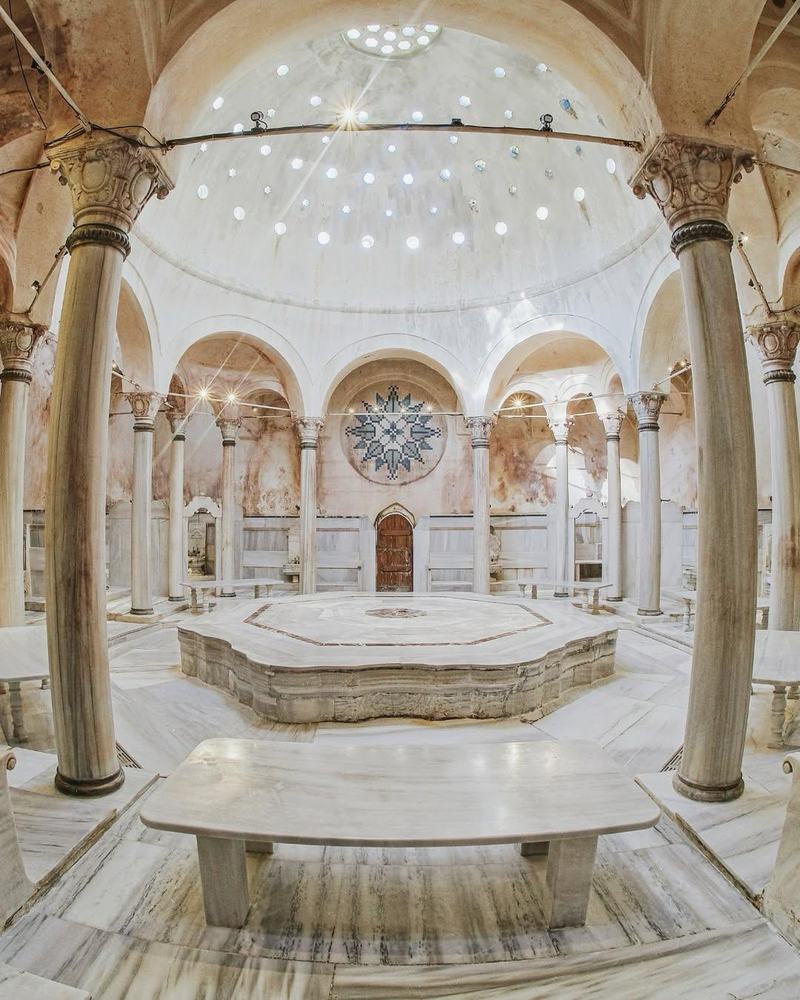
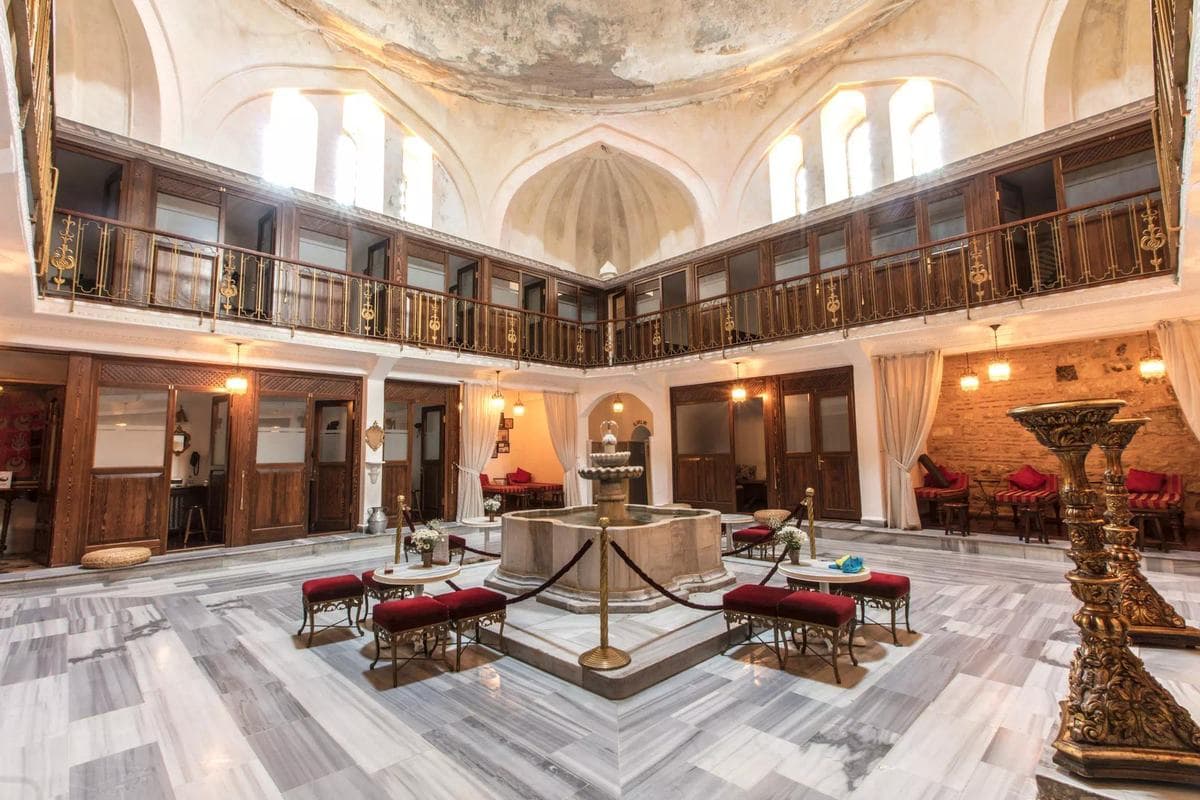
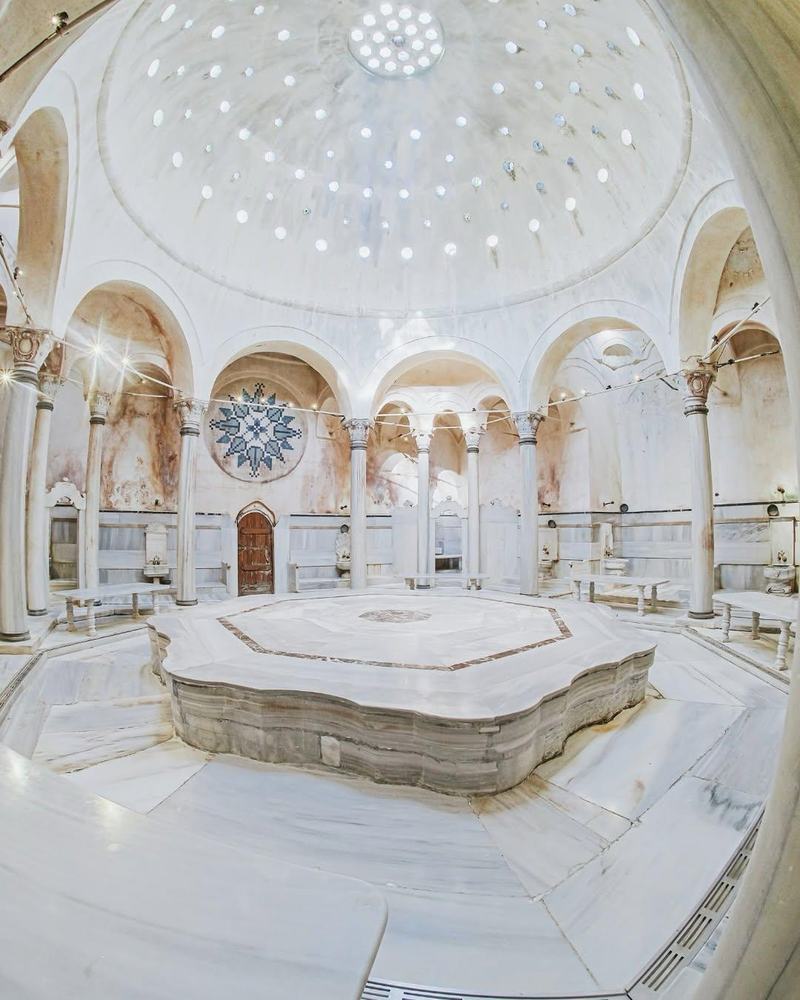
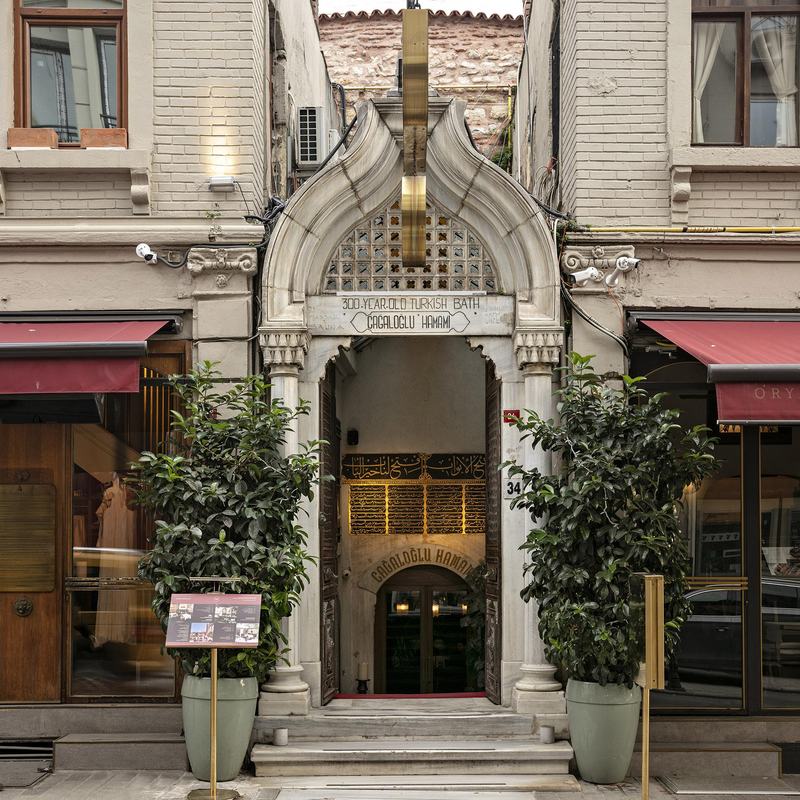
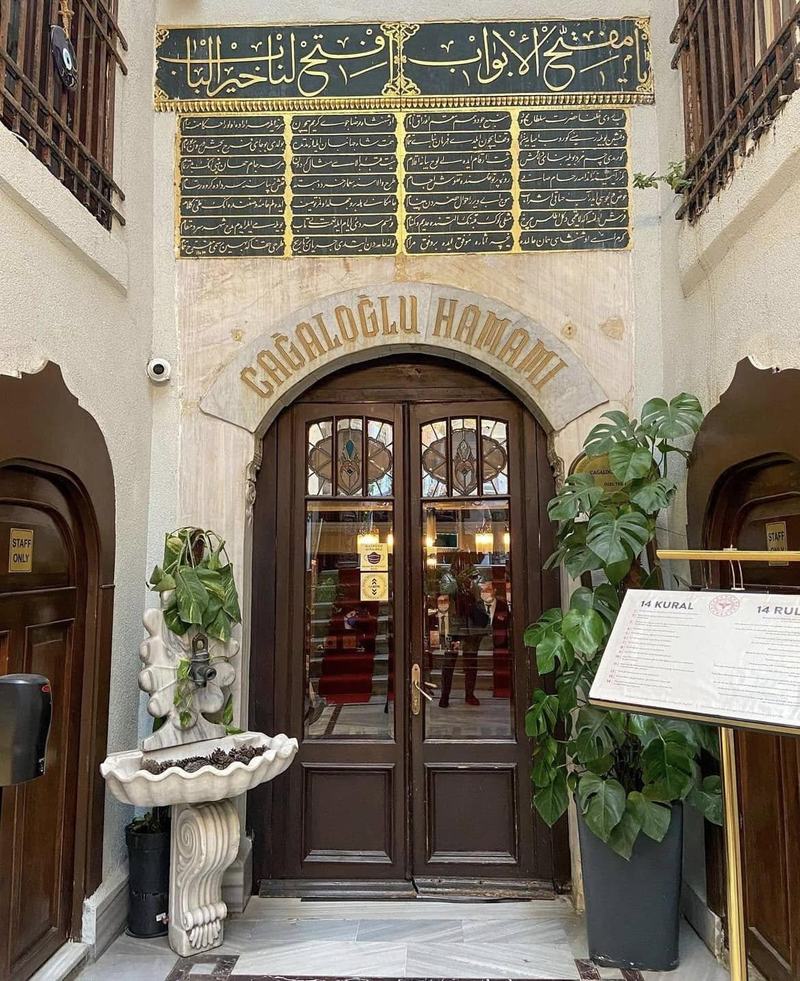
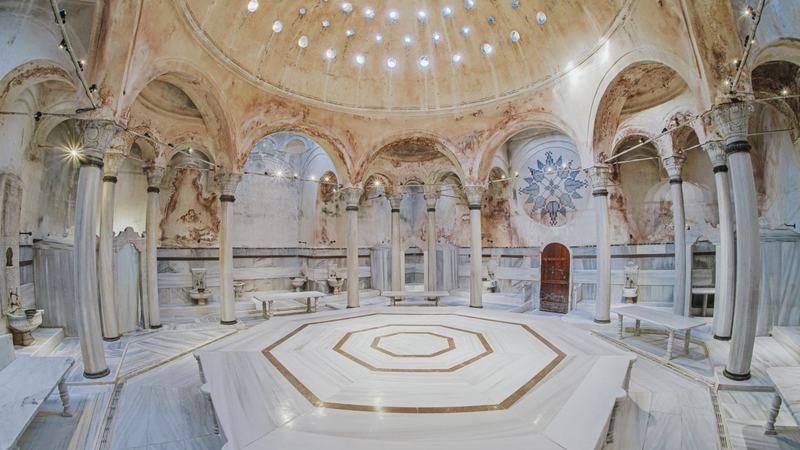
The architecture of the Cağaloğlu Hamam is a testament to 18th-century Ottoman design, featuring separate sections for men and women, reflecting the social norms of the time. Each section typically begins with a grand entrance leading into the *soğukluk* (cold room or changing room), a large, high-domed space where bathers would prepare and relax. These areas are often adorned with intricate tilework and marble. From the *soğukluk*, one would proceed to the *ılıklık* (warm room), a transitional space designed to acclimate the body to increasing temperatures. The heart of the hamam is the *hararet* (hot room), characterized by its central, raised marble platform known as the *göbektaşı* (belly stone), under which the furnace (külhan) provided intense heat. This hot room is typically crowned with small domes punctuated by star-shaped apertures, which allowed for natural light to filter in and steam to escape, creating a mystical ambiance. The heating system relied on a complex network of terracotta pipes under the marble floors, distributing hot air and steam from a large furnace, a testament to Ottoman engineering. The spatial organization of the hamam carefully guides bathers through a sequence of temperatures and experiences, embodying both practical and ritualistic functions.
Practical Information
Location: Alemdar, Prof. Kazım İsmail Gürkan Cd. No: 34, Fatih, Istanbul
Opening hours: Monday–Thursday 09:00–22:00; Friday–Sunday 09:00–23:00.
Admission: This is a functioning Turkish bath rather than a museum, so visitors generally experience it through one of the available bath and treatment packages. Current services start from around €95.
Separate sections: Men and women use separate sections, with male attendants serving male guests and female attendants serving female guests. Couple services are not offered.
Accessibility: The historic building dates from 1741, so visitors with limited mobility should contact the hamam in advance to confirm whether the facilities are suitable for their needs.
Children: Children under 6 are not permitted. Guests under 18 must be accompanied by an adult of the same gender.
Booking: Advance booking is recommended, particularly during busy tourist periods.
Contact: +90 212 522 24 24
Best for: Travelers interested in Ottoman history, architecture, and experiencing a traditional Turkish bath.
Neighborhood: Sultanahmet: Istanbul's Imperial Heart
Frequently asked questions
What is the historical significance of Cağaloğlu Hamam?
The Cağaloğlu Hamam, built in 1741, is historically significant as one of Istanbul's last large hamams constructed during the Ottoman Empire, and it was established as a *vakıf* (charitable endowment) to provide funds for the library of the Hagia Sophia Mosque.
How did hamams contribute to daily urban life in Ottoman Istanbul?
Hamams were essential social institutions in Ottoman urban life, serving not only for personal hygiene but also as places for social gathering, relaxation, celebration, and community interaction. They were vital public spaces where people exchanged news and built social bonds.
What are the main architectural features of Cağaloğlu Hamam?
The hamam features a grand entrance, separate sections for men and women, a *soğukluk* (cold/changing room), an *ılıklık* (warm room), and a *hararet* (hot room) with a central *göbektaşı* (belly stone). Its domes are often punctuated by star-shaped openings for light, and it utilizes an elaborate underfloor heating system.
Who typically used Ottoman hamams?
Ottoman hamams were used by all segments of society, regardless of social status, for both daily cleansing and special occasions. There were specific times or separate sections designated for men and women.
What is a *göbektaşı*?
The *göbektaşı*, or 'belly stone,' is a large, heated marble slab located in the center of the *hararet* (hot room) of a hamam. Bathers would lie on it to sweat and prepare for scrubbing and massage.
Is Cağaloğlu Hamam still in use today?
Yes, the Cağaloğlu Hamam continues to operate as a public bath in modern Istanbul, preserving its historical function and offering visitors a chance to experience an authentic Ottoman bathing tradition.
How is Cağaloğlu Hamam heated?
The hamam is heated by a traditional Ottoman system that uses a large furnace (*külhan*) to generate hot air and steam, which is then circulated through a network of terracotta pipes beneath the marble floors and walls, warming the entire structure.
What is the cultural role of an Ottoman hamam beyond bathing?
Beyond bathing, Ottoman hamams served as important cultural hubs. They were venues for women's social gatherings, pre-wedding rituals, baby showers, and other celebrations, fostering community bonds and providing a space for women outside the home.
Written by Istanbook Editorial Team