Places
Church of St. George at the Ecumenical Patriarchate
Overview
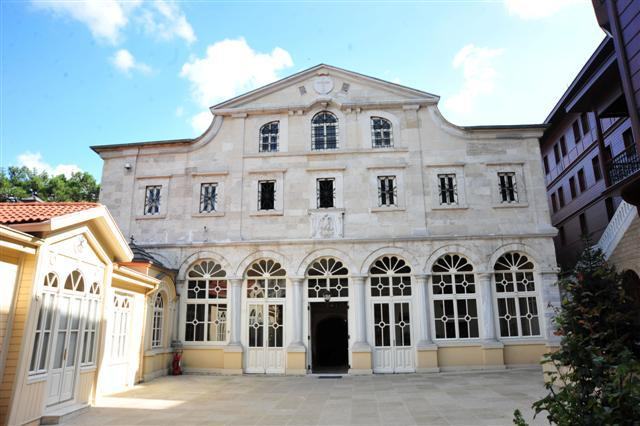
The Church of St. George (Aya Yorgi Kilisesi) stands as the principal cathedral of the Ecumenical Patriarchate of Constantinople, the spiritual center for Orthodox Christians worldwide. Located within the Fener: Istanbul's Historic Greek Quarter neighborhood on the Golden Horn, it serves not only as a place of worship but also as the symbolic heart of Orthodox Christianity. Its modest exterior belies its profound historical and religious significance, representing the enduring presence and continuity of the Ecumenical Patriarchate in Istanbul.
History
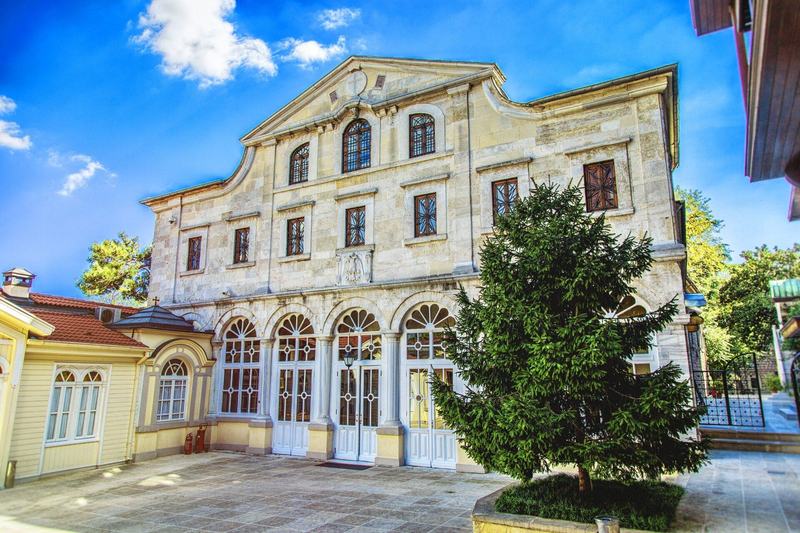
The Ecumenical Patriarchate's history in Constantinople dates back to the early Christian era. Following the Ottoman conquest of Constantinople in 1453, the Patriarchate, under Patriarch Gennadius Scholarius, was recognized by Sultan Mehmed II as the spiritual and secular head of the Rum (Greek Orthodox) millet, or community, within the Ottoman Empire. The Patriarchate relocated several times within the city before settling in the Fener: Istanbul's Historic Greek Quarter neighborhood in 1600. This move marked the beginning of a new chapter, with Fener becoming the undisputed center of Greek Orthodox life in the city. The current Church of St. George on the site has undergone multiple reconstructions due to fires and regulations limiting the grandeur of non-Muslim places of worship in the Ottoman era. The most significant rebuilding occurred in 1720 after a fire, and further renovations took place in the late 18th and 19th centuries, shaping its present appearance. (needs_verification: Specific dates of rebuilding without a provided source.) Throughout the Byzantine and Ottoman periods, the Patriarchate, with the Church of St. George at its core, played a crucial role in preserving Greek Orthodox identity, culture, and faith. Even today, it maintains its historical importance as the 'first among equals' among the autocephalous Orthodox churches, leading the Orthodox Christian world from its historic seat in Istanbul.
Architecture
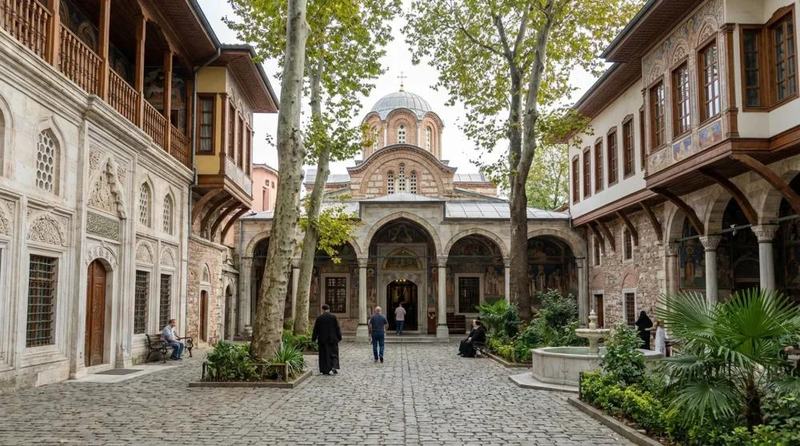
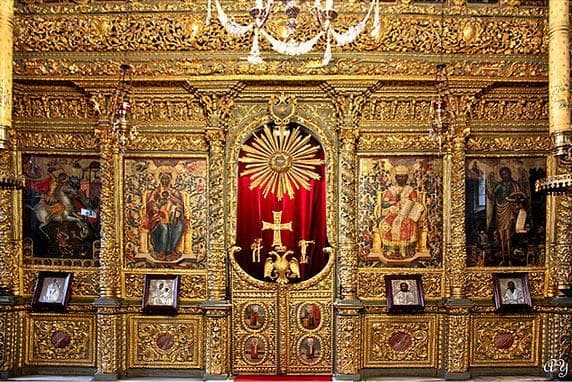
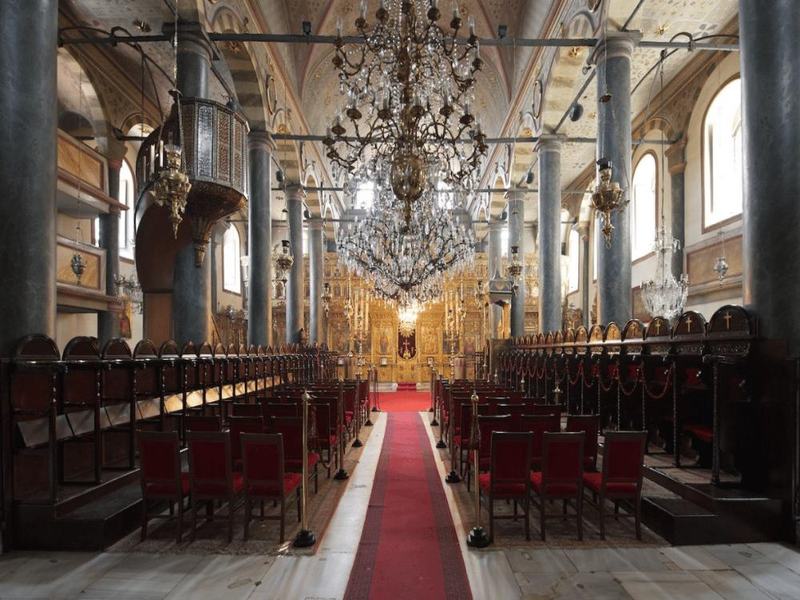
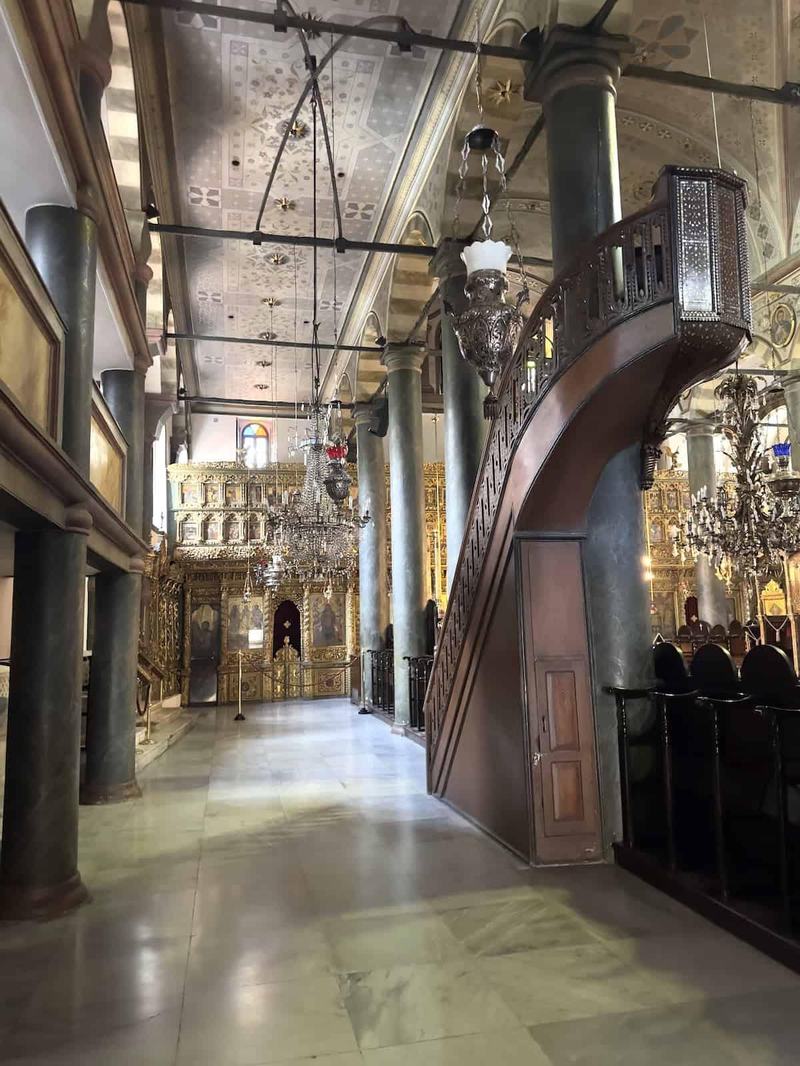
The Church of St. George presents a relatively unassuming exterior compared to some of Istanbul's grander imperial mosques, reflecting its history under Ottoman rule, which often restricted the scale and visibility of Christian churches. Its current form is largely a product of 18th and 19th-century renovations. (needs_verification: Specific dating without a provided source.) Inside, the church is a sanctuary of rich Byzantine and post-Byzantine artistry. The interior is adorned with intricately carved wooden iconostases, depicting scenes from the lives of saints and Christ, reflecting the detailed craftsmanship characteristic of Orthodox ecclesiastical art. Significant icons, some dating back to the Byzantine period or considered miraculous, are housed within the church, including revered mosaic icons. (needs_verification: Specific dating without a provided source.) The patriarchal throne, dating to the late 17th or early 18th century, stands as a symbol of the Ecumenical Patriarch's authority and continuity. (needs_verification: Specific dating without a provided source.) Relics of various saints, including parts of the Column of Flagellation and the relics of St. John Chrysostom and St. Gregory the Theologian, add to the church's spiritual significance. (needs_verification: Specific relics without a provided source.) The church is an integral part of the wider patriarchal complex, which includes administrative offices, the Patriarchal Library, and residential quarters, all enclosed within a walled compound, creating a distinct spiritual enclave within Fener: Istanbul's Historic Greek Quarter. Its architecture, while not monumental, is imbued with a deep sense of history and spiritual purpose.
Practical Information
Location: Dr. Sadık Ahmet Cd. No. 19, Fener, Fatih, Istanbul.
Opening hours: Visitor hours are commonly listed around 08:00–17:00, but access can change because the church remains an active place of worship. It is best to check locally before visiting.
Admission: Free. There is no standard museum-style entrance ticket.
Religious services: Services take place regularly. On weekdays, Orthros begins at 08:00 and Vespers at 16:30; Sunday Divine Liturgy begins at 09:30. Visitors should expect restricted access during services.
Dress code: Modest clothing is recommended, with shoulders and knees covered.
Photography: Photography may be restricted during religious services. Visitors should follow instructions from church staff and avoid using flash where prohibited.
Accessibility: The historic complex has steps and uneven areas, so full wheelchair accessibility should not be assumed. Visitors with mobility limitations should contact the Patriarchate beforehand.
Security: Visitors may be subject to security screening before entering the complex.
Best time to visit: Weekday mornings outside service times are generally a better choice for a quieter visit.
Visit duration: Allow approximately 20–40 minutes for the church and courtyard.
Tip: This isn't simply a historic church—it is the Patriarchal Church of St. George, the seat of the Ecumenical Patriarchate. The present church was rebuilt after a fire in 1720 and retains its traditional three-aisled basilica form.
Neighborhood: Fener: Istanbul's Historic Greek Quarter
Frequently asked questions
What is the significance of the Church of St. George?
The Church of St. George is the principal cathedral of the Ecumenical Patriarchate of Constantinople, serving as the spiritual center for Orthodox Christians worldwide and the historical seat of the Ecumenical Patriarch.
Where is the Ecumenical Patriarchate located?
The Ecumenical Patriarchate is located in the Fener: Istanbul's Historic Greek Quarter neighborhood of Istanbul, on the shores of the Golden Horn.
When did the Ecumenical Patriarchate move to Fener?
The Ecumenical Patriarchate settled in the Fener neighborhood in 1600, after several relocations within Istanbul following the Ottoman conquest in 1453.
What kind of architecture characterizes the Church of St. George?
The Church of St. George's exterior is relatively modest, a reflection of its rebuilding history under Ottoman rule. Its interior is richly decorated with Byzantine and post-Byzantine art, including carved iconostases, sacred icons, and historical relics.
Are there important relics or icons inside the church?
Yes, the church houses several significant icons, some believed to be miraculous, as well as relics of various saints, including parts of the Column of Flagellation.
What is the role of the Ecumenical Patriarchate today?
The Ecumenical Patriarchate continues to be the 'first among equals' among the autocephalous Orthodox churches, providing spiritual leadership and maintaining historical continuity for Orthodox Christians globally from its historic seat in Istanbul.
Can visitors enter the Church of St. George?
As the working cathedral of the Ecumenical Patriarchate, the church is generally open to visitors and pilgrims, though access may be restricted during services or special events. (needs_verification: General access information would require confirmation from a current source.)
What is the historical context of the Patriarchate's relationship with the Ottoman Empire?
Following the Ottoman conquest, Sultan Mehmed II recognized the Patriarchate as the spiritual and administrative head of the Rum (Greek Orthodox) millet, granting it a specific status within the Ottoman system for centuries.