Places
Fener Greek Orthodox College
Overview
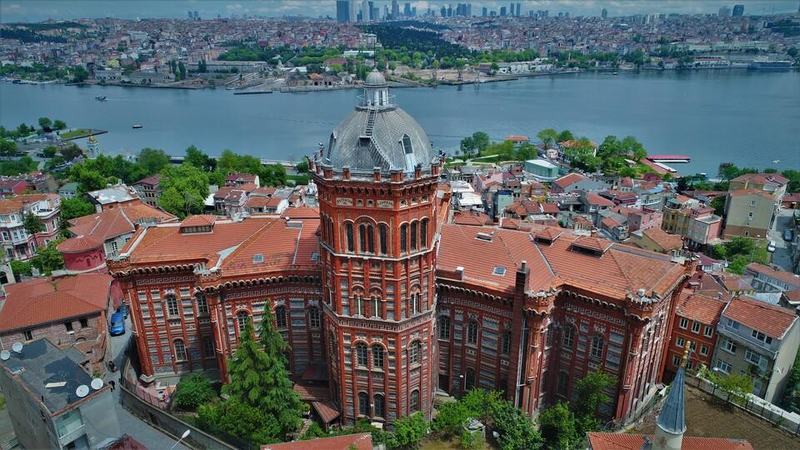
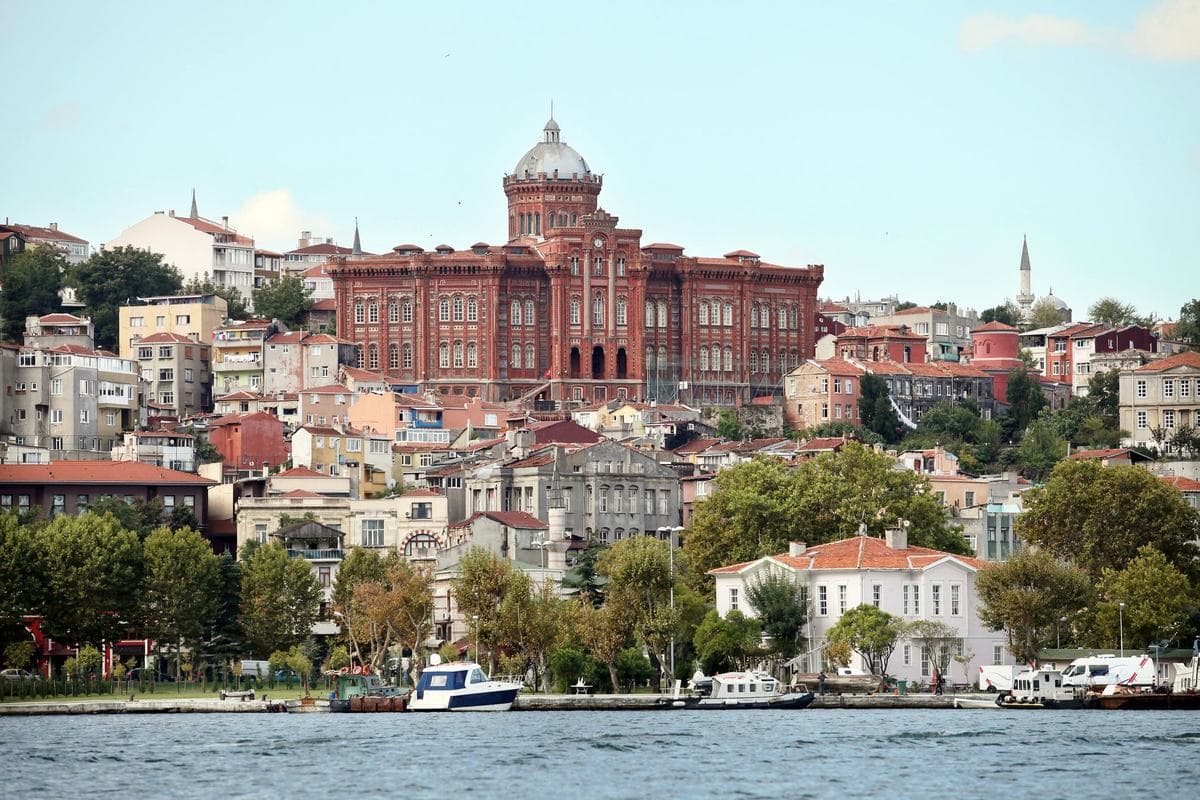
The Fener Greek Orthodox College, known in Turkish as Fener Rum Lisesi, stands as a distinctive architectural landmark overlooking the Golden Horn in the historic neighborhood of Fener: Istanbul's Historic Greek Quarter. It serves as an enduring symbol of the Greek Orthodox community's presence and its deep-rooted intellectual and cultural heritage in Istanbul. The institution has played a vital role in preserving Greek identity and providing education since its inception, fostering generations of students within its iconic red-brick walls. Its imposing structure, often likened to a castle, dominates the skyline of the historic peninsula.
History
The history of the Fener Greek Orthodox College is intricately linked to the broader narrative of Istanbul's Greek Orthodox community. Its origins can be traced back to earlier educational establishments, with the current institution serving as a continuation of schools that have existed in the area for centuries, reflecting a long tradition of Greek education in the city. Historically, the college has maintained a close relationship with the Ecumenical Patriarchate, located nearby in Fener: Istanbul's Historic Greek Quarter, reinforcing its role as a spiritual and educational center for the community. Throughout the Ottoman period, the Fener Greek Orthodox College was a significant hub for intellectual life, educating many prominent figures within the Greek Orthodox community and beyond. It played a crucial role in preserving Greek cultural identity, language, and Orthodox traditions amidst changing political landscapes. In modern Istanbul, the college continues to operate, though its student body reflects the demographic shifts and challenges faced by the city's Greek population over the last century. The once-vibrant Greek presence in Fener: Istanbul's Historic Greek Quarter has diminished considerably, yet the college remains a tangible link to a rich past and a symbol of resilience for the remaining community.
Architecture
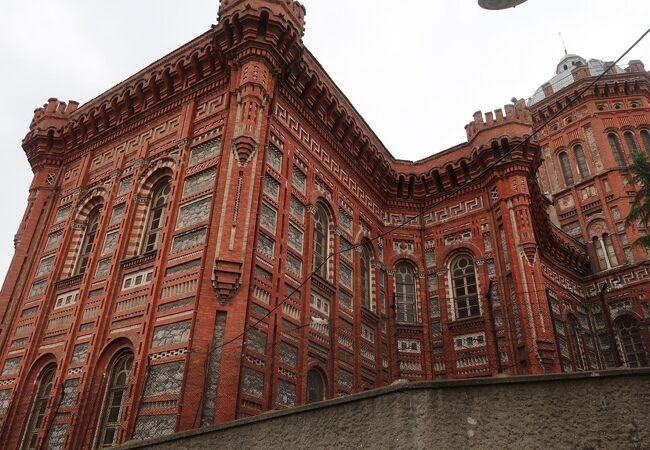
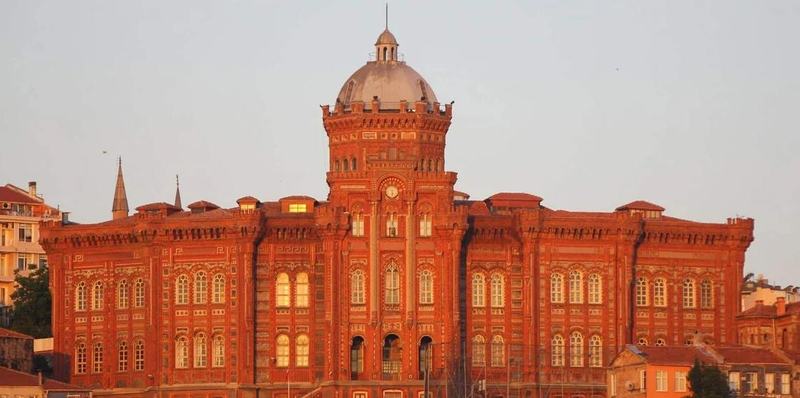
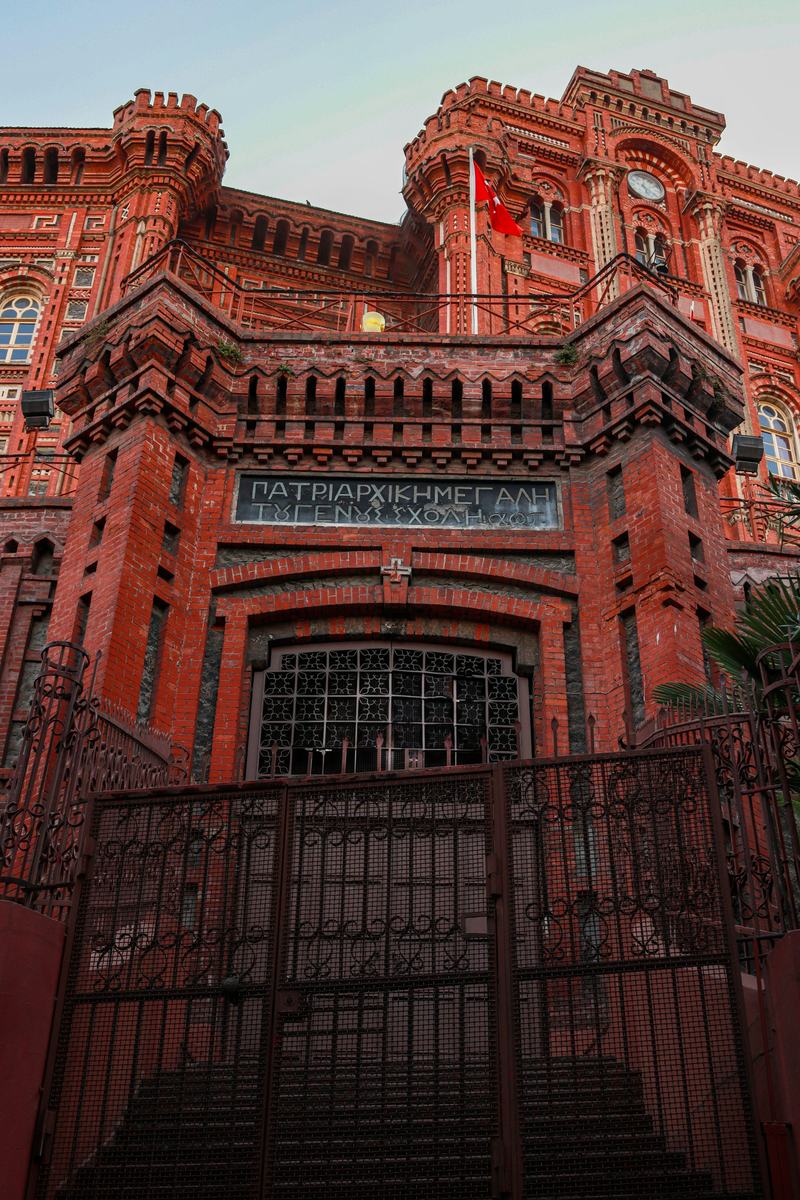
The Fener Greek Orthodox College is renowned for its striking and distinctive architecture. Constructed between 1881 and 1883, the building is often referred to as 'The Red Castle' (Kırmızı Kale) due to its impressive red-brick facade and imposing presence (verified, UNESCO / ICOMOS — Historic Areas of Istanbul). Perched on a hill, its prominent urban position allows it to command panoramic views over the Golden Horn, making it one of Istanbul's most recognizable landmarks. The design, attributed to the Ottoman Greek architect Constantinos Dimadis, combines elements of Neo-Gothic and Neo-Classical styles, reflecting the architectural trends of the late 19th century. Its multi-story structure with numerous windows, intricate brickwork, and towering central dome contributes to its unique visual presence, standing out vividly against the surrounding historic urban fabric of Fener: Istanbul's Historic Greek Quarter.
Practical Information
Location: Balat, Sancaktar Yokuşu Sok. No: 36, Fatih, Istanbul.
Opening hours: Not regularly open to the public. The building is an active school, and public access is generally limited to special events or occasions.
Admission: No standard admission ticket. There is no regular museum-style visitor admission.
Visitor access: Visitors should not enter the school grounds without prior permission. If you want to see the building, the exterior and surrounding streets provide excellent views.
Accessibility: The school is located on the steep, historic streets of Fener/Balat. The surrounding area includes stairs, slopes and uneven pavement, so visitors with limited mobility may find access challenging.
Photography: Exterior photography from public streets is generally possible. Photography inside the school or on school grounds requires permission.
Best time to visit: Daytime, when natural light brings out the details of the red-brick façade. Early morning can also provide a quieter experience around Fener.
Visit duration: Around 15–30 minutes for the exterior and surrounding area.
Public transport: The area can be reached by bus and by walking from the Fener/Balat waterfront. The historic streets around the school are best explored on foot.
Tip: The institution traces its history to 1454, shortly after the Ottoman conquest of Constantinople. The monumental red-brick building seen today was constructed in the late 19th century and became one of Fener's most recognizable landmarks.
Neighborhood: Fener: Istanbul's Historic Greek Quarter
Frequently asked questions
What is the Fener Greek Orthodox College?
The Fener Greek Orthodox College, known in Turkish as Fener Rum Lisesi, is a prominent educational institution in Istanbul's historic Fener: Istanbul's Historic Greek Quarter neighborhood, serving the city's Greek Orthodox community.
What is the significance of its location?
The college is strategically located on a hill overlooking the Golden Horn in Fener: Istanbul's Historic Greek Quarter, providing a commanding visual presence and symbolizing its central role within the historic Greek quarter, close to the Ecumenical Patriarchate.
What is unique about its architecture?
The college is famous for its distinctive red-brick facade, often called 'The Red Castle' (Kırmızı Kale). Built between 1881 and 1883, its design blends Neo-Gothic and Neo-Classical styles, making it a prominent landmark on the Istanbul skyline.
What role has the college played in the Greek community?
It has historically been a vital center for education, intellectual life, and the preservation of Greek cultural identity, language, and Orthodox traditions for Istanbul's Greek Orthodox community, maintaining close ties with the Ecumenical Patriarchate.
How has its role changed over time?
While it continues to operate, the college's student body and its connection to the immediate surrounding neighborhood reflect the significant demographic shifts and the reduced Greek population in Istanbul since the early 20th century.
Who was the architect of the Fener Greek Orthodox College?
The building's design is attributed to the Ottoman Greek architect Constantinos Dimadis, combining elements of Neo-Gothic and Neo-Classical styles.
Is the college still active today?
Yes, the Fener Greek Orthodox College continues to function as an educational institution, though its operations have adapted to the contemporary context of Istanbul's Greek community.