Places
Galata Mevlevi Lodge: A Center of Sufi Culture in Istanbul
Overview
The Galata Mevlevi Lodge (Galata Mevlevihanesi) stands as a significant historical and cultural site nestled in the vibrant district of Galata: Istanbul's Historic Genoese Quarter. As the first Mevlevi dervish lodge (tekke) established in Istanbul, it has served for centuries as a center for the Mevlevi order, a Sufi tradition rooted in the teachings of the 13th-century poet and mystic, Mevlana Jalal ad-Din Muhammad Rumi. Today, it functions as a museum and cultural hub, offering visitors a window into Mevlevi philosophy, music, and the profound ritual of the sema ceremony. Its preserved architectural complex and tranquil atmosphere reflect its enduring spiritual legacy, distinct from a generic spiritual tourism narrative.
History
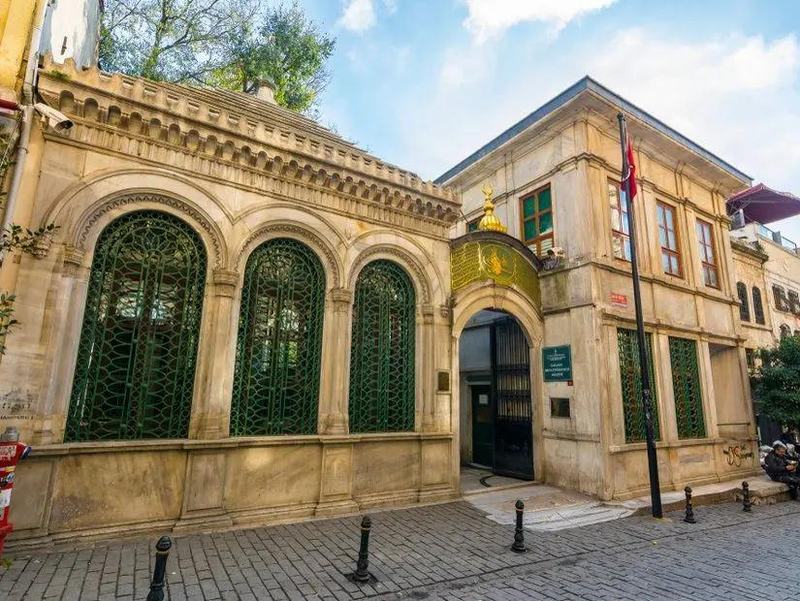
The Galata Mevlevi Lodge was established in 1491, making it Istanbul's earliest Mevlevi tekke (Sufi lodge). For over four centuries, it was a living center where Mevlevi dervishes (members of the Mevlevi order) resided, studied, and practiced their spiritual path. The Mevlevi tradition, founded by the followers of Mevlana Jalal ad-Din Muhammad Rumi, emphasizes universal love, tolerance, and the direct experience of the divine through spiritual discipline. The lodge's role extended beyond religious practice; it became a nexus for literature, music, and calligraphy, attracting many scholars, poets, and artists. This cultural vibrancy was particularly significant given its location in Galata: Istanbul's Historic Genoese Quarter, a historically diverse and cosmopolitan neighborhood known for its melting pot of cultures and religions. This fostered a unique interaction between the Mevlevi order and the wider urban fabric of Istanbul. The core of Mevlevi practice centers on the sema ceremony, a ritual often referred to as the 'whirling dervish' ceremony. The sema is not merely a performance, but a spiritual journey of the soul's ascent through mind and love to union with the divine.
It involves specific musical compositions, chanting, and the iconic whirling movements performed by semazens (whirling dervishes), symbolizing the rotation of the universe and the human being's return to God. Each element, from the black cloak representing the grave to the white skirt signifying the shroud, and the removal of the cloak as a rebirth, carries deep symbolic meaning within the Mevlevi philosophy. With the establishment of the Turkish Republic, all Sufi lodges, including the Galata Mevlevi Lodge, were closed down in 1925 as part of secularization reforms. The site underwent a period of disuse and eventual restoration. In 1975, it was re-opened as the Divan Literature Museum, focusing on classical Ottoman poetry and culture. Later, its purpose shifted, and it became the Galata Mevlevi Museum (Galata Mevlevihanesi Müzesi), dedicated to preserving and showcasing Mevlevi culture, artifacts, and continuing to host sema ceremonies as a cultural presentation rather than purely religious practice. This transformation allows the public to engage with the rich heritage of the Mevlevi order while respecting the secular laws of the Republic.
Architecture
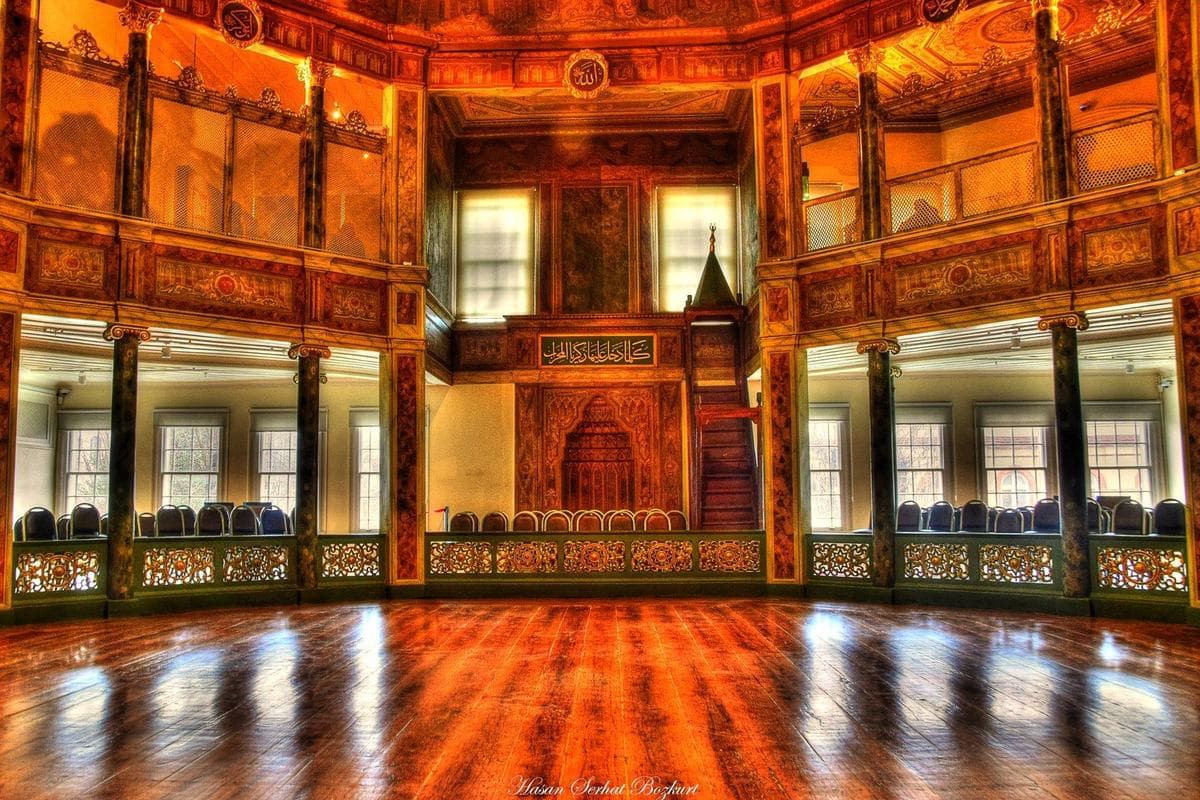
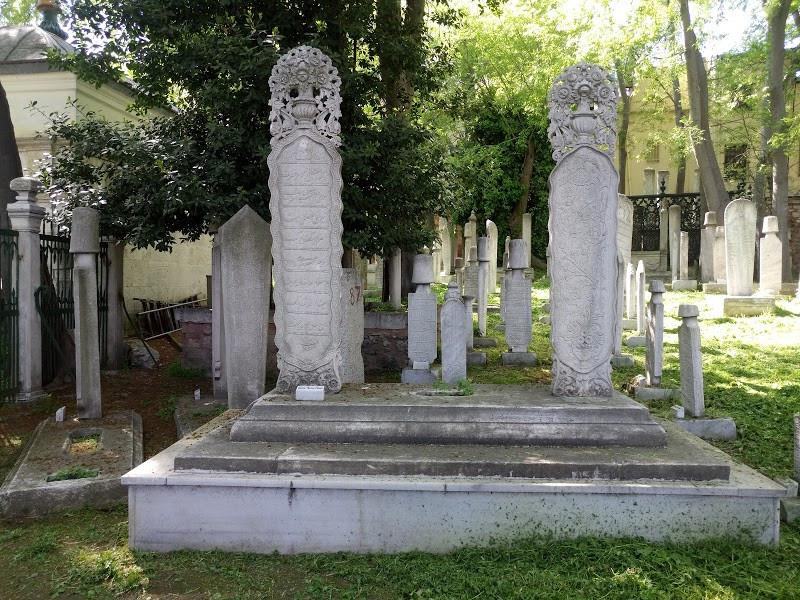
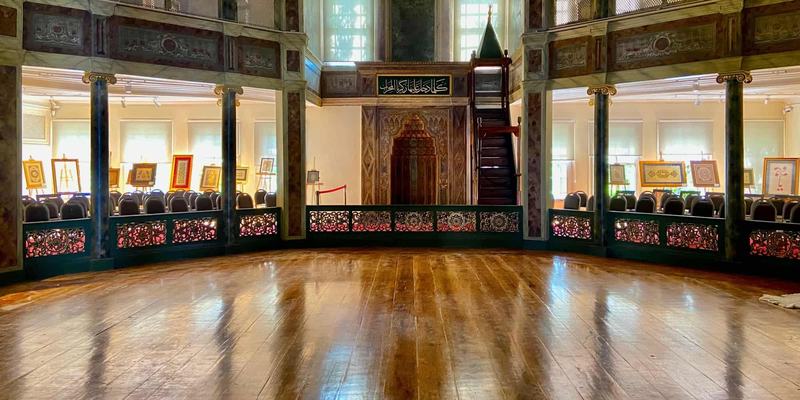
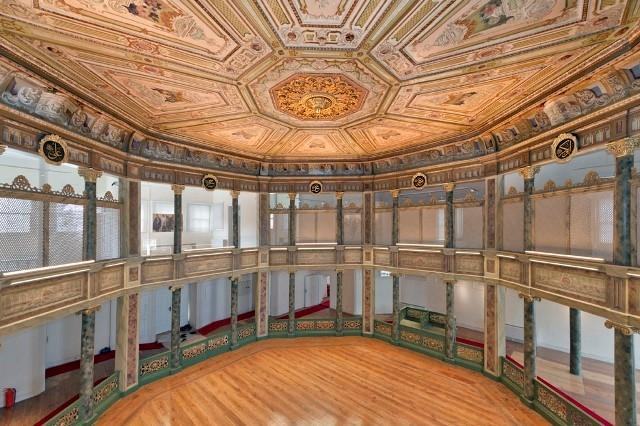
The architectural complex of the Galata Mevlevi Lodge is a testament to traditional Ottoman tekke design, centered around the semahane (ritual hall) where the sema ceremony takes place. The semahane is typically a spacious, often circular or octagonal hall, designed to accommodate the whirling dervishes and the spectators. Surrounding this central space are various functional buildings that supported the life of the dervishes and the lodge's activities. These include the dervish cells, where the dervishes lived and meditated; the matbah (kitchen), which was not only for preparing food but also served as a training ground for new dervishes; and administrative offices. A significant part of the complex is the türbe (mausoleum), housing the tombs of several Mevlevi sheikhs (leaders of the lodge) and prominent dervishes, alongside a historic cemetery. The tombstones within the cemetery often bear distinctive Mevlevi dervish headgear, reflecting the spiritual identity of those interred. The complex also features a sarnıç (cistern), a şadırvan (ablution fountain), and other associated service areas, all contributing to the self-sufficient nature of the historic lodge.
Practical Information
Location: Şahkulu Mahallesi, Galip Dede Caddesi No: 15, Tünel, Beyoğlu, Istanbul.
Opening hours: 09:00–19:00, Tuesday–Sunday. Closed on Mondays. The ticket office closes at 18:00.
Admission: Paid admission. Museum Pass Turkey is valid for Turkish citizens through Müzekart.
Visit duration: Allow around 45–60 minutes to explore the museum, semahane, dervish cells, tombs and courtyard.
Accessibility: The complex is a historic religious site with multiple buildings, courtyards and traditional architectural elements. Full wheelchair accessibility should not be assumed throughout the site. Visitors with mobility limitations should check accessibility arrangements before visiting.
Photography: Photography rules may vary within the museum. Visitors should follow on-site instructions, particularly around religious and memorial spaces. Professional photography requires museum permission.
Best time to visit: Weekday mornings are generally a good choice for a quieter visit. If you're particularly interested in Sema ceremonies or cultural events, check the museum's current event schedule before visiting.
Public transport: The lodge is in Tünel, at the upper end of İstiklal Avenue, and is easily reached from the historic Galata area on foot.
What to see: The museum includes the Semahane, dervish cells, calligraphy, musical instruments, Mevlevi objects, Sheikh Galip's Tomb, Halet Efendi's Tomb, the sebil and the historic cemetery.
Tip: Galata Mevlevi Lodge was founded in 1491 during the reign of Sultan Bayezid II and is regarded as Istanbul's oldest Mevlevi lodge. The present complex took its later form after fires and subsequent rebuilding, particularly during the 18th and 19th centuries.
Neighborhood: Galata: Istanbul's Historic Genoese Quarter
Frequently asked questions
What is the Galata Mevlevi Lodge?
The Galata Mevlevi Lodge (Galata Mevlevihanesi) is the oldest Mevlevi dervish lodge in Istanbul, founded in 1491. It served as a spiritual and cultural center for the Mevlevi order, a Sufi tradition, and now operates as a museum and cultural center showcasing Mevlevi culture, art, and the sema ceremony.
What is the Mevlevi order?
The Mevlevi order is a Sufi (Islamic mystical) order founded in Konya, Turkey, by the followers of Mevlana Jalal ad-Din Muhammad Rumi, a 13th-century Persian poet and theologian. It emphasizes love, tolerance, and a spiritual journey towards divine union, most famously expressed through the sema ceremony.
What is the sema ceremony?
The sema ceremony is a spiritual ritual of the Mevlevi order, often known as the 'whirling dervish' ceremony. It is an active meditation, representing a mystical journey of the soul's ascent to God through love, involving specific music, chanting, and the iconic whirling movements of the semazens (whirling dervishes).
When were Sufi lodges abolished in Turkey?
Sufi lodges, including the Galata Mevlevi Lodge, were abolished in 1925 as part of the secularization reforms implemented during the early Republican period of Turkey.
What is the significance of the Galata Mevlevi Lodge's location?
Located in the historic and cosmopolitan Galata: Istanbul's Historic Genoese Quarter, the lodge's placement allowed it to interact with a diverse cultural and religious landscape. This enriched its cultural output and allowed for the exchange of ideas within Istanbul's vibrant urban environment.
Can I see a sema ceremony at the Galata Mevlevi Lodge today?
Yes, the Galata Mevlevi Lodge, now a museum, continues to host sema ceremonies regularly. These are presented as cultural performances that honor the historical and spiritual legacy of the Mevlevi tradition.
What architectural features are notable at the lodge?
The complex includes the semahane (ritual hall), dervish cells, a matbah (kitchen), a türbe (mausoleum) containing the tombs of Mevlevi sheikhs, and a historic cemetery. These structures collectively supported the life and spiritual practices of the dervishes.
Written by Istanbook Editorial Team