Places
Galata Tower: Istanbul's Enduring Sentinel
Overview
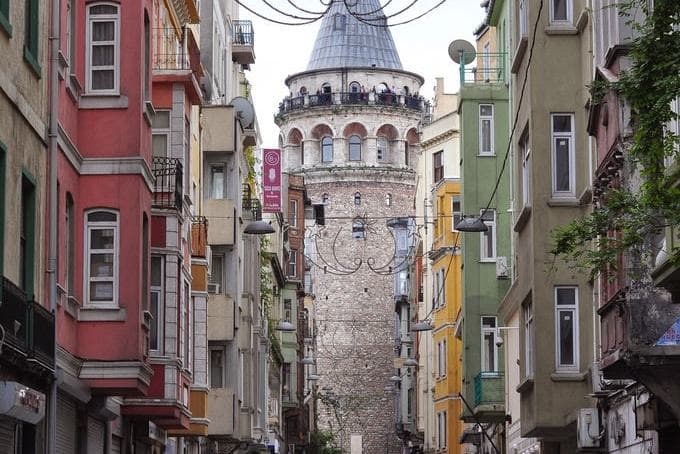
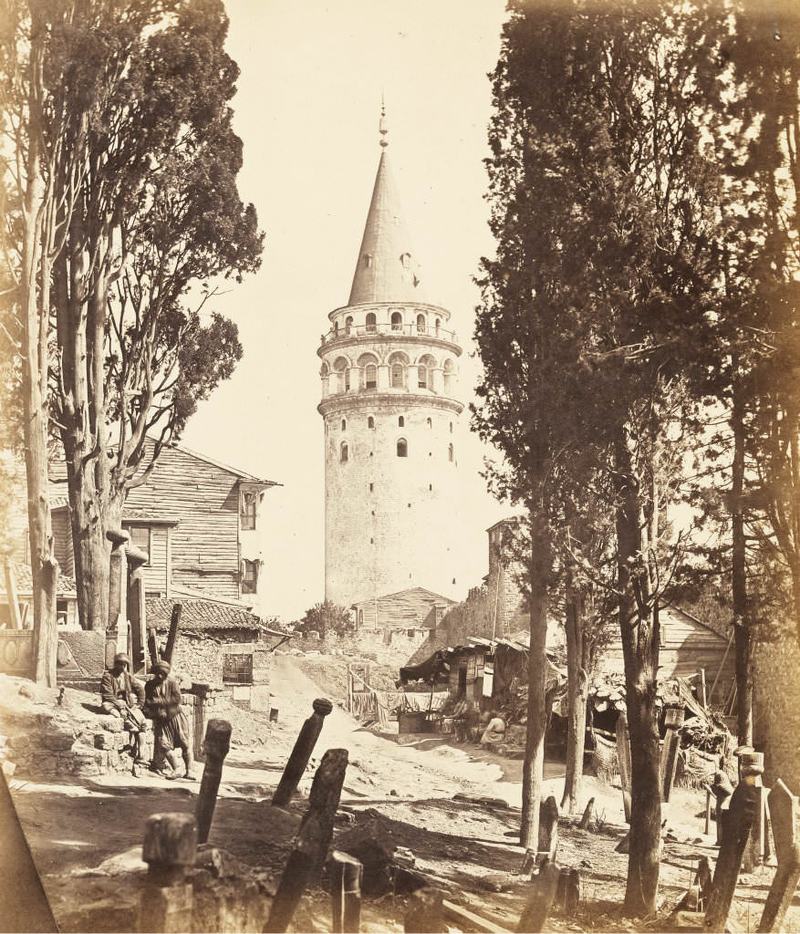
Rising majestically over the Golden Horn, the Galata Tower (Galata Kulesi) stands as one of Istanbul's most iconic landmarks, a cylindrical stone edifice that has watched over the city's tumultuous history for centuries. Its commanding presence on the skyline of the Galata: Istanbul's Historic Genoese Quarter neighborhood embodies a rich tapestry of cultural exchange and urban development, serving as a silent witness to the city's transformations from Byzantine outpost to Ottoman imperial capital and modern metropolis. The tower is not merely a vantage point but a historical artifact, reflecting Istanbul's layered past and its enduring identity as a crossroads of civilizations.
History
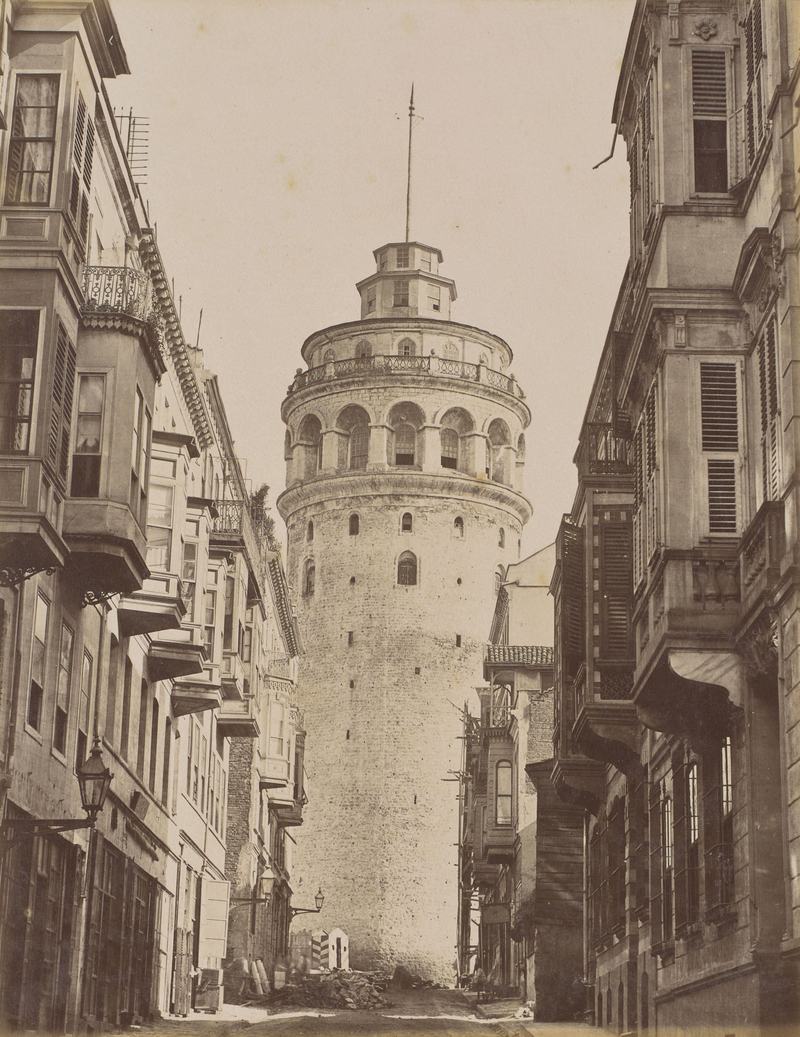
The origins of the Galata Tower trace back to the medieval period, specifically to the Genoese trading colony established across the Golden Horn from Constantinople. Originally known as the Christea Turris, or the 'Tower of Christ,' it was constructed in 1348 by the Genoese as a key component of their fortified settlement in Galata: Istanbul's Historic Genoese Quarter. This defensive structure served to protect their commercial interests and provided a strategic overlook for monitoring maritime traffic entering and exiting the port.
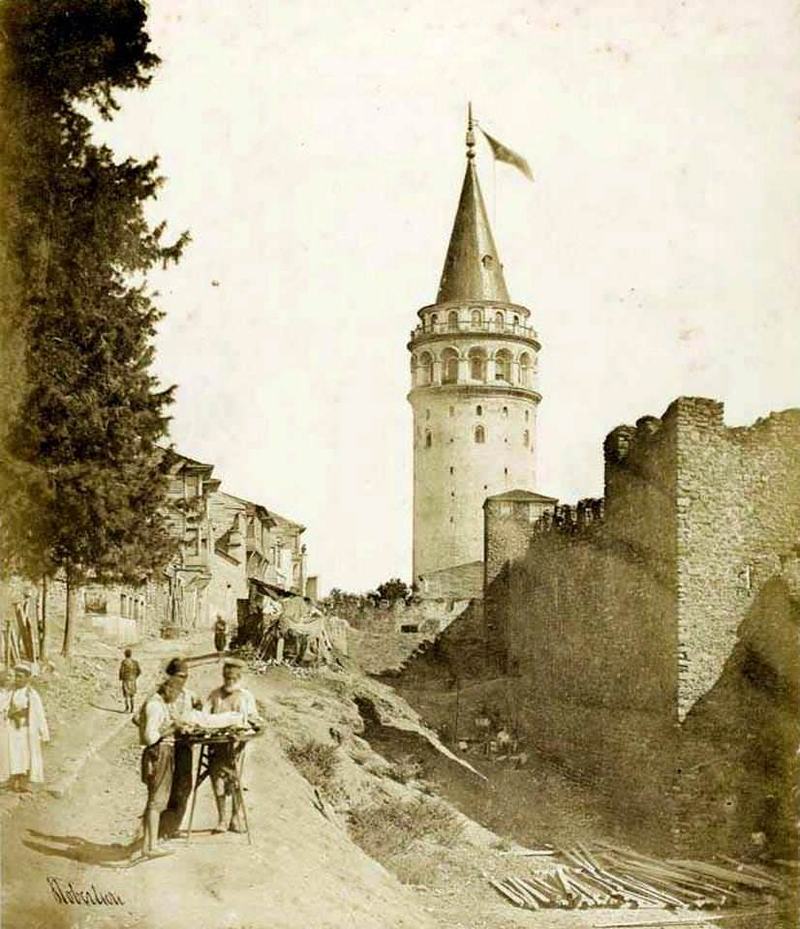
After the Ottoman conquest of Constantinople in 1453, the tower underwent significant transformations. Initially used as a prison, it later found a crucial role in urban administration, primarily as a fire observation tower. Given Istanbul's historic vulnerability to devastating fires, lookouts stationed in the tower would signal the location of outbreaks, alerting the city's fire brigades. This function continued for centuries, making the tower an integral part of the city's safety infrastructure. Throughout the Ottoman period, the tower was subjected to several repairs and reconstructions, particularly after earthquakes and fires, which altered its appearance, most notably replacing its conical cap at various points. The tower also briefly served as an astronomical observatory in the 16th century under Sultan Murad III, before being converted back to a fire watchtower. One of the most famous, albeit legendary, stories associated with the Galata Tower is that of Hezarfen Ahmed Çelebi. According to the Ottoman traveler Evliya Çelebi's Seyahatnâme (Book of Travels), Hezarfen achieved intercontinental flight in the 17th century by strapping wings to himself and gliding from the tower across the Bosphorus to Üsküdar. While celebrated in popular culture as a pioneering aviator, this account largely exists within the realm of legend and lacks independent historical corroboration beyond Evliya Çelebi's writings. The tower's role as a navigational beacon also evolved with the expanding city, its prominent silhouette guiding ships through the Bosphorus and Golden Horn.
Architecture
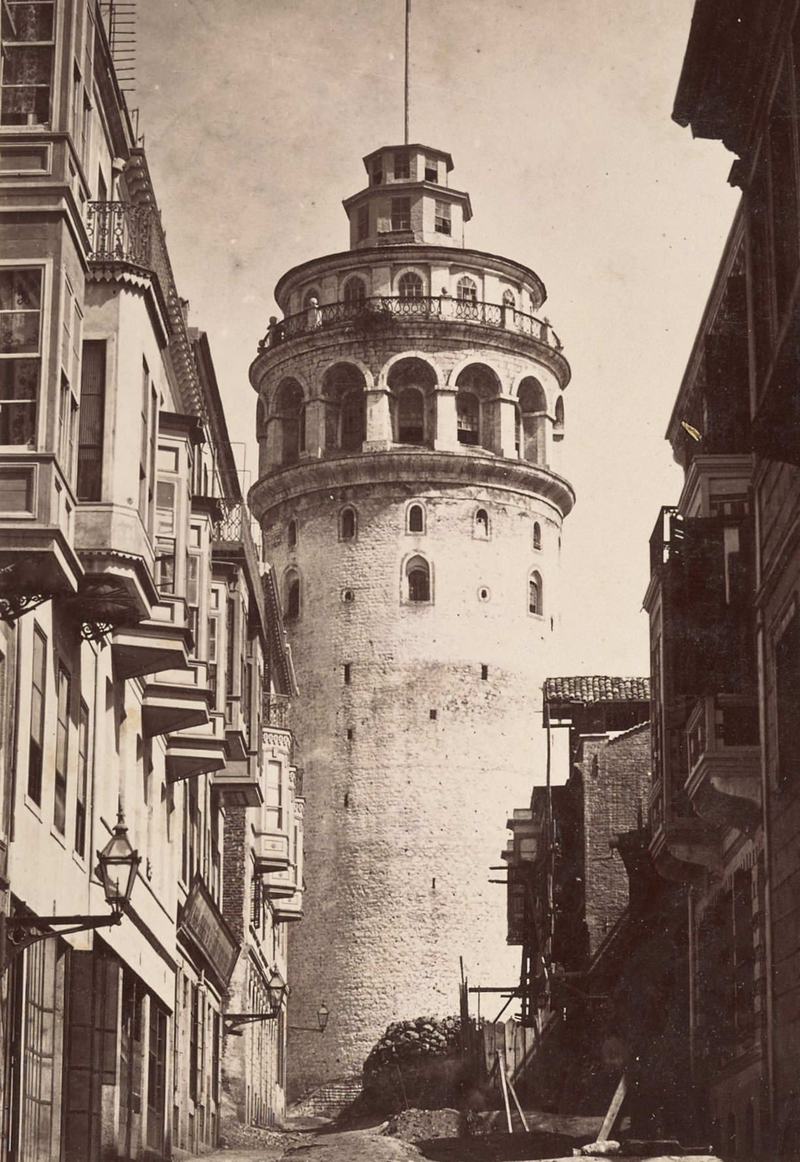
The Galata Tower's architectural form is defined by its robust cylindrical stone structure, culminating in a distinctive conical cap. Constructed primarily from rough-hewn stone, its imposing mass reflects its original purpose as a defensive bastion. The tower reaches a height of approximately 67 meters (about 220 feet) above ground level, offering panoramic views that encompass the historic peninsula, the Bosphorus, and the Asian side of Istanbul. Its prominent location atop a hill in the Galata: Istanbul's Historic Genoese Quarter neighborhood ensures its visibility from many parts of the city, making it a crucial element of Istanbul's iconic skyline. The upper levels feature a balcony that encircles the tower, providing an unimpeded vista and reinforcing its function as an observation point. Internally, the tower's structure has been adapted over centuries to accommodate its various uses, from prison cells to a fire station command center, and ultimately to a public viewing platform.
Neighborhood: Galata: Istanbul's Historic Genoese Quarter
Frequently asked questions
When was the Galata Tower built and by whom?
The Galata Tower, originally known as Christea Turris (Tower of Christ), was built in 1348 by the Genoese, who had established a trading colony in the area now known as Galata: Istanbul's Historic Genoese Quarter.
What was the original purpose of the Galata Tower?
Its original purpose was primarily defensive, serving as a key fortification within the Genoese settlement of Galata: Istanbul's Historic Genoese Quarter, protecting their commercial interests and providing a strategic lookout over the Golden Horn.
How did the Galata Tower's function change after the Ottoman conquest?
After the Ottoman conquest, the tower was used for various purposes, including a prison, an astronomical observatory, and, most notably, a fire observation tower. This role was crucial for centuries due to Istanbul's vulnerability to fires.
Is the story of Hezarfen Ahmed Çelebi's flight from the tower true?
The story of Hezarfen Ahmed Çelebi's flight from the Galata Tower is a famous legend recounted by the Ottoman traveler Evliya Çelebi. While it is a beloved tale in Turkish culture, it lacks independent historical corroboration and is generally regarded as a legend.
What is the architectural style of the Galata Tower?
The Galata Tower is characterized by its robust cylindrical stone construction, topped with a conical cap. Its design reflects medieval defensive architecture, adapted through various reconstructions over the centuries.
What is the significance of the Galata Tower in Istanbul's skyline?
The Galata Tower is one of Istanbul's most prominent landmarks, offering panoramic views of the historic peninsula, the Golden Horn, and the Bosphorus. Its distinctive silhouette is an iconic part of the city's identity and skyline.
What neighborhood is the Galata Tower located in?
The Galata Tower is located in the historic Galata: Istanbul's Historic Genoese Quarter neighborhood, which is part of modern-day Beyoğlu district.