Places
Istanbul Archaeological Museums: A Crossroads of Ancient Civilizations
Overview
The Istanbul Archaeological Museums complex, nestled within the historical heart of Sultanahmet: Istanbul's Imperial Heart, represents a foundational institution in Turkey's cultural landscape. As one of the world's largest and most significant museums, it houses an unparalleled collection spanning millennia, reflecting Istanbul's pivotal role as a nexus of diverse civilizations. Its origins lie in the late Ottoman Empire's burgeoning interest in preserving its rich heritage, evolving from a modest imperial collection to a sprawling complex that chronicles the material culture of the ancient Near East, Anatolia, Greece, and Rome. It stands as a testament to the systematic development of archaeology and museum culture in the region.
History
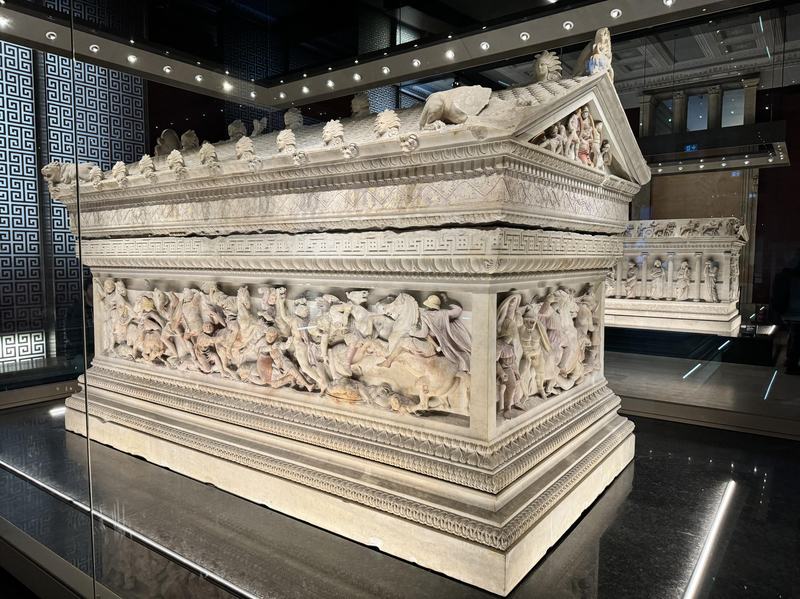
The genesis of the Istanbul Archaeological Museums traces back to the mid-19th century, a period when the Ottoman Empire began to formalize its efforts in cultural heritage preservation. The first collection of antiquities was established in 1869 within the Church of Hagia Irene: Istanbul's Ancient Imperial Church of Holy Peace, located near Topkapı Palace: Center of the Ottoman Empire. This initiative, driven by a growing awareness among Ottoman intellectuals and administrators of the value of historical artifacts, marked the beginning of a modern museum culture in Istanbul. The true turning point, however, came with the appointment of Osman Hamdi Bey as its director in 1881. Under his visionary leadership, the museum underwent a dramatic transformation. Osman Hamdi Bey, a painter, archaeologist, and intellectual, not only expanded the collection through systematic archaeological excavations across the Ottoman lands but also championed the construction of a dedicated museum building. He famously excavated sites such as Nemrut Dağı and Sidon, bringing significant artifacts, including the sarcophagi from the Necropolis of Sidon, to Istanbul. His efforts culminated in the establishment of the Imperial Museum (Müze-i Hümayun), which eventually evolved into the current archaeological complex. The museum's development during the late Ottoman period reflected a broader shift towards modernization and the assertion of a national identity rooted in the diverse historical layers of the empire. The systematic collection and study of artifacts from various civilizations underscored Istanbul's historical position as a city where different cultures converged, a narrative actively shaped and presented by the museum.
Architecture
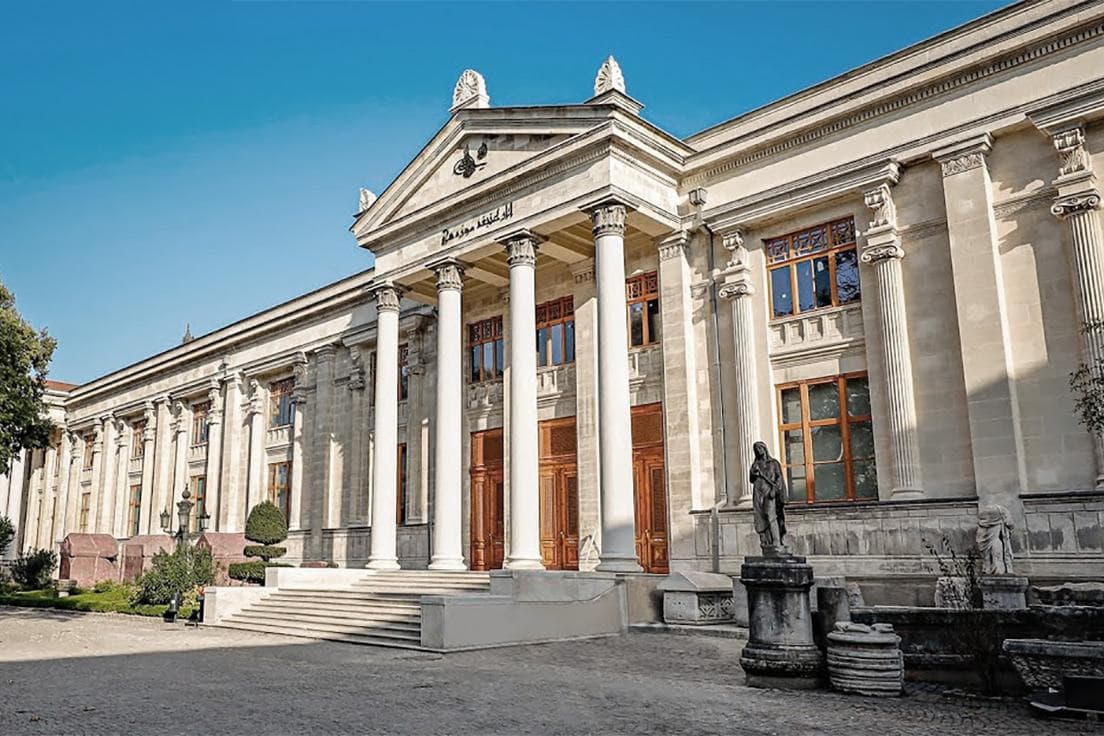
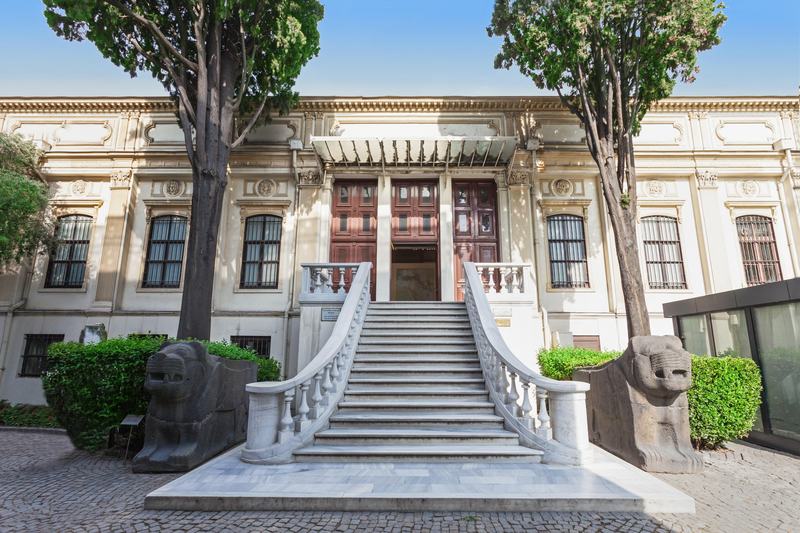
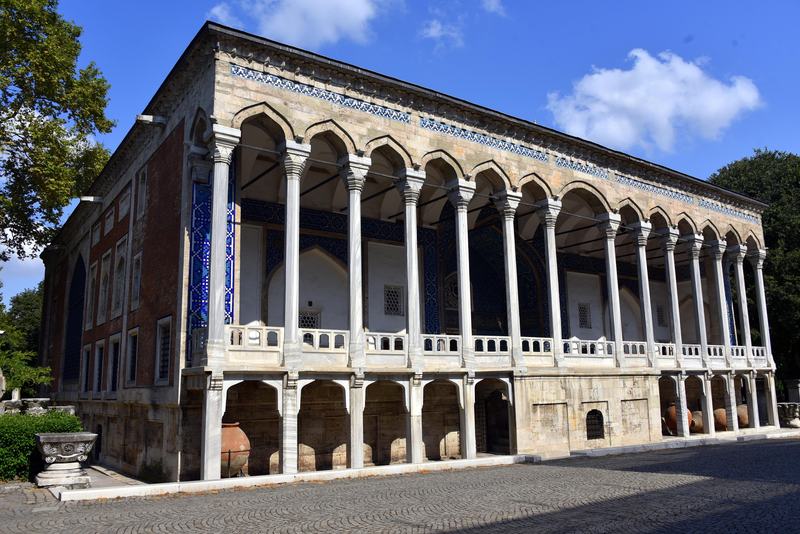
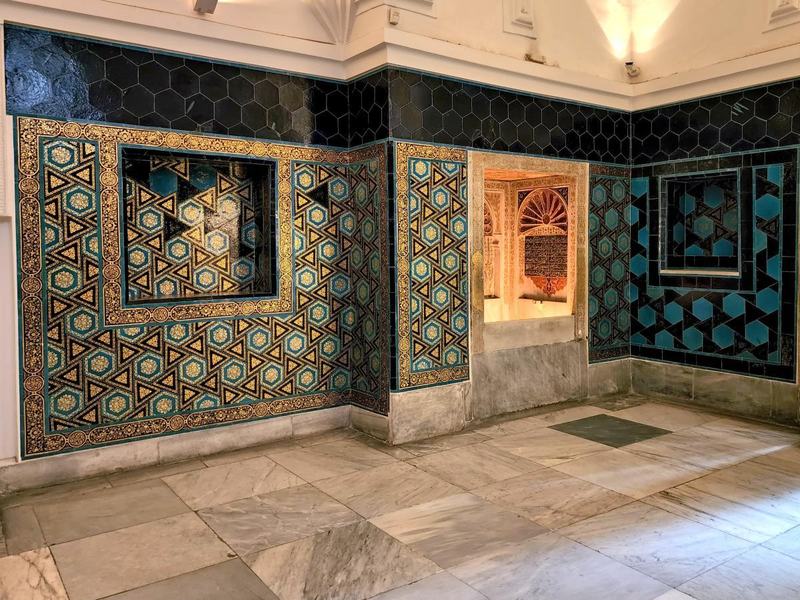
The Istanbul Archaeological Museums complex is a remarkable architectural ensemble, featuring three main buildings: the Archaeological Museum, the Museum of the Ancient Orient (Eski Şark Eserleri Müzesi), and the Tiled Kiosk Museum (Çinili Köşk Müzesi). The main Archaeological Museum building, designed by Osman Hamdi Bey himself, is a prominent example of neo-classical architecture, completed in stages between 1891 and 1908. Its grand façade, adorned with intricate reliefs and inscriptions, reflects the institutional ambition to create a structure worthy of its imperial collections. The building's design emphasizes symmetry and classical motifs, providing a dignified setting for the display of ancient treasures. Adjacent to this, the Museum of the Ancient Orient, originally built in 1883 as the School of Fine Arts, was later converted to house artifacts from Mesopotamia, Egypt, and the Arabian Peninsula. Its more austere appearance contrasts with the main building, yet it complements the overall aesthetic of the complex. The oldest structure within the complex is the Tiled Kiosk (Çinili Köşk), dating back to 1472. This exquisite example of early Ottoman civil architecture was commissioned by Sultan Mehmed II and showcases Seljuk influences with its distinctive iwan façade and rich ceramic tile decorations. It was initially part of the outer gardens of Topkapı Palace: Center of the Ottoman Empire and served as a pleasure pavilion before being converted into a museum space. The entire complex is situated within the former imperial gardens, now Gülhane Park, creating a serene and historically rich environment that enhances the visitor's experience.
Practical Information
Location: Alemdar Caddesi, Osman Hamdi Bey Yokuşu, Gülhane, Fatih, Istanbul.
Opening hours: 09:00–18:45, daily. The ticket office also closes at 18:45 according to the current official museum listing.
Admission: Paid admission. The museum is included in MuseumPass Istanbul.
Museum complex: The Istanbul Archaeological Museums consist of three museums: the Archaeological Museum, the Museum of the Ancient Orient and the Tiled Kiosk Museum. Together, their collections contain nearly one million artefacts from different cultures.
Visit duration: Allow at least 2–3 hours if you want to explore the three sections properly.
Accessibility: The complex occupies historic buildings with stairs, different floor levels and uneven surfaces. Full wheelchair accessibility should not be assumed throughout the complex. Visitors with mobility limitations should check current arrangements before visiting.
Current access: Some galleries and exhibition spaces are currently closed to visitors, including several halls in the main museum building and exhibition areas in the additional building. Check the official museum notice before your visit.
Photography: Photography is generally permitted in designated museum areas, but flash, tripods or photography of certain objects may be restricted. Always follow on-site instructions.
Best time to visit: Weekday mornings are generally a good choice for a quieter experience. Because the complex is extensive, arriving early gives you more time to explore.
Public transport: The museum is within walking distance of Gülhane Tram Station on the T1 line and is also close to Topkapı Palace and Hagia Sophia.
Audio guide: Audio guidance is available, according to the official museum listing.
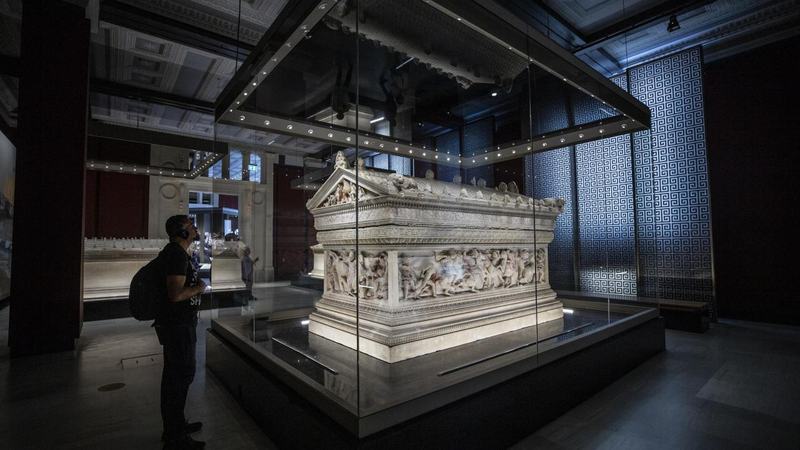
Tip: Don't miss the Alexander Sarcophagus, the Sarcophagus of the Crying Women, ancient Mesopotamian and Egyptian collections, and the historic Tiled Kiosk. The museum itself is also important in the history of Turkish archaeology and museology; its institutional origins go back to the establishment of the Imperial Museum (Müze-i Hümayun) in 1869.
Neighborhood: Sultanahmet: Istanbul's Imperial Heart
Frequently asked questions
When were the Istanbul Archaeological Museums established?
The first collection of antiquities that would evolve into the Istanbul Archaeological Museums was established in 1869, with the main building being constructed under Osman Hamdi Bey's direction starting in 1891 and completed in 1908.
Who was Osman Hamdi Bey and what was his role in the museum's development?
Osman Hamdi Bey was a renowned Ottoman painter, archaeologist, and intellectual who served as the director of the Imperial Museum from 1881. He was instrumental in expanding its collections through systematic excavations and oversaw the construction of the main Archaeological Museum building.
What types of collections are housed in the Istanbul Archaeological Museums?
The museums house extensive collections of artifacts from diverse civilizations and periods, including the ancient Near East (Mesopotamia, Egypt), Anatolia, Greece, Rome, and the wider Mediterranean world.
How many main buildings comprise the Istanbul Archaeological Museums complex?
The complex consists of three main buildings: the Archaeological Museum, the Museum of the Ancient Orient, and the Tiled Kiosk Museum.
What is the significance of the Tiled Kiosk Museum?
The Tiled Kiosk Museum is the oldest structure within the complex, dating to 1472, and is an exquisite example of early Ottoman civil architecture known for its distinctive iwan façade and rich ceramic tile decorations. It was commissioned by Sultan Mehmed II.
How does the museum reflect Istanbul's historical position?
The museum reflects Istanbul's historical position as a city at the intersection of multiple civilizations by meticulously collecting, studying, and presenting artifacts from a vast array of cultures that have influenced or passed through this region over millennia.
What is the museum's continuing cultural role in modern Istanbul?
In modern Istanbul, the museum continues its vital role as a center for education and research, preserving and showcasing the rich archaeological heritage that informs both national identity and global understanding of ancient civilizations.
Written by Istanbook Editorial Team