Places
Istanbul's Spice Bazaar (Mısır Çarşısı)
Overview
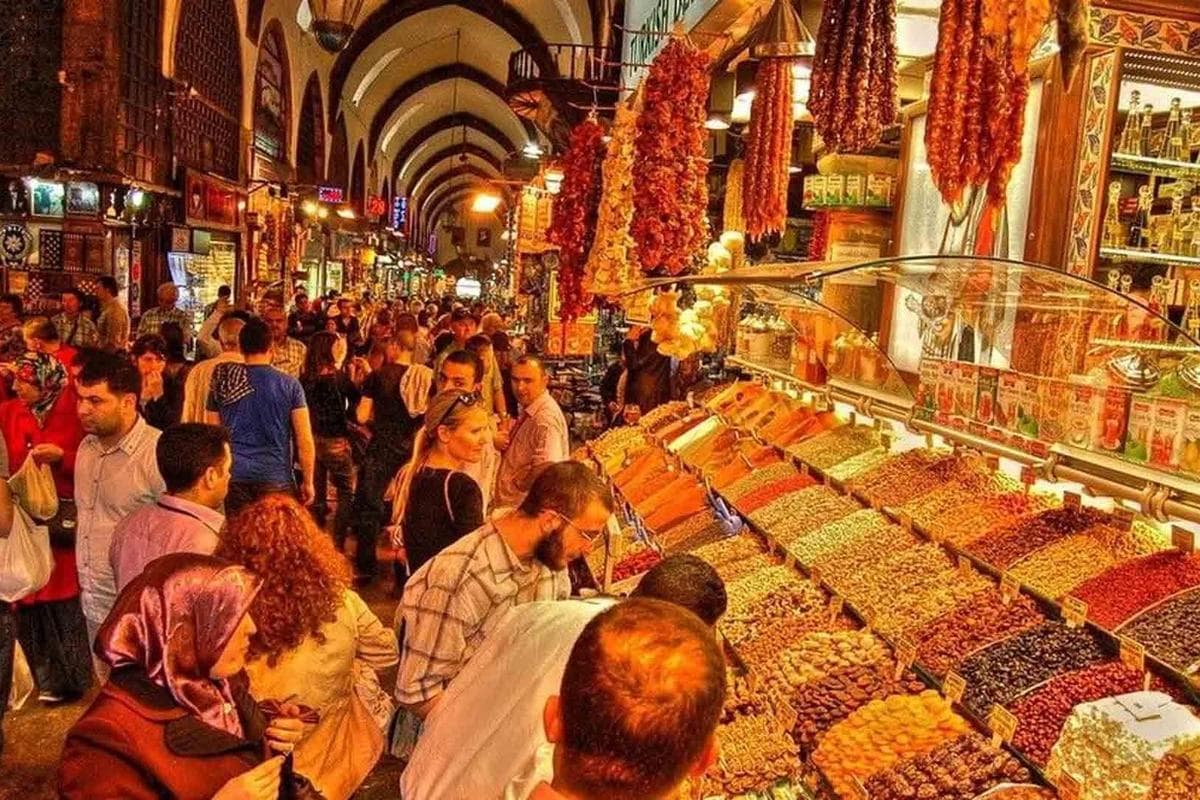
The Spice Bazaar, known in Turkish as Mısır Çarşısı (Egyptian Bazaar), is one of Istanbul's most historic and aromatic covered markets. {"status": "verified"} Situated in the bustling Eminönü: Istanbul's Historic Port and Trading Hub district at the southern end of the Galata Bridge, it stands as a testament to Istanbul's enduring role as a crossroads of global trade. {"status": "verified"} From its vibrant stalls, visitors can experience a sensory tapestry of exotic spices, medicinal herbs, dried fruits, nuts, and traditional Turkish delights. {"status": "verified"} More than just a marketplace, the Spice Bazaar is an integral part of the New Mosque (Yeni Cami) complex, deeply interwoven with the city's religious endowments and commercial history, reflecting centuries of connection between Istanbul and the wider world. {"status": "verified"}
History
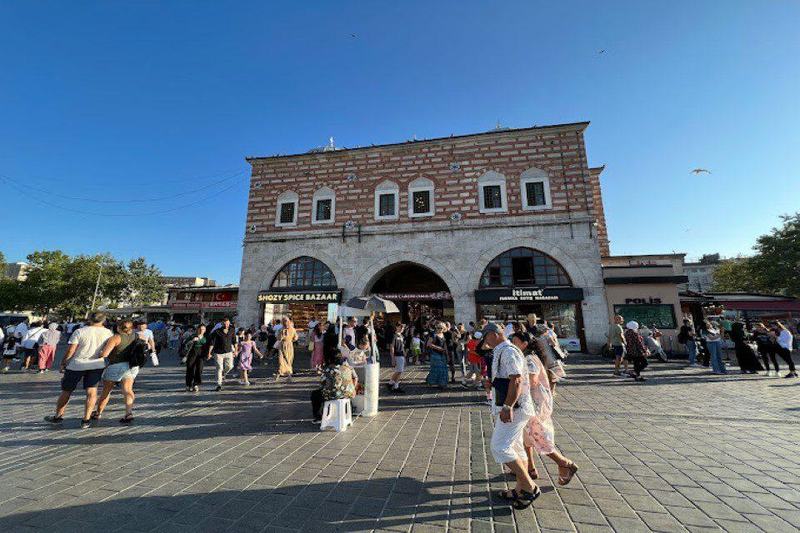
The Spice Bazaar's origins trace back to the mid-17th century, when it was constructed as a charitable endowment (waqf) for the New Mosque (Yeni Cami) complex. {"status": "verified"} Commissioned by Hatice Turhan Sultan, mother of Sultan Mehmed IV, the bazaar was designed to generate revenue through shop rents to fund the upkeep of the mosque and its associated institutions, which included a hospital, a primary school, and public baths. {"status": "verified"} Its Turkish name, Mısır Çarşısı (Egyptian Bazaar), directly references its historical role as a terminal for goods, particularly spices and foodstuffs, shipped from Cairo and other parts of Egypt, which were then distributed throughout Istanbul and onward to Europe. {"status": "verified"} This strategic location, adjacent to the busy port of Eminönü: Istanbul's Historic Port and Trading Hub on the Golden Horn, solidified its position as a vital hub in the Ottoman Empire's extensive trade networks. {"status": "verified"} Over the centuries, the bazaar has endured several fires and subsequent restorations, notably after a major fire in 1697. {"status": "verified"} Despite these challenges, it has consistently maintained its commercial function, adapting to changing economic landscapes while preserving its unique identity as a vibrant center for specialized goods. {"status": "verified"}
Architecture
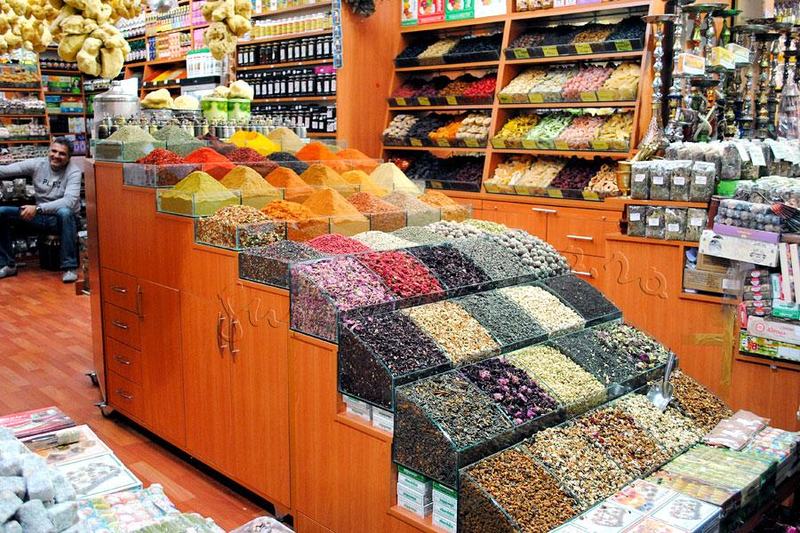
The Spice Bazaar is a distinctive L-shaped structure, characteristic of Ottoman covered markets, featuring vaulted ceilings and numerous domed sections. {"status": "verified"} Constructed predominantly from brick and stone, its robust design was built to withstand the test of time and commerce. {"status": "verified"} The bazaar boasts several entry gates, with the most prominent ones facing the grand New Mosque and leading towards the bustling waterfront of the Golden Horn. {"status": "verified"} Its architecture is not merely functional but also aesthetically integrates with the surrounding New Mosque complex, forming a cohesive urban fabric. {"status": "verified"} Inside, the layout was historically organized to facilitate specific trades, with vendors of similar goods often clustered together, although today the arrangement is more diverse. {"status": "verified"}
Practical Information
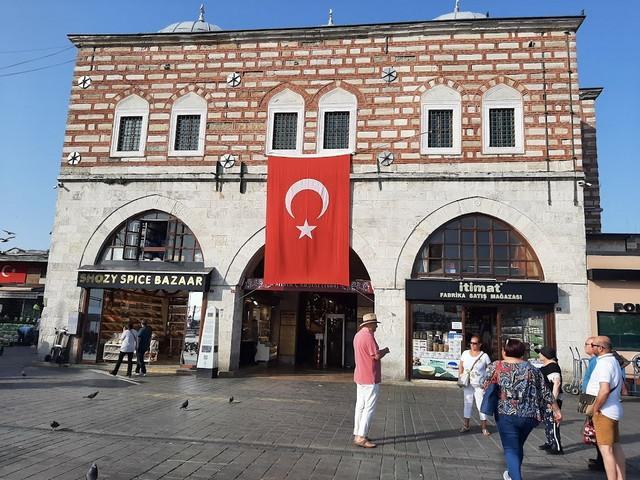
Location: Fatih, Eminönü, Istanbul — adjacent to the New Mosque (Yeni Camii).
Opening hours: Monday–Saturday, 08:00–19:30. Sunday, 09:30–19:00. Opening hours may vary during religious holidays and other special occasions.
Admission: Free. There is no entrance ticket for the bazaar.
Visit duration: Allow around 30–60 minutes for a walk through the main market. If you plan to shop and explore nearby streets, allow 1–2 hours.
Accessibility: The main market corridors are generally relatively flat, but the historic building has uneven flooring and crowded passages, which can make wheelchair access challenging at busy times.
Best time to visit: Weekday mornings are generally quieter. Late morning and afternoon can become quite busy, particularly during the tourist season.
Public transport: The easiest option is the T1 tram to Eminönü, with the bazaar only a short walk from the station. Ferries also arrive at nearby Eminönü piers.
Photography: Photography is generally allowed in the public areas, but ask permission before photographing individual vendors or inside shops.
Shopping: The bazaar is famous for spices, Turkish delight, dried fruits, nuts, tea, coffee, herbs and traditional food products, but you'll also find souvenirs, jewelry and other goods.
Facilities: Cafés, restaurants, ATMs and other visitor services are available in and around the bazaar.
Tip: Despite its English name, the Spice Bazaar isn't only about spices. Its Turkish name, Mısır Çarşısı, is commonly translated as “Egyptian Bazaar.” The market formed part of the New Mosque complex and was traditionally supported by the rental income from its shops.
Nearby: It's perfectly positioned for combining with Yeni Camii, Rüstem Pasha Mosque, Eminönü waterfront and Galata Bridge. This makes it an excellent stop on an Istanbul food-and-history walking route.
Neighborhood: Eminönü: Istanbul's Historic Port and Trading Hub
Frequently asked questions
What is the historical significance of the Spice Bazaar?
The Spice Bazaar was constructed in the 17th century as a waqf (charitable endowment) to generate revenue for the upkeep of the New Mosque and its associated social institutions. {"status": "verified"} It served as a critical hub for global trade, particularly for goods arriving from Egypt and the East. {"status": "verified"}
Why is it called Mısır Çarşısı?
Mısır Çarşısı translates to 'Egyptian Bazaar.' {"status": "verified"} This name reflects its historical role as the primary distribution point for goods, especially spices, that were shipped to Istanbul from Egypt. {"status": "verified"}
What kind of goods were historically traded there?
Historically, the Spice Bazaar was a major center for the trade of spices (such as pepper, cinnamon, saffron), medicinal herbs, essential oils, dried fruits (like figs and apricots), nuts, and other exotic foodstuffs from Asia, India, and North Africa. {"status": "verified"}
How is the Spice Bazaar connected to the New Mosque?
The Spice Bazaar was built as an integral part of the New Mosque (Yeni Cami) complex. {"status": "verified"} Its rents historically provided the financial resources necessary for the maintenance and operations of the mosque and its charitable institutions, forming a symbiotic relationship. {"status": "verified"}
What is the architectural style of the Spice Bazaar?
The Spice Bazaar exhibits a classic Ottoman covered market architectural style. {"status": "verified"} It is an L-shaped structure with high vaulted ceilings and multiple domes, built from brick and stone, designed for commercial activity and integrated with the surrounding urban landscape. {"status": "verified"}
Does the Spice Bazaar still function as a local market or is it purely for tourists?
While it is a popular destination for tourists, the Spice Bazaar continues to serve as an important shopping center for locals in Istanbul. {"status": "verified"} Many residents visit to purchase specialized spices, herbs, traditional medicines, dried foods, and other culinary ingredients. {"status": "verified"}
When was the Spice Bazaar built?
The Spice Bazaar was built in the 17th century, specifically completed around 1660, as part of the New Mosque complex. {"status": "verified"}
What is the English name for Mısır Çarşısı?
The English name for Mısır Çarşısı is commonly 'Spice Bazaar,' reflecting the predominant types of goods, particularly spices, that have been traded there historically and continue to be sold today. {"status": "verified"}
Written by Istanbook Editorial Team