The Day Hagia Sophia's Dome Fell: Constantinople, 558

圣索菲亚穹顶坍塌之日:公元558年的君士坦丁堡

一座恢弘的建筑奇迹,在大地之怒中轰然倒塌,而后浴火重生。

1 min read

The Day Hagia Sophia's Dome Fell: Constantinople, 558
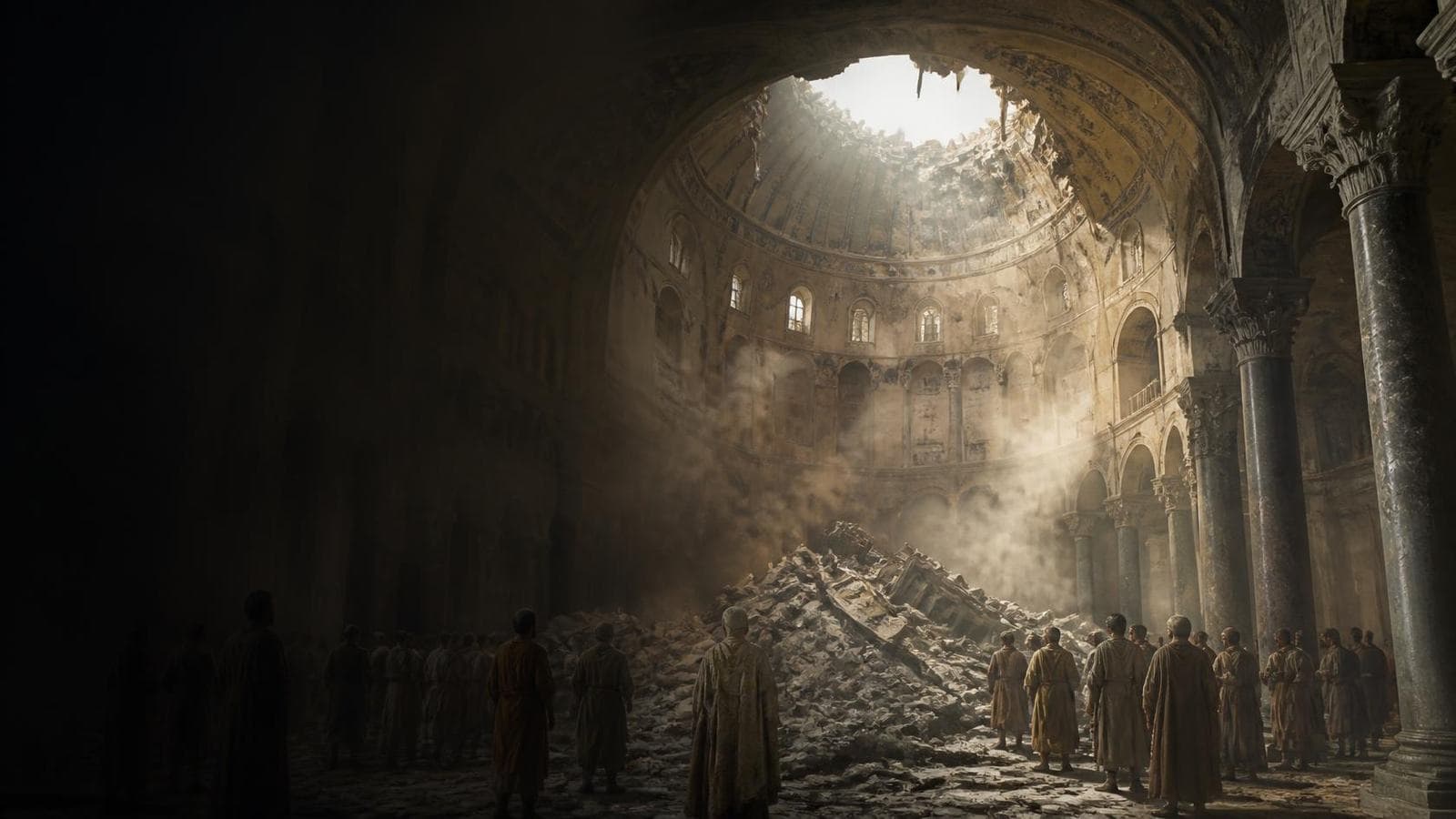
在曾目睹其荣光的天空之下,圣索菲亚巨大的穹顶轰然崩塌,一阵震颤传遍君士坦丁堡的心脏地带。

君士坦丁堡,这座拜占庭帝国的明珠,早已在历经多年动荡后证明了自身的坚韧。它挺过了摧毁大半城区中心的尼卡暴动,也熬过了席卷全城人口的毁灭性瘟疫。然而,一场新的挑战却从脚下的大地深处涌现,威胁着这座城市最神圣的殿堂。

公元6世纪中叶,对君士坦丁堡而言是一个动荡不安的时代。在公元532年尼卡暴动中,此前的一座教堂遭到摧毁后,查士丁尼一世皇帝下令建造圣索菲亚,作为帝国权威与神圣恩宠的象征。这座建筑于公元537年以惊人的速度竣工,其巨大的穹顶堪称前所未有的建筑壮举。然而,这一地区地处活跃地震带,这一时期又频发强烈地震,为日后的结构隐患埋下了伏笔。

Verified

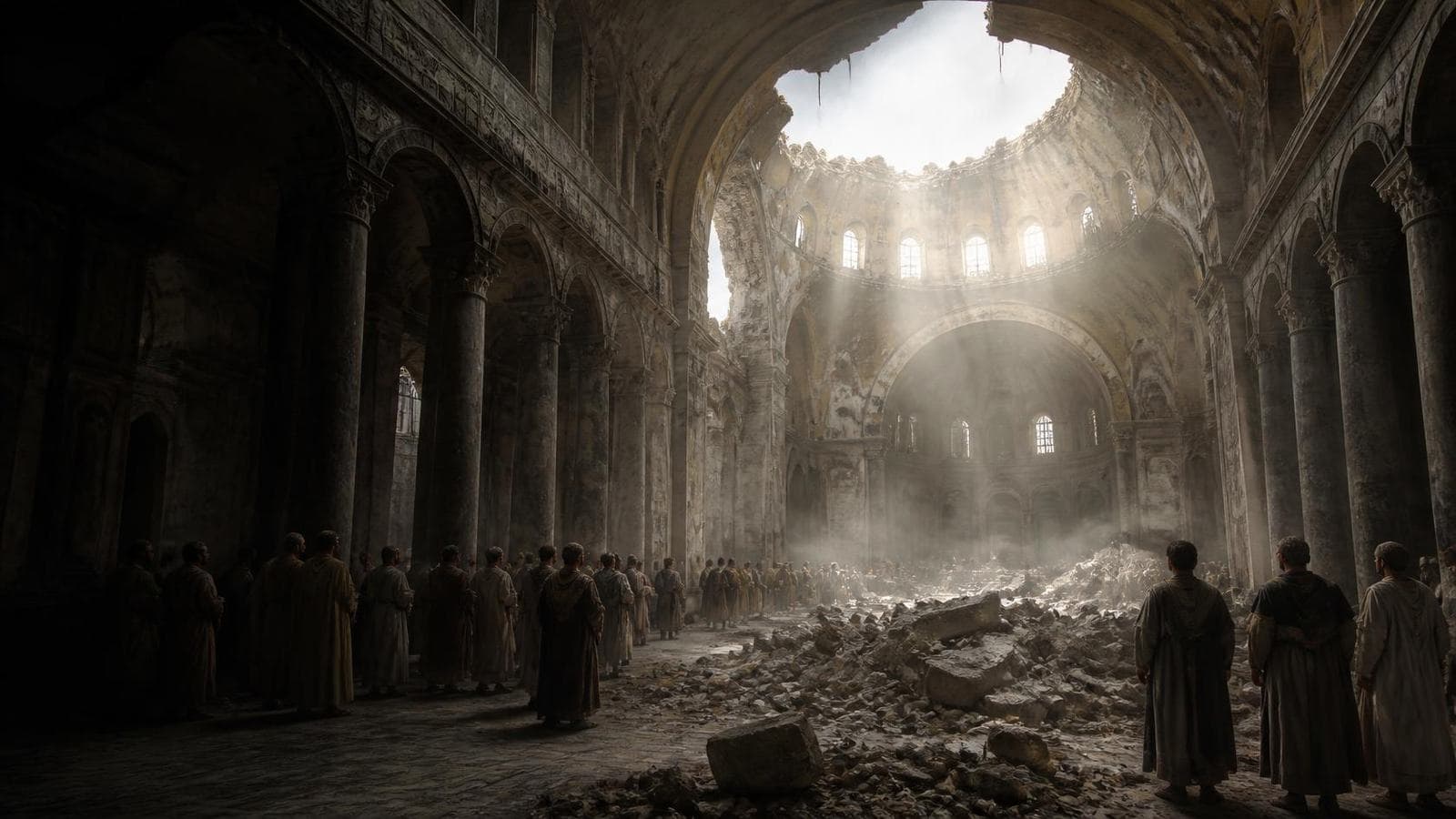
公元558年5月7日,圣索菲亚宏伟的穹顶连同其东侧拱顶一同坍塌。

这场灾难性的事件,是一系列强烈震动累积的结果。公元553年8月的一次大地震,以及557年10月与12月更为剧烈的两次地震,早已使穹顶出现明显的裂缝与损伤。558年5月的最后一次地震带来了致命一击,致使穹顶东半部分坍塌,压垮了下方的祭坛与华盖。

“「苍天似乎也在为这宏伟穹顶的倾塌而落泪,这或许是神明不悦的昭示,又或许只是大地不可阻挡的意志。」”

查士丁尼一世皇帝决心让这座大教堂重现昔日荣光,立即下令重建。这项浩大的工程委托给了小伊西多尔——原建筑师之一米利都的伊西多尔的侄子。小伊西多尔着手进行一次重大的重新设计,力求获得更强的稳定性与耐久性。

Verified

圣索菲亚的新穹顶,比其前身高出约20英尺(约10米),并采用了更为稳固的贝壳状造型设计,配有四十根结构支撑肋。

为减轻重量并提升韧性,新穹顶的建造主要采用了更轻的材料——砖与灰浆。这项雄心勃勃的重建工程最终圆满完成,教堂于公元562年12月24日重新祝圣启用,距坍塌发生仅过去四年半多一点。经过重新设计的穹顶,不仅赋予了这座建筑如今标志性的外观,还使得更多的自然光得以涌入室内——这一特点深受当时的作家们赞誉。

What remains today

如今矗立的圣索菲亚,主体正是公元558年坍塌后重建的结构。它宏伟的穹顶,作为拜占庭智慧与坚韧的见证,历经数个世纪的风雨,依然雄踞于伊斯坦布尔的天际线之上,时刻提醒着人们帝国雄心与自然伟力的双重印记。

People

Justinian IByzantine emperor

Justinian I was a Byzantine emperor who reigned from 527 to 565 CE. Born Petrus Sabbatius to peasant parents in Tauresium, Dardania, he was brought to Constantinople (modern-day Istanbul, Turkey) by his uncle, Emperor Justin I, for education and military training, later adopting the name Justinianus. He became sole emperor after his uncle's death in 527 CE. Justinian I is significant for his profound impact on Constantinople through extensive urban development, including commissioning the construction of the Hagia Sophia (built between 532 and 537 CE) and the Basilica Cistern. His reign also saw the monumental codification of Roman law, known as the "Corpus Juris Civilis," which influenced legal systems for centuries. He promoted trade and experienced the widespread devastation of the Plague of Justinian, which afflicted Constantinople starting in 542 CE.

Cultures

Byzantine Greeks

The term "Byzantine Greeks" refers to the inhabitants of the Byzantine Empire, also known as the Eastern Roman Empire. These individuals considered themselves "Romans" and their culture integrated the legal and administrative traditions of the Roman Empire with the Greek language and other Greek cultural elements. The empire was largely Greek-speaking and served as the spiritual center of the Orthodox religion. The Byzantine Greeks are profoundly important to Istanbul, as the city, then known as Constantinople, served as their capital for over a thousand years.

The City Is Made of Neighborhoods

Stories of Istanbul

Written by Istanbook Editorial Team · Last updated 2026年9月6日

Sources (4)