The Day Constantinople Burned: The Nika Riots of 532

コンスタンティノープルが燃えた日:532年のニカの乱

炎に包まれた都市、皇后の決意

1 min read

The Day Constantinople Burned: The Nika Riots of 532
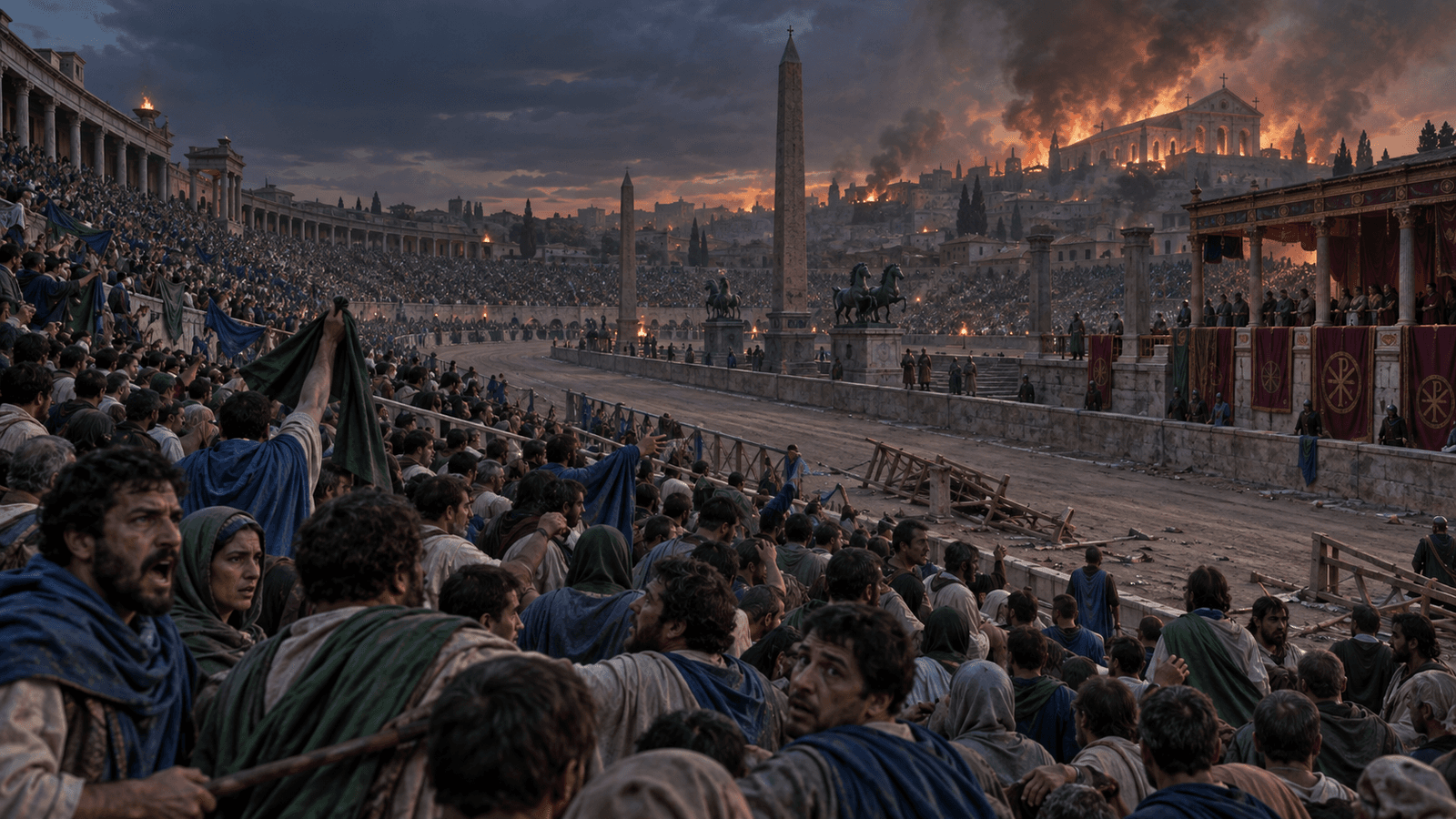
コンスタンティノープルの街路に、たった一つの猛々しい叫びがこだましていた。「ニカ!」――勝利を、と。だがそれは祝祭の声ではなかった。都市が自らを引き裂いていく音だった。

532年1月に起きたニカの乱は、コンスタンティノープルの歴史上もっとも壊滅的な内乱の一つとされる。この一週間にわたる蜂起は皇帝ユスティニアヌス1世の治世そのものを脅かし、都市のその後を大きく左右した。

この暴力の噴出の背後には、ユスティニアヌス政権に対する民衆の根深い不満があった。重税と、要職にある役人たちの腐敗と目された行状が、広範な憤りを煽っていた。しかし直接の引き金となったのは、失敗した処刑だった。戦車競走を熱狂的に応援する対立派閥「青党」と「緑党」からそれぞれ一人ずつ、絞首刑に処されるはずだった二人の男が生き延び、教会に逃げ込んで恩赦を求めたのである。

検証済み

普段は激しく対立する青党と緑党は、この二人の恩赦を求めて団結し、ヒッポドロームでの戦車競走の最中に「ニカ!」(「勝て」あるいは「勝利」の意)と唱和した。

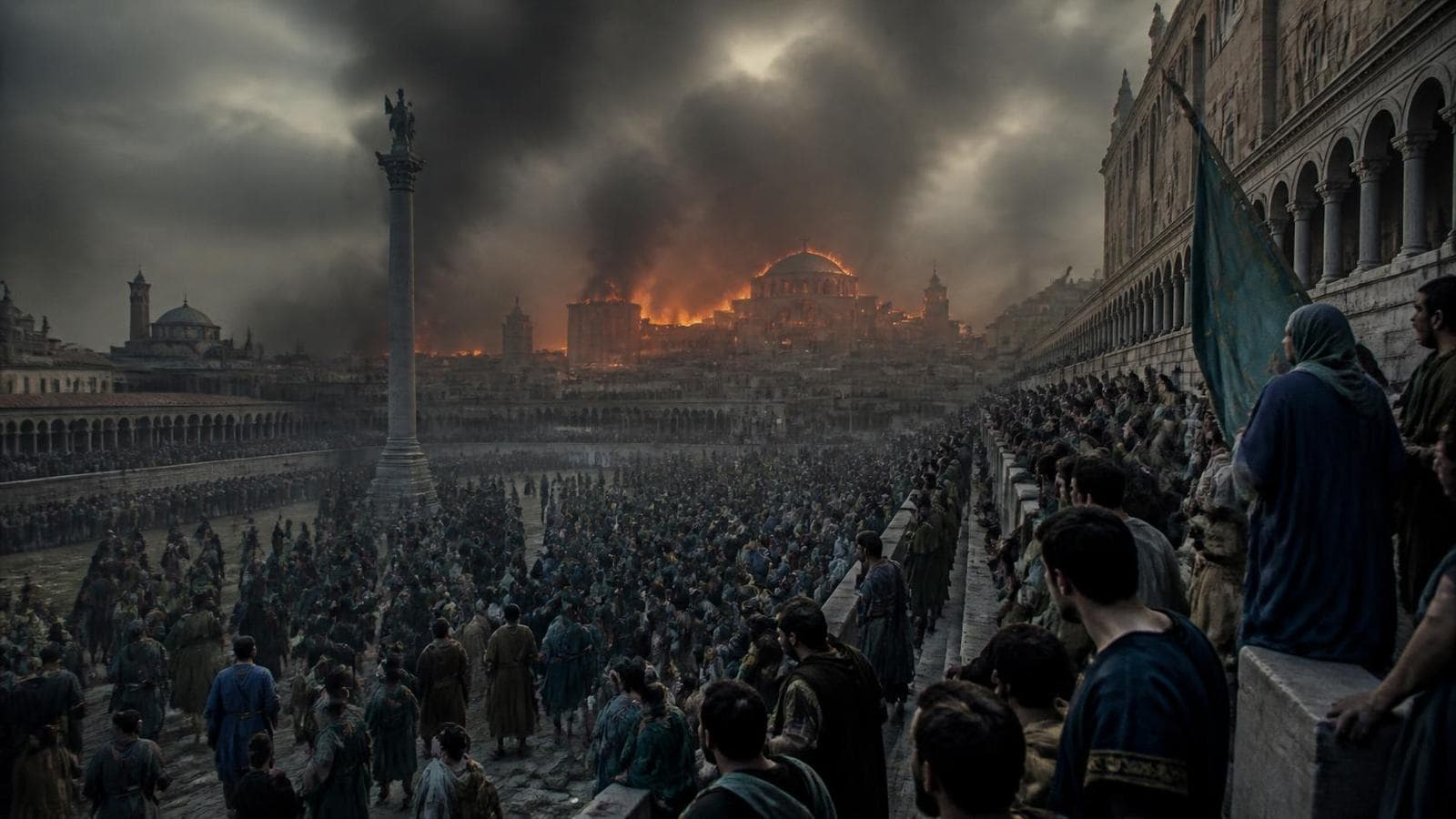
皇帝ユスティニアヌス1世が恩赦を拒むと、結束した群衆の怒りが爆発した。市民生活の中心であった巨大な複合施設ヒッポドロームは、反乱の焦点となった。暴動はたちまち広がり、都市を破壊の波に飲み込んでいった。火災は数多くの公共建築物と皇宮の一部を焼き尽くした。

検証済み

ニカの乱の最中、旧ハギア・ソフィア教会は「四方すべてが完全に崩落した」とされ、コンスタンティノープルのほぼ半分が焼失あるいは破壊されたと伝えられている。

皇帝が逃亡を考え始めると、皇后テオドラは「紫の衣は立派な死装束です」という有名な言葉を残し、死をもってしても帝室の尊厳を捨てぬ覚悟を示した。

テオドラの揺るぎない決意はユスティニアヌスとその側近たちを奮い立たせた。その勇気に鼓舞されたユスティニアヌスは、信頼する将軍ベリサリウスとムンドゥスに断固たる行動を命じた。帝国軍は反乱の鎮圧に動き、ヒッポドロームに大挙して集まっていた暴徒たちを追い詰めた。

検証済み

ニカの乱の苛烈な鎮圧により、およそ3万人が命を落としたと推定され、コンスタンティノープルの歴史上もっとも凄惨な出来事の一つとなった。

現在も残るもの

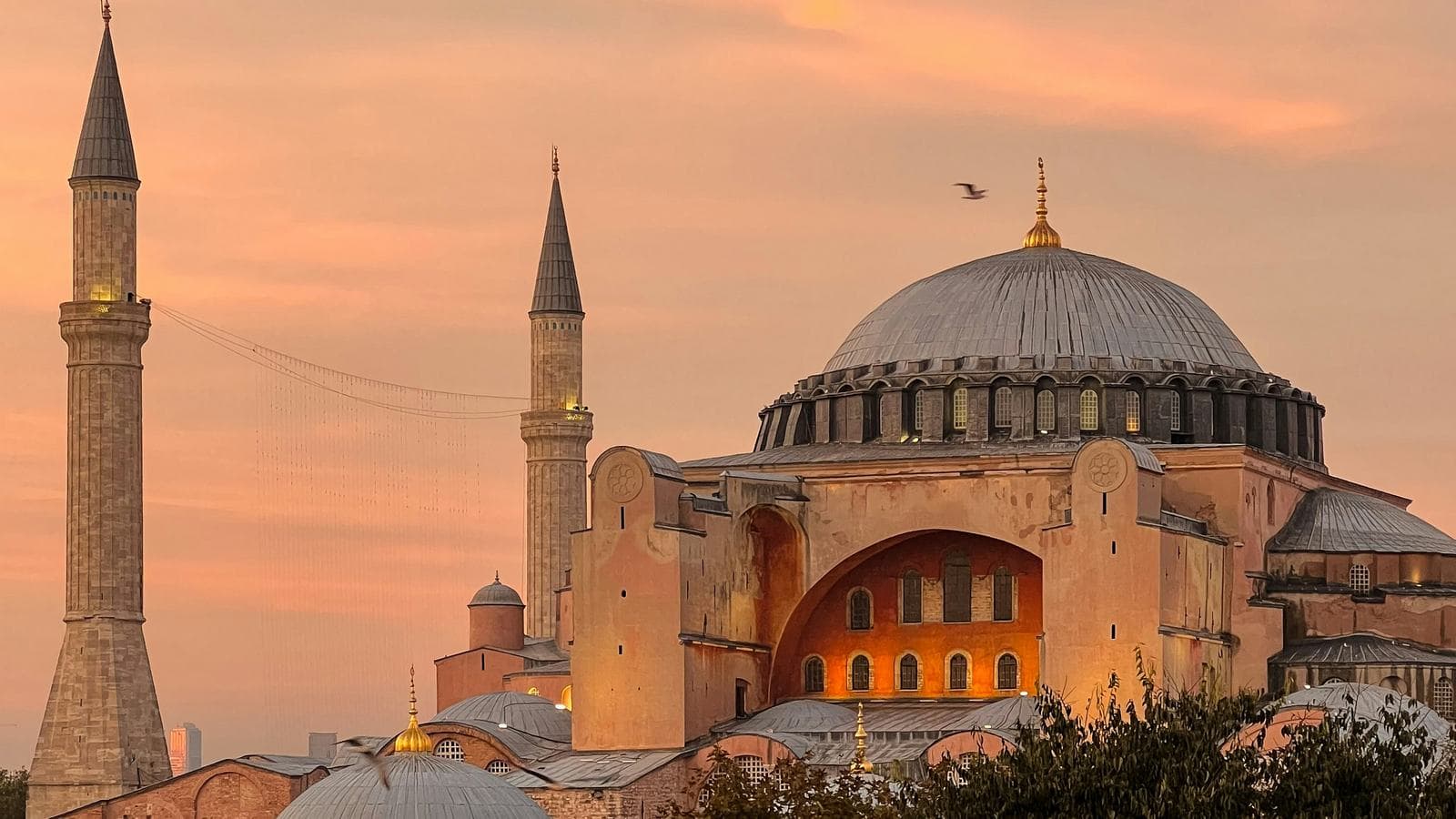
ニカの乱が残した傷跡は深かったが、この出来事は結果としてユスティニアヌスの治世を強固なものにした。広範な破壊は、とりわけ象徴的なハギア・ソフィアをはじめとする野心的な再建事業への道を開き、それは今日もなお、都市の不屈の精神と帝国の権勢を物語る証として立ち続けている。
The Day Constantinople Burned: The Nika Riots of 532

人物

Justinian IByzantine emperor

Justinian I was a Byzantine emperor who reigned from 527 to 565 CE. Born Petrus Sabbatius to peasant parents in Tauresium, Dardania, he was brought to Constantinople (modern-day Istanbul, Turkey) by his uncle, Emperor Justin I, for education and military training, later adopting the name Justinianus. He became sole emperor after his uncle's death in 527 CE. Justinian I is significant for his profound impact on Constantinople through extensive urban development, including commissioning the construction of the Hagia Sophia (built between 532 and 537 CE) and the Basilica Cistern. His reign also saw the monumental codification of Roman law, known as the "Corpus Juris Civilis," which influenced legal systems for centuries. He promoted trade and experienced the widespread devastation of the Plague of Justinian, which afflicted Constantinople starting in 542 CE.

文化

Romans

The Roman presence in the city now known as Istanbul is fundamental to its identity, beginning with the ancient Greek colony of Byzantium becoming allied with and then part of the Roman Empire. Its significance dramatically escalated when Emperor Constantine I refounded it as Constantinople, or "New Rome," in the 4th century CE. This city then served as the capital of the Eastern Roman Empire, later known as the Byzantine Empire, for over a thousand years, preserving Roman and Hellenistic traditions and shaping much of the city's early urban fabric and cultural significance.

Byzantine Greeks

The term "Byzantine Greeks" refers to the inhabitants of the Byzantine Empire, also known as the Eastern Roman Empire. These individuals considered themselves "Romans" and their culture integrated the legal and administrative traditions of the Roman Empire with the Greek language and other Greek cultural elements. The empire was largely Greek-speaking and served as the spiritual center of the Orthodox religion. The Byzantine Greeks are profoundly important to Istanbul, as the city, then known as Constantinople, served as their capital for over a thousand years.

この街は地区でできている

イスタンブールの物語

執筆者 Istanbook Editorial Team · 最終更新日 2026年9月5日

出典 (7)