The Day Constantinople Burned: The Nika Riots of 532

尼卡暴动:公元532年君士坦丁堡的怒火与重生

一场险些推翻查士丁尼统治的血腥起义,如何为圣索菲亚的浴火重生铺平了道路。

1 min read

The Day Constantinople Burned: The Nika Riots of 532
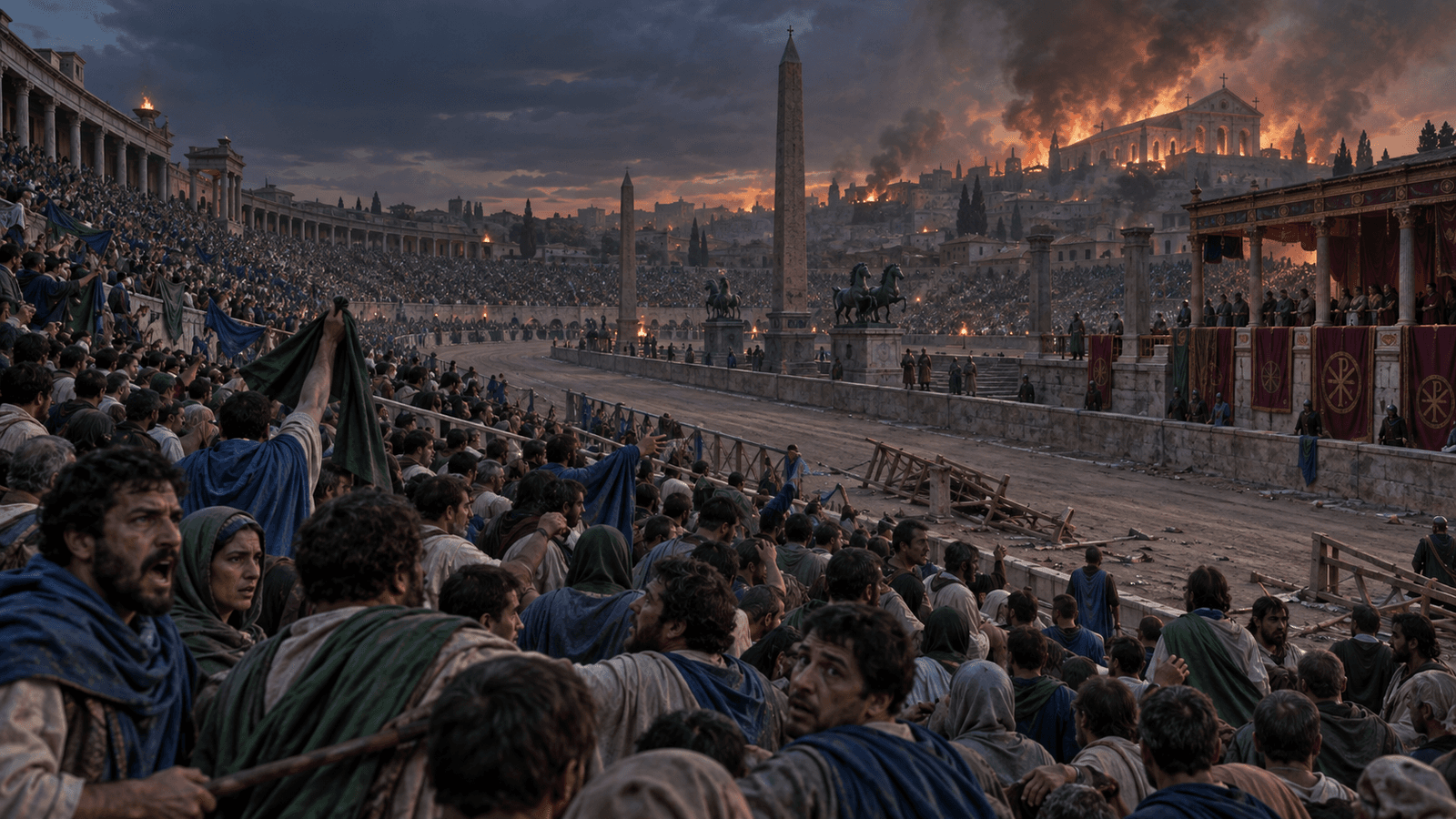
君士坦丁堡的街道上回响着同一句狂怒的呐喊:「尼卡!」——胜利!但这并非庆典的欢呼,而是一座城市自我撕裂的声音。

尼卡暴动发生于公元532年1月,是君士坦丁堡历史上最具毁灭性的内乱事件之一。这场持续一周的起义,对查士丁尼一世皇帝的统治构成了生死存亡的威胁,也深刻影响了这座城市的未来走向。

Verified

素来势不两立的蓝党与绿党,在要求赦免这两人的诉求上团结一致,在竞技场的一场战车比赛中齐声高呼「尼卡!」(意为「征服」或「胜利」)。

Verified

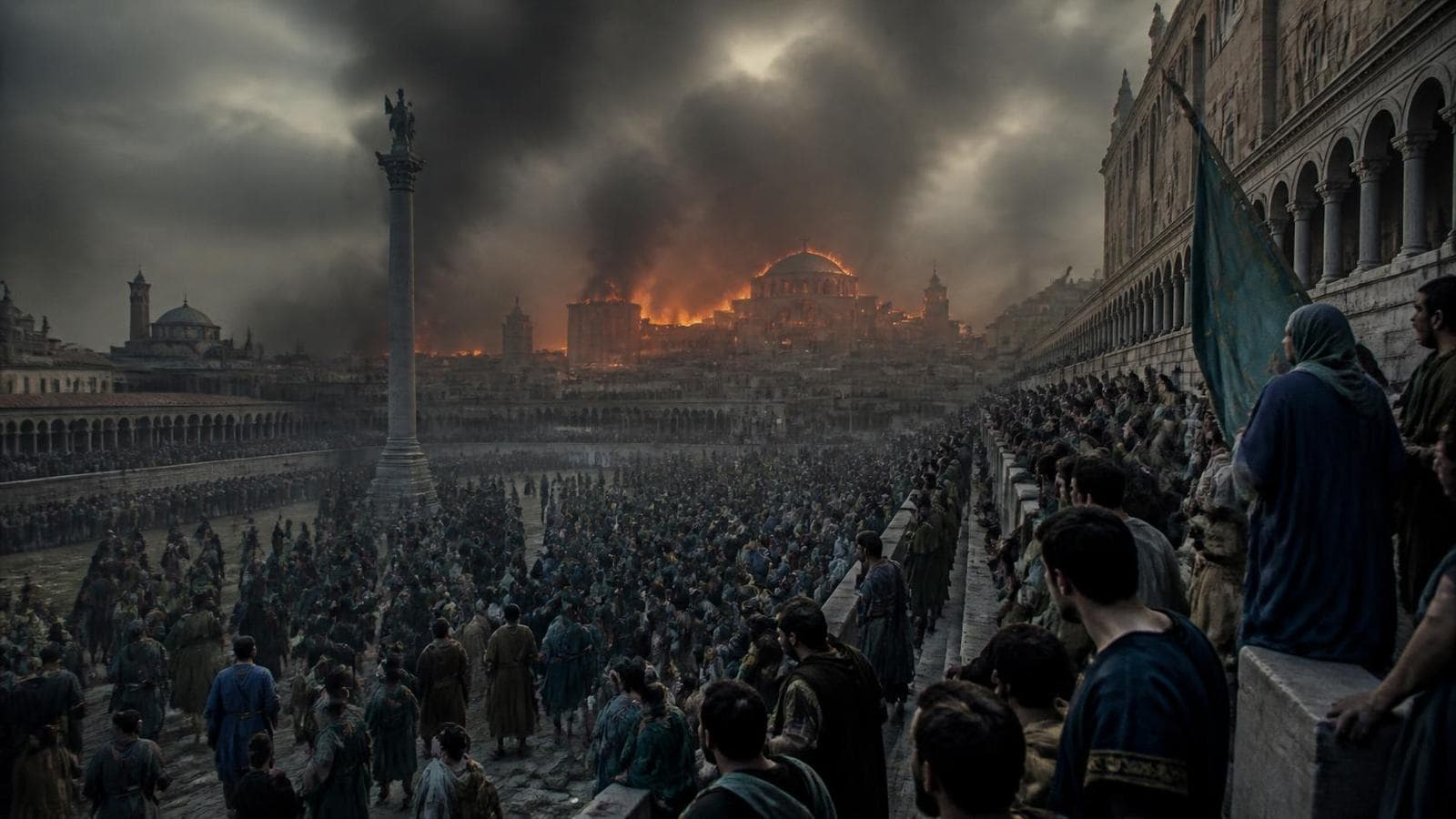
在尼卡暴动期间,最初的圣索菲亚教堂「四面全部坍塌」,据传君士坦丁堡近半的城区被焚毁或摧毁。

“面对皇帝一度考虑出逃的局面,皇后狄奥多拉留下了那句著名的宣言:「紫袍是最好的裹尸布」,表明即便面对死亡,她也绝不放弃皇室的尊严。”

Verified

在这场对尼卡暴动的血腥镇压中,估计约有三万人丧生,使其成为君士坦丁堡历史上最为暴烈的事件之一。

What remains today

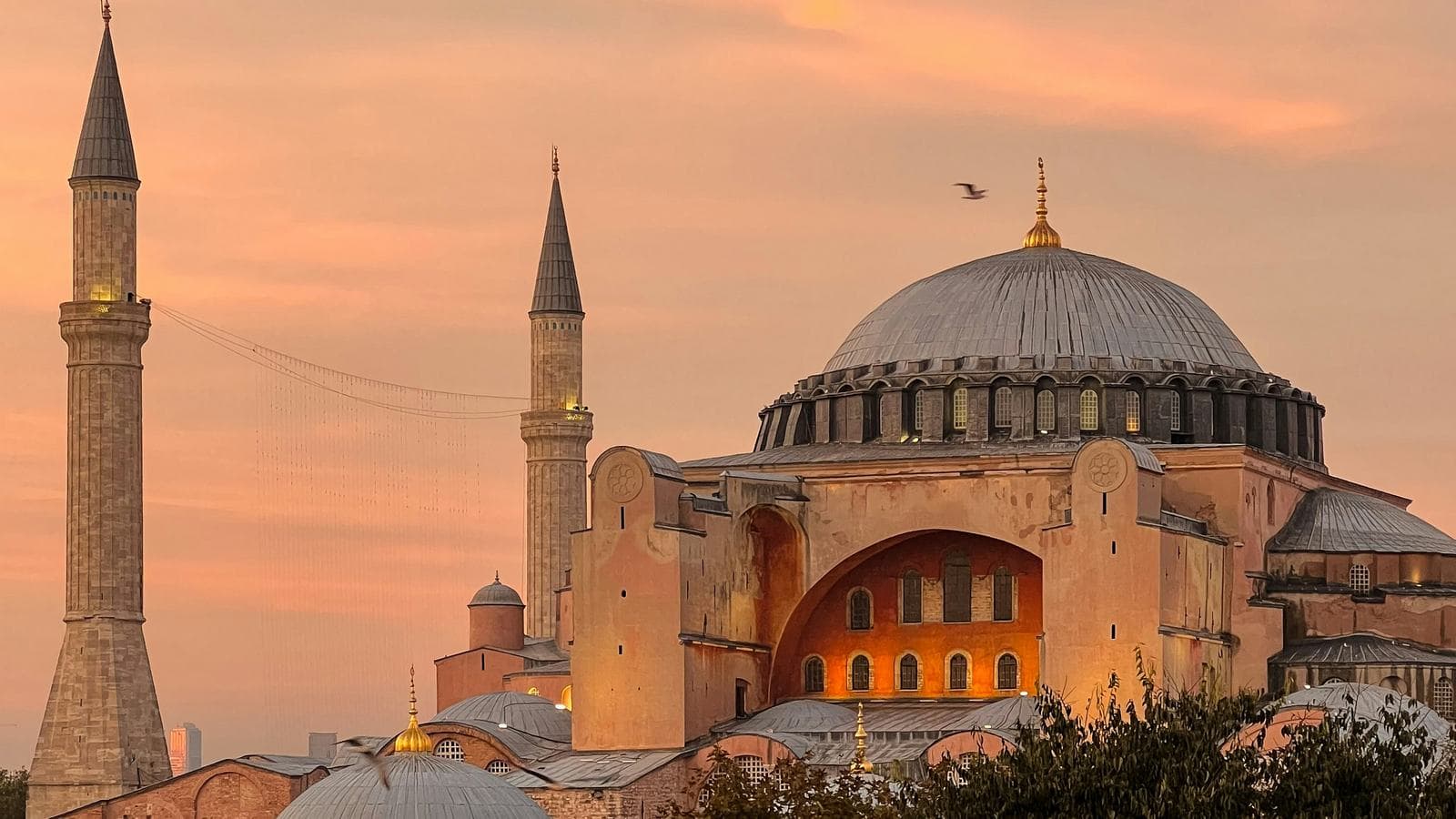
尽管尼卡暴动留下了深刻的创伤,这一事件最终却巩固了查士丁尼的统治。大规模的破坏为雄心勃勃的重建工程铺平了道路,其中最引人瞩目的便是如今矗立于世的圣索菲亚——它见证着这座城市的坚韧不拔与帝国的威严。
The Day Constantinople Burned: The Nika Riots of 532

People

Justinian IByzantine emperor

Justinian I was a Byzantine emperor who reigned from 527 to 565 CE. Born Petrus Sabbatius to peasant parents in Tauresium, Dardania, he was brought to Constantinople (modern-day Istanbul, Turkey) by his uncle, Emperor Justin I, for education and military training, later adopting the name Justinianus. He became sole emperor after his uncle's death in 527 CE. Justinian I is significant for his profound impact on Constantinople through extensive urban development, including commissioning the construction of the Hagia Sophia (built between 532 and 537 CE) and the Basilica Cistern. His reign also saw the monumental codification of Roman law, known as the "Corpus Juris Civilis," which influenced legal systems for centuries. He promoted trade and experienced the widespread devastation of the Plague of Justinian, which afflicted Constantinople starting in 542 CE.

Cultures

Romans

The Roman presence in the city now known as Istanbul is fundamental to its identity, beginning with the ancient Greek colony of Byzantium becoming allied with and then part of the Roman Empire. Its significance dramatically escalated when Emperor Constantine I refounded it as Constantinople, or "New Rome," in the 4th century CE. This city then served as the capital of the Eastern Roman Empire, later known as the Byzantine Empire, for over a thousand years, preserving Roman and Hellenistic traditions and shaping much of the city's early urban fabric and cultural significance.

Byzantine Greeks

The term "Byzantine Greeks" refers to the inhabitants of the Byzantine Empire, also known as the Eastern Roman Empire. These individuals considered themselves "Romans" and their culture integrated the legal and administrative traditions of the Roman Empire with the Greek language and other Greek cultural elements. The empire was largely Greek-speaking and served as the spiritual center of the Orthodox religion. The Byzantine Greeks are profoundly important to Istanbul, as the city, then known as Constantinople, served as their capital for over a thousand years.

The City Is Made of Neighborhoods

Stories of Istanbul

关于尼卡暴动中确切的死亡人数(通常估计为三万人)以及皇后狄奥多拉著名宣言的具体措辞,早期历史文献的记载存在一定差异。

Written by Istanbook Editorial Team · Last updated 2026年9月5日

Sources (7)